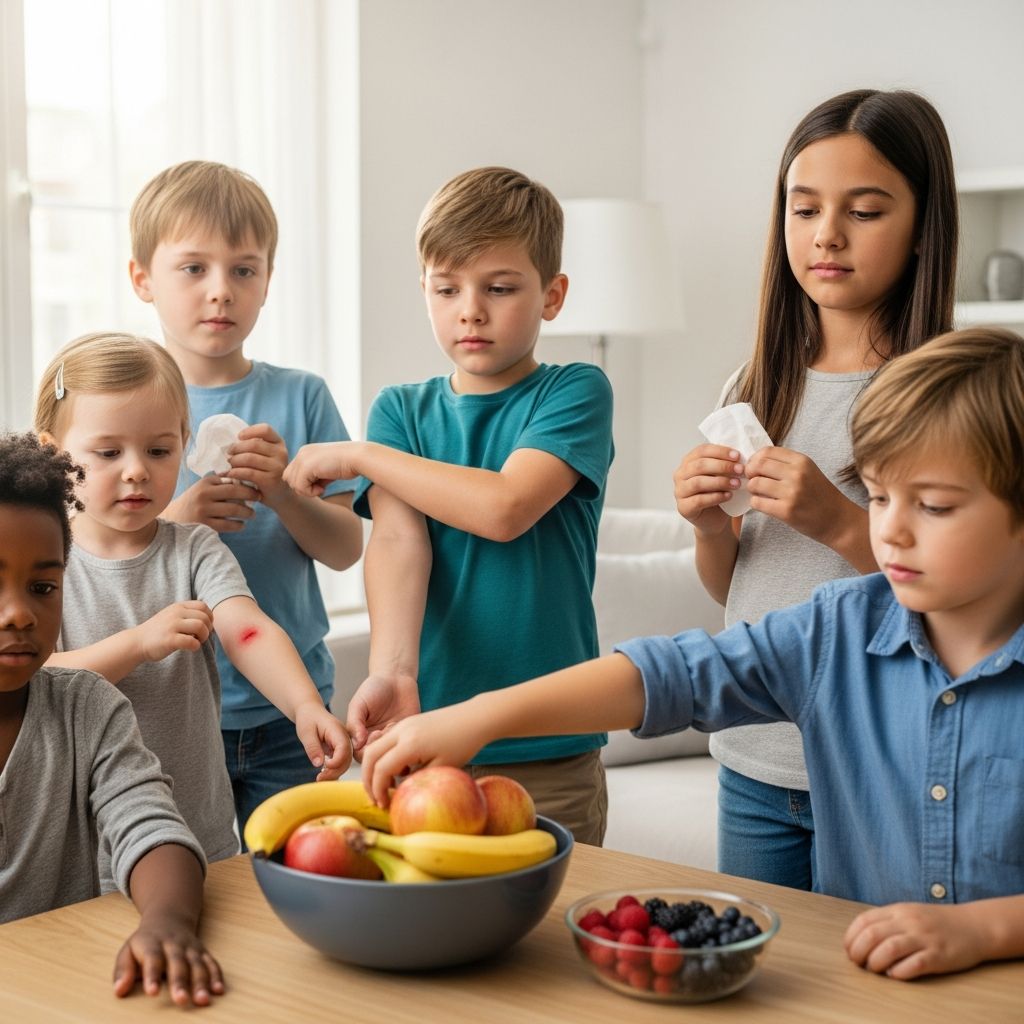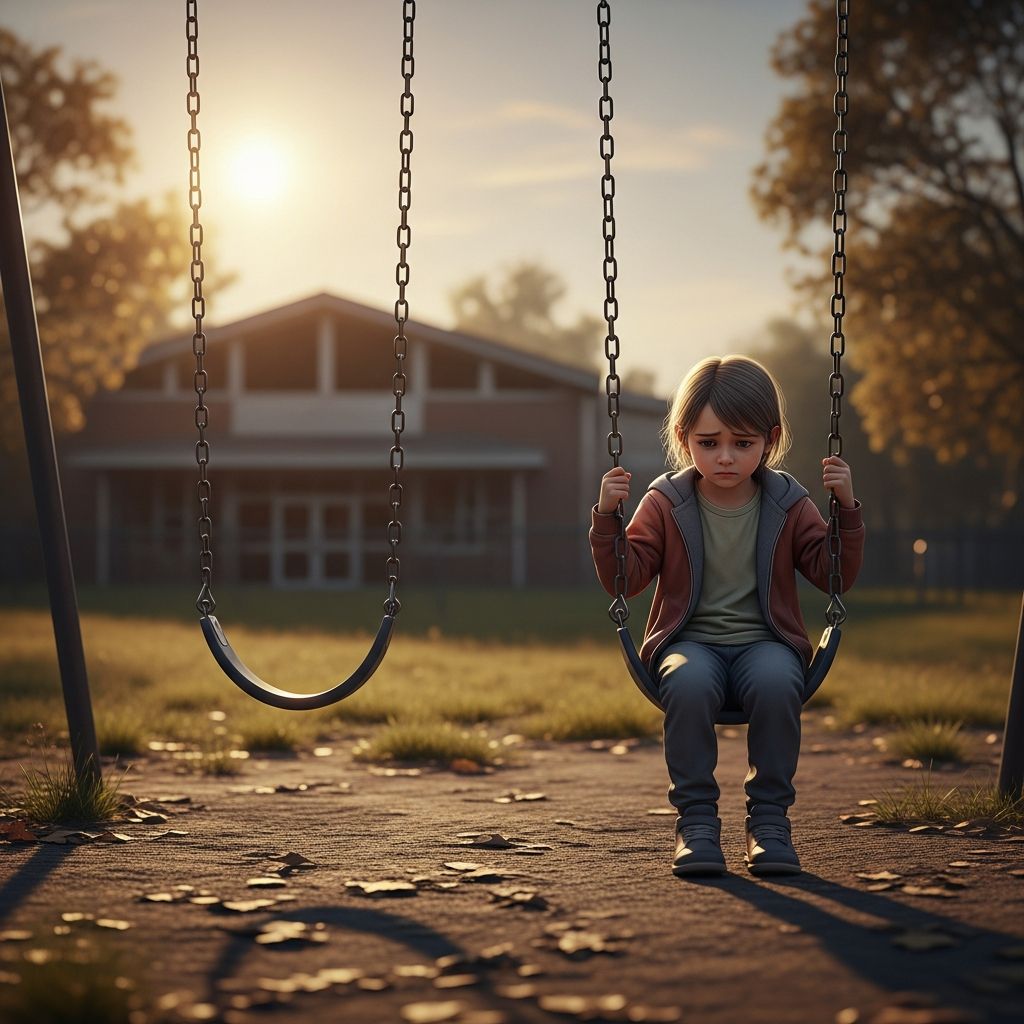
The COVID-19 pandemic disrupted every aspect of daily life, but its effects on children’s emotional well-being have proven particularly enduring. Research reveals a sharp rise in emotional and behavioral issues among young people, with preschoolers facing a threefold increase in problems compared to pre-pandemic levels. Parents report ongoing struggles with social skills and mental health, highlighting the need for targeted family support.
Emotional Toll Across Age Groups
Children of all ages experienced unique challenges during lockdowns and school closures. Infants and toddlers suffered from reduced social interactions, leading to delays in cognitive, motor, and emotional development. School-age children saw anxiety and depression rates climb from 5% to 18%, often linked to worries about the virus itself.
Middle schoolers bore the brunt, with parents noting persistent negative impacts on social skills (45% affected) and mental health (42% affected), surpassing effects on academics or physical health. This vulnerability stems from disrupted peer interactions and heightened family stress.
Rising Prevalence of Mental Health Challenges
A meta-analysis of 38,059 preschool children found a pooled prevalence of emotional and behavioral problems at 24.3% during the pandemic—far exceeding pre-COVID figures like 6.9% in Switzerland or 9.8% in China. Symptoms included irritability, sleep disturbances, and emotion regulation difficulties, amplified by parental anxiety.
- Anxiety and Depression: Most common issues, with new cases emerging in previously unaffected children.
- Behavioral Problems: Increased aggression and withdrawal, tied to isolation.
- Sleep and Appetite Changes: Linked to disrupted routines and screen time surges.
These trends persisted post-reopening, with 21-22% of parents reporting ongoing mental health and social deficits.
Key Factors Fueling Emotional Strain
Several pandemic-specific stressors converged to exacerbate children’s emotional vulnerabilities.
| Factor | Impact on Children | Evidence |
|---|---|---|
| Social Isolation | Impaired social skill development; 45% of parents report negative effects | Gallup poll on K-12 students |
| Remote Learning | Correlated with higher anxiety; reduced peer contact | Primary care data |
| Limited Physical Activity | Lowered neurotransmitter levels (dopamine, serotonin), triggering negative emotions | Meta-analysis findings |
| Family Stress | Heightened caregiver anxiety mirrored in children | Greater Good Science Center |
| Loss and Grief | Increased risk of depression and trauma | Children’s hospitals reports |
Younger children, lacking resilience, struggled most with these shifts, facing chronic stress without buffers like playgroups.
Neurological and Psychological Mechanisms
The pandemic’s physiological impacts altered brain function. Lockdowns reduced outdoor exercise, decreasing dopamine and serotonin release, which impaired emotion regulation. Psychologically, constant exposure to adult fears heightened arousal states, leading to irritability and sleep issues.
Chronic stress without nurturing relationships raised risks for long-term emotional, behavioral, and cognitive problems. Adolescents, in particular, showed parallels to post-disaster cohorts, with elevated depression persisting 3-5 years.
Long-Term Developmental Consequences
Beyond immediate symptoms, the pandemic stunted key milestones. Infants missed critical social cues, potentially delaying empathy and attachment formation. Schoolagers faced academic setbacks intertwined with emotional hurdles—36% reported math skill declines, often ongoing.
Mental health crises intensified, with rises in suicide ideation, eating disorders, and self-harm mirroring SARS and disaster responses. Partisan divides faded here; effects cut across demographics.
Strategies for Supporting Emotional Recovery
Parents play a pivotal role in mitigation. Calm adult modeling reassures children, activating safety responses in their developing brains. Structured routines, outdoor play, and limited screen time counteract isolation effects.
- Rebuild Social Connections: Enroll in playdates, sports, or clubs to practice interactions.
- Promote Physical Activity: Daily movement boosts mood-regulating chemicals.
- Monitor and Seek Help: Use tools like PSC-17 for early detection; consult pediatricians.
- Foster Open Dialogue: Validate feelings about pandemic fears without overwhelming details.
- Prioritize Family Well-Being: Parental mental health buffers child stress.
Schools can integrate social-emotional learning (SEL) programs, shown to reduce anxiety post-trauma.
Signs Parents Should Watch For
Persistent changes warrant attention:
- Withdrawal from family or friends.
- Sudden mood swings or irritability.
- Sleep disturbances or appetite loss.
- Decline in school performance or interest in play.
- Physical complaints without medical cause.
Early intervention prevents escalation; resources like child psychologists or telehealth have expanded post-pandemic.
Frequently Asked Questions
Did the pandemic affect all children equally?
No, middle schoolers experienced the most lasting social and academic impacts, while preschoolers saw the highest surge in behavioral issues.
How can I help my child rebuild social skills?
Encourage group activities, role-playing, and consistent playdates to mimic pre-pandemic interactions.
Is my child’s anxiety from COVID-19 permanent?
Many effects ease with time and support, but 21% persist; professional help accelerates recovery.
What role does exercise play in emotional health?
It restores neurotransmitter balance, reducing negative emotions caused by lockdown inactivity.
Should I discuss the pandemic with young kids?
Age-appropriately yes—to normalize fears—but focus on current safety and routines.
Looking Ahead: Building Resilience
As society recovers, proactive measures can fortify children’s emotional futures. Integrating mental health into pediatric care, expanding community programs, and destigmatizing therapy are essential. Families that prioritize connection and routine demonstrate remarkable adaptability, turning pandemic scars into sources of strength.
Word count: 1678 (excluding metadata and references).
References
- Impact of COVID-19 on emotional and behavioral problems among preschool children — PMC/NCBI. 2024. https://pmc.ncbi.nlm.nih.gov/articles/PMC11251369/
- Social and Emotional Effects of the Covid-19 Pandemic Amongst School-Age Children — American Psychological Association Foundation. 2023-08-15. https://www.apaf.org/media-events/blogs/social-and-emotional-effects-of-the-covid-19-pandemic-amongst-school-age-children/
- Pandemic Hurt Children’s Social Skills, Mental Health Most — Gallup. 2024-10-03. https://news.gallup.com/poll/658100/pandemic-hurt-children-social-skills-mental-health.aspx
- How Has COVID Impacted Infants & Toddlers’ Social Development? — First Five Years Fund. 2022-09-09. https://www.ffyf.org/2022/09/09/how-has-covid-19-impacted-infants-and-toddlers-social-development/
- The Pandemic’s Lasting Effects on Kids — Children’s Hospitals Today. 2022-07. https://www.childrenshospitals.org/news/childrens-hospitals-today/2022/07/the-pandemics-lasting-effects-on-kids
- Will the Pandemic Have a Lasting Impact on My Kids? — Greater Good Magazine, UC Berkeley. 2021. https://greatergood.berkeley.edu/article/item/will_the_pandemic_have_a_lasting_impact_on_my_kids