In times of unprecedented health emergencies, the demand for personal protective equipment (PPE) such as masks, face shields, and gowns surges beyond normal capacities, leaving frontline workers vulnerable. Companies from diverse industries have swiftly reoriented their operations to manufacture these essentials, bridging critical gaps in supply chains. This collective effort not only alleviates immediate shortages but also highlights the agility of modern manufacturing and community spirit.
The Urgent Need for Protective Gear in Healthcare Settings
Hospitals nationwide faced acute shortages of N95 respirators, surgical masks, and eye protection as patient volumes spiked. For instance, large health systems like Providence St. Joseph Health reported being mere days away from depleting stocks, prompting innovative on-site solutions using everyday materials. Medical professionals resorted to extreme conservation measures, including reusing disinfected masks and constructing makeshift shields from vinyl and foam sourced from local stores.
These shortages stemmed from global supply disruptions, overwhelming demand, and export restrictions on critical items. Federal responses included calls for industries to donate stockpiles and military deployments of millions of masks, yet ground-level improvisation remained essential. Understanding this context reveals why corporate pivots became a lifeline for exhausted healthcare teams.
Corporate Repurposing: From Apparel to Medical Supplies
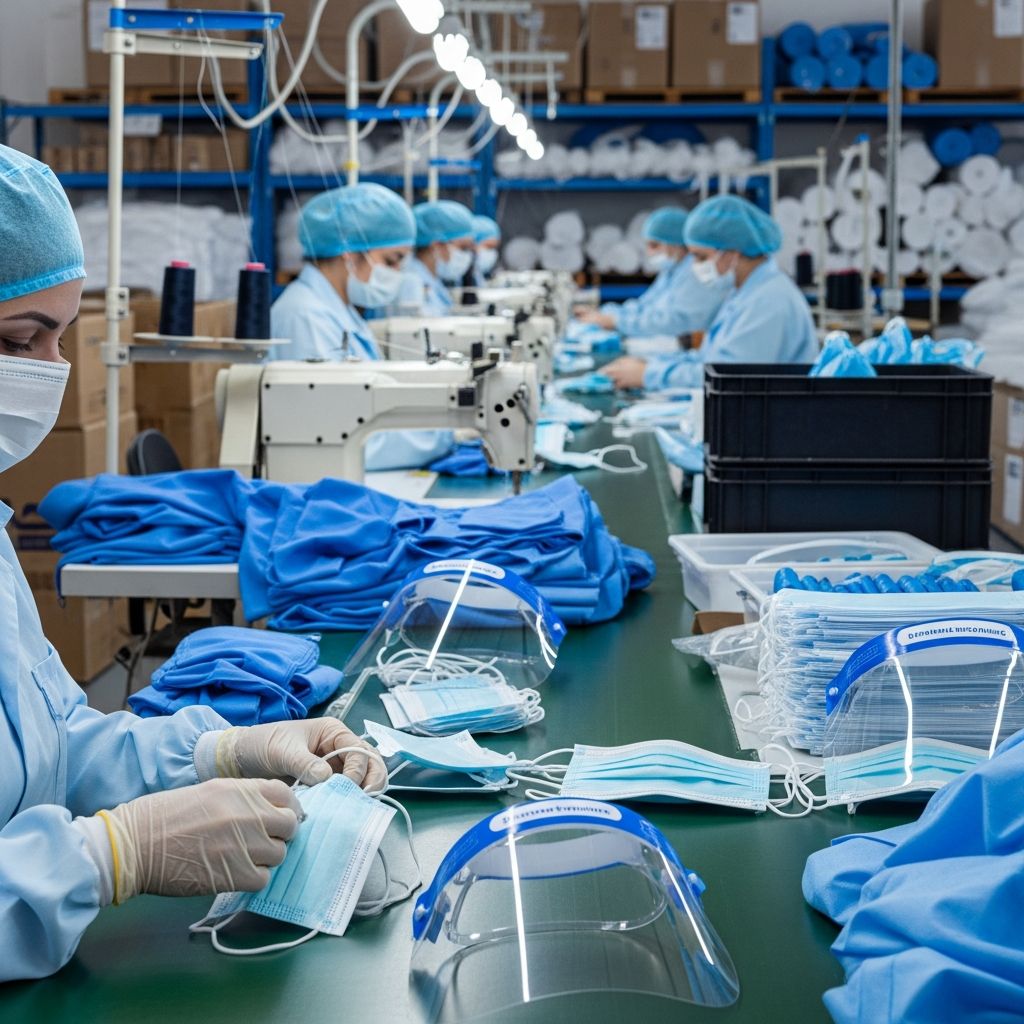
Southern California’s robust apparel sector emerged as a key player, with alumni-led initiatives tapping into existing sewing infrastructure. Factories typically producing clothing for retail giants redirected assembly lines to craft medical-grade masks and gowns. This shift leveraged skilled labor and machinery already in place, enabling rapid scaling without starting from scratch.
In parallel, construction supply firms contributed N95 masks from their inventories, responding to direct appeals from government leaders. Food service uniform providers like Newchef Fashion Inc. unveiled reusable protective masks, utilizing their material expertise to meet hospitality-turned-healthcare needs. These adaptations demonstrate how sector-specific knowledge accelerates PPE production.
| Industry | PPE Produced | Key Advantage |
|---|---|---|
| Apparel & Fashion | Masks, Gowns | Sewing Expertise & Fabrics |
| Construction | N95 Masks | Existing Stockpiles |
| Office Supplies | Face Shields | Accessible Materials |
This table illustrates the diverse contributions, where each industry’s strengths complemented healthcare demands effectively.
Grassroots Innovation: Volunteers Sewing for the Frontlines
Beyond corporations, individual and community efforts exploded across the U.S. In cities like Nashville and Chicago, nurses and homemakers coordinated sewing drives, producing thousands of cloth masks for non-COVID areas and N95 covers. An 11-year-old in Georgia even crafted masks alongside blankets, exemplifying widespread participation.
Platforms like Project N95 centralized requests from over 2,500 facilities, matching donors with needs for respirators and shields. Universities released open-source designs for 3D-printable shields, empowering makerspaces and homes with laser cutters to contribute. Deaconess Health System shared tutorials, clarifying that fabric masks serve as stopgaps when surgical options dwindle, per CDC guidelines.
- Rapid Production: Volunteers like Lisa Bell sewed 300+ masks in weeks, donating locally.
- Customization: Designs included pleated styles and respirator covers for extended use.
- Matching Services: Hospitals paired with sewers via online hubs.
These initiatives filled voids left by commercial delays, fostering a network of hyper-local support.
Government and Collaborative Supply Chain Responses
Official channels amplified private efforts. The #GetUsPPE platform launched to streamline crowdsourced donations of gloves, gowns, and masks, connecting manufacturers retooling for shields with desperate facilities. Defense Department allocations of 5 million N95s and ventilators provided immediate relief.
Health giants like Kaiser Permanente shuttled supplies internally and sourced from unconventional vendors, such as construction gear suppliers. Vice-presidential directives urged industries to prioritize hospitals over routine orders, signaling a national mobilization. These partnerships underscored the power of coordinated logistics in crisis management.
Technical Adaptations and Quality Assurance Challenges
Repurposed PPE required rigorous testing. Providence’s prototype shields, assembled from marine vinyl and Home Depot buys, underwent infection control reviews before deployment. Fabric masks, while not N95 equivalents, offered protection in low-risk zones and conserved professional-grade stock.
Challenges included ensuring breathability, fit, and durability. Volunteers followed hospital-provided patterns, often incorporating elastic and filter pockets. Companies invested in reusable models, aiming for washable, multi-use designs to sustain long-term supplies. This era of innovation pushed boundaries in material science and rapid prototyping.
Long-Term Impacts on Manufacturing and Preparedness
The PPE pivot revealed vulnerabilities in global dependencies, spurring calls for domestic production ramps. Hospitals adopted extended-use protocols, wearing masks beyond single shifts under FDA relaxations. Post-crisis analyses likely emphasize diversified supply chains and standby capacities.
Communities gained skills in crisis response, with sewing networks persisting for future needs. Corporate leaders who adapted reported enhanced reputations and new revenue streams in health textiles. This episode transformed ad-hoc efforts into blueprints for resilience.
Frequently Asked Questions
Why were cloth masks used despite CDC preferences for surgical ones?
Cloth masks served as backups in non-COVID zones when surgical supplies ran low, conserving N95s for high-risk procedures per updated guidelines.
How effective are homemade face shields?
Prototypes using vinyl and foam provided splash protection, tested for fit and clarity, buying time until commercial units arrived.
Can volunteers still contribute to PPE drives today?
Platforms like Project N95 continue matching makers with facilities, adapting to ongoing needs beyond initial surges.
What role did apparel companies play?
Leveraging factories and sewers, they mass-produced masks and gowns, scaling output rapidly for regional hospitals.
Are reusable masks a viable long-term solution?
Designs with washable fabrics and filters offer sustainability, though they require proper maintenance for efficacy.
Lessons for Future Crises
The synergy of business ingenuity, volunteer zeal, and policy nudges created a dynamic response model. Hospitals innovated internally, from restitching masks to bleach-washing N95s. Crowdsourcing sites democratized aid distribution, ensuring gear reached urgent spots.
Expanding on this, future preparedness might include pre-trained manufacturing pivots and stockpiled raw materials. Educational campaigns could teach basic PPE fabrication, embedding community readiness. Economically, sectors discovered dual-use capabilities, blending consumer and medical markets seamlessly.
Personal stories abound: administrative staff turned assemblers, children wielding needles for neighbors, executives retooling factories overnight. These narratives humanize statistics, reminding us of shared vulnerability and strength. As supplies stabilized, gratitude poured from wards to workshops, forging enduring bonds.
Quantitatively, volunteer outputs reached hundreds of thousands, complementing millions from official channels. Initiatives like open-source shields proliferated via 3D printers, costing pennies per unit versus commercial dollars. This cost-efficiency amplified reach, protecting more lives per effort.
In reflection, the pivot wasn’t merely reactive but evolutionary. Industries redefined cores, volunteers discovered purpose, and healthcare glimpsed sustainable alternatives. Such transformations, born of necessity, equip societies against recurring threats, proving adaptability as the ultimate safeguard.
References
- U.S. Hospitals Make Masks From Office Supplies Amid Shortage — TIME. 2020-03-18. https://time.com/5805557/homemade-medical-face-mask-shortage/
- Volunteers Making Face Masks For Healthcare Workers — AMN Healthcare. 2020-04-01. https://www.amnhealthcare.com/blog/nursing/travel/volunteers-making-face-masks-for-healthcare-workers/
- Custom Facemask Program — Newchef Fashion Inc. 2020-03-20. https://www.newchef.com/custom-facemask-program
- New Effort To Get Masks And Gloves To Healthcare Workers Launches Online — NBC News. 2020-03-25. https://www.youtube.com/watch?v=041oO1oDXbA
- Local companies turn to making personal protective gear for nurses, doctors during COVID-19 crisis — FOX 11 Los Angeles. 2020-03-22. https://www.foxla.com/news/local-companies-turn-to-making-personal-protective-gear-for-nurses-doctors-during-covid-19-crisis
- USC alumni join push to protect doctors, nurses from COVID-19 — USC Today. 2020-03-24. https://today.usc.edu/usc-alumni-covid-19-medical-supplies-masks-ppe-doctors-nurses/