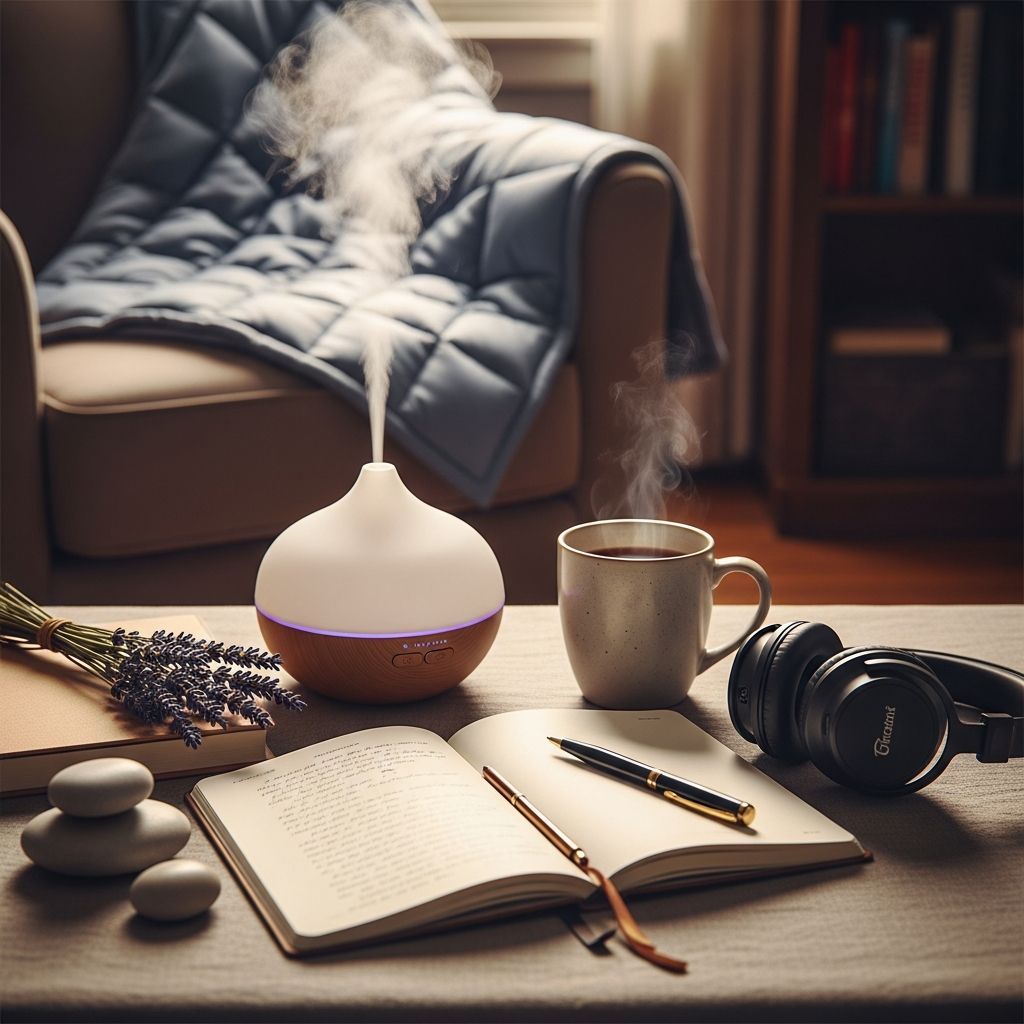
Everyday objects can transform into essential supports for emotional well-being, helping adults navigate stress, anxiety, and life’s uncertainties. These **comfort items**—ranging from soft plush toys to cherished jewelry—provide a tangible sense of security, mirroring the transitional objects familiar from childhood.
The Science of Self-Soothing Through Touch
Physical contact with familiar objects triggers profound physiological responses. Hugging a soft item releases oxytocin, known as the ‘love hormone,’ which lowers cortisol levels and promotes relaxation. Research indicates that this mechanism reduces physiological arousal during stressful moments and enhances mood by activating brain regions linked to reward and positive emotions.
For adults, this isn’t mere sentimentality. Neuroscience shows that holding a beloved object calms the nervous system, much like interpersonal touch. A study in the Journal of Integrative Medicine (2020) found weighted blankets, providing deep-touch pressure, significantly decreased anxiety in psychiatric patients compared to those without them. Similarly, clutching a breathing-simulating cushion before exams matched the anxiety-reducing effects of guided meditation.
Evolution from Childhood to Adult Life
Children often rely on teddy bears or blankets as ‘transitional objects’ to bridge separation from caregivers, fostering independence while maintaining a sense of safety. This concept, rooted in attachment theory, persists into adulthood where objects evolve into subtler forms like a favorite scarf, photo locket, or well-loved mug.
Adults facing modern pressures—work demands, isolation, or life changes—rediscover these tools. Unlike children’s overt plushies, adult versions blend into daily routines, offering discreet emotional anchors. For instance, a study in Psychological Science (2013) demonstrated that holding a teddy bear diminished existential fears, particularly for those with lower self-esteem.
- Childhood role: Eases separation anxiety and builds self-regulation.
- Adult adaptation: Manages chronic stress, grief, or sensory overload.
- Key benefit: Provides consistent comfort without relying on others.
Practical Ways Comfort Items Aid Daily Stress Management
Incorporating comfort items into routines yields measurable benefits. During high-stress periods, such as job transitions or health scares, these objects ground individuals, reducing agitation and improving focus.
| Scenario | Comfort Item Example | Benefit |
|---|---|---|
| Work deadlines | Weighted plush toy | Lowers cortisol, enhances concentration |
| Nighttime anxiety | Soft blanket or stuffed animal | Promotes better sleep via sensory comfort |
| Grief or loss | Sentimental jewelry | Evokes positive memories, stabilizes emotions |
| Sensory sensitivities (e.g., ADHD/autism) | Fleece throw | Offers tactile soothing without overstimulation |
These items complement professional care, serving as immediate, accessible aids. For example, the PARO robotic seal, designed for dementia patients, boosts engagement, reduces agitation, and rivals non-robotic plush toys in efficacy, per a 2017 study in the Journal of the American Medical Directors Association.
Overcoming Stigma: Normalizing Adult Comfort Practices
Societal expectations of emotional stoicism often lead adults to hide their comfort items, fearing judgment. Yet, growing mental health awareness is shifting perceptions. Psychology experts note that these objects represent healthy attachment, not weakness, providing psychological strength during vulnerability.
In an era of digital overload, tactile comforts counter intangibility, fostering resilience. Personal stories abound: grieving parents cradling weighted dolls to mimic lost infants’ weight, finding profound relief. This normalization encourages open use, enhancing overall well-being.
Innovative Comfort Tools for Modern Needs
Advancements yield specialized items like breathing cushions that inflate/deflate to mimic respiration, proven as effective as meditation for pre-exam nerves. Weighted teddies target grief, while sensory plushies aid neurodiverse adults with ADHD or autism by delivering calming pressure.
Even simple keepsakes, like a grandparent’s watch, anchor users to stability. These tools aren’t replacements for therapy but powerful adjuncts, especially during isolation or trauma recovery.
Building Your Personal Comfort Toolkit
Selecting the right item personalizes its impact. Consider texture, size, and emotional ties:
- Opt for soft, huggable fabrics for tactile relief.
- Choose items linked to positive memories for nostalgia boosts.
- Test weighted options (10-15% of body weight) for deep pressure therapy.
- Integrate into routines: bedside for sleep, desk for work stress.
Start small—carry a small token during commutes. Over time, this practice builds emotional resilience, turning objects into lifelong allies.
Frequently Asked Questions (FAQs)
Do adults really benefit from stuffed animals?
Yes, studies show they reduce anxiety and stress via oxytocin release and sensory comfort, aiding sleep and emotional stability.
Is using comfort objects a sign of immaturity?
No, they are evidence-based tools for self-regulation, endorsed by psychologists for all ages, especially during transitions.
How do weighted blankets work for anxiety?
They apply deep-touch pressure, calming the nervous system and lowering cortisol, as proven in psychiatric settings.
Can comfort items help with trauma or PTSD?
Absolutely, they provide a safe, constant presence, helping manage symptoms like those in grief or past abuse.
What’s the best way to introduce comfort items as an adult?
Choose something sentimental or soft, use privately at first, and pair with mindfulness for maximum effect.
Long-Term Impact on Mental Health
Consistent use fosters self-soothing skills, reducing dependency on external validation. Over months, users report sustained mood improvements, better sleep, and heightened resilience against daily stressors. This practice aligns with holistic wellness, bridging gaps in therapy access or social support.
In therapeutic contexts, comfort items reinforce progress, symbolizing growth. For isolated individuals—exacerbated by remote work or pandemics—they combat loneliness, offering reliable companionship.
Ultimately, embracing comfort items honors our innate need for tangible security, proving that healing often lies in the familiar and cherished.
References
- Self-Comfort With Transitional Objects — MentalHealth.com. 2023-05-15. https://www.mentalhealth.com/library/the-transitional-objects-and-self-comfort
- The Psychology of Adults Sleeping with Stuffed Animals — Adada Store. 2024-02-10. https://adadastore.com/blogs/news/the-psychology-of-adults-sleeping-with-stuffed-animals
- How Cuddly Comfort Objects May Help Adults with Anxiety — TIME. 2022-10-20. https://time.com/6165265/stuffed-animals-anxiety-adults/
- Mental Health Plushies & Stuffed Animals — Ty Store Blog. 2023-11-08. https://shop.ty.com/blog?lang=en&title=mental-health-plushies-the-health-benefits-of-stuffed-animals
- The Psychological Benefits of Comfort Objects — LifeStance Health. 2024-01-22. https://lifestance.com/blog/psychological-benefits-comfort-objects/
- Do Adults Need Security Blankets? — Psychology Today. 2023-06-12. https://www.psychologytoday.com/us/blog/life-after-50/202306/do-adults-need-security-blankets