Bridging the Gap Between Literature and Visual Art
In an increasingly digital world, the intersection of storytelling and artistic expression has become more important than ever for childhood development. Educational institutions and cultural organizations have recognized the value of combining literary instruction with visual arts, creating immersive learning experiences that engage multiple creative faculties. When prominent authors leverage their platforms to teach drawing and artistic skills, they provide children with unique perspectives on how narrative and illustration work together to create compelling stories. This multifaceted approach to education enriches young learners’ understanding of both disciplines while making creative learning accessible from home.
The Evolution of Remote Educational Programming
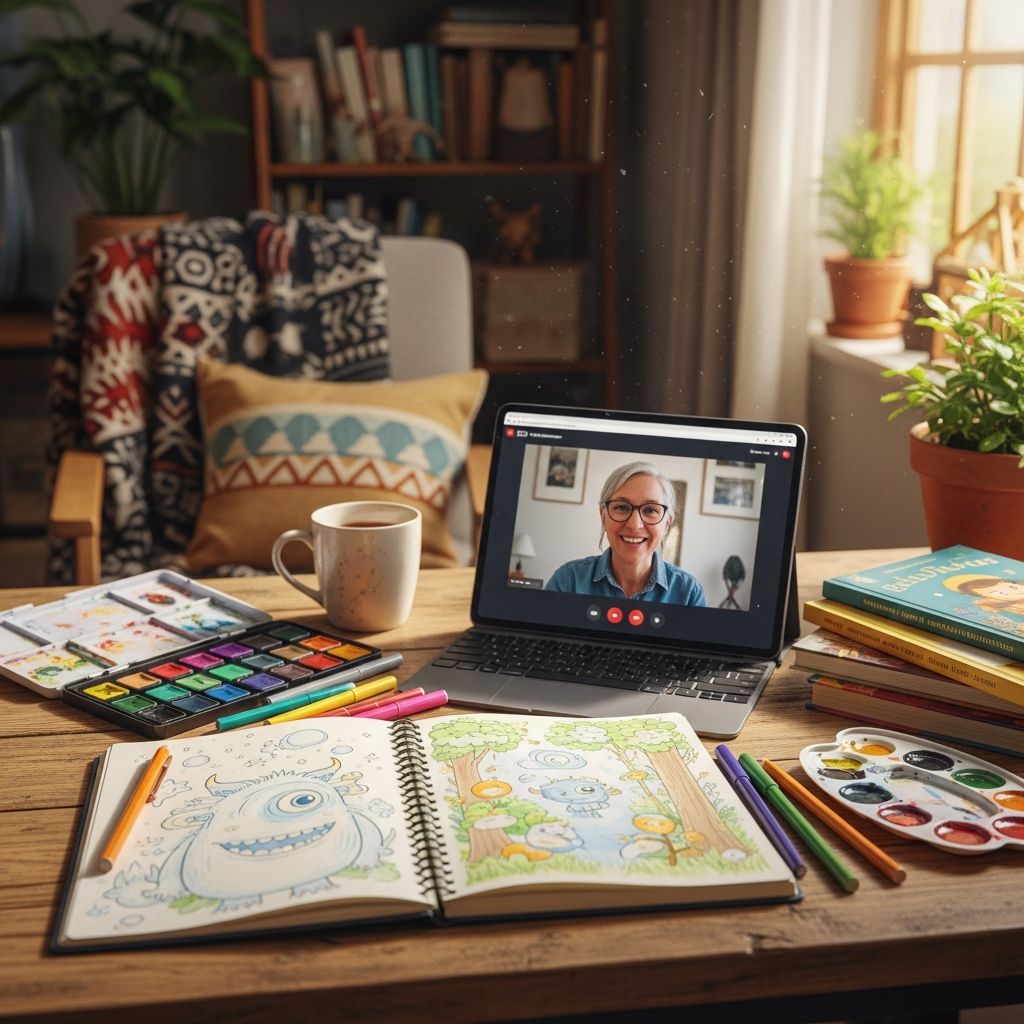
Educational initiatives have undergone significant transformation in response to modern needs, with cultural institutions stepping up to provide accessible content for families seeking meaningful at-home activities. Libraries and educational organizations have become crucial partners in delivering creative programming, recognizing that children benefit from professional instruction in visual arts and storytelling. These digital initiatives democratize access to quality instruction that might otherwise require expensive classes or workshops. By hosting free, professionally-produced content, institutions ensure that economic barriers do not prevent children from exploring their creative potential. The shift toward digital platforms has made it possible for educators and authors to reach audiences far beyond their immediate geographic areas.
Components of Comprehensive Creative Instruction
Effective virtual learning programs combine multiple educational elements to create well-rounded learning experiences. A structured approach to remote creative instruction typically includes:
- Step-by-step visual demonstrations that break down complex artistic techniques into manageable segments
- Character development instruction that teaches children how to conceptualize and iterate on original creations
- Narrative structure guidance that shows how stories and visual elements interact
- Interactive read-aloud sessions that model expressive storytelling techniques
- Downloadable activity sheets that extend learning beyond video viewing
- Practical exercises that encourage children to apply newly acquired skills independently
Building Creative Confidence Through Structured Guidance
One of the most significant benefits of author-led instruction is the modeling effect it provides. When accomplished creators demonstrate their process, including the trial-and-error elements, children learn that artistic growth is a journey rather than an immediate achievement. This normalization of the creative process helps young learners develop resilience and persistence in their own artistic endeavors. Professional instruction distinguishes between basic technique instruction and deeper creative coaching, with experienced instructors guiding students on how to think about character development, storytelling flow, and visual composition. By watching established authors work through their creative decisions, children gain insight into professional practices and develop more sophisticated approaches to their own creative work.
Integration of Popular Literary Franchises in Educational Content
Leveraging existing beloved characters and story worlds creates natural entry points for children to engage with creative instruction. When educational programming features characters and scenarios from popular book series, children bring existing enthusiasm and familiarity to the learning experience. This integration serves multiple purposes: it maintains student interest, provides concrete examples for instruction, and reinforces connections between reading and artistic creation. Using established narrative universes as teaching tools demonstrates how fictional worlds can inspire artistic exploration and how character consistency functions across different media and interpretations. Students learn practical skills while simultaneously deepening their relationship with stories they already love.
Accessibility and Equity in Creative Education
Free digital programming removes significant barriers to creative education access. Families without resources for private art instruction or extracurricular classes gain access to professional-quality teaching materials. The downloadable nature of content allows families to engage with materials at their own pace and on their own schedule, accommodating various family structures and time constraints. Content availability across multiple digital platforms ensures that families with different technological preferences or limitations can still participate. This democratization of creative instruction reflects a commitment to ensuring that artistic development opportunities are not reserved solely for families with financial means or proximity to specialized institutions.
The Role of Institutional Partnerships in Content Development
Collaborations between cultural institutions and creative professionals elevate the quality and reach of educational programming. When libraries and similar organizations partner with accomplished authors, they bring institutional credibility, distribution infrastructure, and educational expertise to content creation. These partnerships also provide authors with platforms to reach new audiences and fulfill their educational missions. Institutional support ensures consistent scheduling, professional production quality, and long-term sustainability of programming. The combination of an author’s creative expertise with an institution’s resources and reach creates more impactful educational outcomes than either party could achieve independently.
Fostering Literacy Through Multisensory Engagement
Reading comprehension and writing development are enhanced when children engage with stories through multiple sensory and creative modalities. When students illustrate scenes from books, they must engage more deeply with textual content to make visual decisions. This active processing strengthens comprehension and creates stronger memory associations with narrative elements. Combined with author-led reading sessions, visual art instruction creates a multisensory learning experience that accommodates different learning styles and preferences. Children who might struggle with traditional reading instruction may discover literary engagement through artistic expression, while naturally artistic children find new appreciation for written narrative through illustration.
Developing Original Creative Voice and Artistic Identity
Beyond teaching technique, professional instruction emphasizes the importance of developing personal artistic voice. Students learn that mastering fundamental skills provides the foundation upon which individual style develops. Instruction that balances technique with encouragement to experiment and innovate helps children understand that artistic growth involves both learning from established practices and discovering personal approaches. When professional creators discuss their own artistic journeys, including how they developed their distinctive styles, students gain permission and inspiration to pursue their own creative directions. This balanced approach produces more confident young artists who view skill development as a means to personal expression rather than an end in itself.
Practical Application and Skill Development Tracking
Effective remote instruction includes mechanisms for practice and skill reinforcement. Activity sheets and challenge prompts encourage children to apply instruction immediately rather than passively consuming content. Progressive difficulty in presented concepts allows students to build skills systematically, with each new lesson building upon previously learned techniques. When instruction is structured this way, students can recognize their own progress and development, which builds motivation and confidence. Providing varied application opportunities ensures that children with different interests and learning preferences can engage meaningfully with core concepts.
Creating Sustainable Learning Environments at Home
Remote creative instruction encourages families to establish dedicated spaces and routines for creative practice. Consistent scheduling of programming creates anticipatory rhythm in family life, with regular sessions becoming valued traditions. Providing downloadable materials allows families to revisit content multiple times, adapting to their own learning pace. When families collectively engage with creative instruction, it models the value of artistic expression and creates shared experiences around learning. Parents who participate alongside children develop their own creative skills while demonstrating to their children that learning and artistic growth continue throughout life.
Connecting Global Audiences Through Shared Content
Digital programming transcends geographic boundaries, connecting children worldwide to consistent, quality instruction. A child in a rural area with limited access to art classes can receive the same professional instruction as a child in an urban center. This leveling of access represents a significant shift in educational equity. Global accessibility also creates communities of young artists working with the same material, enabling a sense of participation in something larger than their individual experience. When children know that peers worldwide are engaging with identical content, it can enhance motivation and create a sense of shared purpose in their creative endeavors.
Frequently Asked Questions
Q: What age groups benefit most from author-led drawing instruction?
A: While the accessibility of digital content allows engagement across age ranges, programs are typically designed for elementary through early middle-school students. However, younger children with parental guidance and older teens seeking leisure creative activities can both find value in professionally-produced content.
Q: Do participants need prior artistic experience to engage with drawing instruction?
A: No, quality remote instruction is designed to be accessible to complete beginners. Professional instructors structure lessons to introduce foundational concepts before advancing to more complex techniques, ensuring that all students can participate regardless of prior experience.
Q: How can families maximize the educational value of remote creative programming?
A: Families benefit from establishing consistent viewing schedules, completing downloadable activities, and discussing what they’ve learned together. Encouraging children to create independently between sessions and displaying completed work reinforces learning and builds creative confidence.
Q: What materials do children need for at-home drawing instruction?
A: Most programs require only basic supplies: paper, pencils, and erasers. Quality instruction focuses on technique and concept rather than expensive materials, ensuring accessibility for all families regardless of economic circumstances.
Q: How does learning to draw connect to reading and writing development?
A: Visual art and literacy share fundamental skills including creative thinking, observation, planning, and revision. Engaging with both disciplines strengthens overall creative capabilities and provides multiple pathways into deeper understanding of narrative and expression.
Q: Can remote instruction effectively teach artistic skill, or is in-person instruction necessary?
A: Professional remote instruction can effectively teach fundamental skills, technique, and creative concepts. While in-person instruction offers certain advantages like real-time feedback, quality digital content provides substantial learning value and removes access barriers.
References
- The Library of Congress — Virtual Programming for Children — U.S. Library of Congress. 2020. https://www.loc.gov/
- Scholastic Learning Initiatives and Educational Partnerships — Scholastic Inc. 2020. https://www.scholastic.com/
- The Role of Arts Education in Child Development — National Center for Education Statistics. U.S. Department of Education. https://nces.ed.gov/
- Digital Access and Educational Equity in Remote Learning — American Educational Research Association. 2021. https://www.aera.net/
- Children’s Literature and Visual Literacy Integration — International Literacy Association. https://www.literacyworldwide.org/