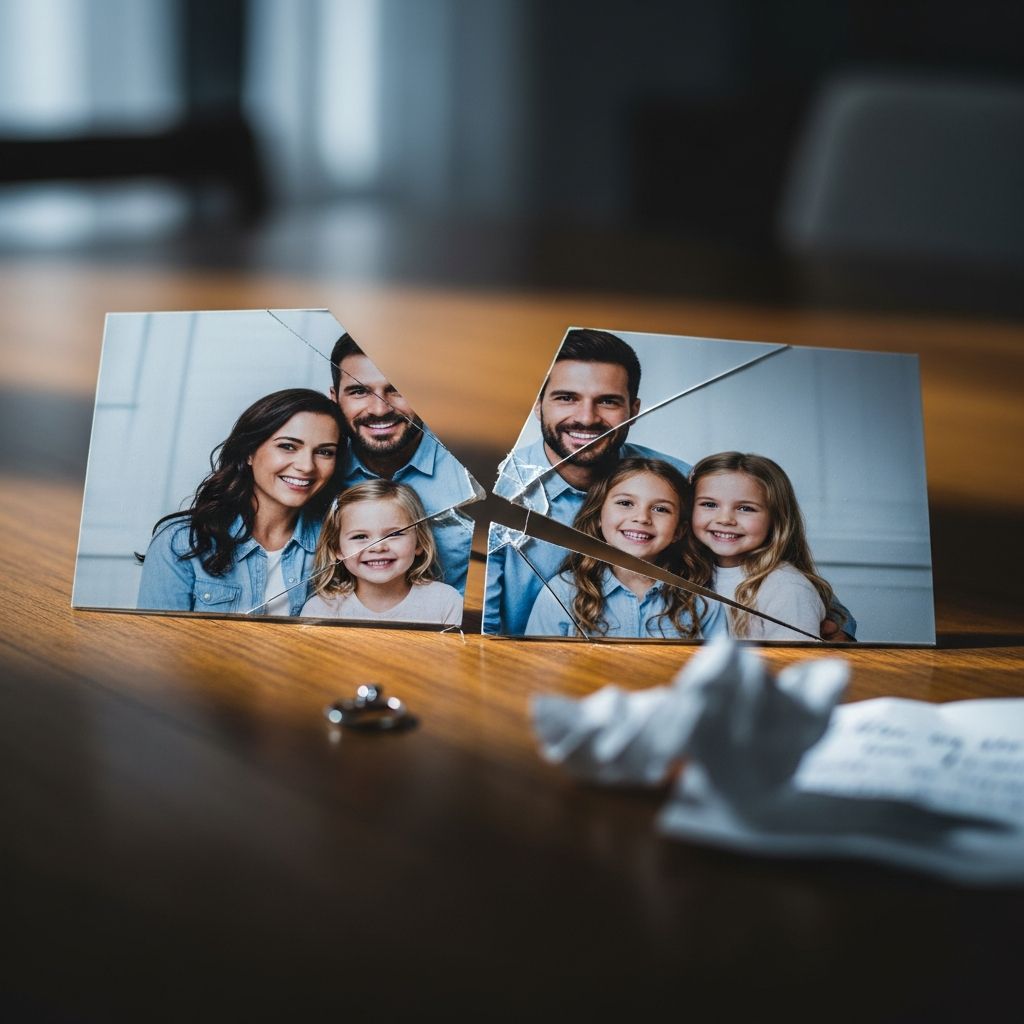
Infidelity inside a marriage is painful enough, but when children are involved, the impact spreads through every corner of the family. Research shows that affairs can shatter trust, increase depression and anxiety, and even change the way kids approach relationships as adults. Yet behind these clinical descriptions are real people trying to work, parent, and sleep at night while their lives are blowing apart.
This article uses the idea of a parent’s affair being exposed as a lens to explore what happens next: to the cheating partner, the betrayed spouse, and the children watching everything unfold. It is inspired by one man’s personal account of cheating on his wife and the complicated fallout when she learned the truth, but it expands far beyond a single story to look at patterns that many families experience.
How Affairs Start: Not Always the Stereotype
Affairs rarely begin with someone waking up and deciding, “I’m going to destroy my family today.” They usually grow slowly in the cracks of an already stressed relationship.
Common contributors include:
- Emotional distance at home — long-standing unresolved conflict, resentment, or feeling unseen.
- Life transitions — becoming new parents, career crises, illness, or grief that destabilize usual routines.
- Opportunity and secrecy — a coworker, an old friend online, after-hours work, and shared complaints about partners.
- Unmet needs and poor boundaries — seeking validation, excitement, or comfort instead of naming needs in the marriage.
- Personal vulnerabilities — low self-esteem, substance use, or untreated mental health issues.
None of these “cause” cheating in a moral sense; they simply create a context where risky choices feel easier, especially when someone is already rationalizing their behavior.
The Moment of Discovery: Emotional Earthquake
Whether the affair is discovered through a text message, a credit card receipt, a confession, or a child stumbling onto something they do not understand, the moment of exposure is an emotional earthquake for the family.
| Person | Common Immediate Reactions |
|---|---|
| Betrayed spouse | Shock, intense anger, disbelief, intrusive images, physical symptoms like nausea or insomnia. |
| Cheating partner | Shame, fear of losing family, defensiveness, panic, or a rush of relief if secrecy felt unbearable. |
| Children | Confusion, anxiety, loyalty conflicts, fear about divorce, and often a sudden loss of trust. |
Mental health research often compares the discovery of infidelity to a traumatic event: it disrupts a person’s sense of safety, identity, and the predictability of everyday life.
Inside the Betrayed Spouse’s World
The partner who has been cheated on is not just upset; they are usually in crisis. Trust, which anchors a long-term relationship, is suddenly gone. Studies show that betrayed partners commonly experience:
- Intense emotional pain — deep betrayal, rage, sadness, and humiliation.
- Obsessive thinking — replaying conversations, imagining details, constantly scanning for more lies.
- Physical and mental health symptoms — insomnia, appetite changes, anxiety, depression, and in some cases post-traumatic stress symptoms.
- Self-esteem collapse — questioning their worth, attractiveness, and whether they “drove” their partner to cheat.
- Social fallout — shame about others finding out, stress navigating in-laws, and isolation from friends who take sides.
Daily life becomes a balancing act: trying to show up for work, parenting, and practical decisions while simultaneously living with a storm of raw emotion.
Inside the Cheating Partner’s Mind
Popular culture often flattens the cheating spouse into a villain, but internally their experience is rarely simple. Once exposed, many report a complicated mix of:
- Overwhelming guilt and shame — a painful recognition of the harm done to their spouse and children.
- Fear of consequences — divorce, financial loss, damaged reputation, or losing daily contact with their kids.
- Grief for both relationships — the affair and the marriage can both carry strong emotional ties.
- Defensiveness and minimization — attempts to justify, blame stress, or highlight marital problems instead of owning choices.
- Urgency to “fix it fast” — a wish to move on before their partner has had time to process the trauma.
Personal accounts often reveal how the cheating partner underestimates the fallout on their kids and overestimates their ability to control the story once it breaks open.
When Children Learn a Parent Has Cheated
Children may find out directly (overhearing an argument, seeing a message, being told by a parent) or indirectly (changes in routines, one parent moving out, whispered phone calls). Research suggests that having a parent who has had an affair can shape the way children understand trust, commitment, and intimacy in their own future relationships.
Common child reactions include:
- Taking sides — aligning strongly with the betrayed parent and withdrawing from the cheating parent.
- Confusion and anxiety — worries about divorce, moving, or losing daily contact with one parent.
- Loyalty conflicts — feeling guilty for loving the parent who cheated.
- Behavior changes — acting out, becoming quiet and perfectionistic, academic shifts, or sleep problems.
- Long-term trust issues — difficulty trusting partners later, or fearful expectations that relationships will end in betrayal.
How parents handle the aftermath — what they say, how much conflict children witness, and whether kids are pulled into adult disputes — strongly affects the long-term damage.
How Infidelity Reshapes Daily Family Life
Beyond private emotions, an exposed affair quickly alters the household’s routines and structure.
- Schedules and living arrangements may change: one parent sleeping in another room, leaving temporarily, or separating.
- Money can become strained: therapy costs, legal consultations, or supporting two households.
- Communication patterns shift: tense silence, explosive arguments, or constant “processing” of the affair.
- Parenting cooperation often declines: disagreements about what to tell the kids, discipline, or involvement of extended family.
- Family events and holidays become emotionally charged, with awkwardness about who attends and how to present a united front.
For children, these shifts can feel like the ground is always moving under their feet. A previously stable home can suddenly be unpredictable and emotionally volatile.
Psychological Consequences: Short- and Long-Term
Decades of research on infidelity show that it can damage not only the relationship itself but also the mental health of every person involved.
For Adults
- Depression and anxiety — elevated rates in both betrayed and unfaithful partners, sometimes lasting years if unaddressed.
- Post-traumatic stress symptoms — intrusive memories, hypervigilance, and emotional numbing, especially in betrayed spouses.
- Chronic mistrust — difficulty trusting again even in new relationships, fear that partners will be unfaithful.
- Physical health impacts — stress-related problems such as insomnia, headaches, and, where sexual risk is involved, increased risk of sexually transmitted infections.
For Children
- Increased anxiety and insecurity about family stability and attachment.
- Academic and social impacts when stress makes it harder to focus or trust peers.
- Relationship models that normalize affairs or, conversely, drive rigid avoidance of intimacy.
- Generational patterns — some studies suggest that children who witness infidelity are more likely to report it in their own adult relationships, though this is not inevitable.
To Stay or To Leave: The Crossroads
After the initial shock, couples often face a brutal question: Do we try to rebuild, or is this the end of the marriage?
Factors that shape this decision include:
- Whether the affair has truly ended and if the cheating partner is willing to adopt full transparency.
- History of the relationship — chronic patterns of dishonesty versus an isolated betrayal.
- Level of violence or abuse — if present, safety takes priority.
- Impact on children — staying “for the kids” can backfire if the home remains hostile and unstable.
- Personal values and practical realities — religious beliefs, finances, immigration status, or health concerns.
Research makes one point clear: whether couples stay together or separate, ignoring the psychological impact of infidelity usually prolongs the damage.
Rebuilding After an Affair: What Helps
For couples who decide to attempt repair, there is no shortcut. But certain steps consistently show up in therapeutic approaches and research as helpful.
1. Ending the Affair Completely
Recovery cannot begin while the outside relationship continues, even in “just friends” form. That typically means:
- No contact with affair partner, barring complex situations like coworkers where strict boundaries are necessary.
- Willingness to show proof of no-contact when requested (within mutually agreed limits).
2. Radical Honesty and Accountability
The unfaithful partner’s role includes:
- Taking full responsibility without blaming the betrayed spouse for the affair.
- Answering questions within agreed boundaries, knowing that excessive detail can be re-traumatizing.
- Accepting that trust may take years to rebuild, not demanding quick forgiveness.
3. Space for the Betrayed Partner’s Emotions
Healing requires that the hurt partner can express rage, grief, and fear without being shamed or rushed.
- Expect emotional “triggers” on holidays, anniversaries, and random days.
- Therapy can help structure these conversations so they do not consume every moment at home.
4. Couple and Individual Therapy
Mental health professionals trained in trauma and couples work can provide tools that families rarely have on their own.
- Individual therapy gives each partner a place to process shame, anger, and fear without burdening the other.
- Couples therapy addresses the affair itself and the underlying patterns that made the relationship vulnerable.
- Family or child therapy offers children a safe space to speak honestly about their worries.
5. Rebuilding Daily Trust
Trust does not return because of one apology; it is rebuilt by hundreds of small consistent actions over time.
- Keeping promises, even small ones.
- Predictable routines that make the family feel safer.
- Shared rituals (meals, check-ins, play) that remind everyone that the family still exists.
Protecting Children Emotionally
Parents cannot shield kids from all the pain of an affair, but they can prevent additional harm.
- Offer age-appropriate truth — acknowledge that there is serious grown-up conflict without oversharing details or demonizing the other parent.
- Avoid using children as messengers or spies — do not ask them to report on the other parent’s dating or living arrangements.
- Reassure them about attachment — repeat that both parents will continue loving them and caring for them, even if living arrangements change.
- Watch for behavior changes and consider child therapy if anxiety, aggression, or withdrawal persist.
- Support their relationship with both parents unless safety is an issue; kids benefit from being allowed to love both.
What If the Marriage Ends?
Many relationships do not survive infidelity. Ending a marriage after an affair adds layers of grief, but it can also eventually lead to healthier dynamics if handled thoughtfully.
Key considerations include:
- Structured co-parenting — clear agreements about schedules, communication, and decision-making reduce conflict around children.
- Boundaries around new partners — timing and manner of introducing a new partner to children greatly affects their adjustment.
- Processing the story — both adults will carry this experience into future relationships; therapy can help break cycles of avoidance or repetition.
For the cheating partner in particular, facing and understanding the choices that led to the affair is crucial to avoid repeating them in the next relationship.
Frequently Asked Questions (FAQs)
Should we tell our children that a parent cheated?
Younger children usually do not need explicit details. What they do need is honesty about big changes (“We are arguing a lot and trying to figure things out”), reassurance of love from both parents, and freedom from adult secrets and blame. For older children and teens who already know or suspect, careful, age-appropriate truth is often better than obvious concealment.
Can a marriage really recover from an affair?
Many marriages end after infidelity, but some do rebuild and even report stronger communication and boundaries than before. Recovery depends on ending the affair, sincere accountability from the unfaithful partner, willingness of the betrayed spouse to engage in healing work, and often professional support.
How long does it take to stop feeling this bad?
There is no single timeline, but research and clinical experience suggest that the most intense phase commonly lasts months to a few years, not weeks. Triggers may appear for much longer, especially around anniversaries or new relationship milestones, but their intensity usually decreases with time and support.
If I stay, does that mean I am weak?
Staying to work on a relationship after betrayal is not a sign of weakness any more than leaving is a sign of strength. Both choices can be courageous. What matters is safety, respect, and whether the relationship being rebuilt is genuinely healthier for everyone involved, especially children.
I was the one who cheated. What is the most important thing I can do now?
End the affair completely, take full responsibility without excuses, and commit to long-term transparency and consistency. Expect that your partner and children may not trust you for a long time, and focus on being reliable every day rather than demanding rapid forgiveness.
References
- The Devastating Impact of Infidelity on Marriage — Access Now Primary Care. 2021-07-15. https://www.accessnowprimarycare.com/post/the-devastating-impact-of-infidelity-on-marriage
- Causes of Infidelity & Consequences in RI — Slepkow Law. 2019-05-10. https://www.slepkowlaw.com/causes-of-infidelity-and-its-consequences-in-ri
- 5 Negative Effects Adultery Has on a Family — MyWellbeing. 2021-03-22. https://mywellbeing.com/therapy-101/5-negative-effects-adultery-has-on-a-family
- Love and Infidelity: Causes and Consequences — Psychological Reports (via PubMed Central). 2023-02-21. https://pmc.ncbi.nlm.nih.gov/articles/PMC10002055/
- Long-Term Psychological Effects of Infidelity: What the Research Says — PsychCentral. 2022-08-09. https://psychcentral.com/health/long-term-psychological-effects-of-infidelity
- Understanding How Cheating in a Relationship Impacts Mental Health — BetterHelp. 2023-04-18. https://www.betterhelp.com/advice/relations/understanding-the-psychological-impacts-of-cheating-in-a-relationship-/
- 7 Long-Term Psychological Effects of Infidelity & How to Cope — Marriage.com. 2023-01-12. https://www.marriage.com/advice/infidelity/long-term-psychological-effects-of-infidelity/