Every once in a while, a kids’ TV show does more than entertain; it cracks open a window into real life, real sacrifice, and real civic leaders. An iCarly episode in which the characters meet the First Lady is a powerful example of how a sitcom can spark meaningful conversations about military families, service, and how our children see the people who lead the country.
This article does not retell that episode beat by beat. Instead, it uses the general idea—teens hosting a web show, a deployed parent, and a surprise visit from the First Lady—as a jumping-off point for an original, practical guide for modern parents.
Kids’ TV As A Bridge To Real-World Issues
Children often meet big ideas—war, politics, sacrifice, leadership—not through textbooks, but through the shows they love. When a familiar character’s parent serves in the military, or a real political figure appears in a fictional world, it can make distant topics feel suddenly personal and understandable.
Rather than shielding kids from those storylines, parents can treat them as conversation starters. When humor and heart are paired with emotional stakes, children are more prepared to ask questions and to listen to honest answers.
- Kids’ shows create emotional safety: laughter softens hard topics.
- Characters act as stand-ins for children’s own fears, questions, and hopes.
- Real figures (like a First Lady) appearing in fiction signal that civic life is part of everyday life, not something separate and off-limits to young people.
The Invisible Weight: What Military Kids Carry
One of the most moving elements of the iCarly storyline that inspired this article is the emotional reality of having a parent far from home. Even in a lighthearted series, the disappointment of a missed birthday or canceled visit lands hard, especially for kids whose families do not have military ties.
For children with a deployed parent, this is not a plot device—it is their everyday life. The mix of pride, worry, and loneliness is complex, and television can finally make that visible to their peers.
Common Feelings Military Kids May Recognize
- Conflicting emotions: Being proud of a parent’s service while also feeling hurt or angry when they miss milestones.
- Hyper-responsibility: Taking on more chores or emotional care of siblings because the deployed parent is gone.
- Fear mixed with normalcy: Going to school and laughing with friends while quietly worrying about a parent’s safety.
- Guilt: Feeling bad for complaining because “others have it worse” or because they believe they should always be proud.
How Non-Military Kids Benefit From These Stories
Children whose families are not connected to the military can gain empathy when they see a favorite character dealing with a parent’s deployment. What once seemed abstract becomes real, and that can shape how they treat classmates who have a parent serving.
- They see that military life is not just uniforms and ceremonies; it includes missed birthdays and video calls at odd hours.
- They learn to ask kinder questions and to avoid thoughtless remarks about war, politics, or “choosing” to serve.
- They discover that resilience can look like silliness, creativity, and friendship—not just stoic bravery.
From White House To Living Room: Why Featuring A First Lady Matters
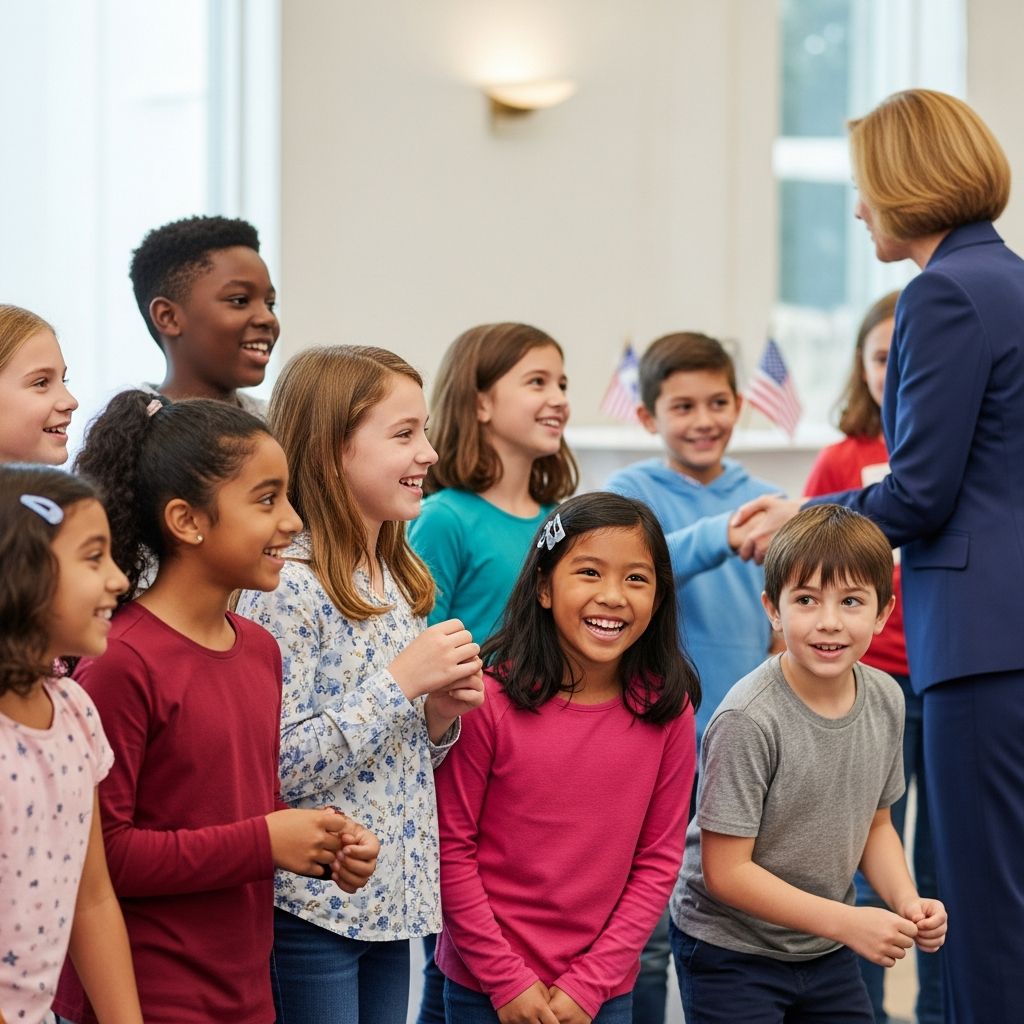
When a First Lady appears on a children’s show, it sends several subtle but important messages: leaders are human, they care about families, and they are reachable through the issues kids already understand—like missing a parent or valuing education.
Regardless of political party, many First Ladies have used pop culture to highlight causes such as supporting military families, encouraging healthy lifestyles, or promoting education. A cameo on a youth-focused show can imprint those priorities more effectively than a formal speech that children will never watch.
| On-Screen Element | Hidden Lesson For Kids |
|---|---|
| The First Lady chats casually with teens | “Important” adults can listen to kids and respect their feelings. |
| The conversation centers on a deployed parent | Military children’s experiences are worthy of attention at the highest levels. |
| Humor and games mix with serious topics | Talking about service and sacrifice does not have to be solemn or scary; it can be hopeful. |
| The First Lady thanks the family for their service | Family members serve too, not just the person in uniform. |
Turning Screen Time Into Connection Time
Parents often default to policing screen limits instead of using what their kids watch as openings for conversation. An emotionally rich episode like this is an invitation to pause, sit down, and talk—not just about the show, but about your family’s values and your child’s questions.
Instead of a quick “That was nice,” treat the closing credits as a cue to connect. You do not need to deliver a lecture on foreign policy; you just need to be curious and present.
Conversation Starters You Can Use Tonight
- “How do you think it feels to have a parent who’s far away for their job?”
- “Have you ever felt disappointed when a grown-up had to miss something important?”
- “What did you notice about how the friends tried to help? Did any of their choices worry you?”
- “If you could ask the First Lady one question about her job, what would it be?”
- “Does seeing someone from the White House on a kids’ show change how you think about leaders?”
Respecting Rules Without Crushing Creativity
In the iCarly episode that inspires this article, the teens bend a serious rule in an attempt to connect with a deployed parent. That tension—between good intentions and poor choices—is one that many tweens and teens understand instinctively.
Parents can use this type of story to explore boundaries: when is it okay to question rules, and when are certain lines (especially around safety, privacy, or security) non-negotiable?
Guiding Questions About Rules And Risks
- “What were the characters trying to do? Did their goal make sense, even if their method did not?”
- “What information do kids sometimes not have about technology or security that adults do have?”
- “Can you think of a safer way the characters could have tried to reach the same goal?”
- “Have you ever made a risky choice for a good reason? What did you learn?”
These conversations help kids separate intent from impact. They learn that adults can understand their motives while still holding firm boundaries about digital safety and respect for institutions.
Celebrating The Often-Forgotten Heroes: Siblings And Caregivers
When one parent is deployed (or works far from home), siblings and at-home caregivers become the everyday heroes who keep life moving: doing laundry, remembering school forms, cheering at games, and improvising replacement birthday plans when travel orders change.
Shows that highlight an older sibling taking on extra responsibility or a quirky caregiver keeping spirits up can affirm what many kids already do at home. It also offers peers insight into why a friend might seem more stressed, more serious, or more flaky than usual.
- Recognize that “the funny one” might also be the one hiding the most pressure.
- Encourage your child to think: “How could I help a friend whose parent is away?”
- Use examples from the show to brainstorm small supportive actions: saving a seat at lunch, including them in group chats, or remembering important dates.
Using Humor To Hold Heavy Feelings
One reason the iCarly universe resonates is that it never abandons humor, even when the stakes rise. For children, laughter is not a sign that they have moved on from sadness; it is often the tool that lets them carry it.
Parents sometimes worry that joking about hard topics signals disrespect. In reality, gentle humor—especially shared humor—often indicates that a child feels safe enough to bring their worries into the open.
Practical Ways To Blend Laughter And Empathy
- Let your child make silly predictions about what might happen if a world leader walked into your living room.
- Invent an over-the-top “welcome home” ceremony with them, even if your family is not a military family.
- Encourage them to write or draw a playful “guest appearance” of their favorite real-world figure on their favorite show.
- Model that you can giggle together and then switch gears to ask, “And how would that really feel for you?”
Media Literacy For Tweens: What’s Scripted, What’s Real?
When a real First Lady pops up in a fictional show, the line between reality and storytelling gets fuzzier, especially for younger viewers. That blur can be used to teach basic media literacy skills that will serve kids for years.
Instead of merely saying, “That’s not how it works in real life,” you can help children notice how TV condenses complexity into 23-minute arcs—and why that matters when they encounter news clips or political ads online.
| Question | Why It Helps |
|---|---|
| “Which parts of this story feel realistic to you, and which seem exaggerated for comedy?” | Encourages critical thinking about tone and intention. |
| “How do you think security and rules would actually work if a real teen show tried this?” | Prompts kids to distinguish between plot convenience and real-world procedures. |
| “What do you think the writers wanted you to feel about military families and leaders?” | Introduces the idea that stories are crafted with specific messages. |
| “If you wrote an episode about this topic, what would you change?” | Shifts kids from passive consumers to imaginative creators. |
Simple Ways To Honor Military Families In Everyday Life
Not every family will meet a First Lady, but every family can show appreciation for the sacrifices that military children and their caregivers make. You do not need a special event; you need awareness and follow-through.
Use episodes like the one that inspired this article as a springboard into small, concrete acts of gratitude that kids can help lead.
- Make cards as a family for a local organization that supports active-duty members or veterans.
- Encourage your child to invite a classmate with a deployed parent to join weekend activities or holiday celebrations.
- Attend community events that recognize military families and let your child hear their stories firsthand.
- Talk openly about how service affects the entire family, not just the person wearing the uniform.
Frequently Asked Questions (FAQs)
Is it okay for younger kids to watch episodes that involve war, deployment, or politics?
Often, yes—if the show handles those themes with age-appropriate humor and heart, and if a trusted adult is available to answer questions. Rather than avoiding every mention of difficult topics, aim to curate content that presents them gently and then stay nearby to talk afterward.
How can I tell if my child is overwhelmed by an episode like this?
Watch for signs such as sudden withdrawal, clinginess, trouble sleeping, unusually intense questions about safety, or repeated play-acting of separation scenes. If you notice these reactions, slow down, offer reassurance, and give your child extra chances to talk or draw about what they saw.
What if I disagree politically with the real-life figure who appears on a show?
You can use the episode to model respectful disagreement by focusing on shared values: caring for families, supporting children, or honoring service, rather than on party labels. If you offer context about your views, keep it simple and avoid turning the conversation into a rant that makes your child anxious or confused.
My child has a deployed parent. Should we watch storylines like this together or avoid them?
The answer depends on your child’s temperament and current emotional state. Some kids find it validating to see their experience reflected on screen, while others feel it hits too close to home. Ask your child gently beforehand, offer the option to stop mid-episode, and plan a comforting activity afterward just in case it stirs up big feelings.
How can non-military families support classmates who have deployed parents?
Lead by example: remember important dates, make practical offers of help, and encourage your child to be both consistent and flexible as a friend. Simple gestures—like checking in, including them in plans, or being patient when they are distracted—can mean more than any big speech or one-time event.
Bringing It All Together At Home
A sitcom about teens running a web show and accidentally crossing paths with the First Lady may sound light and silly, but beneath the jokes lies a deep well of parenting opportunities. Through stories like these, kids can explore what it means to serve, to wait, to miss someone, and to be noticed by people in power.
You do not need to turn every episode into a lesson plan. Simply paying attention, asking a few thoughtful questions, and naming the courage of military families can turn ordinary screen time into something that shapes your child’s empathy and sense of citizenship for years to come.