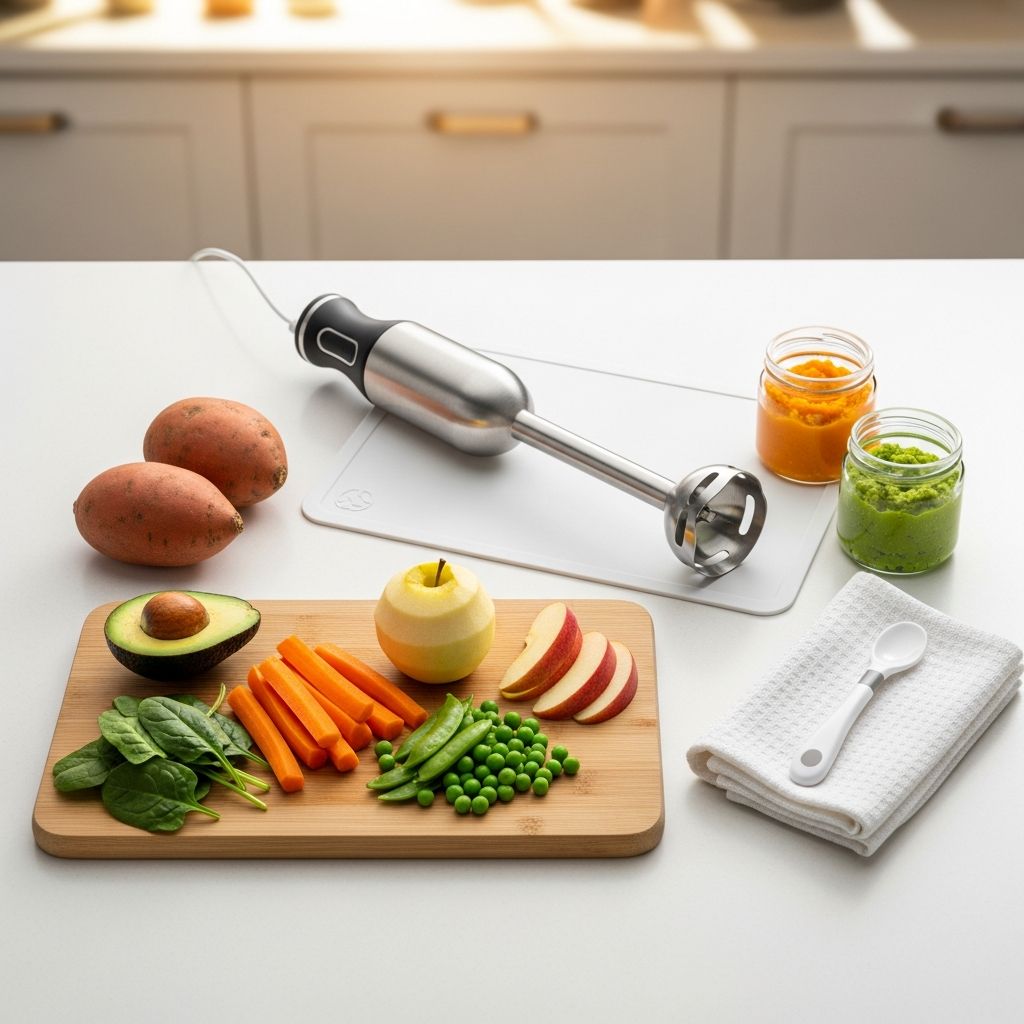
Preparing homemade baby food offers parents control over ingredients, ensuring fresh, nutrient-packed meals free from unnecessary additives. This approach supports optimal growth while being cost-effective and customizable to your baby’s tastes. With the right strategies, the process becomes quick and manageable, even for novice cooks.
Why Choose Homemade Over Store-Bought?
Homemade baby food preserves vital vitamins and minerals better than many commercial options, as fresh produce retains more nutrients when cooked at home. Parents can introduce diverse flavors early, fostering adventurous eating habits. Economically, it cuts costs by up to 50% compared to jars, using everyday family groceries. Safety is enhanced by avoiding added sugars, salts, or preservatives common in packaged foods.
Health organizations recommend starting solids around six months with iron-rich foods like pureed meats, legumes, or fortified cereals to meet developmental needs. This method also reduces waste, as you cook only what your baby needs.
Strategy 1: Assemble Your Essential Kitchen Toolkit
Success begins with the right tools, keeping prep simple and efficient. No need for expensive gadgets; focus on versatile basics.
- Blender or Food Processor: Creates smooth purees from fruits, veggies, or meats. A high-quality model handles at least one cup of ingredients with liquid for even blending.
- Immersion Blender: Ideal for small batches directly in pots, minimizing cleanup.
- Steamer Basket or Microwave-Safe Dishes: Gently cooks produce to retain nutrients without boiling away vitamins.
- Vegetable Peeler, Sharp Knife, and Cutting Board: Preps fresh items quickly and safely.
- Ice Cube Trays and Freezer Bags: Portions food for grab-and-go feeding, freezing up to three months.
These items, often already in your kitchen, streamline the process. For example, an immersion blender purees steamed carrots in seconds, ready for immediate serving or storage.
Strategy 2: Master Nutrient-Preserving Cooking Techniques
Cooking methods matter for flavor and nutrition. Steaming tops the list as it keeps most vitamins intact while softening textures for easy mashing.
| Method | Best For | Nutrient Retention | Flavor Profile |
|---|---|---|---|
| Steaming | Veggies like carrots, broccoli | High (minimal water loss) | Mild, natural |
| Roasting | Sweet potatoes, fruits | Medium-High | Sweet, caramelized |
| Boiling/Microwaving | Quick purees (e.g., apples) | Medium (use cooking liquid) | Neutral |
| Mashing | Soft fruits like bananas, avocados | Very High (no cooking) | Fresh |
Always wash produce thoroughly, peel where needed, and trim fats from meats. For meats, finely chop or puree after cooking to ensure safety. Add breast milk, formula, or cooking liquid for desired consistency—lumps encourage chewing skills.
Strategy 3: Batch Cook for Week-Long Efficiency
Time-strapped parents thrive on bulk prep. Dedicate one session weekly to cook, puree, and freeze multiple meals. Start with iron-rich bases: cooked beef, lentils, or tofu paired with veggies.
Sample Batch Plan (Yields 40 Portions):
- Steam 2 lbs carrots, 2 sweet potatoes, 1 lb peas.
- Roast 4 apples, 2 pears.
- Puree meats like chicken or turkey separately.
- Mix combos: carrot-apple, sweet potato-pea.
Portion into ice cube trays (1-2 oz per cube), freeze, then transfer to bags labeled by date. Thaw overnight in the fridge or warm gently—never microwave directly to avoid hot spots. This yields diverse meals from 13 simple ingredients, creating 20+ recipes like pea-mint puree or apple-beet blend.
Strategy 4: Craft Simple, Nutrient-Dense Recipes
Recipes should be straightforward, using seasonal produce for freshness. Begin with single-ingredient purees, advancing to combinations.
Beginner Purees (6+ Months)
- Carrot Bliss: Steam 4 carrots until tender (10 mins), blend with cooking water. Rich in vitamin A.
- Sweet Potato Mash: Roast halved potatoes at 400°F for 40 mins, scoop and puree. Naturally sweet and filling.
- Banana Whirl: Mash ripe banana with breast milk—no cooking needed.
Combo Delights (8+ Months)
- Chicken-Veggie Medley: Poach chicken, steam green beans, blend together for protein boost.
- Pear-Squash Fusion: Roast butternut squash and pears; puree for fiber and sweetness.
- Beef-Lentil Power: Simmer lentils with ground beef, mash finely. Iron powerhouse.
These draw from everyday items, expandable to 20 variations with additions like spinach or blueberries. Always introduce one new food every 3-5 days to monitor allergies.
Strategy 5: Prioritize Safe Storage and Thawing
Proper storage extends freshness and safety. Refrigerate purees up to 48 hours in airtight containers; freeze for 3 months max.
- Use glass jars or silicone trays for no-stain storage.
- Label with contents and date.
- Thaw in fridge overnight; warm in hot water bath, stirring to even temperature.
- Discard leftovers after one hour at room temp.
Avoid refreezing thawed food. For on-the-go, pre-portion into portable pouches. This system minimizes daily effort, freeing time for bonding.
Common Challenges and Solutions
Challenge: Baby Rejects Textures. Gradually thicken purees with oats or rice cereal.
Challenge: Time Constraints. Prep during family meal cooks—mash extras for baby.
Challenge: Nutrition Balance. Prioritize iron sources; consult pediatricians for supplements if needed.
Frequently Asked Questions (FAQs)
What age to start homemade solids?
Around 6 months, with smooth purees transitioning to mashes by 8-10 months.
Can I use frozen produce?
Yes, it’s nutrient-equivalent and convenient for batching.
How to know if food is spoiled?
Check for off smells, mold, or separation; discard if unsure.
Best first foods?
Iron-fortified cereals, pureed meats, or veggies like squash.
Is roasting healthier than steaming?
Both preserve nutrients well; roasting adds flavor variety.
These strategies transform baby food prep from chore to joy, equipping parents with tools for lifelong healthy eating habits.
References
- DIY Baby Food? Baby, It’s Easier than You Think — Providence Blog. 2023-05-15. https://blog.providence.org/healthcalling/diy-baby-food-baby-its-easier-than-you-think
- How To Create Simple Homemade Baby Food — KeaBabies. 2024-02-10. https://keababies.com/blogs/keamommies-blog/how-to-create-simple-homemade-baby-food
- Homemade baby food: in pictures — Raising Children Network (Australian Government-funded). 2025-01-20. https://raisingchildren.net.au/babies/breastfeeding-bottle-feeding-solids/solids-drinks/homemade-baby-food
- Homemade Baby Food Ideas: From Easy to Hard — Serenity Kids. 2024-08-05. https://myserenitykids.com/blogs/news/homemade-baby-food
- 20 Easy Homemade Baby Food Recipes — Healthy Mama Kris. 2023-11-12. https://healthymamakris.com/20-easy-homemade-baby-food-recipes-d42/
- Making Your Own Baby Food — WIC Works (USDA). 2024-03-01. https://wicworks.fns.usda.gov/resources/making-your-own-baby-food
- Quick Baby Food Recipes for a Happy, Healthy Child — First 5 California. 2024-06-18. https://www.first5california.com/en-us/articles/quick-baby-food-recipes-for-a-happy-healthy-child/