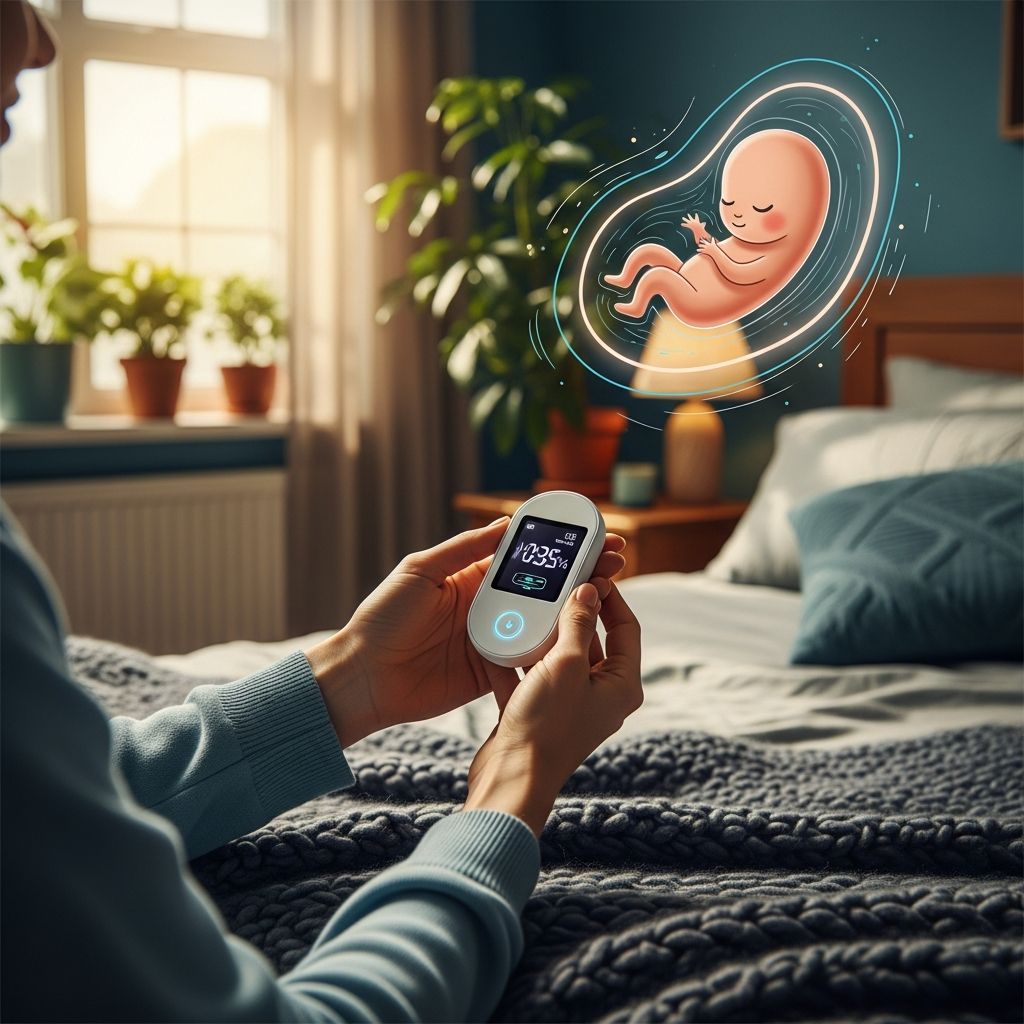
Understanding the Role of Ovulation Monitoring in Modern IVF Treatment
Fertility treatments have evolved significantly over the past few decades, with assisted reproductive technologies becoming more accessible and effective. One critical component of successful in vitro fertilization (IVF) is precise timing of embryo transfer, which depends on accurate ovulation monitoring. Traditionally, this monitoring required repeated hospital visits for ultrasound imaging and clinical assessments. However, advances in home-based monitoring technologies have introduced a more convenient alternative that delivers comparable results while offering substantial benefits to patients and healthcare systems alike.
The shift toward home-based ovulation monitoring represents a meaningful change in how fertility clinics approach natural cycle frozen embryo transfer (NC-FET). Rather than relying solely on clinic-based ultrasound examinations and hormone triggers administered by medical professionals, women can now monitor their natural ovulation cycles from the comfort of their homes using validated testing methods. This transition has been supported by rigorous clinical research demonstrating that home monitoring achieves pregnancy outcomes equivalent to traditional hospital-based approaches.
The Foundation of Ovulation Monitoring: How It Works
Ovulation monitoring serves as the cornerstone of timed embryo transfer in IVF cycles. The process involves tracking hormonal changes and physical indicators that signal the body is preparing to release an egg. Understanding these biological processes is essential for optimizing the timing of embryo placement, which directly influences implantation success rates.
The primary hormone involved in ovulation is luteinizing hormone (LH), which surges approximately 24 to 36 hours before ovulation occurs. This LH surge triggers the final maturation and release of the egg from the ovary. By detecting this surge, clinicians and patients can pinpoint the optimal window for embryo transfer, ensuring the uterine environment is maximally receptive to implantation.
Home-based monitoring typically relies on urinary LH tests, which measure hormone metabolites in urine samples. These tests are simple to perform, requiring minimal training, and provide rapid results that can be acted upon immediately. The tests work by detecting elevated LH levels that indicate ovulation is imminent, allowing women to communicate with their fertility clinic to schedule the embryo transfer procedure at the precise moment when conditions are most favorable.
Traditional Hospital-Based Monitoring: Strengths and Limitations
For decades, hospital-based monitoring with repeated ultrasound visits was the standard approach for timing embryo transfer. This method involves multiple transvaginal ultrasound examinations to visualize follicle development and measure the thickness of the uterine lining. While ultrasound provides detailed visual information about reproductive anatomy, it requires frequent clinic appointments, typically every one to two days during the monitoring phase.
The hospital-based approach includes several inherent limitations. Patients must coordinate schedules around clinic availability, often requiring time off work and arranging transportation. Each visit involves exposure to the healthcare facility environment and potential for appointment delays. Additionally, hospital-based monitoring typically involves administration of human chorionic gonadotropin (hCG) to artificially trigger ovulation, introducing exogenous hormones into the cycle and increasing the medication burden on the patient.
Despite these challenges, hospital-based monitoring has long been valued for its precision and the clinical expertise involved in interpreting ultrasound findings. However, emerging evidence suggests that this level of clinical supervision may not be necessary for all patients, particularly those with regular menstrual cycles who are good candidates for natural cycle transfers.
The Evidence Supporting Home-Based Ovulation Monitoring
A landmark international study provides compelling evidence for the effectiveness of home-based ovulation monitoring in IVF practice. The Antarctica-2 trial, conducted across 23 hospitals in the Netherlands and involving 1,464 women, directly compared home-based monitoring using urinary LH tests with traditional hospital-based ultrasound monitoring for frozen embryo transfer in natural cycles. Participants were randomly assigned to either home monitoring (732 women) or hospital monitoring (732 women), creating a robust comparison of outcomes.
The study’s findings were unequivocal: home monitoring proved equally effective as hospital monitoring for achieving pregnancies and live births. Both groups demonstrated comparable pregnancy rates, with no clinically significant differences between the approaches. This research provides the highest level of evidence—a randomized controlled trial—demonstrating that the simpler, less invasive home-based approach achieves results equivalent to the more complex hospital-based system.
Beyond pregnancy rates, the research demonstrated additional benefits of home-based monitoring. Women utilizing home monitoring reported higher levels of satisfaction with their treatment experience, including increased feelings of empowerment, autonomy, and discretion regarding their medical care. Partners reported greater participation in the monitoring process when couples could manage testing at home, fostering improved communication and shared responsibility for the treatment journey.
Expanding Applications: Home Monitoring Beyond Frozen Embryo Transfer
While the Antarctica-2 study focused specifically on frozen embryo transfer cycles, research indicates that home-based monitoring may benefit patients undergoing fresh IVF cycles as well. Preliminary evidence suggests that women who monitor follicle development at home during fresh IVF cycles report improved patient-centered outcomes. These positive experiences include enhanced satisfaction, greater feelings of control over the treatment process, and improved quality of life during the stimulation phase.
The success of home monitoring in these contexts reflects a broader paradigm shift in reproductive medicine toward patient-centered care. By reducing the clinical burden and enabling women to take active roles in their treatment monitoring, fertility clinics create more supportive and empowering treatment experiences. This approach aligns with contemporary values in healthcare that emphasize patient autonomy and shared decision-making.
Economic and Environmental Advantages of Home-Based Monitoring
Beyond clinical effectiveness, home-based ovulation monitoring delivers substantial economic benefits. The reduction in required clinic visits directly lowers direct healthcare costs associated with repeated ultrasound examinations and clinical staff time. Equally important are the indirect cost savings realized by patients, including eliminated transportation expenses, reduced time away from employment, and decreased childcare arrangements needed for clinic visits.
These financial considerations carry particular significance for patients navigating the already substantial financial burden of fertility treatment. IVF cycles represent considerable out-of-pocket expenses for many couples, and any opportunity to reduce ancillary costs while maintaining clinical effectiveness represents meaningful value. The cost savings extend to healthcare systems as well, allowing fertility clinics to allocate resources more efficiently and increase their capacity to serve more patients.
Environmental sustainability represents an additional advantage often overlooked in discussions of home monitoring. Each reduction in patient transportation to clinical facilities decreases carbon emissions and environmental impact. When multiplied across thousands of patient cycles annually, the collective environmental benefit becomes substantial. As healthcare systems increasingly prioritize sustainability and climate responsibility, home-based approaches offer practical methods to reduce the environmental footprint of medical care.
Comparing Monitoring Methods: A Practical Overview
| Monitoring Method | Primary Technology | Convenience Level | Cost Considerations | Clinical Precision |
|---|---|---|---|---|
| Home Urinary LH Tests | Hormone metabolite detection | High—performed at home | Lower overall cost | Very good for natural cycles |
| Hospital Ultrasound Monitoring | Transvaginal imaging | Requires clinic visits | Higher direct costs | Excellent visual assessment |
| Combined Approach | Home tests plus selective ultrasound | Moderate convenience | Intermediate costs | Enhanced precision when needed |
The Mechanism Behind Home Ovulation Test Effectiveness
Home ovulation tests function by detecting specific hormonal markers in urine that signify the approach of ovulation. The luteinizing hormone surge represents the most reliable indicator of imminent egg release, making LH detection the cornerstone of home-based monitoring. When LH levels exceed a threshold concentration, the test displays a positive result, indicating that ovulation will occur within approximately 24 to 36 hours.
Modern home ovulation tests have evolved to become increasingly sensitive and specific, with many incorporating digital displays that clearly communicate results and reduce interpretation errors. Some tests connect to smartphone applications that track results over time, providing additional context and pattern recognition. This technological integration enhances user experience while creating digital records that patients can share with their fertility clinics if needed.
The reliability of home tests for natural cycle monitoring derives from the consistent timing of the LH surge relative to ovulation. This biological relationship is well-established through decades of reproductive physiology research and clinical practice. In women with regular menstrual cycles, the LH surge provides a precise biological marker that reliably predicts ovulation timing, making home-based monitoring particularly effective for this patient population.
Who Benefits Most from Home-Based Monitoring
Home-based ovulation monitoring is ideally suited for women with regular, predictable menstrual cycles who are pursuing natural cycle frozen embryo transfer. Women in this category have the biological foundation for successful home monitoring, as their regular cycles enable accurate prediction of the monitoring window. These patients typically require shorter monitoring periods, reducing the number of tests needed and simplifying the monitoring process.
Patients with excellent access to home-based monitoring support systems also represent ideal candidates. This includes women with strong relationships with fertility clinics that can rapidly accommodate embryo transfer scheduling based on positive ovulation tests. Clinics must maintain flexible transfer scheduling to capitalize on the timing precision that home monitoring provides, requiring coordination and responsive communication systems.
Additionally, women who prioritize autonomy, convenience, and reduced clinic burden find home monitoring particularly appealing. Those motivated to minimize travel, maintain privacy regarding their fertility treatment, and take active roles in their medical care often report higher satisfaction with home-based approaches. Financial considerations may also favor home monitoring for patients seeking to minimize overall treatment costs.
Limitations and Considerations for Home Monitoring
While home-based ovulation monitoring offers substantial advantages, certain clinical situations may favor hospital-based monitoring approaches. Women with irregular menstrual cycles face greater uncertainty about when to begin testing, potentially requiring extended monitoring periods and increased test consumption. Cycles with unpredictable timing make home monitoring more cumbersome and less efficient compared to hospital-based approaches that can flexibly schedule ultrasound examinations based on clinical observation.
Patients with specific clinical concerns, such as diminished ovarian reserve or previous poor cycle responses, may benefit from the detailed visual assessment that transvaginal ultrasound provides. Ultrasound enables clinicians to evaluate follicle quality, number, and development patterns that cannot be discerned through hormone testing alone. In these complex cases, the additional information provided by ultrasound may influence clinical decision-making regarding transfer timing or cycle management strategies.
Some patients simply prefer the clinical structure and professional guidance that hospital-based monitoring provides. The assurance of expert oversight and detailed ultrasound assessment resonates with certain individuals, and respecting patient preferences remains central to effective fertility care. The most successful outcomes arise when treatment approaches align with patient comfort levels and individual preferences.
Technological Integration and Future Directions
The future of home-based ovulation monitoring will likely involve continued technological advancement and integration with digital health platforms. Smartphone applications can store historical monitoring data, identify individual pattern variations, and facilitate communication with fertility clinics. Some emerging technologies incorporate biosensors and wearable devices that continuously monitor hormonal changes, providing real-time data without requiring individual test administration.
Artificial intelligence and machine learning algorithms may enhance interpretation of home monitoring data, identifying subtle patterns that improve prediction accuracy. Integration with electronic health records enables seamless communication between patients and clinics, streamlining the coordination required for timely embryo transfer scheduling. These technological developments promise to further enhance the convenience, accuracy, and accessibility of home-based monitoring.
Patient Empowerment and Psychological Benefits
Beyond clinical and practical advantages, home-based ovulation monitoring delivers significant psychological and emotional benefits. The ability to actively participate in monitoring fosters a sense of control and agency during fertility treatment, which many patients experience as psychologically challenging. Taking an active role in tracking ovulation shifts patients from passive recipients of medical care to engaged participants in their treatment, enhancing psychological resilience and satisfaction.
The privacy afforded by home monitoring also contributes to psychological well-being. Fertility treatment carries social and emotional weight that many patients prefer to manage privately. Home-based approaches allow discretion regarding treatment engagement, reducing the visibility of fertility challenges and enabling patients to maintain confidentiality according to personal preference. This aspect of privacy proves particularly valuable for patients in cultures or communities where infertility carries social stigma.
Partner involvement represents another important psychological dimension. Home monitoring naturally invites partner participation, enabling shared responsibility and engagement in the treatment process. This collaborative approach strengthens relationships and creates opportunities for mutual support during the emotionally complex fertility treatment journey.
Frequently Asked Questions About Home Ovulation Monitoring for IVF
Q: How accurate are home ovulation tests compared to ultrasound monitoring?
A: Research demonstrates that home urinary LH tests are highly accurate for detecting the ovulation surge in women with regular cycles. Large clinical trials show that home-based monitoring achieves pregnancy rates equivalent to hospital-based ultrasound monitoring, confirming comparable accuracy for natural cycle transfers.
Q: Can I use home ovulation tests if my cycles are irregular?
A: Home monitoring becomes more challenging with irregular cycles because the testing window is less predictable. Women with irregular cycles may require longer or less efficient monitoring periods. Hospital-based ultrasound monitoring may be preferable for this population, as it provides flexibility to schedule assessments regardless of cycle timing.
Q: How much money can I save by choosing home monitoring over hospital visits?
A: Savings vary by location and clinic, but home monitoring typically reduces direct healthcare costs associated with ultrasound examinations and eliminates indirect costs such as transportation, parking, and time off work. While individual savings are difficult to quantify without knowing specific clinic costs, the collective savings across multiple monitoring cycles can be substantial.
Q: What should I do when my home test shows a positive ovulation result?
A: Immediately contact your fertility clinic with a positive result. Your clinic should be prepared to schedule your embryo transfer within the critical 24 to 36-hour window following the LH surge. Communication systems with your clinic should be established before beginning home monitoring to ensure rapid response.
Q: Is home monitoring appropriate for all types of IVF cycles?
A: Home monitoring works best for natural cycle frozen embryo transfer in women with regular menstrual cycles. It may be less suitable for stimulated cycles or for patients with cycle irregularities. Your fertility specialist can assess whether home monitoring aligns with your specific clinical situation and treatment plan.
References
- Is home-based monitoring of ovulation to time frozen embryo transfer effective? — National Institutes of Health, National Center for Biotechnology Information. 2021. https://pmc.ncbi.nlm.nih.gov/articles/PMC8569595/
- Home-monitoring during IVF equally safe and successful — Amsterdam University Medical Center. 2022. https://www.amsterdamumc.org/en/spotlight/home-monitoring-during-ivf-equally-safe-and-successful.htm
- Increased Likelihood of Pregnancy Using an App-Connected Digital Home Ovulation Test — National Institutes of Health, National Center for Biotechnology Information. 2020. https://pmc.ncbi.nlm.nih.gov/articles/PMC6983750/
- Using ovulation tools to predict fertility — Mayo Clinic Health System. https://www.mayoclinichealthsystem.org/hometown-health/speaking-of-health/using-ovulation-kits-to-predict-fertility