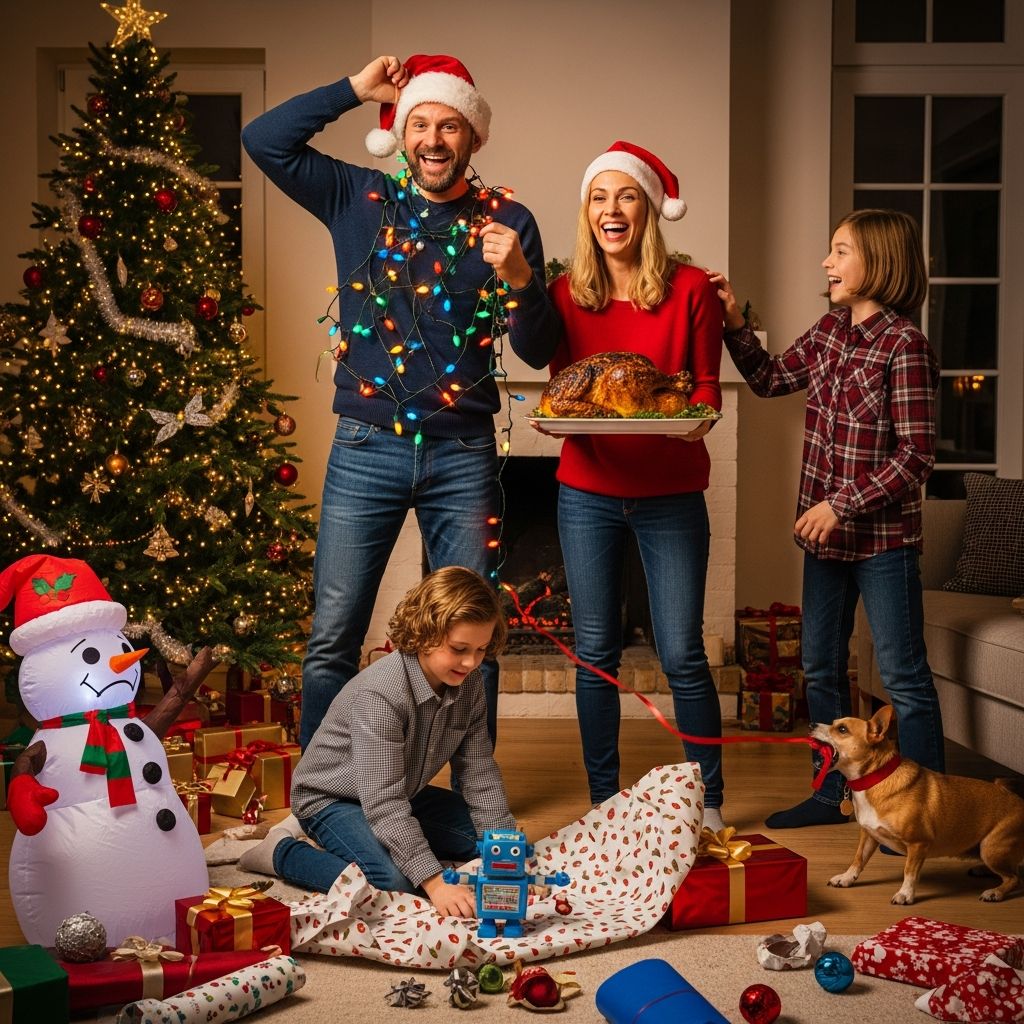
Every November and December, we picture perfect holidays: flawless meals, sparkling houses, peacefully smiling relatives. Then reality shows up with burnt turkeys, flooded basements, and the dog licking the dessert platter. The comforting truth is that nearly every family has a few legendary holiday disasters—and those are often the memories that last the longest.
This article dives into the delightful mess of Thanksgiving and Christmas gone wrong. Drawing inspiration from real-life mishaps, you will see how food fails, home breakdowns, and family slip-ups become the stories everyone retells for years.
Why Holiday Disasters Stick in Our Memories
Holiday mishaps feel bigger than regular bad days because so much hope is attached to them: time off work, travel plans, big meals, and emotional expectations.
- High pressure, high drama: People invest more time and money into holiday gatherings, so small problems feel amplified.
- More people in one place: Crowded houses mean more opportunities for miscommunication, spills, and accidents.
- Traditions create contrast: When a long-standing routine goes off-script, everyone notices.
Psychologists note that stories combining strong emotions and social connection are more likely to be vividly remembered over time, especially when retold in a group. According to family communication research, shared stories about challenges can strengthen relationships by reinforcing a sense of “we survived that together.”
Classic Holiday Food Fiascos
Many legendary holiday disasters begin in the kitchen, where too many cooks, tight timelines, and unfamiliar recipes collide.
1. The Vanishing or Destroyed Main Course
The star of the holiday table—usually a turkey or roast—also seems to attract the most chaos.
- Dropped centerpieces: Heavy roasting pans, slippery oven mitts, and crowded kitchens are a dangerous combination. A single misstep can send a carefully roasted bird sliding across the floor.
- Pets as surprise taste-testers: Dogs and cats routinely wait for a moment of distraction to snatch meat from counters or unattended carving boards. Animal behavior experts point out that strong food smells and low barriers make this almost irresistible for pets.
- Misjudged cooking methods: From undercooked poultry to over-smoked ham, a timer missed by an hour can turn the main dish into either a food safety risk or inedible charcoal.
In many families, this is the origin story of the “year we had cereal for Thanksgiving” or “the Christmas when we ordered pizza in formal clothes.” These failures often become turning points, inspiring new backup traditions or simpler menus.
2. Side Dishes Gone Spectacularly Wrong
Side dishes offer more surface area for disaster than any other part of the holiday meal.
- Salt and sugar mix-ups: Identical containers on a crowded counter have turned sweet pies into inedible salty bricks and savory gravies into dessert-level sugar bombs.
- Forgotten dishes in the oven: Stuffing, rolls, or casseroles are constantly discovered only when someone smells burning or opens the oven for dessert.
- Allergy and diet surprises: Inviting new guests sometimes reveals undisclosed allergies or strict dietary preferences after the food is already cooked, forcing emergency last-minute improvisation.
Food safety guidelines from the U.S. Department of Agriculture (USDA) emphasize that mishandling holiday foods—especially poultry and stuffing—can increase the risk of foodborne illness, recommending specific internal temperatures and careful chill times. While many stories stay in the realm of comedy, some serve as cautionary tales about undercooked meat or food left out too long.
3. Kitchen Chemistry Experiments
Holiday helpers with good intentions sometimes cause the biggest messes.
- Dish soap vs. dishwasher detergent: Swapping the two can quickly create a foam party on the kitchen floor, forcing a mid-dinner cleanup.
- Improvised substitutions: Replacing baking powder with baking soda, or using twice as much butter “for flavor,” can transform reliable recipes into unrecognizable science experiments.
- Open flames and hot oil: Deep-fried turkeys and crowded stovetops increase the risk of fires. U.S. fire statistics show that Thanksgiving and Christmas consistently rank among the top days for home cooking fires.
These experiences often lead to stricter kitchen rules the following year: labeled containers, clearly assigned tasks, and a firm ban on experimental deep-frying without proper safety gear.
Home Mishaps: When the House Joins the Chaos
Beyond the food, holidays test the limits of appliances, plumbing, and electrical systems, especially in older homes not designed for a dozen overnight guests.
1. Appliances That Give Up at the Worst Moment
Holiday gatherings often expose issues that have been quietly building all year.
- Ovens failing mid-roast: Malfunctioning heating elements or overloaded circuits leave hosts frantically calling neighbors to borrow oven space.
- Water heaters bursting: Aged tanks sometimes rupture under heightened demand from extra showers and dishwashing. Home improvement experts recommend routine inspection and replacement every 8–12 years to avoid such failures.
- Dishwashers overflowing: Overfilled racks and heavy loads can strain older units, leading to leaks or mechanical breakdowns mid-cleanup.
These breakdowns usually end in improvised assembly lines of hand-washing dishes, borrowed space heaters, or emergency maintenance calls made over the din of holiday music.
2. Plumbing, Power, and Weather Surprises
When many people use the same space at once, systems get stressed.
- Clogged sinks and toilets: Extra cooking grease and higher bathroom traffic can quickly lead to backups and unexpected trips to the hardware store.
- Power outages: Winter storms and overloaded circuits from lights and heaters can cut electricity right as dinner is going in or coming out of the oven.
- Frozen pipes: In colder climates, poorly insulated pipes can freeze, especially in rarely used guest spaces.
Many families end up with a story about the “candlelit holiday dinner” that was not planned but looked surprisingly charming in retrospect.
3. Decorations That Fight Back
Even the festive atmosphere can turn slapstick.
- Toppled trees: Overloaded or poorly secured Christmas trees can fall when curious pets, small children, or energetic guests get too close.
- Outdoor light fails: Frozen extension cords, mismatched outlets, or tangled strings often lead to partial light displays and ladder-induced frustration.
- Glass ornaments and candles: Fragile decorations and open flames mix poorly with crowded rooms, leading to broken glass or scorched tablecloths.
These visual mishaps are often the easiest to laugh about, especially when nobody is hurt and photos capture the before-and-after drama.
Family Drama, Miscommunication, and Social Surprises
As much as we blame turkeys and appliances, some of the most intense holiday disasters are purely emotional—or at least powered by human behavior.
1. Confusing Invitations and Guest List Surprises
Misunderstandings about who is invited, for how long, and with whom can set the stage for awkward gatherings.
- Extra guests without warning: A cousin arriving with a new partner, a friend’s family in tow, or a neighbor invited at the last minute can stretch food and seating thin.
- Missing key people: Someone assuming the gathering was cancelled—or forgetting to respond at all—can leave obvious empty chairs and disappointed hosts.
- Crossed wires about sleeping arrangements: Multiple families showing up expecting a guest room discover there are only couches and air mattresses.
These mix-ups often lead to frantic reshuffling of chairs, table extensions, and portion sizes—but can also bring unexpected, memorable connections between people who otherwise wouldn’t have met.
2. Old Tensions, New Conflicts
Holiday stress can drag unresolved issues to the surface.
- Arguments about traditions: Disputes over recipes, gift-giving rules, or schedules can escalate quickly when everyone is tired and hungry.
- Money and expectations: Conversations about who pays for what, how much to spend on gifts, or travel costs can become emotional flashpoints.
- Parenting and lifestyle disagreements: Differences in discipline, diet, or routines become especially visible when multiple generations share a space.
Researchers studying family rituals note that while holidays can trigger conflict, they also provide opportunities for negotiation and adaptation, which can help families evolve traditions that fit changing circumstances.
3. Kids, Pets, and Unscripted Comedy
Nothing derails a carefully planned event like a determined toddler or an overly excited dog.
- Gift-opening chaos: Presents opened in the wrong order, mislabeled packages, and small children playing with boxes instead of toys can upend carefully imagined photo moments.
- Pet-related drama: Dogs knocking over drinks, cats climbing trees, and both species claiming laps at inopportune moments are nearly guaranteed.
- Honest commentary from kids: Children loudly commenting on the food, the decorations, or a relative’s appearance often create both embarrassment and amusement.
These moments may feel mortifying in the moment, yet they often become beloved parts of family storytelling, resurfacing as “remember when” anecdotes year after year.
From Disaster to Tradition: How Families Reframe Chaos
Not every holiday mishap becomes a favorite story, but many do, especially when families choose to focus on the shared experience instead of the failure.
| Disaster Type | Typical First Reaction | How It Becomes Tradition |
|---|---|---|
| Ruined main dish | Panic and frustration | New annual “backup” meal (pizza, Chinese takeout, breakfast-for-dinner) |
| Appliance or power failure | Stress and scrambling | Story of the “candlelit dinner” or “camping indoors” repeated every year |
| Decorations failing | Laughter after the mess is cleaned | Photos displayed in future years as part of holiday décor |
| Family argument | Silence, tension, or tears | Later used as a marker for how the family learned to communicate differently |
Strategies That Help in the Moment
When things go wrong, a few practical habits can keep the disaster from overshadowing the entire celebration.
- Pause before reacting: Taking a breath before blaming or snapping can prevent lingering hurt feelings.
- Delegate quickly: Assigning small tasks—mopping, ordering food, entertaining kids—gives people something helpful to do.
- Announce the plot twist: Framing the setback out loud as “this year’s story” helps everyone mentally shift into problem-solving and humor mode.
- Protect safety first: For fires, gas smells, electrical shocks, or water damage, treat safety as non-negotiable. Follow guidance from local fire departments and safety agencies regarding evacuations, extinguishers, and emergency calls.
Practical Tips to Reduce Future Holiday Disasters
You cannot eliminate chaos entirely, but you can significantly lower the odds of genuine crises derailing your celebration.
1. Plan Food and Safety Ahead
- Follow safe cooking temperatures: Use a food thermometer and follow USDA guidelines for poultry and leftovers.
- Build in backup options: Keep simple pantry meals or delivery options in mind in case the main course fails.
- Label ingredients: Mark containers for salt, sugar, and cleaning supplies to avoid mix-ups.
- Check fire safety: Keep a kitchen-rated fire extinguisher available, and never leave hot oil or open flames unattended.
2. Prepare the House
- Test appliances in advance: Run the oven, dishwasher, and heating system on a normal day before the big event.
- Inspect critical systems: Have aging water heaters, furnaces, and electrical panels checked on a regular schedule.
- Clear driveways and entryways: In winter climates, keep snow and ice under control to avoid falls and parking mishaps.
- Secure decorations: Anchor trees, stabilize ladders, and keep fragile items out of high-traffic zones.
3. Set Social Expectations
- Clarify invitations: Communicate who is invited, whether guests can bring others, and how long they are welcome to stay.
- Talk about money upfront: If the event is potluck or shared-cost, spell that out early.
- Agree on hot-topic boundaries: Some families set a rule about avoiding certain subjects during the meal to reduce conflict.
Frequently Asked Questions (FAQs)
Q1: Is it normal for holidays to feel stressful instead of relaxing?
Yes. Research on family rituals shows that holidays often combine high expectations, financial pressure, and time constraints, which naturally increase stress even in close families. Feeling tense does not mean you are doing it wrong—it often just means the day matters to you.
Q2: How can I help my family laugh about a disaster instead of fighting about it?
Try naming the moment as “this year’s story” while it is happening and focusing on solutions rather than blame. Humor, small acts of kindness, and acknowledging the effort everyone made can shift the mood from anger to shared problem-solving.
Q3: What are the most important safety checks before a big holiday meal?
Key steps include testing smoke detectors, keeping a fire extinguisher in the kitchen, following proper food temperature guidelines, keeping children and pets away from hot surfaces, and never leaving cooking unattended.
Q4: How do we avoid repeating the same disaster every year?
After the holidays, briefly debrief as a family: What went well? What broke? What will we change next year? Turning mistakes into specific action items—like buying a new thermometer, labeling leftovers, or upgrading an old appliance—prevents a funny story from becoming an annual headache.
Q5: Are imperfect holidays bad for kids?
Generally, no. Children often remember the togetherness, not the perfection. Development experts emphasize that shared routines and stories, even messy ones, help kids build a sense of identity and belonging within their families.
References
- Holiday Food Safety — U.S. Department of Agriculture (USDA). 2023-11-01. https://www.usda.gov/media/blog/2023/11/01/holiday-food-safety-tips
- Holiday Pet Safety Tips — American Veterinary Medical Association (AVMA). 2022-12-01. https://www.avma.org/resources/pet-owners/petcare/holiday-pet-safety
- Thanksgiving by the Numbers — National Fire Protection Association (NFPA). 2022-11-01. https://www.nfpa.org/News-and-Research/Data-research-and-tools/Major-hazards/Thanksgiving
- Water Heater Buying Guide — Consumer Reports. 2022-10-10. https://www.consumerreports.org/home-water-heaters/buying-guide/
- Rituals and Family Strength — Barbara H. Fiese, in Family Routines and Rituals, Yale University Press. 2006-06-01. https://doi.org/10.12987/yale/9780300109020.001.0001