For many millennials and Gen Z kids raised on cable reruns, the original Hocus Pocus is less a movie and more a seasonal ritual: a film that signals the arrival of Halloween as strongly as pumpkins on porches or plastic skeletons in big-box stores.
Yet when Disney returned to Salem with a Disney Plus sequel decades later, the reaction was more mixed, revealing how fragile nostalgia can be once studios try to bottle it and sell it back as “new.”
The Odd Journey From Flop to Halloween Staple
When Hocus Pocus first arrived in 1993, it was not a runaway success; the film underperformed in theaters and received lukewarm critical reviews, especially compared to other family fare of the era.
Its revival came later, through constant seasonal cable airings and home video, as children rewatched the Sanderson sisters each October and effectively voted with their remote controls to turn the movie into a cult classic.
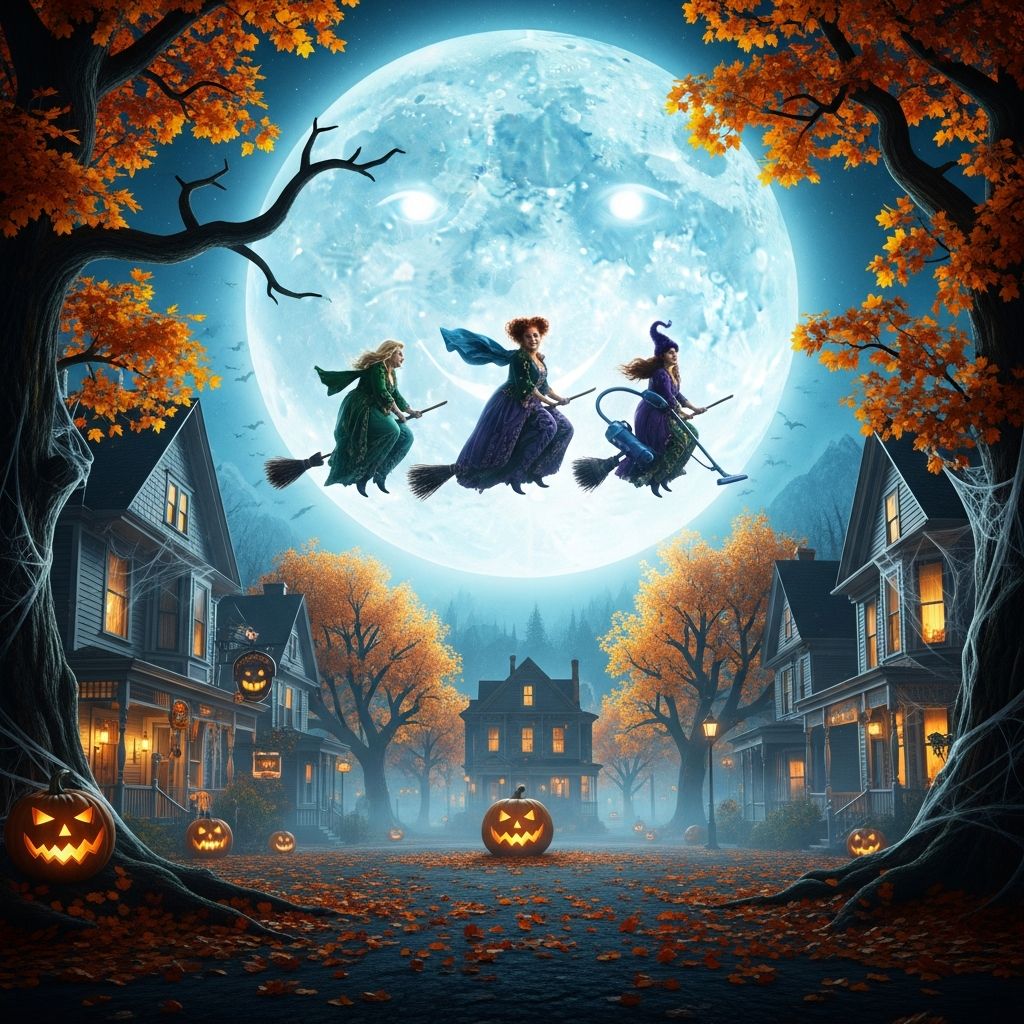
- Set in Salem on Halloween, the plot centers on three resurrected witches, the Sanderson sisters, who attempt to steal children’s life force before sunrise.
- Despite its family-friendly packaging, the story leans into graveyards, zombified ex-lovers, and child endangerment in a way that feels surprisingly dark for a Disney film.
- Bette Midler, Kathy Najimy, and Sarah Jessica Parker anchor the film with theatrical, larger-than-life performances that keep the tone playful instead of grim.
Why the Original Works: A Strange Blend That Shouldn’t
Part of the enduring charm of the first film is that it behaves like a miniature horror movie squeezed into a kids’ comedy, borrowing imagery from grave-chiller cinema but filtering it through slapstick, one-liners, and earnest child heroes.
The result is a tone that wobbles between creepy and goofy, but that wobble is precisely what makes the movie feel alive, unpredictable, and weirdly sincere.
Kid Agency and Real Stakes
Max, Dani, and Allison are not merely tagging along behind adults; they drive the plot, make mistakes, and repeatedly outsmart the witches, which gives young viewers a sense that Halloween is their terrain to navigate and defend.
The threat is not symbolic—if the kids fail, children actually die—so every goofy broom mishap or talking-cat gag is underscored by the eerie feeling that something genuinely awful could happen before sunrise.
Camp, Not Cynicism
The witches are big, broad, and theatrical, but they are never embarrassed by the material; the actors commit so intensely that even the silliest scenes feel like they belong in the same universe as the darker moments.
This wholehearted campiness gives the film a sincerity that modern, winking comedies often lack, making viewers more willing to go along with talking cats, cursed candles, and spontaneous musical numbers.
How Nostalgia Rewires What the Movie Means
For many adult fans, rewatching Hocus Pocus is less about discovering what happens and more about revisiting who they were when they first saw it: a ritual that combines childhood memory, seasonal atmosphere, and the comfort of knowing every beat.
The movie’s imperfections—corny dialogue, dated fashion, and modest effects—have transformed from liabilities into features, signposts of a specific era that now feel cozy rather than cheap.
| Perspective | As a 90s Kid | As an Adult Today |
|---|---|---|
| Primary emotion | Fearful excitement about witches and danger around every corner. | Bittersweet comfort and nostalgia for a safer, simpler Halloween. |
| How the tone feels | Scary and silly in unpredictable bursts. | Charming, quaint, and less intense than modern horror properties. |
| Visual style | Convincing enough to be immersive, especially at night. | Endearingly dated, with practical effects that now feel tactile rather than realistic. |
| Biggest draw | Adrenaline of witches chasing kids on Halloween. | Tradition of watching it every October with family or friends. |
Over time, the movie has turned into a shared seasonal language—people quote lines, dress as the witches, and stage themed parties—which makes the film feel bigger than its modest 90s production origins.
That communal memory raises the stakes for any sequel, because audiences are not only asking, “Is this good?” but also, “Does this feel like my childhood?”—a much harder standard to meet.
Enter Disney Plus: The Sequel Problem
When Hocus Pocus 2 finally materialized on Disney Plus, it arrived in a very different media landscape, where streaming platforms value recognizable brands and algorithm-friendly titles that can instantly grab attention in a crowded carousel.
The sequel brings back the core trio of witches and leans heavily on references, cameos, and familiar catchphrases, banking on nostalgia to do as much of the emotional lifting as possible.
From Cable Rerun to Algorithm Slot
The original slowly earned its fanbase through yearly broadcast exposure, giving each generation time to discover and adopt it, whereas the sequel had to justify its existence on day one in a binge-driven, instant-reaction culture.
Streaming economics favor recognizable IP over creative risk, which can push sequels toward safe, self-referential territory instead of the tonal weirdness that made the first film special.
Copying Vibes vs. Continuing a Story
Rather than expanding the mythology of Salem or leaning deeper into the horror-comedy balance, the sequel often feels designed to echo beats viewers already know—musical set-pieces, fish-out-of-water gags, and joke-heavy banter.
This approach can be entertaining in the moment, but it risks turning the Sanderson sisters from unpredictable villains into soft-edged mascots whose job is to sell Halloween branding rather than genuinely threaten the town.
What the Sequel Gets Right—and Where It Falters
To its credit, the Disney Plus sequel tries to update the story with a more diverse teen cast and a focus on friendship and empowerment, acknowledging that the kids who grew up with the original now have different values and expectations.
However, these updates sit alongside a softer sense of danger and a more polished visual style, which can make the whole experience feel less like a spooky adventure and more like a themed streaming special.
- Visual effects are slicker, but the heightened gloss can dampen the hand-made charm and practical eeriness of graveyards, fog, and creaky houses that shaped the 1993 film.
- The witches remain the highlight, yet their moral edges are sanded down, making them feel more like mischievous aunties than genuine storybook monsters.
- New characters get less time to build the kind of lived-in sibling dynamic Max and Dani had, which limits the emotional stakes beyond the fan affection for the witches themselves.
Why Recapturing 90s Halloween Energy Is So Hard
The first film emerges from a specific moment when family movies routinely flirted with surprisingly dark material—think kids in real danger, ghosts with unfinished business, and villains whose motives went beyond comic relief.
Modern children’s entertainment, shaped by parental anxieties, social media discourse, and brand risk-management, often prefers clear messaging and softened peril, which can make attempts to redo that older tone feel slightly artificial.
Changing Fears, Changing Audiences
In the early 90s, the fear of witches in the woods and monsters under the bed mirrored more generalized childhood anxieties, whereas today’s young audiences are growing up with constant information about real-world threats.
When real life feels scarier, studios may hesitate to layer intense fictional fear on top, steering sequels toward warmth, humor, and spectacle at the expense of the eerie undertones that older fans remember.
How to Enjoy Both Without Setting Yourself Up for Disappointment
One way to make peace with the sequel is to stop asking it to feel like the lost 90s Halloween special you remember and instead treat it as a bonus chapter: a glossy reunion that cannot—and should not—replace your memories of the original.
By separating emotional expectations, fans can still enjoy new Sanderson antics, updated jokes, and cozy October vibes without demanding that this new story rewrite their personal history with Salem and its witches.
Practical Tips for a Better Double-Feature Night
- Watch the original first, when it is fully dark outside, to let its slower pacing and practical effects pull you into that early-90s atmosphere.
- Treat the sequel as a lighter dessert: keep snacks ready, talk over it more freely, and enjoy the callbacks instead of scrutinizing every narrative choice.
- Invite different age groups; let kids respond genuinely to both films, rather than telling them which one is supposed to be better.
SEO-Friendly FAQs About Hocus Pocus and Its Sequel
Is the original Hocus Pocus really a kids’ movie?
Yes, it is marketed as a children’s Halloween movie, but it contains surprisingly intense themes such as child endangerment, resurrection, and death, making it feel more like a gateway horror film than a simple costume comedy.
Do you need to watch the first film before seeing the sequel?
The sequel provides enough exposition to follow its main plot, but most of its emotional and comedic payoffs depend on familiarity with the original characters, settings, and running jokes, so watching the first film enhances the experience.
Why do some fans think the sequel is weaker?
Many viewers feel that the sequel leans heavily on references and nostalgia while offering lower stakes and a softer portrayal of the witches, which can make it feel less daring and less emotionally grounded than the 1993 story.
Is the sequel still worth streaming on Disney Plus?
For fans of the Sanderson sisters, the sequel is an enjoyable comfort watch with updated production values and a more contemporary teen ensemble, especially if approached as a light seasonal diversion rather than a replacement for the original.
Will Hocus Pocus remain a Halloween classic for future generations?
The film’s mix of campy performances, memorable witches, and genuinely spooky kid-centric stakes gives it a timeless core, and its entrenched role in annual Halloween programming suggests it will continue charming new viewers for years.
Final Thoughts: Letting Nostalgia Be Messy
Hocus Pocus endures not because it is perfect, but because it feels strangely specific—rooted in Salem fog, 90s teen awkwardness, and villains who are both hilarious and legitimately dangerous.
No modern sequel can recreate the experience of discovering that world for the first time on a worn-out VHS tape or a random October cable slot, but it can offer a new excuse to gather friends, carve pumpkins, and once again light the figurative Black Flame Candle in your living room.