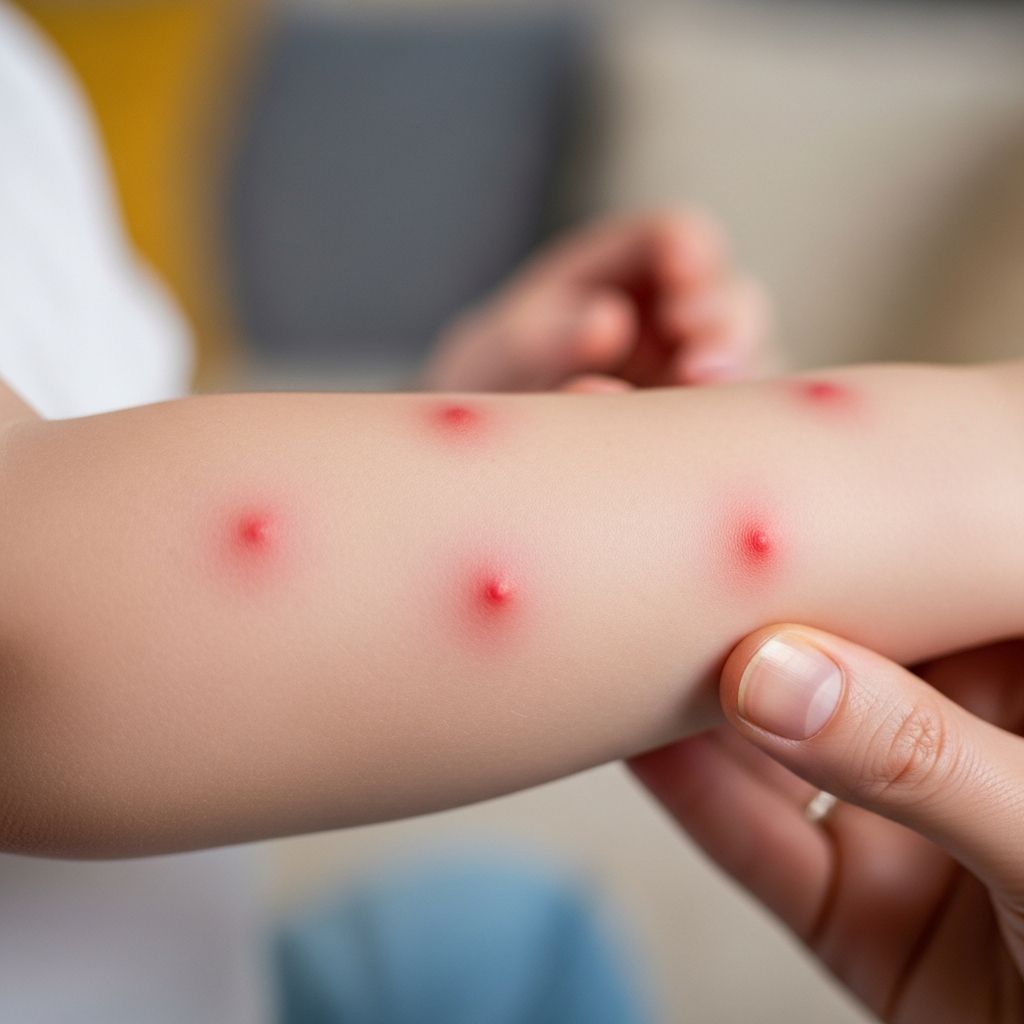
Hives, medically known as urticaria, manifest as raised, itchy welts on a child’s skin, often appearing suddenly and shifting locations. These episodes are frequent in young ones, particularly between ages 1 and 4, stemming primarily from immune responses rather than grave threats, though vigilance is key.
Recognizing the Signs of Hives
The hallmark of hives includes red or skin-toned welts that elevate above the surface, varying from pinpoint sizes to large patches spanning several inches. They typically itch intensely but may also burn or sting, especially if scratched. On darker skin tones, they might present as purple or gray rather than vividly red. Unlike static rashes, hives migrate across the body within hours, fading in one spot only to emerge elsewhere.
- Itchiness: The primary discomfort, prompting children to scratch relentlessly.
- Swelling: Mild puffiness around welts; deeper swelling signals angioedema, affecting lips, eyes, or throat.
- Duration: Acute cases resolve in under six weeks; chronic ones persist longer.
- Associated symptoms: Fever, cough, or gastrointestinal upset if linked to infection.
Distinguishing hives from similar conditions is crucial. Eczema features dry, inflamed patches, while viral rashes are flatter and more uniform. Hives’ transient, migratory nature sets them apart.
Primary Triggers Behind Childhood Hives
Hives arise when the body liberates histamine from mast cells, prompting blood vessels to leak fluid into skin tissues, creating welts. While allergies grab attention, infections dominate as culprits in kids.
Infections as the Leading Culprit
Viral invasions like common colds, strep throat, urinary tract infections, hepatitis, or mononucleosis trigger over 90% of widespread hives cases. These often coincide with fever, runny nose, or diarrhea, lasting days without allergy involvement. Bacterial or fungal infections occasionally contribute too.
Allergic Reactions
Though less common (<10% of cases), true allergies provoke hives via foods (peanuts, nuts, eggs, milk, shellfish), medications (penicillin, ibuprofen, aspirin), or insect stings. Airborne pollen or pet dander can also play roles. In infants exploring solids, new foods warrant scrutiny.
Non-Allergic Physical Inducers
Physical urticaria emerges from environmental or mechanical stimuli:
| Type | Trigger | Example |
|---|---|---|
| Dermatographism | Scratching skin | Writing on skin with firm pressure |
| Cold/Heat Urticaria | Temperature shifts | Cold swims or hot baths |
| Pressure Urticaria | Sustained pressure | Tight belts or heavy backpacks |
| Solar Urticaria | Sunlight | Brief outdoor exposure |
| Cholinergic Urticaria | Exercise/sweat | Running or warm showers |
Other factors include stress, vibrations, or pet saliva contact. In rare chronic instances, underlying issues like thyroid disorders or vasculitis surface. Up to 50% of cases defy identification.
Distinguishing Acute from Chronic Hives
Acute hives vanish within six weeks, often infection-driven. Chronic urticaria endures longer, potentially signaling physical triggers or idiopathic origins. Pediatric chronic cases rarely tie to cancer or endocrine woes but merit evaluation.
Safe Management Strategies at Home
Most hives self-resolve without intervention. Focus on symptom relief:
- Cool compresses: Soothe itch with damp, cold cloths for 10-15 minutes.
- Oatmeal baths: Colloidal oatmeal in lukewarm water calms skin.
- Loose clothing: Cotton attire avoids irritation from synthetics or tightness.
- Avoid triggers: Skip hot showers, spicy foods, or known allergens temporarily.
- Antihistamines: Over-the-counter options like cetirizine or loratadine (age-appropriate doses) effectively block histamine. Consult a pharmacist for infants.
Ointments offer scant aid since hives dwell in deeper skin layers. Discourage scratching to prevent infection.
When to Contact a Healthcare Professional
Seek prompt care if hives:
- Accompany breathing difficulty, throat swelling, dizziness (anaphylaxis signs).
- Persist beyond 24-48 hours despite remedies.
- Recur frequently or span weeks.
- Pair with fever, joint pain, or abdominal issues.
- Appear post-new food/medication.
Doctors may prescribe stronger antihistamines, run blood tests, or refer to allergists. Epinephrine auto-injectors suit severe allergy histories.
Diagnostic Approaches for Persistent Cases
History-taking pinpoints triggers. Skin prick tests or blood assays confirm allergies if suspected. Challenge tests (controlled exposure) are cautious in children. For chronic hives, thyroid screens or autoimmune checks ensue. Viral hives need no allergy probing.
Preventive Measures for Recurring Hives
Though unpredictable, minimize risks:
- Track episodes in a diary (foods, activities, illnesses).
- Introduce new foods singly in young children.
- Maintain hygiene to curb infections.
- Manage stress via routines or play.
- Use hypoallergenic products; protect from extremes.
Vaccinations and prompt illness treatment indirectly help.
Common Myths About Hives Debunked
- Myth: Hives always signal food allergies. Fact: Infections cause most.
- Myth: Topical creams cure hives. Fact: Oral antihistamines target root cause.
- Myth: Chronic hives indicate cancer. Fact: Rare in kids; usually benign.
Frequently Asked Questions (FAQs)
Can hives appear without any trigger?
Yes, idiopathic urticaria occurs in many cases, especially viral-linked ones resolving spontaneously.
Are hives contagious?
No, they result from internal reactions, not pathogens spreading skin-to-skin.
How long do viral hives last in kids?
Typically 4-24 hours per outbreak, up to days with the infection.
Is it safe to give antihistamines to toddlers?
Age-specific formulations exist; always verify dosing with a pediatrician.
Do hives leave scars?
Rarely, unless excessive scratching causes secondary infection.
Long-Term Outlook and Reassurance
Nearly all children outgrow hives episodes without lasting effects. Acute cases fade quickly; chronic ones often remit within a year. Consistent management and trigger awareness ensure comfort. Parents’ calm demeanor aids children’s coping.
This guide equips families to navigate hives confidently, blending prompt relief with professional oversight when needed.
References
- Hives, Hives and More Hives! — Texas Children’s Hospital. 2023-05-15. https://www.texaschildrens.org/content/wellness/hives-hives-and-more-hives
- Hives — Children’s Hospital of Philadelphia. 2024-02-10. https://www.chop.edu/conditions-diseases/hives
- Hives (Urticaria) in Children: Causes, Treatment & Pictures — Cleveland Clinic. 2024-08-22. https://my.clevelandclinic.org/health/symptoms/22454-hives-in-children
- Hives and Angioedema – Symptoms and Causes — Mayo Clinic. 2024-11-05. https://www.mayoclinic.org/diseases-conditions/hives-and-angioedema/symptoms-causes/syc-20354908
- Hives (Urticaria): Causes, Treatment and Prevention — Nationwide Children’s Hospital. 2023-09-12. https://www.nationwidechildrens.org/conditions/hives
- Hives (Urticaria) — Nemours KidsHealth. 2024-01-18. https://kidshealth.org/en/parents/hives.html
- Hives — Seattle Children’s Hospital. 2024-03-30. https://www.seattlechildrens.org/conditions/a-z/hives/