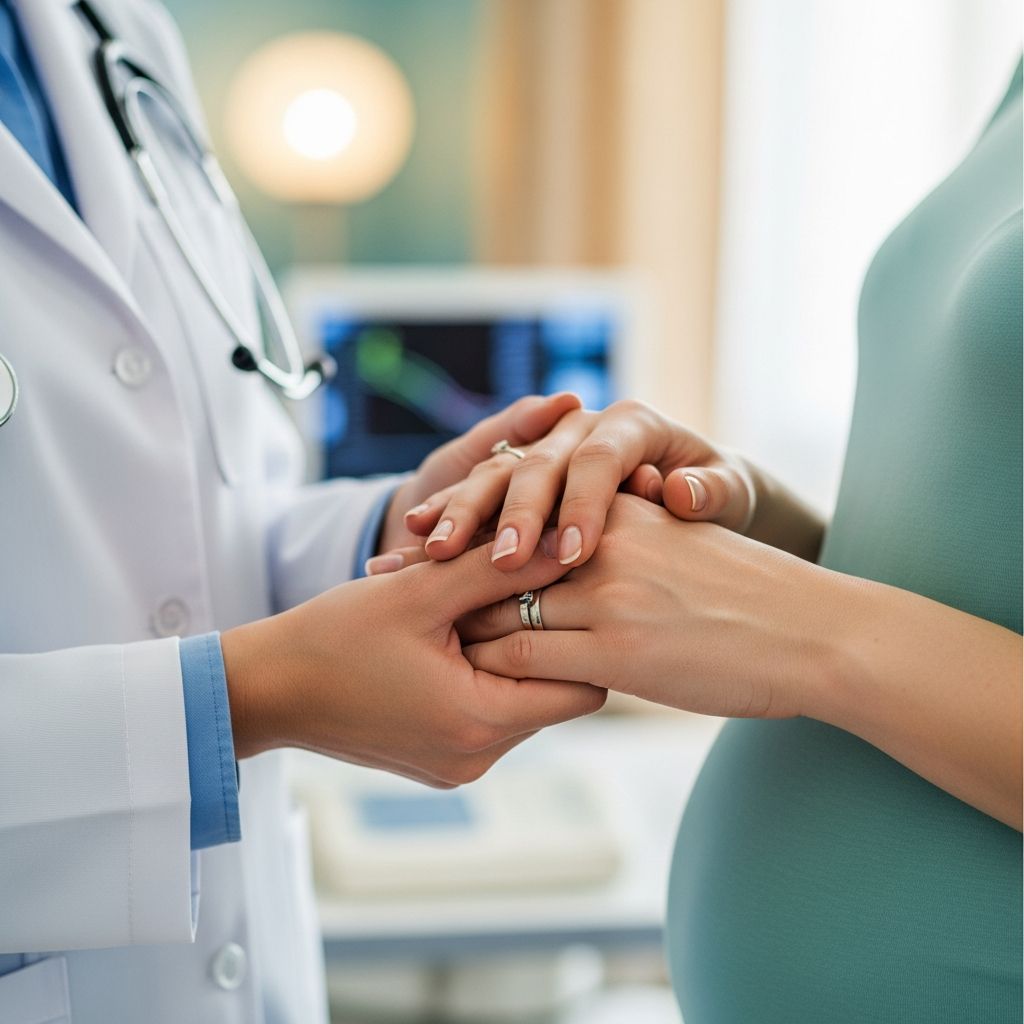
High-risk pregnancies demand heightened attention to safeguard both maternal and fetal well-being. These situations arise from various factors, requiring tailored medical interventions and lifestyle modifications to mitigate complications.
Understanding What Constitutes a High-Risk Pregnancy
A high-risk pregnancy occurs when certain conditions elevate the chances of adverse outcomes for the mother or baby. Factors include maternal age extremes, pre-existing health issues like hypertension or diabetes, multiple gestations, or pregnancy-specific complications such as preeclampsia. Early identification through comprehensive prenatal assessments allows for proactive management.
Common contributors encompass chronic illnesses, lifestyle elements like smoking, and obstetric history including prior preterm births. Recognizing these early enables healthcare teams to implement strategies that optimize outcomes.
Key Factors Elevating Pregnancy Risks
- Maternal Health Conditions: Pre-existing diabetes, thyroid disorders, or hypertension necessitate ongoing management to prevent escalation during gestation.
- Age-Related Concerns: Pregnancies in women under 17 or over 35 carry increased risks of chromosomal abnormalities and gestational issues.
- Multiple Births: Twins or more heighten chances of preterm labor and growth discrepancies.
- Lifestyle and Environmental Influences: Smoking, obesity, or substance use can impair placental function and fetal development.
- Prior Pregnancy Complications: History of miscarriages, stillbirths, or cesarean deliveries influences current risk profiles.
Assessing these elements begins with a thorough medical history review and targeted screenings, forming the foundation for individualized care plans.
Assembling Your Specialized Care Team
Navigating a high-risk pregnancy starts with curating a multidisciplinary support network. Central to this is collaboration with maternal-fetal medicine specialists, also known as perinatologists, who possess expertise in complex cases.
Your core team typically includes:
| Role | Responsibilities |
|---|---|
| OBGYN | Oversees routine prenatal care and coordinates with specialists. |
| Maternal-Fetal Medicine Specialist | Performs advanced diagnostics like detailed ultrasounds and manages complications. |
| Endocrinologist or Cardiologist | Addresses specific conditions such as gestational diabetes or heart issues. |
| Mental Health Professional | Supports emotional well-being amid heightened stress. |
| Nurses/Midwives | Provide day-to-day monitoring and education. |
This integrated approach ensures comprehensive oversight, with frequent consultations adapting to evolving needs.
Core Management Strategies for Optimal Outcomes
Effective management hinges on frequent monitoring and targeted interventions. Expectant mothers often require bi-weekly or more visits, involving blood pressure checks, ultrasounds for fetal growth, and lab tests to track conditions like gestational diabetes.
Treatment modalities vary by risk factor:
- Pharmacological Interventions: Antihypertensives like labetalol control blood pressure, while insulin manages blood sugar in diabetic cases.
- Activity Modifications: Bed rest may be prescribed to avert preterm labor, coupled with hydration protocols.
- Advanced Monitoring: Non-stress tests and biophysical profiles evaluate fetal well-being.
- Lifestyle Prescriptions: Smoking cessation programs and nutritional counseling form pillars of preventive care.
For severe cases, hospitalization facilitates intensive surveillance and timely surgical options if needed.
Nutrition and Physical Wellness Essentials
Prioritizing nutrition fuels both maternal resilience and fetal development. A diet emphasizing fruits, vegetables, lean proteins, and whole grains combats deficiencies common in high-risk scenarios. Prenatal vitamins with folic acid remain crucial to prevent neural tube defects.
Hydration targets 8-12 cups daily to support amniotic fluid production and prevent complications like urinary infections. Safe physical activity, such as prenatal yoga or walking, enhances circulation when approved by providers, while ample rest—aiming for 7-9 hours nightly—mitigates fatigue.
Avoiding stressors through techniques like deep breathing fosters hormonal balance, indirectly benefiting placental function.
Critical Warning Signs Requiring Immediate Action
Vigilance against red flags can prevent escalation. Contact your provider without delay for:
- Vaginal bleeding or watery discharge signaling placental issues or membrane rupture.
- Severe abdominal pain, cramping, or pelvic discomfort indicative of preterm labor.
- Sudden swelling, headaches, or vision changes suggestive of preeclampsia.
- Reduced fetal movements, warranting kick counts and urgent evaluation.
- Fever, chills, or urinary pain pointing to infections.
- Persistent nausea, dizziness, or shortness of breath.
Tracking symptoms daily empowers prompt reporting, enhancing intervention efficacy.
Emotional and Psychological Support
The emotional toll of high-risk pregnancies often manifests as anxiety or depression. Acknowledging these feelings normalizes the experience, while support groups connect individuals facing similar challenges.
Professional counseling addresses overwhelming worry impacting daily function. Sharing with partners and family builds a emotional safety net, and postpartum planning anticipates extended recovery needs.
Planning for Delivery and Beyond
Delivery strategies in high-risk cases may involve induced labor, cesarean sections, or specialized neonatal units. Discuss pain management and contingency plans early with your team.
Postpartum, continued monitoring tracks recovery, with emphasis on mental health screening and lactation support if applicable.
Frequently Asked Questions
What increases the likelihood of a high-risk pregnancy?
Risk factors include advanced maternal age, chronic diseases, multiples, and prior complications. Early prenatal care identifies these.
How often are check-ups needed?
High-risk pregnancies typically involve weekly or bi-weekly visits, including ultrasounds and tests tailored to specific risks.
Can lifestyle changes reduce risks?
Yes, balanced nutrition, hydration, rest, and quitting smoking significantly lower complication rates.
When should I seek emergency care?
Immediately for bleeding, severe pain, reduced fetal movement, or preeclampsia symptoms like headaches and swelling.
Is bed rest always required?
Not universally; it’s prescribed based on individual needs to prevent preterm issues, alongside other measures.
References
- High-Risk Pregnancy Management: Perspectives, Tips & Care — Dr. Kofinas. 2023. https://drkofinas.com/high-risk-pregnancy-management-perspectives-tips-care/
- Navigating a high-risk pregnancy: 10 tips for staying healthy — Baylor Scott & White Health. 2024. https://www.bswhealth.com/blog/navigating-high-risk-pregnancy
- High-risk pregnancy: Know what to expect — Mayo Clinic. 2025-01-15. https://www.mayoclinic.org/healthy-lifestyle/pregnancy-week-by-week/in-depth/high-risk-pregnancy/art-20047012
- High-Risk Pregnancy — Eunice Kennedy Shriver National Institute of Child Health and Human Development (NICHD), NIH. 2024. https://www.nichd.nih.gov/health/topics/factsheets/high-risk
- Pregnancy Complications — Centers for Disease Control and Prevention (CDC). 2025. https://www.cdc.gov/maternal-infant-health/pregnancy-complications/index.html
- High-Risk Pregnancy: Age, Complications & Management — Cleveland Clinic. 2024-06-12. https://my.clevelandclinic.org/health/diseases/22190-high-risk-pregnancy