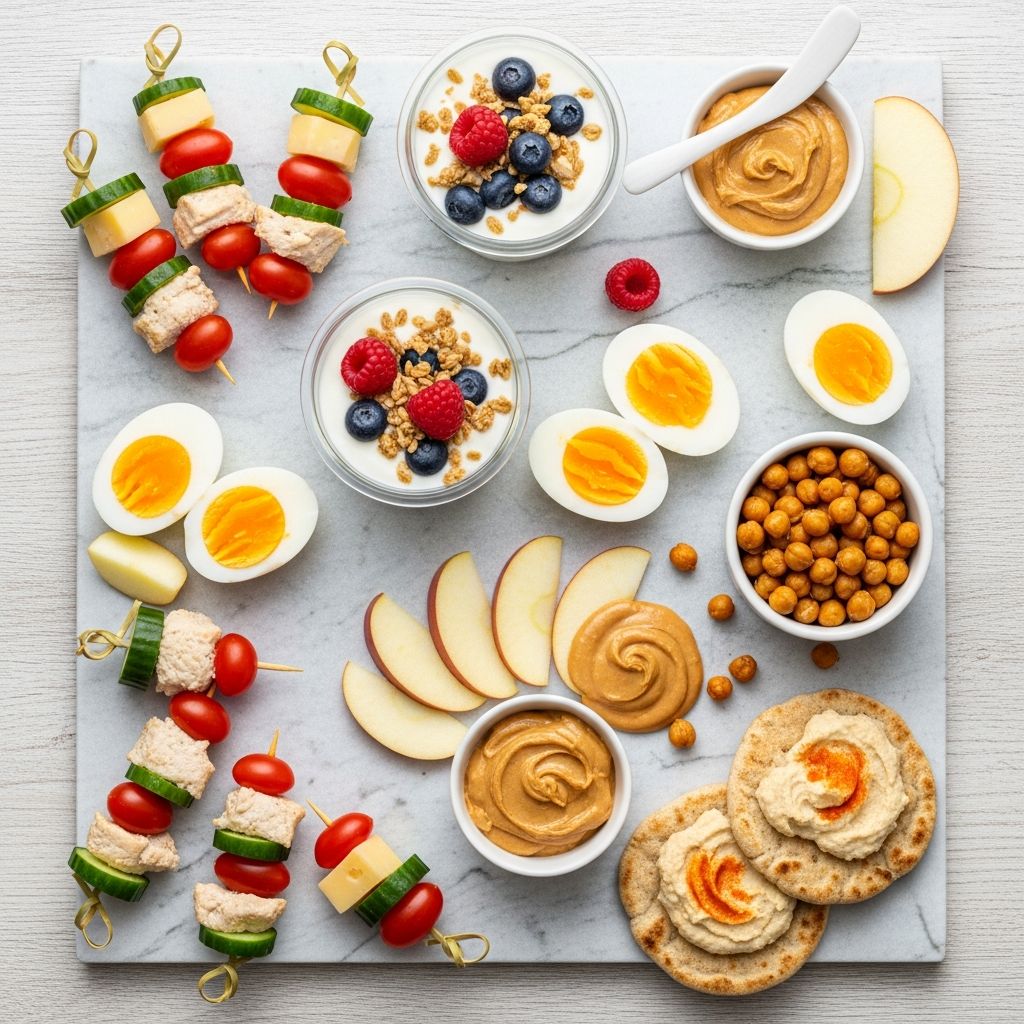
Children today lead busy lives filled with school, sports, and play, making reliable nutrition essential. High-protein snacks bridge the gap between meals, delivering sustained energy without the crashes from sugary treats. These bites not only satisfy hunger but also aid in muscle development and focus, helping kids perform at their best.
Why Protein Matters in Children’s Diets
Protein serves as a foundational nutrient for young bodies. It constructs and repairs tissues, including muscles strained by daily activities. Research shows protein increases feelings of fullness, curbing excessive snacking and stabilizing mood. For growing kids, adequate intake supports everything from bone strength to immune function.
Snacks contribute significantly to daily calories—up to 25% for many children. Choosing protein-rich options ensures these calories nourish rather than empty. Unlike carbs alone, protein digests slowly, preventing blood sugar dips that lead to irritability or fatigue. Active children, in particular, benefit as protein rebuilds muscles post-play.
Daily Protein Needs for Different Ages
Requirements vary by age and activity. Toddlers (1-3 years) need about 13 grams daily, school-age kids (4-8) around 19 grams, and tweens (9-13) up to 34 grams. Snacks can provide 5-10 grams per serving, making them a smart addition.
| Age Group | Daily Protein (grams) | Snack Contribution (grams) |
|---|---|---|
| 1-3 years | 13 | 5-7 |
| 4-8 years | 19 | 7-10 |
| 9-13 years | 34 | 10-15 |
This table outlines approximate needs, adjustable for athletes who may require more.
Top Benefits of Protein Snacks
- Sustained Energy: Paired with fiber, protein releases energy gradually, avoiding mid-morning slumps.
- Muscle Support: Essential for repair in playful, sporty kids.
- Better Focus: Stable blood sugar enhances concentration at school.
- Fullness Factor: Reduces overeating at meals, ideal for picky eaters.
- Growth Aid: Supplies amino acids for overall development.
Dairy-Based Protein Powerhouses
Dairy offers complete proteins with bonus calcium for bones. These options are creamy and versatile.
- Yogurt Bowls: Plain Greek yogurt (16g protein per cup) topped with berries and a sprinkle of granola. Strain regular yogurt overnight for a thicker, higher-protein version.
- Cheese Sticks: Pair mozzarella sticks with apple slices for 7g protein and crunch.
- Cottage Cheese Cups: Mix with pineapple chunks; one half-cup delivers 14g protein.
- Milkshakes: Blend low-fat milk, banana, and a scoop of cocoa for a treat-like snack.
Plant-Powered Alternatives
For dairy-free diets or variety, plants provide digestible protein with fiber and antioxidants.
- Nut Butter Packs: Single-serve almond or sunflower butter with celery sticks (8g protein).
- Chia Seed Pudding: Soak chia in plant milk overnight, add mango—5g protein per serving.
- Edamame Pods: Steamed and salted, offering 11g per half-cup.
- Pumpkin Seed Mix: Toss with dried cranberries for trail mix appeal (9g protein per ounce).
Quick No-Cook Snack Ideas
Busy days call for grab-and-go options that pack nutrition without prep time.
- Hard-boiled eggs rolled in everything bagel seasoning (6g protein each).
- Turkey roll-ups: Slices wrapped around cucumber spears.
- Tuna pouches mixed with avocado on whole-grain crackers.
- Jerky strips (choose low-sodium beef or plant-based).
These require minimal effort yet deliver 10-15g protein, perfect for lunchboxes.
Fun Recipes to Try at Home
Engage kids in making these to foster healthy habits.
Peanut Butter Energy Bites
Ingredients: 1 cup oats, ½ cup peanut butter, ⅓ cup honey, ½ cup chia seeds, chocolate chips.
- Mix all; chill 30 minutes.
- Roll into balls (store in fridge).
- Yield: 20 bites, 5g protein each.
Customize with nuts or dried fruit.
Berry Protein Smoothie
Blend: 1 cup plant milk, ½ cup Greek yogurt, handful spinach, frozen berries, 1 tbsp flaxseed. 15g protein.
Chickpea Cookie Dough
Food processor: 1 can chickpeas (rinsed), ¼ cup nut butter, 2 tbsp maple, vanilla. 7g per ¼ cup.
Snack Bars and Store-Bought Wins
Quality bars mimic homemade goodness. Look for 5-10g protein, low sugar (<5g), whole ingredients like nuts and oats. Examples: Plant-based minis with pecan or peanut flavors for steady energy without additives.
Navigating Allergies and Picky Eaters
Sunflower butter swaps nuts; pea protein for dairy-free. Hide veggies in smoothies. Involve kids in choices to boost acceptance. Portion to 100-200 calories to complement meals.
Meal Integration Tips
Time snacks 2 hours post-meal. Pair protein with fiber/carbs: yogurt + fruit, nuts + veggies. Hydrate alongside for absorption.
Frequently Asked Questions
What if my child has nut allergies?
Opt for seeds, edamame, or yogurt. Always read labels.
Can protein snacks be eaten daily?
Yes, in moderation as part of balanced intake.
How much protein per snack?
5-15g ideal, based on age.
Are plant proteins complete?
Combine sources like beans + grains for full amino profile.
Best post-sports snack?
Yogurt parfait or nut butter banana for recovery.
References
- The Benefits of High-Protein Snacks — ChildLife Essentials. 2023. https://childlifenutrition.com/blogs/news/the-benefits-of-high-protein-snacks
- Protein Snacks For Kids — ALOHA. 2024. https://aloha.com/collections/protein-snacks-for-kids
- Healthy Eating and Snacking for Kids — Children’s Hospital Colorado. 2023-10-01. https://www.childrenscolorado.org/just-ask-childrens/articles/healthy-eating-for-kids/
- Protein Snacks for Kids: All Your FAQs Answered — Perfect Snacks. 2024. https://perfectsnacks.com/blogs/post/protein-snacks-for-kids-all-your-faqs-answered
- 30 High Protein Snacks That Are Healthy and Portable — Healthline. 2024-05-15. https://www.healthline.com/nutrition/healthy-high-protein-snacks