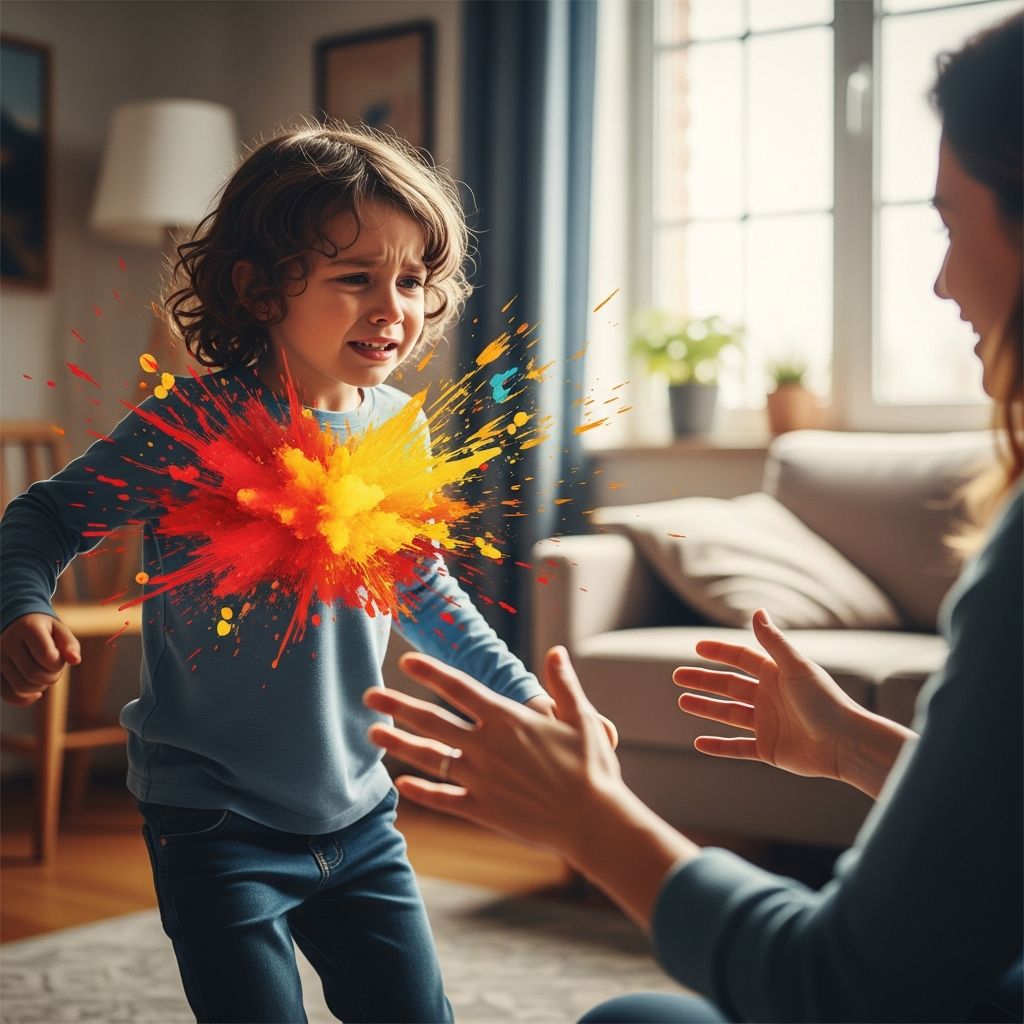
Understanding Masked Anxiety in Successful Children
Anxiety disorders affect a substantial portion of the pediatric population, with research indicating that up to 1 in 5 children will develop what healthcare providers classify as an anxiety disorder. Among children struggling with behavioral challenges, approximately 40% experience underlying anxiety, while 75% of children diagnosed with depression also contend with anxiety symptoms. What makes anxiety particularly challenging to identify in certain children is when it operates beneath a veneer of achievement and outward competence. These children maintain good grades, participate in activities, and appear well-adjusted, yet internally experience significant distress that interferes with their quality of life.
High-functioning anxiety in children represents a complex mental health condition where the child manages to meet external expectations and maintain visible success while simultaneously battling persistent internal worry and stress. Unlike children whose anxiety manifests through obvious behavioral disruption or academic failure, high-functioning anxious children channel their worry into productivity and perfectionism. Their parents and teachers often remain unaware of the emotional burden these children carry, as the symptoms remain largely invisible on the surface. Understanding this presentation is crucial for early identification and intervention.
The Rising Prevalence of Childhood Anxiety
Childhood anxiety has become increasingly common in recent years, with concerning trends in prevalence rates. The number of children experiencing anxiety symptoms nearly doubled between 2003 and 2012, demonstrating a significant upward trajectory in pediatric mental health challenges. Currently, approximately 4.4 million children in the United States suffer from clinical anxiety. Gender differences emerge in anxiety presentation, with girls showing higher rates of anxiety disorder development compared to boys. Interestingly, children who identify as possessing masculine personality traits, regardless of birth gender or sexual orientation, demonstrate lower rates of anxiety and depression.
Anxiety symptoms tend to intensify with age, becoming more pronounced and complex in older children. This developmental progression suggests that early intervention during childhood years may be particularly important for establishing healthy coping mechanisms before anxiety becomes more entrenched in adolescence.
Common Risk Factors Contributing to Childhood Anxiety
Multiple environmental, familial, and circumstantial factors contribute to the development of anxiety in children. Understanding these risk factors helps parents and educators identify vulnerable children who may benefit from proactive support.
Family Dynamics and Home Environment
The quality of a child’s home environment significantly influences their anxiety levels. Negative home life situations, including exposure to parental substance abuse, untreated parental mental illness, or emotional dysregulation, create chronic stress for children. When children witness their parents struggling with mental health conditions, they often feel compelled to mature prematurely, taking on emotional responsibilities beyond their developmental capacity. This disruption in normal childhood development frequently manifests as anxiety and behavioral difficulties.
Family transitions such as divorce can substantially impact a child’s emotional development and their understanding of relationships. The significant life changes accompanying divorce often precipitate anxiety and other mood disorders in affected children.
Socioeconomic and Environmental Stressors
Economic hardship creates environmental conditions that increase anxiety vulnerability. Approximately 22% of children living below the poverty line develop anxiety disorders. Impoverished neighborhoods typically feature reduced quality of life, higher crime rates, and limited access to mental health treatment and preventive medical care, all of which contribute to elevated anxiety prevalence in these communities.
Interpersonal Trauma and Abuse
Bullying and trauma exposure, whether physical or emotional in nature, generate persistent anxiety and can result in post-traumatic stress disorder. Children who experience verbal or physical abuse frequently develop long-term anxiety symptoms alongside poor academic performance and disciplinary challenges. Trauma encompasses both discrete events and chronic emotional mistreatment, including sexual abuse and psychological manipulation.
Recognizing Emotional and Behavioral Manifestations
Identifying anxiety in high-functioning children requires attention to subtle emotional shifts and behavioral changes that might otherwise be overlooked. Parents should monitor for the following indicators:
- Excessive worry about routine activities: Children may express disproportionate fear about attending school, visiting relatives, or encountering common situations that typically would not trigger significant anxiety in their peers
- Panic episodes: Sudden experiences of rapid or shallow breathing, often triggered by specific events, individuals, or words, may indicate underlying trauma or anxiety sensitivity
- Behavioral shifts: Notable changes in demeanor, including increased aggression, social withdrawal, or depressive symptoms, warrant attention as potential anxiety manifestations
- Excessive self-criticism and perfectionism: High-functioning anxious children frequently set unrealistic standards and become preoccupied with achieving flawless performance
- Persistent negative thought patterns: Constant worry, even about minor matters, and rumination over decisions characterize the internal experience of anxious children
- Social anxiety and fear of judgment: Heightened self-consciousness and fear of being perceived as inadequate or foolish by peers
Physical Symptoms Often Overlooked in High-Functioning Children
While anxiety is fundamentally a mental health condition, it manifests prominently through physical symptoms that parents frequently misinterpret as unrelated medical issues. Recognizing the physical dimension of anxiety is essential for comprehensive identification.
Gastrointestinal and Somatic Complaints
Children with anxiety frequently report stomach discomfort, including nausea, diarrhea, and general abdominal pain. These gastrointestinal symptoms may be so prominent that parents initially seek pediatric treatment for digestive disorders, when the underlying cause is anxiety. Headaches and migraines also occur with elevated frequency in anxious children.
Sleep Disturbances
Anxiety significantly disrupts sleep architecture. Children may experience difficulty falling asleep, frequent nighttime awakening, or vivid nightmares. Sleep deprivation itself perpetuates anxiety, creating a reinforcing cycle that compounds mental health challenges.
Nervous System Activation Symptoms
The body’s stress response system becomes hyperactivated in anxious children, producing measurable physical sensations including excessive sweating, rapid heart rate, muscle tension, and tingling or numbness in extremities. Some children describe feeling lightheaded or off-balance, while others report the sensation of their legs becoming weak or unstable. These physical manifestations can be particularly distressing because children may not understand their connection to emotional anxiety.
Behavioral Indicators
Beyond somatic complaints, behavioral signs include fidgeting, restlessness, and frequent bathroom visits. Children may appear tense or unable to relax, constantly seeking reassurance or displaying clingy behavior, particularly younger children.
Academic and Social Performance Patterns
High-functioning anxious children often maintain adequate academic performance through sheer effort and drive, yet their internal experience differs dramatically from their external presentation. Common academic and social patterns include:
- Poor grades despite high effort, as anxiety impairs cognitive processing and memory consolidation
- Chronic tardiness and absences related to anxiety about school attendance
- Limited social circles despite social capability, often due to social anxiety and fear of judgment
- Multiple disciplinary issues stemming from anxiety-related behavioral dysregulation
- Experimentation with substances as anxiety self-medication attempts
The neurobiological mechanism underlying academic struggles involves cortisol release in response to anxiety, which impairs memory formation, reduces mental clarity, and interferes with learning capacity. Cortisol increases white matter in the brain, disrupting multiple cognitive and emotional functions.
The Perfectionism-Anxiety Connection in High-Achievers
Many high-functioning anxious children become apparent overachievers, working excessively hard to meet or exceed social expectations. This pattern creates a precarious situation where anxiety drives productivity, making it difficult for adults to recognize the underlying distress. These children may volunteer for additional assignments, spend excessive hours on schoolwork, and pursue multiple activities simultaneously—not from genuine interest, but from an internalized fear of inadequacy and failure.
The constant pressure to succeed, combined with chronic self-doubt and the persistent sensation of never measuring up, creates exhaustion that extends beyond normal tiredness. This chronic exhaustion represents an important red flag that distinguishes anxiety-driven productivity from genuine enthusiasm and healthy ambition.
Neurological Impact of Untreated Childhood Anxiety
Beyond immediate distress, untreated anxiety in childhood carries serious long-term health implications. Children experiencing anxiety disorders face increased risk for developing depression later in life, substance use disorders, academic failure, and even suicidal ideation. The cumulative stress of unmanaged anxiety impairs developing brain regions responsible for emotion regulation, decision-making, and stress response calibration.
Distinguishing Anxiety from Normal Childhood Worries
An important distinction exists between typical childhood fears and clinical anxiety. Childhood anxiety disorders differ from normal fear or anxiety because they involve more extreme avoidance, bigger emotional reactions, and longer persistence than developmentally expected. Children with anxiety disorders often display emotional outbursts disproportionate to the triggering situation and engage in significant avoidance behaviors. They may constantly appear to be scanning for danger and attempt to escape anxiety-provoking situations.
Why High-Functioning Anxiety Goes Undetected
High-functioning anxiety remains camouflaged because the child successfully navigates daily responsibilities and maintains socially acceptable performance. Teachers see a student completing assignments. Parents observe a child participating in activities. Peers may perceive a capable, accomplished individual. The internal struggle—the racing thoughts, pervasive worry, and constant self-doubt—remains invisible. For many high-functioning anxious children, external success paradoxically prevents adults from recognizing their need for intervention, as traditional warning signs of mental health problems are absent.
When to Seek Professional Evaluation
Parents should pursue professional assessment if their child demonstrates persistent worry that interferes with daily functioning, exhibits multiple physical symptoms without clear medical cause, shows notable behavioral changes, experiences sleep disturbances, displays emotional outbursts or irritability beyond developmental norms, or exhibits sudden academic decline despite adequate ability. A trained mental health professional can distinguish between normal childhood anxiety and clinical anxiety disorders requiring treatment intervention.
Supporting Anxious High-Functioning Children
Recognition represents only the first step. Once anxiety is identified, appropriate support becomes essential. This may include therapy, parental coaching on anxiety management, lifestyle modifications emphasizing adequate sleep and physical activity, and in some cases, medication management under appropriate medical supervision. Treatment effectiveness varies, but many children with anxiety access therapy experience significant symptom reduction and return to full participation in activities and social engagement.
Frequently Asked Questions
How can I differentiate between my child’s perfectionism being healthy ambition versus anxiety-driven?
Healthy ambition feels energizing and allows for contentment with effort. Anxiety-driven perfectionism feels exhausting, accompanied by persistent self-doubt, fear of mistakes having catastrophic consequences, and an inability to feel satisfied with achievement regardless of quality.
Are there gender differences in how childhood anxiety presents?
Girls demonstrate higher rates of diagnosed anxiety compared to boys. However, high-functioning anxiety may present differently across genders, with some boys potentially hiding anxiety through aggression or behavioral issues rather than obvious worry.
Could my child’s stomachaches actually be anxiety?
Yes. Gastrointestinal symptoms are common physical manifestations of childhood anxiety. If pediatric evaluation rules out medical causes, anxiety should be considered alongside other evaluations.
What is the long-term outlook for children with anxiety?
With appropriate treatment, many children with anxiety experience significant symptom reduction and develop healthy coping strategies, allowing them to participate fully in school, friendships, and activities.
Why is early identification important?
Early intervention establishes healthy coping mechanisms before anxiety becomes more entrenched, prevents secondary depression and substance use issues, and allows children to develop during critical developmental windows with appropriate support.
References
- High Functioning Anxiety in Students — Greenhill Recovery. Accessed January 2026. https://greenhillrecovery.com/resources/high-functioning-anxiety/
- Anxiety Disorders in Children — National Health Service (NHS). Updated 2025. https://www.nhs.uk/mental-health/children-and-young-adults/advice-for-parents/anxiety-disorders-in-children/
- 7 Signs of High-Functioning Anxiety — Pathlight Behavioral Health. Accessed January 2026. https://www.pathlightbh.com/resources/high-functioning-anxiety
- Anxiety in Children: Causes, Symptoms & Treatment — Cleveland Clinic. Updated 2025. https://my.clevelandclinic.org/health/diseases/anxiety-in-children
- Managing High-Functioning Anxiety — Mayo Clinic Health System. Accessed January 2026. https://sncs-prod-external.mayo.edu/hometown-health/speaking-of-health/managing-high-functioning-anxiety