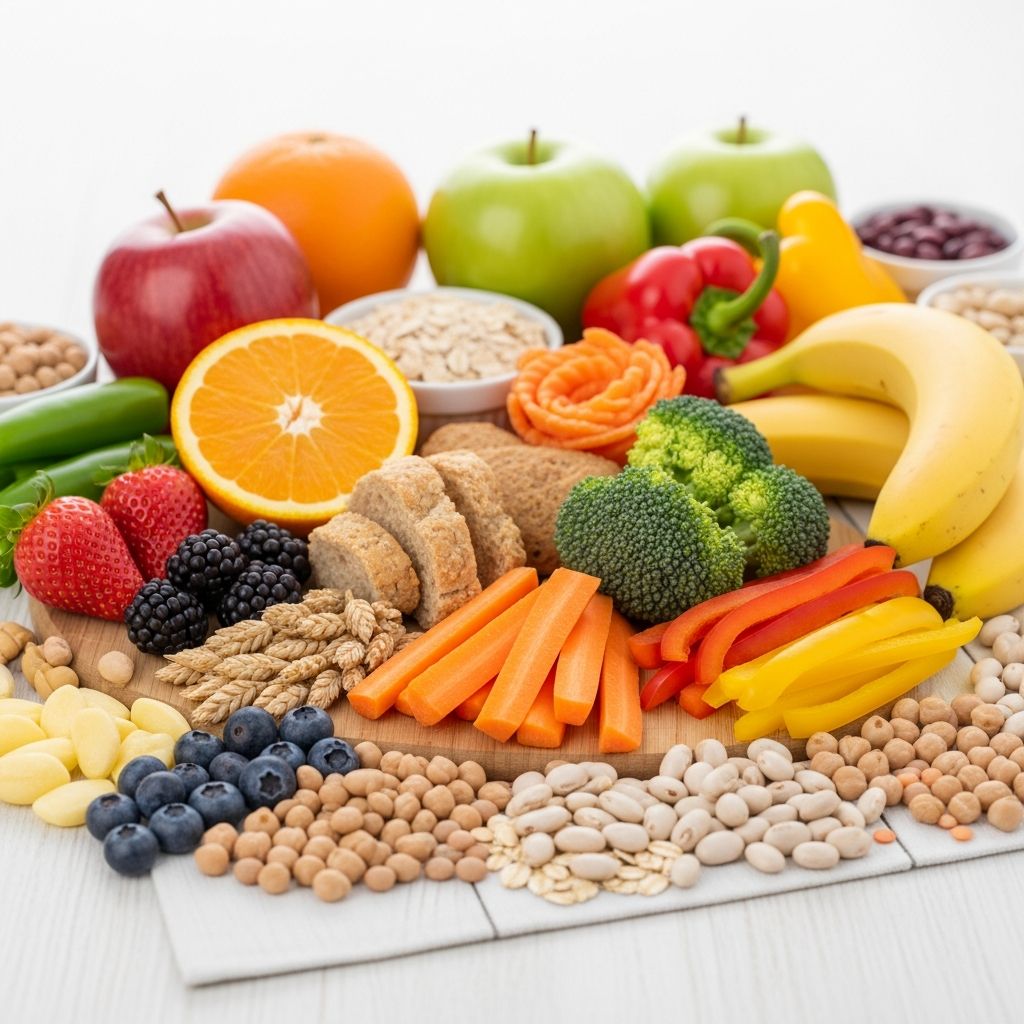
Fiber plays a crucial role in children’s digestive health, helping to prevent constipation, regulate blood sugar, and support steady energy levels throughout the day. Many kids fall short of recommended daily fiber intake, but introducing nutrient-dense foods can make a big difference without overwhelming picky eaters.
Understanding Fiber’s Role in Child Development
Dietary fiber consists of plant-based carbohydrates that the body cannot fully digest, coming in two main types: soluble and insoluble. Soluble fiber dissolves in water to form a gel-like substance that softens stool and aids in cholesterol and blood sugar control, found in foods like oats, beans, and certain fruits. Insoluble fiber adds bulk to stool, promoting regular bowel movements and found in whole grains, vegetables, and fruit skins.
For children, adequate fiber supports gut health by feeding beneficial bacteria, which can influence immunity and mood. The Academy of Pediatrics recommends children aged 1-3 get 19 grams daily, 4-8 years need 25 grams, and 9-13 years require 26-31 grams, scaling with age and calorie needs. Low fiber intake often leads to common issues like tummy troubles or sluggishness, but gradual increases paired with plenty of water mitigate discomfort.
Top Fruits Bursting with Fiber for Young Eaters
Fruits offer a sweet, approachable entry point for boosting fiber, often with skins that pack the most benefits. A medium apple with skin delivers about 4.5 grams of fiber, including pectin that supports blood sugar stability, making it ideal for snacks or lunchboxes. Pears match this with 5.5 grams per medium fruit, blending soluble and insoluble fibers to ease digestion and even help lower cholesterol absorption.
Raspberries shine with 8 grams per cup, providing antioxidants alongside insoluble fiber for smooth digestion—perfect tossed into yogurt or oatmeal. Berries like these are kid favorites due to their vibrant taste and texture. Prunes, though sometimes overlooked, offer concentrated fiber and natural laxative effects, while pears’ high water content adds hydration.
- Apple rings with nut butter: Slice into fun shapes for 4 grams plus extra from nut butter.
- Berry smoothies: Blend raspberries or strawberries for hidden fiber boosts.
- Pear slices with cheese: Combines 4-5 grams fiber with protein for satiety.
Vegetables That Sneak Fiber into Meals Effortlessly
Vegetables provide robust fiber alongside vitamins, though textures can challenge toddlers. Broccoli delivers 5 grams per cooked cup, combating oxidative stress while adding bulk—steam lightly for tenderness. Avocado, with 10 grams per medium fruit, pairs creamy fats with fiber, mashing easily onto toast for 5 grams total per quarter serving.
Sweet potatoes and carrots offer skin-on fiber, while broccoli florets work roasted or pureed. Introduce via familiar dishes: add shredded zucchini to muffins or sauces for undetectable nutrition. Popcorn (for ages 4+) gives 1 gram per cup, turning movie nights healthy.
| Vegetable | Fiber per Serving | Kid-Friendly Prep |
|---|---|---|
| Avocado | 10g (medium) | Mashed on toast |
| Broccoli | 5g (1 cup cooked) | Steamed with dip |
| Sweet Potato | 4g (medium baked) | Skin-on fries |
| Carrots | 3g (1 cup raw) | Shredded in muffins |
Whole Grains: Building Blocks for Daily Fiber
Swap refined grains for whole versions to multiply fiber effortlessly. Oatmeal or rolled oats provide soluble fiber for soft stools, with a serving hitting 4 grams—top with fruits for more. Whole-grain breads and pastas labeled ‘100% whole wheat’ ensure at least 3-5 grams per slice or cup.
High-fiber cereals like those with 5+ grams per serving (e.g., bran-based) start days strong, sprinkled with wheat germ. Crackers from whole grains or seeds pair with cheese for balanced snacks. Brown rice and whole wheat pasta integrate into family meals seamlessly.
- Choose cereals with >5g fiber/serving for breakfast wins.
- Whole-grain tortillas for mini pizzas or wraps.
- Barley or bran muffins for baked goods with 3-5g boosts.
Legumes and Seeds: Powerhouses of Plant Protein and Fiber
Beans, lentils, and seeds deliver the highest fiber punches. Half-cup cooked lentils offer 7.8 grams, enhancing gut diversity in soups or patties. Chickpeas roasted yield 6 grams per ounce, crunchy like nuts. Chia seeds pack 10 grams per ounce, sprinkling into smoothies effortlessly.
Edamame provides 4 grams per half-cup, fun from pods. Black beans, split peas (8.2g/half-cup), and garbanzos fit tacos or dips. Flaxseeds ground add 3 grams per two tablespoons to baked goods or yogurt.
Start small to avoid gas: rinse canned beans, blend into sauces, or use hummus.
Creative Snack Ideas to Hit Fiber Goals
Snacks bridge meals for consistent intake. Almond butter and strawberry whole-grain sandwiches double fiber over PB&J. Trail mix with nuts (ages 4+), dried fruit, and seeds offers portability. Pumpkin puree muffins provide 3.5 grams per half-cup, year-round flavor.
Avocado toast empowers older kids independently. Popcorn lightly seasoned or apple ‘donuts’ with toppings engage creativity. CLIF Kid Zbar bars contribute 2-3 grams via oats. Aim for fiber-rich choices like raw veggies with dip or high-fiber granola bars.
Practical Strategies for Picky Eaters and Families
Boost fiber gradually—increase by 5 grams weekly with extra water to prevent bloating. Model eating by sharing plates. Shop affordably: stock canned beans, oats, frozen edamame. Hide in favorites: blend beans into brownies, seeds in pancakes.
For budgets, prioritize staples like lentils, brown rice. Involve kids in prep for ownership. Track via apps if needed, but focus on whole foods over supplements.
Age-Appropriate Fiber Guidelines and Precautions
| Age Group | Daily Fiber Goal | Water Intake Tip |
|---|---|---|
| 1-3 years | 19g | 4-5 cups fluids |
| 4-8 years | 25g | 5-6 cups |
| 9-13 years | 26-31g | 7-8 cups |
Choke hazards like whole nuts limit to ages 4+; popcorn same. Balance insoluble fiber with water to avoid hard stools. Consult pediatricians for constipation persistence.
Frequently Asked Questions
What if my child resists fiber-rich foods?
Start small, mix into favorites, and use fun shapes. Consistency and involvement help build acceptance.
Can too much fiber harm kids?
Excess without water may cause discomfort; increase gradually and monitor hydration.
Are fiber supplements safe for children?
Whole foods preferred; supplements only under doctor guidance.
How do I know if my child gets enough fiber?
Regular bowels, energy, and diet checks indicate success. Use food labels for grams.
Best first fiber foods for toddlers?
Pears, oats, avocado—soft, mild, and digestible.
References
- 15 Best Fiber Snacks for Kids — Clif Bar. 2023. https://www.clifbar.com/stories/15-best-fiber-snacks-for-kids
- Top 10 Healthy Fiber-Rich Foods — Kids Klinic. 2024. https://www.kidsklinic.us/blogs/top-10-healthy-fiber-rich-foods
- The best high-fiber foods to combat toddler constipation — Summer Health. 2024. https://www.summerhealth.com/blog/high-fiber-foods-for-toddler-constipation
- Fiber for kids’ health: Why it matters and how to get enough — CHOC. 2023-10-15. https://health.choc.org/fiber-for-kids-health/
- High Fiber Diet — Nationwide Children’s Hospital. 2024. https://www.nationwidechildrens.org/family-resources-education/health-wellness-and-safety-resources/helping-hands/high-fiber-diet
- High fiber diet — Texas Children’s Hospital. 2023. https://www.texaschildrens.org/sites/default/files/uploads/documents/diabetes/transition/High%20fiber%20diet%205680.pdf