Hepatitis B is a serious virus that can quietly damage the liver for many years, sometimes leading to cirrhosis or liver cancer in adulthood. The hepatitis B vaccine is a powerful way to protect children from this infection, starting from the first days of life and continuing through the teen years when needed.
This guide explains in simple, practical terms what hepatitis B is, how the vaccine works, why it is started so early, and what parents can expect at each stage. You will also find common questions answered clearly so you can make informed decisions for your family.
Understanding Hepatitis B and the Liver
To understand why the vaccine matters, it helps to know what hepatitis B does inside the body. Hepatitis simply means “inflammation of the liver.” The hepatitis B virus targets liver cells and can cause both short-term and long-term infection.
- Acute infection: A short-term illness that happens soon after someone gets the virus. Many children and even adults may have few or no symptoms, which means the infection can go unnoticed.
- Chronic infection: A long-term condition in which the virus remains in the body for years. This ongoing inflammation can scar the liver (cirrhosis) and raise the risk of liver failure or liver cancer later in life.
Because babies and young children have developing immune systems, they are especially likely to become chronically infected if they catch hepatitis B. Preventing infection early in life can therefore prevent serious liver disease decades later.
How the Hepatitis B Vaccine Protects Children
The hepatitis B vaccine teaches the immune system to recognize and fight the virus without causing the disease itself. The vaccine contains a purified protein from the surface of the virus, not the live virus, so it cannot give your child hepatitis.
- After each dose, the immune system makes antibodies that specifically target hepatitis B.
- These antibodies stay in the body and act like a memory, so if the real virus appears later, the immune system can respond quickly and strongly.
- Completing the full series dramatically reduces the chance of infection if your child is ever exposed.
Because the virus is spread through blood and body fluids, protection matters from the very beginning of life, especially for babies whose mothers have hepatitis B or whose status is not known.
Who Should Receive the Hepatitis B Vaccine?
Health experts recommend hepatitis B vaccination for all infants, children, and unvaccinated teens, not only for those at obvious risk. Many people who become infected never know exactly when or how they were exposed.
Groups typically advised to receive the vaccine
- Newborns: Most babies receive their first dose during their hospital stay after birth.
- Infants and toddlers: Follow-up doses are given during routine checkups in the first year of life.
- Children and preteens: Any child who missed the series earlier can catch up through their pediatrician or school clinic.
- Teens and adults at higher risk: People with certain medical conditions, those who live with someone who has hepatitis B, or who may be exposed through work or travel are also encouraged to get vaccinated.
Even if no one in your family has hepatitis B, vaccination is still important because the virus can be passed silently and may not cause obvious illness right away.
Typical Hepatitis B Vaccine Schedule for Children
The vaccine is usually given as a series of three or sometimes four doses, depending on the exact product used and whether it is combined with other vaccines. Your child’s doctor will follow the schedule recommended in your country or region.
| Child’s Age | Usual Dose Number | Typical Setting |
|---|---|---|
| Birth (within 24 hours) | First dose | Hospital or birthing center |
| 1–2 months | Second dose | Pediatric or family doctor visit |
| 6–18 months | Third dose | Routine well-baby checkup |
Some combination vaccines (which protect against several diseases in one shot) may adjust this timing slightly, but the goal is the same: complete the full series within the first 1–2 years of life. If your child starts late, a “catch-up” schedule can be used without starting over from the beginning.
Why Vaccination Starts at Birth
Many parents are surprised that a vaccine is recommended so soon after delivery. There are several important reasons that experts recommend a birth-dose hepatitis B shot for nearly all newborns.
- Protection from infected mothers: If a pregnant person has hepatitis B, the virus can pass to the baby during birth. A shot given within the first 24 hours, often along with another protective medicine, greatly lowers this risk.
- Safety net for missed testing: In some situations, the parent’s infection status may be unknown or test results delayed. The birth dose gives the baby immediate protection while any questions are clarified.
- Early start on long-term protection: The earlier the series is started, the sooner the baby begins building antibodies that can last well into adulthood.
Even babies whose parents test negative for hepatitis B benefit from receiving the vaccine on time, because it closes gaps where testing or records might not be perfect and offers early protection against future exposures.
Common Side Effects and What to Expect
Like other childhood vaccines, the hepatitis B shot can cause mild side effects in some children. These reactions are usually short-lived and clear on their own without treatment beyond basic comfort measures.
Typical mild reactions
- Soreness, redness, or slight swelling where the shot was given.
- Low-grade fever for a day or two.
- Fussiness, sleepiness, or a temporary change in appetite in infants and toddlers.
To help your child feel better, you can offer extra cuddling, breastmilk or formula, and light clothing if there is a mild fever. Your pediatrician may also recommend an age-appropriate pain reliever if needed, but do not give medicine without checking the correct dose and safety first.
Rare but serious reactions
- Severe allergic reactions to the vaccine are extremely uncommon, but can include trouble breathing, swelling of the face or throat, or a widespread rash.
- These reactions typically happen within minutes to an hour after the shot, which is why clinics ask families to stay nearby briefly after vaccination.
If you ever notice worrisome symptoms after any vaccine, seek medical care right away. Serious reactions are rare, but rapid treatment is important if they occur.
Benefits of the Hepatitis B Vaccine for Families
The benefits of protecting children from hepatitis B extend far beyond early childhood. Because the virus can stay in the body for years, preventing infection in childhood prevents future health problems and also helps protect the wider community.
- Long-term liver protection: Fewer children develop chronic hepatitis B, which means fewer adults later face cirrhosis, liver failure, or liver cancer linked to the infection.
- Lower risk of household spread: If children are protected, the chance of passing the virus within families or among close contacts is reduced.
- Peace of mind: Parents do not have to worry as much about unseen exposures at school, in sports, or later in life.
- Public health benefits: Widespread vaccination helps lower the total number of infections in the community, protecting those who cannot receive the vaccine or do not respond fully.
When weighed against the small risk of mild side effects, the long-term benefits of the hepatitis B vaccine for both individual children and society are very significant.
Who Might Need to Delay or Avoid the Vaccine?
Most babies and children can safely receive the hepatitis B vaccine on schedule. There are, however, a few situations in which a doctor may recommend waiting or not giving further doses.
- Previous severe allergic reaction: If a child had a life-threatening allergy after a dose of hepatitis B vaccine in the past, specialists will usually advise against additional doses.
- Known allergy to a vaccine ingredient: Children who are allergic to a specific component of the vaccine may need an alternative plan.
- Moderate or severe illness at visit time: If a child has a high fever or appears very unwell, the healthcare provider may delay vaccination until recovery.
Discuss your child’s medical history, medications, and any allergies with the healthcare provider before vaccination. In many cases, even children with chronic health conditions benefit greatly from being protected against hepatitis B.
Preparing Your Child for the Shot
Even though babies and young toddlers may not understand what is happening, small steps can make vaccination visits more comfortable and less stressful for everyone involved.
Tips for parents and caregivers
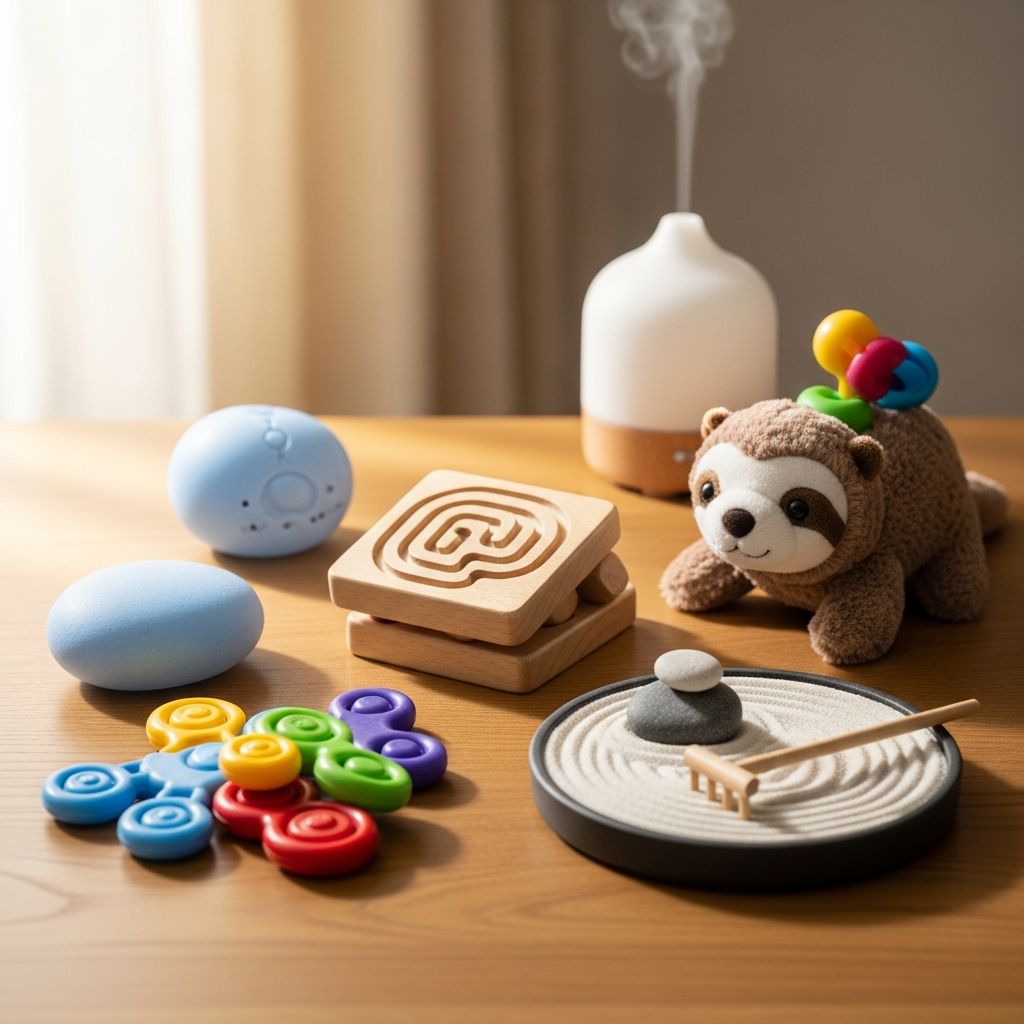
- Bring a favorite blanket, toy, or pacifier to help soothe the baby after the shot.
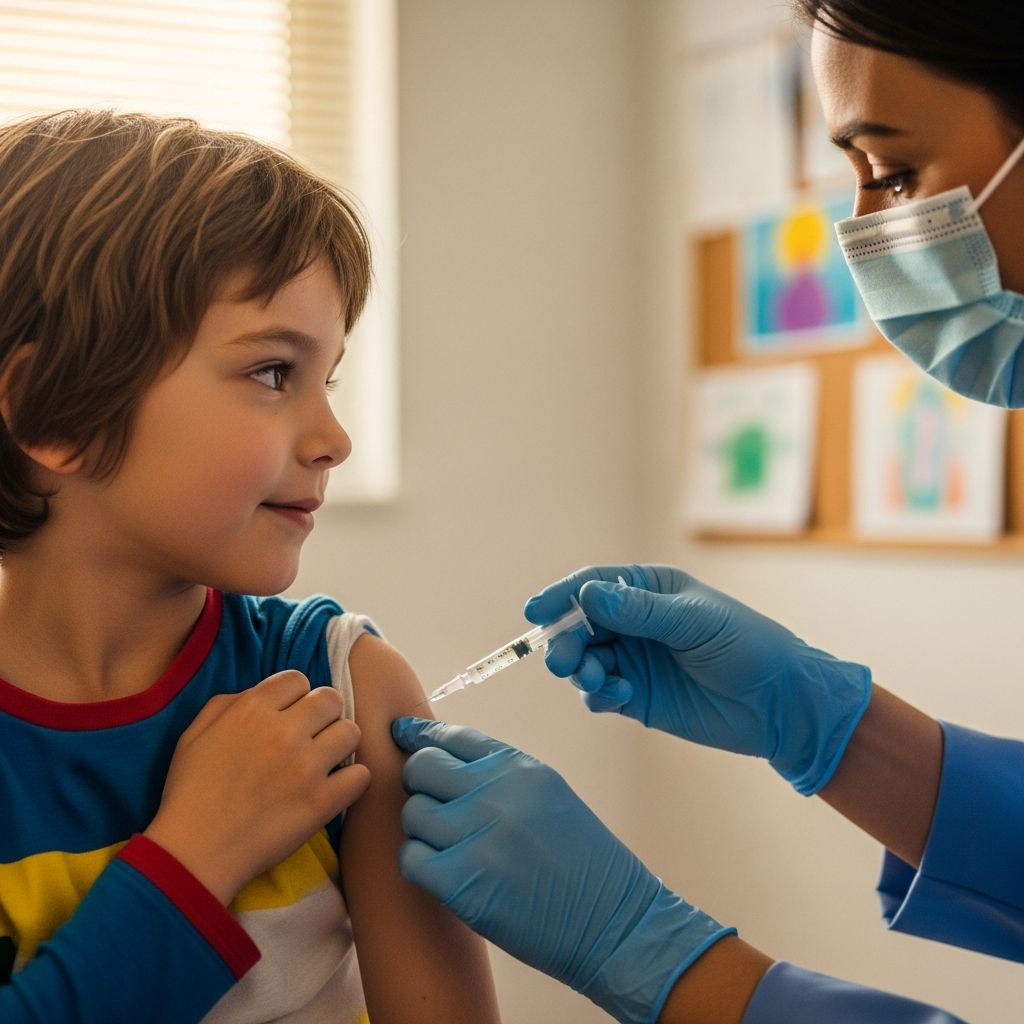
- Hold your child or maintain gentle physical contact during the injection if the clinic allows.
- Speak in a calm, reassuring voice; babies can sense tension and may become more upset if adults appear anxious.
- Plan extra time after the visit in case your child is sleepy or fussy and needs quiet time at home.
For older children and teens, it often helps to explain in simple language why the vaccine is important, acknowledge that it may sting briefly, and offer praise or small rewards for cooperating.
Hepatitis B Vaccine and Other Childhood Shots
Because babies receive several vaccines in the first year of life, parents sometimes worry that combining shots may overwhelm the immune system. Medical research shows that the recommended vaccine schedule is carefully designed and safe for infants.
- The hepatitis B vaccine is often given at the same visit as other routine immunizations without reducing its effectiveness.
- Combination vaccines, which protect against multiple diseases at once, can reduce the number of separate injections your child receives.
- Spacing or delaying vaccines without medical reason can leave children vulnerable to multiple infections at once.
Your child’s doctor can explain which vaccines are being given at each visit and how they fit together to provide broad protection.
Frequently Asked Questions About the Hepatitis B Vaccine
Is the hepatitis B vaccine really necessary if no one in our family has the virus?
Yes. Many people with hepatitis B do not know they are infected, and children may be exposed in ways that are not obvious, such as small contact with blood or body fluids during daily life. Vaccinating every child helps prevent both visible and hidden routes of transmission.
How long does protection from the vaccine last?
Studies show that people who complete the full series as babies or children usually maintain long-term protection, even if antibody levels in the blood decrease over time. The immune system keeps a “memory” of the virus and can respond quickly if exposed later, so routine booster doses are not typically needed for healthy children.
Can the vaccine cause hepatitis or other long-term illnesses?
No. The hepatitis B vaccine does not contain live virus and cannot cause hepatitis. Large studies have found no link between the vaccine and chronic conditions such as multiple sclerosis or developmental problems.
What if my child misses a scheduled dose?
If a dose is delayed, the series does not need to be restarted. Your healthcare provider can simply continue from where your child left off and adjust the timing of the remaining doses. Finishing the series is more important than perfect spacing.
Will my baby feel very sick after the shot?
Most babies have either no reaction or only mild symptoms like brief fussiness or slight soreness at the injection site. Serious side effects are rare. If you are worried about how your baby is acting after the vaccine, contact your pediatrician for guidance.
How can I keep track of my child’s hepatitis B shots?
Ask your child’s doctor or clinic for a printed or digital immunization record and bring it to every visit. Many healthcare systems also have patient portals or apps that list completed vaccines and show when the next dose is due.
Talking With Your Child’s Healthcare Provider
Trust is an important part of any decision about your child’s health. If you have concerns about the hepatitis B vaccine, bring them up openly with your pediatrician or nurse and ask for clear explanations.
- Prepare a list of questions in advance so you do not forget them during the visit.
- Ask about the benefits and risks of the vaccine, how long protection lasts, and what to expect after the shot.
- Request written materials or reputable websites if you want to read more at home.
A good healthcare provider will welcome your questions and work with you to create a vaccination plan that fits your child’s medical needs while still providing strong protection against hepatitis B.
Key Takeaways for Busy Parents
Parenting comes with many decisions, and vaccine choices are among the most important. When it comes to hepatitis B, a simple series of shots early in life offers powerful, long-term protection.
- Hepatitis B can cause serious, lifelong liver disease, especially when infection happens in infancy or early childhood.
- The vaccine is given as a series, often starting at birth, and is designed to be both safe and highly effective.
- Most side effects are mild and temporary, while the benefits of preventing chronic infection can last a lifetime.
- Open conversations with your child’s doctor can help address any questions and keep your child’s vaccination schedule on track.
By choosing hepatitis B vaccination for your child, you are investing in their long-term liver health and contributing to a healthier, better protected community.