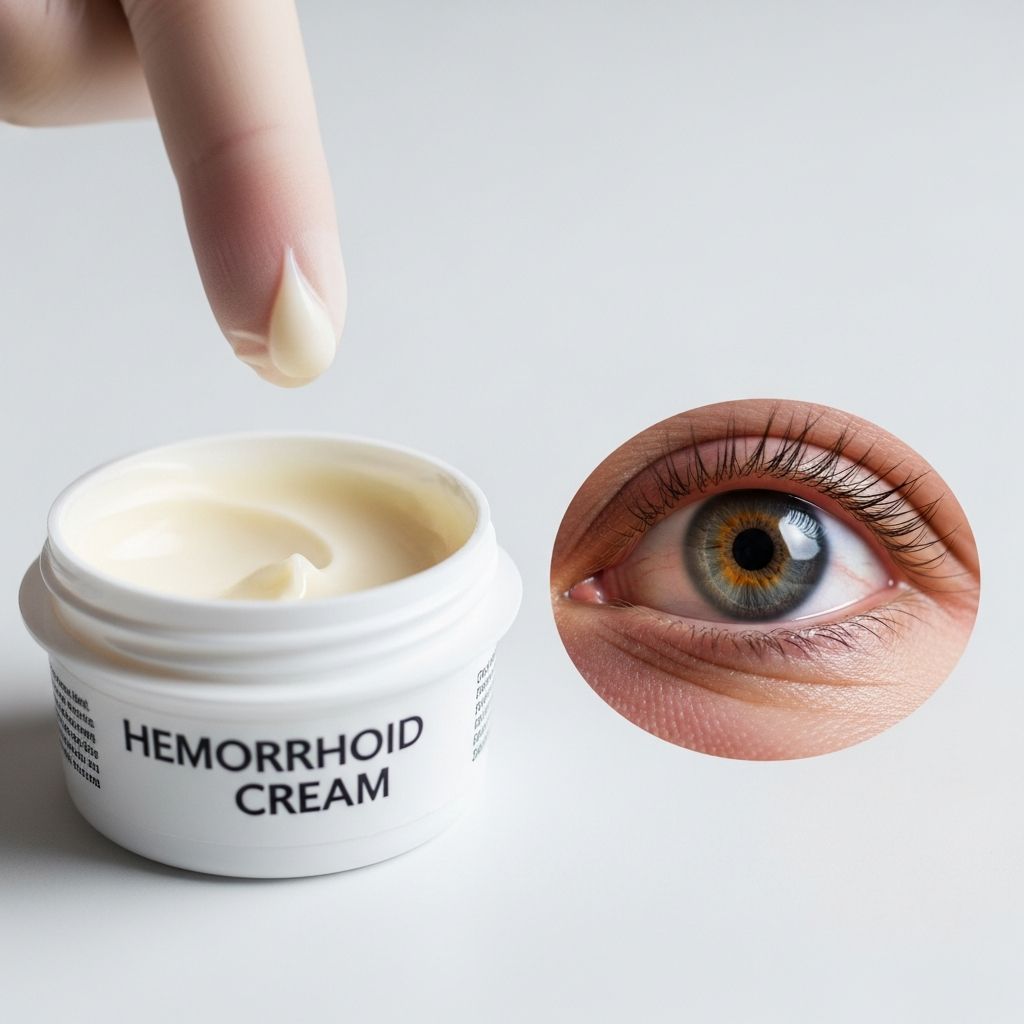
Rumors about using hemorrhoid creams like Preparation H under the eyes have been circulating for decades. Some people swear it deflates morning bags before a big event; others warn it is a terrible idea. This article takes a research-based look at why our eyes get puffy, what hemorrhoid creams actually do, and which strategies are safer and more effective for reducing under-eye swelling.
Why Do Eyes Look Puffy in the First Place?
Before turning to any cream or quick fix, it helps to understand what is really causing the swelling. Under-eye puffiness is usually a combination of fluid retention, changes in fat pads, and skin aging rather than a single problem.
Common Causes of Under-Eye Puffiness
- Fluid buildup in the thin tissue around the eyes, often more noticeable in the morning.
- Lack of sleep or fatigue, which can worsen fluid retention and dull skin tone.
- Salty foods and alcohol, which cause the body to hold onto extra water.
- Allergies or sinus congestion, which trigger inflammation around the eyes and nose.
- Aging and genetics, which weaken the tissues and let fat pads bulge forward, forming permanent “bags.”
- Eye irritation or eyelid conditions such as blepharitis or infection, which can cause swelling, redness, or pain.
In many people, puffy eyes are mainly a cosmetic concern and not a sign of disease. But sudden, painful, or one-sided swelling should always be checked by a medical professional.
Temporary Puffiness vs. True Eye Bags
Not all puffiness is the same. That matters when deciding whether any cream, including hemorrhoid cream, could help.
| Type of under-eye issue | What it looks like | What usually helps |
|---|---|---|
| Fluid-related puffiness | Comes and goes, often worse in the morning, may improve during the day. | Lifestyle tweaks, cold compresses, allergy control, gentle skincare. |
| Fat pad “bags” | Persistent bulging under the eyes, often linked to aging or family traits. | Professional procedures such as fillers, laser treatments, or eyelid surgery. |
| Inflammatory swelling | Red, sore, itchy, or hot eyelids; may signal infection, allergy, or blepharitis. | Medical evaluation, prescription or over-the-counter medications as advised. |
What Is Hemorrhoid Cream Designed to Do?
Hemorrhoid creams are formulated for the anal and rectal area, not for delicate eyelid skin. Formulations vary by country and brand, but they typically aim to:
- Reduce swelling and inflammation of hemorrhoidal tissue.
- Constrict nearby blood vessels to ease itching, burning, and discomfort.
- Provide a protective barrier to reduce irritation during bowel movements.
Some older or non–U.S. versions contained strong vasoconstrictors (ingredients that narrow blood vessels), which may explain why people began experimenting with them for puffy eyes. However, even when vasoconstriction is present, it is targeted at a very different type of tissue than the eyelid.
Why People Think It Might Help Under-Eye Bags
The logic behind this beauty hack is simple: if hemorrhoid creams can shrink swollen tissue and constrict blood vessels, perhaps they might also temporarily lessen the look of under-eye puffiness. In theory, vasoconstriction could reduce redness and mild swelling for a short period. But that does not mean the product is safe or appropriate for use near the eyes.
Safety Concerns: Hemorrhoid Cream Near the Eyes
Most eye care and skin health experts strongly discourage using hemorrhoid cream on or near the eyelids because of irritation risk and the possibility of serious eye injury if the product gets into the eye itself.
Potential Risks
- Severe stinging and redness of the thin eyelid skin.
- Contact dermatitis (an allergic or irritant rash) due to fragrances, preservatives, or active ingredients.
- Eye surface damage or chemical irritation if the cream migrates into the eye.
- Worsening swelling in people who react poorly to the product.
- Possible interaction with other products you use around the eye, including prescription drops.
The eyelids are already prone to inflammatory conditions such as blepharitis, where oil glands along the lash line become clogged and irritated. Adding a product that was never tested or approved for eye-area use can aggravate these problems rather than solve them.
Regulatory and Dermatology Perspective
Medical centers emphasize that most under-eye puffiness is better addressed through lifestyle changes, cosmetics formulated for the eye area, or, when needed, dermatologic procedures—not by repurposing medications intended for other body parts. Hemorrhoid creams are not tested as eye-area cosmetics, so their safety profile in this region is unknown, and any use there would be considered off-label and risky.
Evidence-Based Ways to Reduce Under-Eye Puffiness
There is no single magic ingredient that permanently banishes bags, but there are several research-backed strategies that can help, depending on the cause of your puffiness.
Simple At-Home Measures
For mild, temporary swelling, these approaches are often enough:
- Cool compresses: Apply a clean, damp, cool washcloth or chilled eye mask over closed eyes for a few minutes to help constrict vessels and reduce fluid.
- Elevated sleep position: Sleeping with your head slightly raised helps fluid drain rather than pooling under the eyes.
- Improve sleep habits: Aim for consistent, high-quality sleep to reduce fatigue-related puffiness.
- Cut back on salt: Reducing sodium intake helps the body stop retaining excess water.
- Stay hydrated, but time your fluids: Drink enough water throughout the day, but avoid large amounts right before bed.
Managing Allergies and Sinus Issues
If your puffiness is tied to allergies, nasal congestion, or sinus problems, treating those root causes is key.
- Use allergy medications such as oral antihistamines or antihistamine eye drops as advised by your provider.
- Limit exposure to known triggers like pollen, pet dander, or dust when possible.
- Consider a saline nasal rinse or neti pot to clear congested sinuses, which may reduce eye-area swelling.
Because allergy-related swelling can look similar to cosmetic puffiness, it is worth discussing persistent symptoms with a clinician, especially if you have itching, burning, or watery eyes.
Skincare Ingredients That May Help
Eye creams are often criticized for lofty promises, but some ingredients do have a logical role in caring for the under-eye area:
- Humectants (like glycerin or hyaluronic acid) to hydrate and plump fine lines, which can make puffiness less noticeable.
- Peptides and gentle retinoids (designed for eye use) to support collagen and skin firmness over time.
- Caffeine-based eye gels to temporarily constrict superficial blood vessels and reduce mild swelling.
Choose products labeled as ophthalmologist tested or specifically made for the eye contour. Always patch test new formulas to check for irritation, especially if you have sensitive skin or wear contact lenses.
When Professional Treatments Make Sense
If your main concern is persistent under-eye bags from age-related fat pad changes or significant skin laxity, creams (hemorrhoid or otherwise) will only do so much. In these cases, specialists may suggest:
- Injectable fillers under or around the tear trough to smooth transitions between the cheek and lower eyelid.
- Laser resurfacing or chemical peels to improve texture and stimulate collagen in the under-eye skin.
- Lower eyelid surgery (blepharoplasty) to remove or reposition fat and tighten skin for more lasting results.
These options should be discussed with a board-certified dermatologist or oculoplastic surgeon, who can evaluate your anatomy and medical history before recommending any procedure.
Comparing Options: Hemorrhoid Cream vs. Safer Approaches
The table below summarizes how hemorrhoid cream stacks up against more appropriate strategies for puffy eyes.
| Approach | Intended use | Pros | Cons / Risks |
|---|---|---|---|
| Hemorrhoid cream under eyes | Formulated for hemorrhoidal tissue, not eyelids | Theoretical short-term vessel constriction | Risk of irritation, dermatitis, and eye injury; off-label and not safety-tested for this area |
| Cool compresses | General soothing method for swelling | Safe, inexpensive, may quickly improve mild puffiness | Temporary effect; must be repeated as needed |
| Eye creams formulated for eye area | Cosmetic improvement of texture, tone, and mild puffiness | Designed for delicate eyelid skin, often ophthalmologist tested | Results are modest; some formulas may still irritate sensitive eyes |
| Lifestyle and allergy management | Address systemic causes of swelling | Improves overall health, can significantly reduce recurring puffiness | Requires consistency and may not fully correct age-related bags |
| Dermatologic or surgical procedures | Structural correction of fat pads and excess skin | Most impactful and durable improvement for true under-eye bags | Cost, downtime, and medical risks; requires specialist evaluation |
Practical Tips to De-Puff Without Hemorrhoid Cream
If you are looking for realistic, safer ways to look more rested, consider building a simple routine that touches on lifestyle, quick fixes, and long-term care.
Daily Habits That Support Less Puffiness
- Keep sodium intake within recommended limits (generally under 2,300 mg per day for most adults).
- Limit alcohol, especially at night, as it can disrupt sleep and contribute to dehydration and morning swelling.
- Do not smoke; smoking accelerates skin aging and can worsen eye-area problems.
- Remove eye makeup gently every night to avoid rubbing and irritation.
- Use sunglasses and broad-spectrum sunscreen around the eyes to protect from UV damage that weakens skin over time.
Quick Morning De-Puff Routine
- Rinse the face with cool (not icy) water.
- Apply a chilled, damp cloth or eye mask over closed eyes for 5–10 minutes.
- Gently tap or massage with clean fingertips or a cold metal roller to encourage fluid drainage.
- Follow with a lightweight eye cream or gel formulated for your skin type.
- Finish with concealer or brightening cosmetics if desired; makeup can camouflage what skincare cannot completely remove.
Frequently Asked Questions (FAQs)
Is it ever safe to use hemorrhoid cream on puffy eyes just once?
Because these products are not formulated or safety-tested for the eye area, even one-time use carries a risk of irritation or eye injury, especially if the cream migrates toward the lashes. Safer alternatives like cool compresses and proper eye creams are strongly preferable.
Why are my eyes so puffy in the morning but better later?
When you lie down, fluid can accumulate in the tissues around the eyes, especially with age as tissues lose elasticity. Once you are upright and blinking, that fluid gradually redistributes, so the puffiness often improves over a few hours.
Can diet really make a difference in under-eye swelling?
Yes. High-sodium meals cause the body to retain more water, which can make the under-eye area look swollen the next day. Cutting back on salty, processed foods and staying well-hydrated can reduce this type of puffiness.
When should I see a doctor about puffy eyes?
Seek medical advice if swelling is sudden, severe, painful, associated with vision changes, or affects only one eye, as these may indicate infection, inflammation, or other eye conditions that need prompt care. You should also see a clinician if home measures fail and the appearance is causing you significant distress.
Will any cream permanently get rid of eye bags?
Topical products can hydrate, brighten, and slightly tighten the skin, but they cannot permanently reverse structural fat pad changes or advanced skin laxity. For lasting results in those cases, procedures like fillers or blepharoplasty performed by qualified specialists are usually required.
References
- Bags under eyes: Diagnosis and treatment — Mayo Clinic Staff. 2022-08-24. https://www.mayoclinic.org/diseases-conditions/bags-under-eyes/diagnosis-treatment/drc-20369931
- What causes puffy eyes and how do you get rid of them? — All About Vision. 2023-06-29. https://www.allaboutvision.com/eye-care/cosmetic/puffy-eyes/
- Under-Eye Swelling: Causes, Symptoms, and Treatments — Healthline. 2022-09-27. https://www.healthline.com/health/eye-health/causes-of-under-eye-swelling
- Puffy Swollen Eyes: Causes & Treatment — Pearle Vision. 2023-03-15. https://www.pearlevision.com/en-us/eye-condition/puffy-swollen-eyes/
- Under-eye swelling (puffy eyes): Causes, treatment, and more — Medical News Today. 2023-04-19. https://www.medicalnewstoday.com/articles/swollen-under-eye
- Blepharitis (Eyelid Inflammation): Causes & Treatment — Cleveland Clinic. 2022-11-09. https://my.clevelandclinic.org/health/diseases/10032-blepharitis
- Swollen Eyelids: Treatment and Remedies — WebMD Editorial Staff. 2023-01-20. https://www.webmd.com/skin-problems-and-treatments/remedies-to-relieve-swollen-eyelid
- Bags under eyes: Symptoms and causes — Mayo Clinic Staff. 2022-08-24. https://www.mayoclinic.org/diseases-conditions/bags-under-eyes/symptoms-causes/syc-20369927