What Is Hemoglobin and Why It Matters for Your Child
Hemoglobin is a vital protein found within red blood cells that serves a critical function in your child’s body—it transports oxygen from the lungs to tissues throughout the system and carries carbon dioxide back to the lungs for removal. Think of hemoglobin as a delivery system that ensures every cell in your child’s body receives the oxygen it needs to function properly. When hemoglobin levels are adequate, children have the energy and stamina required for daily activities, growth, and development.
The hemoglobin test measures the concentration of this protein in your child’s blood and provides doctors with essential information about oxygen-carrying capacity. This simple blood test has become a cornerstone of pediatric health assessment, offering insights into various conditions ranging from nutritional deficiencies to serious blood disorders.
When and Why Doctors Order Hemoglobin Tests
Hemoglobin testing is ordered for numerous clinical reasons. Pediatricians typically include this test as part of a routine physical examination or a complete blood count (CBC), which provides a comprehensive picture of your child’s blood health. Beyond routine screening, doctors may specifically request hemoglobin testing when certain situations arise in your child’s medical history or current symptoms.
Common reasons physicians order this test include:
- Evaluation of fatigue, weakness, or persistent paleness in your child
- Suspected nutritional deficiencies, particularly iron, vitamin B12, or folic acid
- Monitoring treatment response for conditions like cancer or blood disorders
- Assessment following significant blood loss or injury requiring surgery
- Investigation of heavy menstrual bleeding in adolescent girls
- Evaluation of chronic health conditions affecting bone marrow function
- Screening before and after major surgical procedures
- Monitoring the effects of medications known to impact blood cell production
The Hemoglobin Testing Procedure: What to Expect
Understanding what happens during a hemoglobin test can help ease both your anxiety and your child’s concerns. The procedure is straightforward and typically takes only a few minutes.
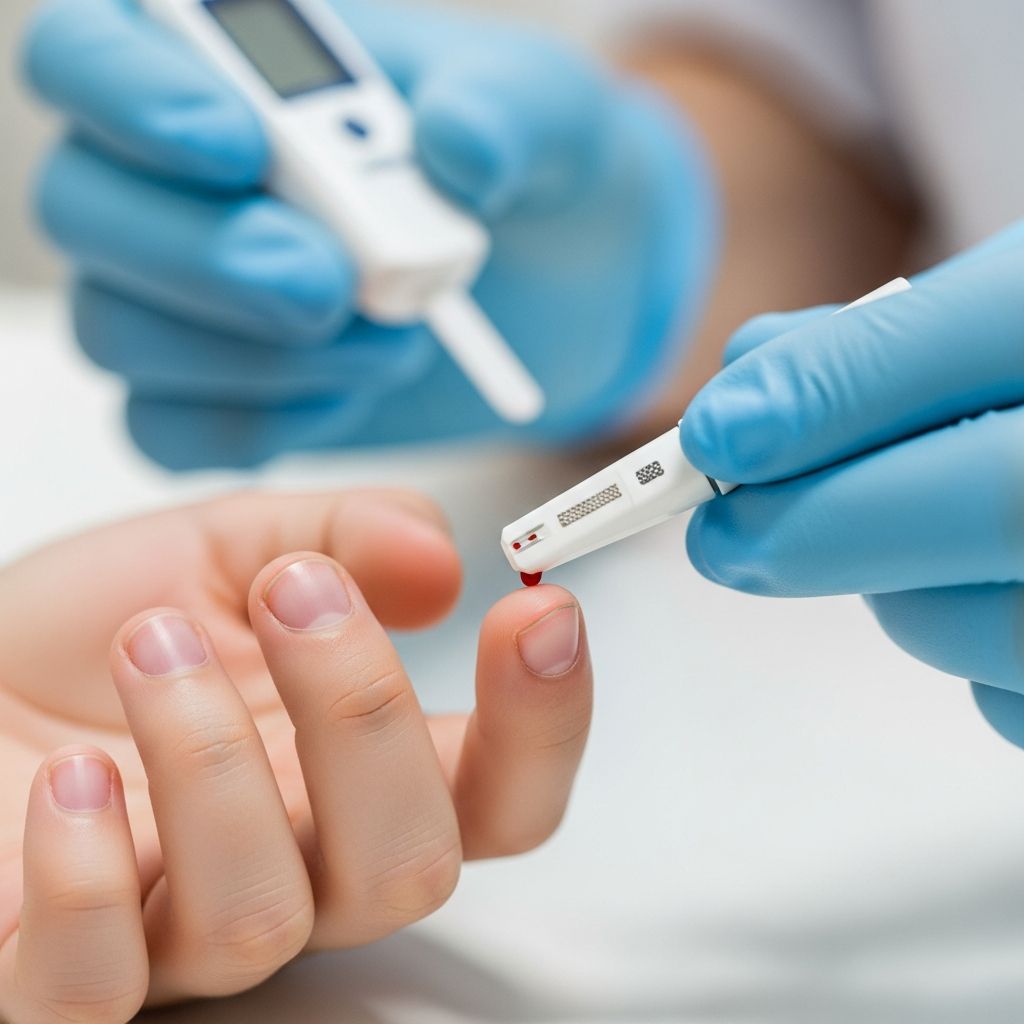
For most children, a healthcare provider will insert a small needle into a vein in the arm or the back of the hand to draw a blood sample. The amount of blood collected is minimal—usually just a few milliliters. For infants and very young children, the technician may use an alternative method, pricking the heel or finger to obtain a small drop of blood. This alternative approach is often less distressing for babies and small toddlers.
The blood sample is then placed in a special tube containing anticoagulant to prevent clotting. The tube is transported to the laboratory where automated cell counters convert all forms of hemoglobin to cyanomethemoglobin, a colored protein that can be measured precisely using specialized equipment.
After the blood draw, your child may be asked to rest briefly in the office to ensure they don’t experience dizziness or lightheadedness. Most children can resume normal activities immediately following the test. Mild bruising at the needle site is common but typically resolves within a few days.
Preparation Tips for Your Child
While hemoglobin testing requires no special physical preparation such as fasting, preparing your child emotionally and psychologically can make the experience smoother.
- Explain the test in age-appropriate language without using frightening words
- Describe the sensation as a small pinch rather than a painful procedure
- Allow your child to ask questions and express concerns beforeli>
- Practice deep breathing or relaxation techniques together before the appointment
- Bring a comfort item such as a favorite stuffed animal or blanket
- Dress your child in clothing that allows easy access to the arm
- Stay calm and positive—children often mirror parental anxiety
- Arrange for a reward or pleasant activity after the test to provide positive reinforcement
Understanding Normal Hemoglobin Ranges for Children
Normal hemoglobin values vary significantly based on your child’s age and sex, reflecting their developmental stage and physiological needs. Newborns and infants have notably higher hemoglobin levels than older children because their developing bodies require substantially more oxygen—roughly three times the amount per body weight compared to adults.
The following represents typical normal hemoglobin ranges across childhood:
| Age Group | Normal Hemoglobin Range (g/dL) |
|---|---|
| Newborns | 14-24 |
| 0-2 weeks old | 12-20 |
| 2-6 months old | 10-17 |
| 6 months to 1 year | 9.5-14 |
| 1-6 years old | 9.5-14 |
| 6-18 years old | 10-15.5 |
It’s important to note that normal ranges can vary slightly between different laboratory facilities and testing methods. Your child’s healthcare provider will interpret results within the context of their specific laboratory’s standards and your child’s individual clinical situation.
Low Hemoglobin Levels: Understanding Anemia
When hemoglobin levels fall below the normal range for your child’s age, the condition is called anemia. This means your child’s blood cannot carry adequate oxygen to tissues, affecting energy levels and overall health.
Hemoglobin levels can decrease for various reasons. During intensive medical treatments like chemotherapy for cancer, the bone marrow’s ability to produce new red blood cells becomes severely compromised, resulting in declining hemoglobin levels. Similarly, nutritional deficiencies—particularly insufficient iron, vitamin B12, or folic acid—can prevent the body from manufacturing adequate hemoglobin.
When hemoglobin drops significantly, children may exhibit visible signs including:
- Unusual paleness or pallor in the skin and mucous membranes
- Shortness of breath, even during light activity
- Persistent fatigue and lack of energy
- Difficulty concentrating at school or during activities
- Frequent headaches
- Dizziness or lightheadedness
- Cold hands and feet
- Rapid or irregular heartbeat
If your child develops any of these symptoms between tests, contact your pediatrician promptly for evaluation.
Elevated Hemoglobin Levels: When Values Rise Too High
While less common than anemia in children, elevated hemoglobin levels can also indicate underlying health concerns. Higher than normal hemoglobin concentration means the blood contains more oxygen-carrying protein than needed, which can actually thicken the blood and impair circulation.
Elevated hemoglobin may result from dehydration, living at high altitude where the body produces more red blood cells to compensate for lower oxygen levels in the air, or certain bone marrow disorders that increase red blood cell production. Less frequently, chronic lung or heart conditions can trigger increased hemoglobin production as the body attempts to enhance oxygen availability.
Related Blood Tests That Often Accompany Hemoglobin Testing
Hemoglobin testing rarely occurs in isolation. Your child’s doctor typically orders related tests that provide a more complete picture of blood health.
Hematocrit (HCT): This test measures the percentage of red blood cells in the blood compared to plasma, the liquid portion. If a child’s hematocrit measures 30 percent, for example, this means 30 percent of the blood sample consists of red cells while the remaining 70 percent is plasma. When children undergo chemotherapy, the hematocrit decreases as bone marrow production slows.
Red Blood Cell Count (RBC): Automated electronic devices count the total number of red blood cells in a blood sample. This provides additional information about oxygen-carrying capacity beyond what hemoglobin alone reveals.
White Blood Cell Count (WBC): This measures infection-fighting cells and is crucial during cancer treatment or when infection is suspected. The lab report typically includes a “differential” showing the percentage of each white blood cell type.
Absolute Neutrophil Count (ANC): This indicates your child’s infection-fighting ability. An ANC above 1,000 suggests near-normal infection-fighting capacity, which becomes particularly important during treatments that suppress immune function.
Special Hemoglobin Testing: Hemoglobin Electrophoresis
In some circumstances, doctors order a specialized test called hemoglobin electrophoresis, which measures different types of hemoglobin in the blood. While normal hemoglobin efficiently carries and delivers oxygen, certain abnormal hemoglobin variants do not function properly.
Hemoglobin electrophoresis helps diagnose serious genetic blood disorders including sickle cell disease and thalassemia. This test is often included in newborn screening programs to identify affected infants early, allowing intervention before symptoms develop. If your child has received a blood transfusion, inform your doctor beforehand, as transfused blood can temporarily affect electrophoresis results.
What Happens After the Test: Results and Follow-Up
After your child’s blood sample reaches the laboratory, results typically become available within 24 hours, though some facilities provide results more quickly. Your healthcare provider will contact you with results and explain what they mean in the context of your child’s overall health.
If hemoglobin levels are normal, reassurance is in order and additional testing may not be necessary unless symptoms develop. When results are abnormal, your doctor will discuss the findings, explore potential causes, and outline next steps. This might include dietary modifications, supplementation, additional testing, or referral to a specialist.
For children undergoing ongoing treatment for serious illness, hemoglobin testing may be repeated regularly to monitor response to therapy and guide treatment decisions. Transfusions of packed red blood cells might be recommended if hematocrit drops below 18-19 percent to maintain adequate oxygen delivery.
Distinguishing Hemoglobin Testing from Other Blood Tests
Parents often wonder how hemoglobin testing differs from other blood work their child might require. Blood urea nitrogen (BUN) testing, for example, assesses kidney function and detects various conditions including liver disease, dehydration, and gastrointestinal bleeding. While hemoglobin focuses specifically on oxygen-carrying capacity, BUN measures waste products from protein metabolism.
The complete blood count (CBC), which includes hemoglobin, hematocrit, and white cell counts, provides broad information about overall blood health. Other tests measuring thyroid function, liver enzymes, or blood glucose provide different diagnostic information and serve distinct clinical purposes.
Frequently Asked Questions
How often should my child have hemoglobin testing?
For healthy children, hemoglobin testing may be part of routine physicals annually or less frequently. Children with chronic conditions, ongoing medical treatment, or documented anemia require more frequent testing as directed by their healthcare provider.
Can hemoglobin levels change quickly?
Yes, hemoglobin can fluctuate based on hydration status, recent blood loss, nutritional intake, and illness. Significant changes warrant medical evaluation to identify underlying causes.
Is hemoglobin testing painful for infants?
The heel prick method used for infants causes minimal discomfort, typically less than a full venipuncture. Most infants respond briefly but recover quickly.
Can diet affect hemoglobin levels?
Yes, iron-rich foods, B vitamins, and adequate protein support healthy hemoglobin production. Chronic nutritional deficiency can lead to low hemoglobin levels.
Should I fast before my child’s hemoglobin test?
No special fasting is required for hemoglobin testing alone, though your child may need to fast if other tests are simultaneously ordered.
What should I do if my child’s hemoglobin is low?
Follow your healthcare provider’s recommendations, which might include iron supplementation, dietary modifications, additional testing to identify causes, or specialist referral depending on severity.
References
- Common Blood Tests — Alex’s Lemonade Stand Foundation. 2024. https://www.alexslemonade.org/childhood-cancer/guides/childhood-cancer/appendix-blood-tests-and-what-they-mean/common-blood-tests
- Hemoglobin — UCSF Benioff Children’s Hospitals. 2024. https://www.ucsfbenioffchildrens.org/medical-tests/hemoglobin
- Blood Test: Hemoglobin Electrophoresis — Rady Children’s Hospital. 2024. https://www.rchsd.org/health-article/blood-test-hemoglobin-electrophoresis/
- Hemoglobin Levels: How to Read the Test Results — Ada Health. 2024. https://ada.com/hemoglobin-levels/
- Hemoglobin — UF Health. 2024. https://ufhealth.org/conditions-and-treatments/hemoglobin
- Hemoglobin and Hematocrit — National Center for Biotechnology Information. 2024. https://www.ncbi.nlm.nih.gov/books/NBK259/
- Hemoglobin Test — Mayo Clinic. 2024. https://www.mayoclinic.org/tests-procedures/hemoglobin-test/about/pac-20385075