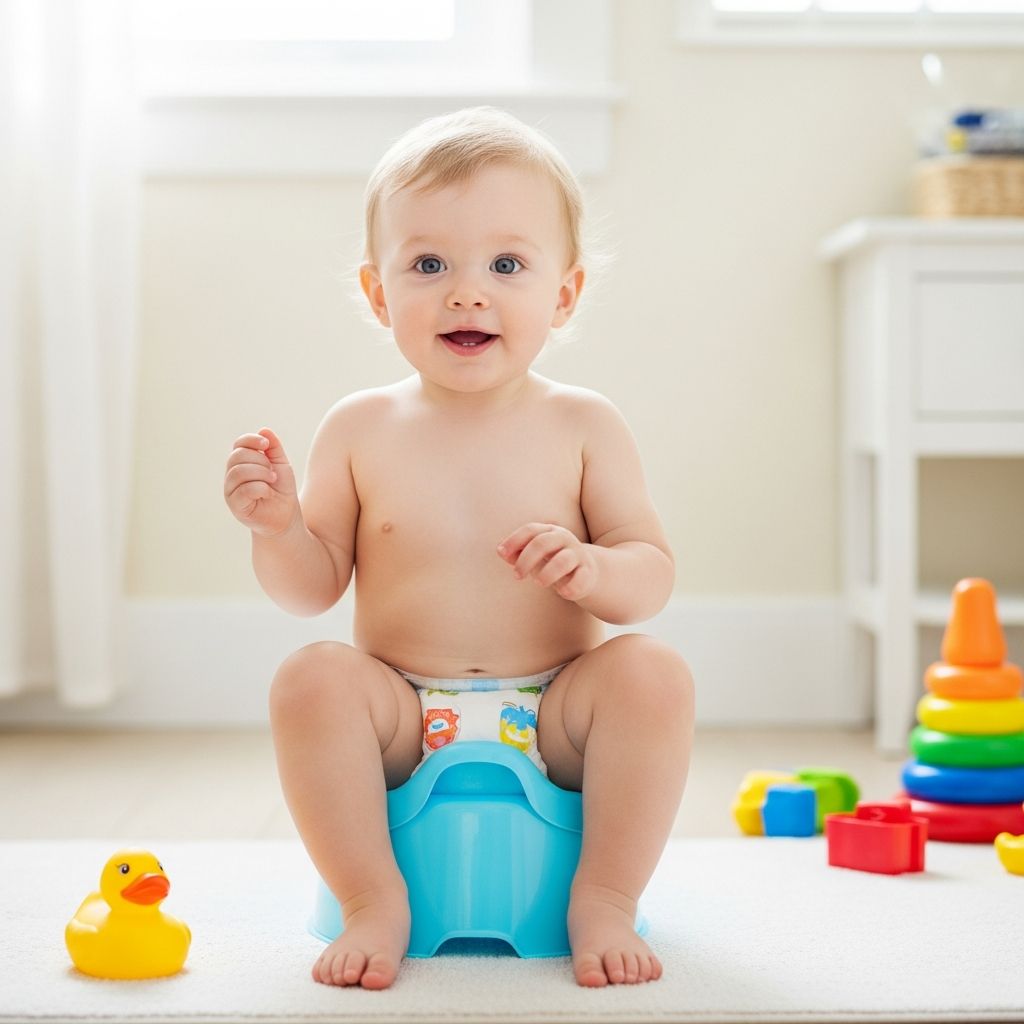
Many toddlers happily use the potty sometimes yet still cling fiercely to their pull-ups. That attachment can be confusing and frustrating for adults, but it is also a normal developmental phase that can be navigated without power struggles or shame.
Understanding Why Pull-Ups Feel So Safe
Pull-ups do more than catch accidents; they provide toddlers with a sense of security and control at a time when their bodies and routines are changing. From their perspective, grown-ups suddenly seem very interested in what comes out of their bodies, which can feel intrusive or overwhelming if adults push too hard or move too fast.
For many children, the pull-up is familiar, soft, and predictable, while underwear feels new, cold, and risky. When adults understand that resistance often reflects anxiety rather than defiance, it becomes easier to respond with empathy instead of pressure.
Is Your Child Really Ready for Potty Training?
Before working on reducing pull-ups, it helps to confirm that your toddler is genuinely ready for this developmental step. Physical readiness includes the ability to stay dry for reasonable stretches, sense the urge to go, and sit on a potty or toilet long enough to relax and release.
Emotional readiness is just as important. Signs include curiosity about the bathroom, awareness of being wet or dirty, willingness to follow simple directions, and at least some interest in copying older siblings or caregivers. If most of these signs are missing, focusing on gentle exposure rather than active training often leads to better results.
Key Readiness Signs to Look For
- Stays dry for about two hours at a time during the day.
- Shows discomfort with a wet or soiled pull-up and asks to be changed.
- Can walk to the bathroom and sit on a potty or toilet with support.
- Uses simple words or gestures to communicate needs.
- Imitates adults or older children using the bathroom.
Pull-Ups, Diapers, or Underwear? Choosing the Right Role for Each
Pull-ups can be a helpful tool when used intentionally, but they can also accidentally slow progress if they are treated exactly like diapers. The goal is not necessarily to banish pull-ups immediately, but to give each type of clothing a clear purpose that makes sense to your toddler.
Some families find it useful to keep pull-ups for naps, nighttime, long outings, or the car, while focusing on underwear or bare-bottom time at home. Others gradually shift from full-day pull-up use to specific situations only, letting their child help decide which times feel safest.
| Option | Best Use | Main Benefits | Potential Drawbacks |
|---|---|---|---|
| Regular diapers | Before active potty training, long trips, or illness | Maximum leak protection; familiar and low-stress | Can reduce awareness of wetness; may delay interest |
| Pull-ups | Transition phase, naps, nighttime, daycare policies | Easy up/down; allows practice without full mess | Still feel like diapers; may reduce motivation to use potty |
| Cloth training pants | Home practice and short outings | Feels like underwear but slightly more absorbent | More laundry; some children dislike the bulk |
| Underwear | When child is mostly using the potty in the daytime | Clear signal of “big kid” status; more body awareness | More noticeable messes and cleanup during accidents |
Helping a Pull-Up Lover Warm Up to Underwear
When a toddler strongly prefers pull-ups, trying to force underwear usually backfires and increases resistance. A more effective approach is to build curiosity and connection around underwear while still allowing some choice and control.
Think of this as a marketing campaign, not a mandate. You are gently selling the idea of underwear, using play, routine, and repetition, rather than insisting that your child must agree on a specific timetable.
Practical Steps to Introduce Underwear
- Make shopping part of the process by inviting your child to pick out underwear with favorite characters, colors, or patterns.
- Let the new underwear live in a special drawer or basket where your child can touch and admire it with no pressure to wear it yet.
- Start with very short underwear moments, such as wearing them over a pull-up at home for a few minutes, then taking them off before leaving the house.
- Use simple language that links underwear to skills, for example, “Underwear is for when pee and poop go in the potty most of the time.”
- Celebrate any small step, such as trying on a pair for 60 seconds, and then calmly move on without turning it into a test.
Creating a Calm, Predictable Potty Routine
Children who love pull-ups often need extra predictability around bathroom trips. Instead of asking constantly, “Do you need to go?”, build bathroom time into the day so that it feels like a neutral part of routine, not a high-stakes performance.
Keeping the atmosphere light, brief, and respectful makes it more likely that your toddler will eventually move from passive participation to active initiation.
Sample Simple Daily Potty Rhythm
- Morning: Sit on the potty soon after waking, before changing the pull-up.
- Before leaving the house: One quick potty try before putting on shoes.
- Before meals and snacks: Short potty visit that becomes part of washing hands and sitting down to eat.
- Before bath: Potty time before the water gets turned on.
- Before bed: Calm bathroom routine tied to brushing teeth and putting on pajamas.
Language That Reduces Power Struggles
The words adults use around potty training shape how safe or pressured a child feels. Threats, bribes, or shaming phrases can make a sensitive toddler cling even harder to pull-ups and avoid trying new bathroom skills.
Gentle, descriptive language works best: describe what bodies do, what you are doing to help, and what choices exist right now. Keeping tone warm and matter-of-fact reduces embarrassment and lets your child know that bathroom learning is simply another life skill.
Helpful Phrases You Can Adapt
- “Your job is to tell me when your body feels like pee or poop is coming.”
- “The potty is ready when you are. Let’s go sit together for one minute and then you can go back to playing.”
- “Accidents happen when we are learning. We can clean this up together.”
- “Pull-ups help catch pee and poop right now. Underwear is what you’ll wear when your body is mostly using the potty.”
- “It looks like you’re working hard on listening to your body. That takes practice.”
Handling Accidents Without Shame
Even children who seem “trained” will have wet or dirty underwear sometimes, especially during transitions, growth spurts, or stressful life changes. How adults respond to accidents sends a powerful message about whether it is safe to keep trying.
A calm, clean-up-together approach works best. Treat the accident as an information moment rather than a failure, and quietly support your toddler in changing, rinsing, and starting fresh.
Steps for Accident-Friendly Responses
- Pause and take a breath before reacting so your tone stays neutral and kind.
- Use simple descriptions instead of judgment, such as “Your pants are wet. Let’s change into dry ones.”
- Invite your child to help in age-appropriate ways, like putting clothes in a laundry basket or wiping a small wet spot.
- Offer reassurance at the end: “You are still learning. Your body will figure this out.”
- Later, when everyone is calm, think about whether the timing, clothing, or schedule needs a small tweak.
Common Challenges With Pull-Up Fans (and What to Try)
Potty learning seldom follows a straight line, especially for toddlers who feel strongly about their pull-ups. Parents often encounter recurring patterns of resistance, and small adjustments can make a big difference.
The key is to focus on one or two changes at a time instead of completely overhauling your approach. That way your child has space to adapt and build confidence.
Challenge: Child Uses Potty but Refuses Underwear
Some toddlers will successfully pee and poop in the potty yet still demand a pull-up afterward. In this case, the resistance is usually about comfort and habit, not ability.
- Introduce a short “underwear playtime” each day at home, then switch back to a pull-up before leaving the house.
- Layer underwear over the pull-up for a while so your child can feel like a “big kid” without losing the sense of safety.
- Use visual routines, such as a picture chart that shows: potty, wipe, flush, wash hands, then choose underwear or a pull-up.
Challenge: Child Holds It Until the Pull-Up Goes On
Another common pattern is the child who stays dry in underwear or bare-bottom but waits to release until a pull-up or nighttime diaper is put on. This can be stressful for adults, yet it is usually a temporary coping strategy.
- Offer one low-pressure potty visit immediately before putting on the pull-up, without insisting that anything must happen.
- Allow a brief, predictable “pull-up potty time” near the toilet, so your child can sit or squat while wearing it, building a bridge between old habits and new skills.
- Gradually shorten the “pull-up window”, praising your child for even tiny steps toward using the toilet earlier.
Challenge: Daycare or Preschool Has Stricter Expectations
Caregivers outside the home may have different rules about diapers, pull-ups, or underwear, adding pressure to families. Open communication and a simple, shared plan are crucial to help your child feel supported rather than caught in the middle.
- Ask caregivers to describe their routine in detail so you can mirror key parts at home.
- Share what words your child understands (“pee”, “poop”, “toilet”, “potty”) and any signs of readiness you’ve noticed.
- Agree on consistent language and realistic expectations, especially if underwear is required earlier than you would personally choose.
Supporting Sensitive or Anxious Toddlers
Some children are especially cautious about changes in body routines, noises, and sensations. A flushing toilet, echoing bathroom, or new seat can feel intense for a toddler who processes the world more deeply.
For these children, slow exposure and extra sensory support help. Rather than forcing them to “get over it,” offer patience and small, predictable steps forward.
Ideas for Gentle Exposure
- Let your child flush from the doorway or hallway first, then gradually move closer over time.
- Use a small potty chair in a quiet room before transitioning to the big toilet.
- Offer foot support, like a sturdy stool, so your child feels stable instead of dangling.
- Bring a comforting item, such as a favorite stuffed animal or small book, into the bathroom.
- Keep practice sessions extremely short at first, focusing on comfort, not output.
When to Pause and When to Seek Help
There are seasons when even the most well-planned potty routine needs a break. Major life changes, such as a new sibling, a move, starting school, or illness, can temporarily reduce a child’s capacity for new skills.
It can be wise to step back, rely more on pull-ups again, and prioritize emotional connection until life feels more settled. Pausing does not erase progress; it simply protects the relationship and your child’s sense of safety.
Red Flags to Discuss With a Professional
- Consistent pain, blood, or extreme distress with peeing or pooping.
- Frequent constipation or long stretches without a bowel movement.
- Sudden loss of previously mastered skills accompanied by strong fear or behavior changes.
- Ongoing battles that leave everyone upset most days, despite using gentle strategies.
FAQs About Potty Training and Pull-Ups
How long is it “too long” to stay in pull-ups?
There is no universal deadline for moving away from pull-ups, and children vary widely in when they feel ready to rely on underwear. Instead of focusing on age alone, pay attention to readiness signs, your child’s comfort level, and the amount of stress or conflict potty training is causing in your home.
Should I take pull-ups away completely to speed things up?
Removing pull-ups “cold turkey” works for some families but can greatly increase resistance for toddlers who are already anxious. If your child is strongly attached to pull-ups, a gradual approach that keeps pull-ups for sleep or outings, while introducing short underwear practice at home, is often more effective and respectful.
Is it okay if my child uses the potty only at home but not at daycare?
Yes, split environments are common because home and daycare feel very different to a toddler. Work with caregivers to align routines where possible, send familiar underwear or a portable potty seat, and give your child time to adjust instead of viewing the difference as a setback.
What about rewards like stickers or candy?
External rewards can sometimes jump-start motivation, but they may also create pressure or lead a child to focus on the prize instead of their body’s signals. If you use rewards, keep them light, temporary, and paired with genuine emotional support so that your child doesn’t feel like they are performing for treats.
My child asks for a pull-up to poop but uses the toilet to pee. Should I worry?
Many children separate pee and poop skills and need extra time to feel comfortable releasing stool in the toilet. Allowing a “poop pull-up” for a while, used in the bathroom and followed by gentle cleanup, can act as a bridge; you can gradually shift to having the pull-up closer to the toilet, then sitting with it on, and eventually removing it when your child is ready.
Key Takeaways for Parents
When a toddler prefers pull-ups, it does not mean the child is lazy or that the adults have failed; it simply means the child needs more time, safety, and structure to transition this intimate part of daily life. By focusing on readiness, respectful language, small steps, and shared routines, families can support potty learning without power struggles.
Ultimately, the goal is not just a dry pair of underwear, but a child who feels confident in their body, secure in their relationship with caregivers, and respected as they master this important milestone at their own pace.