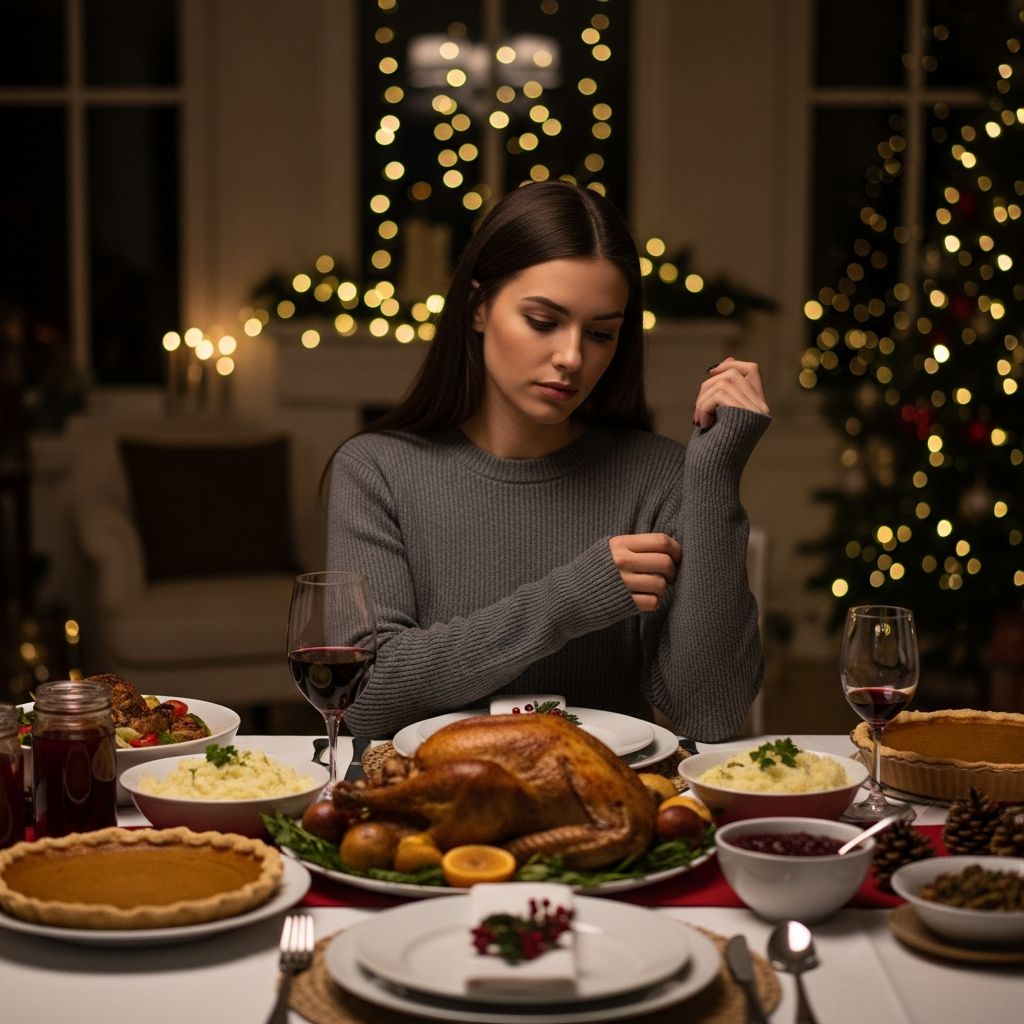
Holiday periods often amplify challenges for children and teens battling eating disorders, turning festive gatherings into sources of intense anxiety. With abundant food displays, family scrutiny, and disrupted routines, these times demand proactive parental involvement to foster resilience and maintain recovery progress. This guide offers comprehensive strategies drawn from clinical expertise to empower families in creating supportive environments.
Understanding the Holiday Impact on Young Minds
Seasonal celebrations frequently center around elaborate meals, which can overwhelm individuals with conditions like anorexia nervosa, bulimia nervosa, binge-eating disorder, or avoidant/restrictive food intake disorder (ARFID). For those with restrictive patterns, the fear of overeating or unfamiliar dishes heightens stress, while binge-prone individuals may dread loss of control amid temptations. Body image concerns compound this, as casual remarks about weight or portions trigger shame and withdrawal.
Research highlights how social dynamics exacerbate these issues. Interpersonal conflicts or feelings of isolation during gatherings can alter eating behaviors, particularly in vulnerable adolescents. Unlike the myth of substantial holiday weight gain—actual averages hover around one pound—perceived pressures drive disordered responses more than calories consumed. Parents play a pivotal role by recognizing these triggers early and implementing tailored interventions.
Building Emotional Resilience Before Festivities Begin
Preparation starts with open dialogues about potential stressors. Discuss family members’ tendencies toward diet talk or appearance comments, framing them as harmful to mental well-being. Equip your child with neutral response scripts, such as redirecting to shared interests like hobbies or school achievements, to steer conversations positively.
Collaborate on fun deflection tactics. For humor-loving families, invent a private scoring game: each offhand remark earns points redeemable for privileges like extra screen time. Subtle signals keep it discreet, transforming tension into teamwork while reinforcing positive interactions. Such preemptive bonding reduces dread and builds confidence.
Strategic Meal Planning for Restriction and Avoidance
For children with ARFID or anorexia, where intake fears stem from sensory aversions rather than body image, preview menus collaboratively. Identify ‘safe’ options—familiar, low-anxiety foods—and portion them appropriately. A practical tactic involves parents plate-building alongside the child, then swapping to ensure balance without confrontation. Agree on boundaries: no introducing fear foods in high-stakes settings.
Anticipate bathroom patterns in bulimia cases by scheduling post-meal activities like games or walks, limiting access for an hour to interrupt purging cycles. Bring pre-approved alternatives for unpredictable buffets, ensuring nutritional needs met discreetly. Reward completion with non-food incentives, celebrating effort over perfection.
| Disorder Type | Common Holiday Trigger | Parent Strategy |
|---|---|---|
| Anorexia/ARFID | Unfamiliar foods, abundance | Pre-select safe items, plate swapping |
| Bulimia/Binge-Eating | Overeating temptation, isolation | Post-meal distractions, portion control aid |
| Body Image Focus | Comments on appearance | Rehearsed redirects, positive affirmation |
Addressing Routine Disruptions and Social Pressures
Holidays dismantle daily structures—regular meals, therapy sessions, exercise—leading to destabilization. Counter this by mapping out schedules in advance, incorporating familiar routines like timed snacks or mindfulness breaks. Discourage all-day fasting to ‘save’ for feasts, as it spikes anxiety and risks relapse; instead, maintain steady intake with portable nourishments.
- Maintain meal timing with travel-friendly options.
- Schedule virtual check-ins with therapists if in-person unavailable.
- Prioritize sleep hygiene amid late nights.
Social media’s highlight reels fuel comparisons, amplifying diet culture. Set boundaries on scrolling, curating feeds toward body-neutral content. Family dynamics often resurface old wounds—trauma, bullying, or control battles—prompting emotional eating coping. Probe gently if avoidance arises, problem-solving collaboratively.
Cultivating a Supportive Family Atmosphere
Hostesses and relatives unwittingly contribute via food praise or ‘healthy’ swaps. Educate them discreetly: request comment-free zones, neutral food descriptors (e.g., ‘savory’ over ‘guilt-free’), and activity diversions like board games. Designate quiet retreats for overwhelm, empowering your child with exit signals like a safe word for breaks or early departures.
Shift focus from consumption to connection. Organize non-food events—crafting, walks, storytelling—to redefine traditions. Model intuitive eating by savoring without judgment, discussing gratitude for health over aesthetics. For germ anxieties in OCD-comorbid cases, pack sanitized utensils or home-prepared meals, gradually exposing via therapist-guided plans.
Leveraging Professional Guidance and Long-Term Recovery
Consult pediatricians, dietitians, or specialists pre-holidays for personalized blueprints. They debunk myths, refine exposure hierarchies, and monitor vitals. Multidisciplinary teams address intertwined medical, psychological, and social facets, essential for lasting change.
Post-holiday reflection solidifies growth: journal successes, adjust for future. Celebrate incremental wins, reinforcing that recovery thrives beyond perfection. If stressors overwhelm, professional inpatient options like those at specialized centers provide structured respite.
Common Myths and Evidence-Based Realities
Myth: Holidays inevitably cause major weight fluctuations. Reality: Gains average under a pound, per peer-reviewed analysis; focus on behaviors, not scales.
Myth: Skipping events aids control. Reality: Avoidance entrenches fears; gradual exposure with support builds tolerance.
Myth: Comments are harmless jests. Reality: They trigger vulnerable subsets toward restriction or binging, demanding intervention.
Frequently Asked Questions
What if my child refuses to attend gatherings?
Explore underlying fears compassionately—food, bullying, trauma—then co-create solutions like abbreviated visits or virtual participation. Use safe signals for control.
How do I handle relatives’ diet talk?
Pre-brief family on boundaries, model redirects, and employ game-based deflections for lightness. Praise non-weight topics.
Can holidays derail recovery entirely?
Not with planning; structure preservation and support mitigate risks, turning challenges into strengthening opportunities.
What about picky eaters without full disorders?
Similar tactics apply: safe foods, no pressure, balanced plates. Consult pros for ARFID differentiation.
Is weight gain during holidays dangerous?
Minimal per evidence; disordered responses pose greater threats. Prioritize mental health strategies.
References
- Helping Kids Cope With Eating Disorders & Body Concerns During Holiday Gatherings — American Academy of Pediatrics (healthychildren.org), Ellen S. Rome, MD, MPH, FAAP. 2023. https://www.healthychildren.org/English/health-issues/conditions/emotional-problems/Pages/helping-kids-with-eating-disorders-and-other-food-concerns-navigate-holiday-gatherings.aspx
- Holiday Eating Got You Anxious? — Columbia Psychiatry. Lisa Ranzenhofer, PhD. 2022. https://www.columbiapsychiatry.org/news/holiday-eating-got-you-anxious
- Thanksgiving & Eating Disorders: Why It’s Rarely About the Food — Alliance for Eating Disorders Awareness. 2023. https://www.allianceforeatingdisorders.com/thanksgiving-and-eating-disorders/
- Opting Out of the Holidays with Family — National Eating Disorders Association (NEDA). 2023. https://www.nationaleatingdisorders.org/opting-out-holidays-family/
- Managing Eating Disorders During the Holidays — Monte Nido. 2024. https://www.montenido.com/blog/managing-eating-disorders-during-the-holidays