Parents play a pivotal role in shaping how children perceive their bodies, yet discussions about body image often center on girls, leaving boys’ struggles overlooked. Over 70% of adolescent boys report dissatisfaction with their bodies, driven by pressures to build muscle and embody rigid masculinity ideals. This guide equips parents, particularly mothers raising sons, with actionable strategies to foster body confidence, emphasizing emotional health, media literacy, and self-acceptance.
Understanding the Hidden Struggles of Boys’ Body Image
Body image extends beyond weight concerns; it encompasses overall comfort in one’s skin and sense of self. Boys frequently face unique pressures, such as the drive to achieve muscular physiques portrayed in media and social platforms. Unlike girls, who may focus on thinness, boys often pursue bulk through supplements or steroids, viewing physical strength as essential to manhood.
Research highlights that these issues are widespread: a recent study found most teen boys feel inadequate about their appearance, yet parents and providers rarely address it. Pandemic-era mental health scrutiny has amplified awareness, but boys’ reticence to discuss feelings perpetuates silence. Recognizing signs like excessive gym time, mirror fixation, or supplement interest is crucial for early intervention.
The Power of Parental Modeling in Building Self-Acceptance
Children mirror parental attitudes toward bodies. Demonstrating self-acceptance—avoiding self-criticism about weight or shape—sets a foundation for sons to value themselves similarly. Praise your own body’s functions, like “My legs carry me on fun hikes,” rather than aesthetics.
- Focus on capabilities: Highlight what bodies do, such as running, hugging, or exploring, to shift emphasis from looks.
- Avoid appearance-based nicknames: Even playful terms tied to size can harm self-esteem.
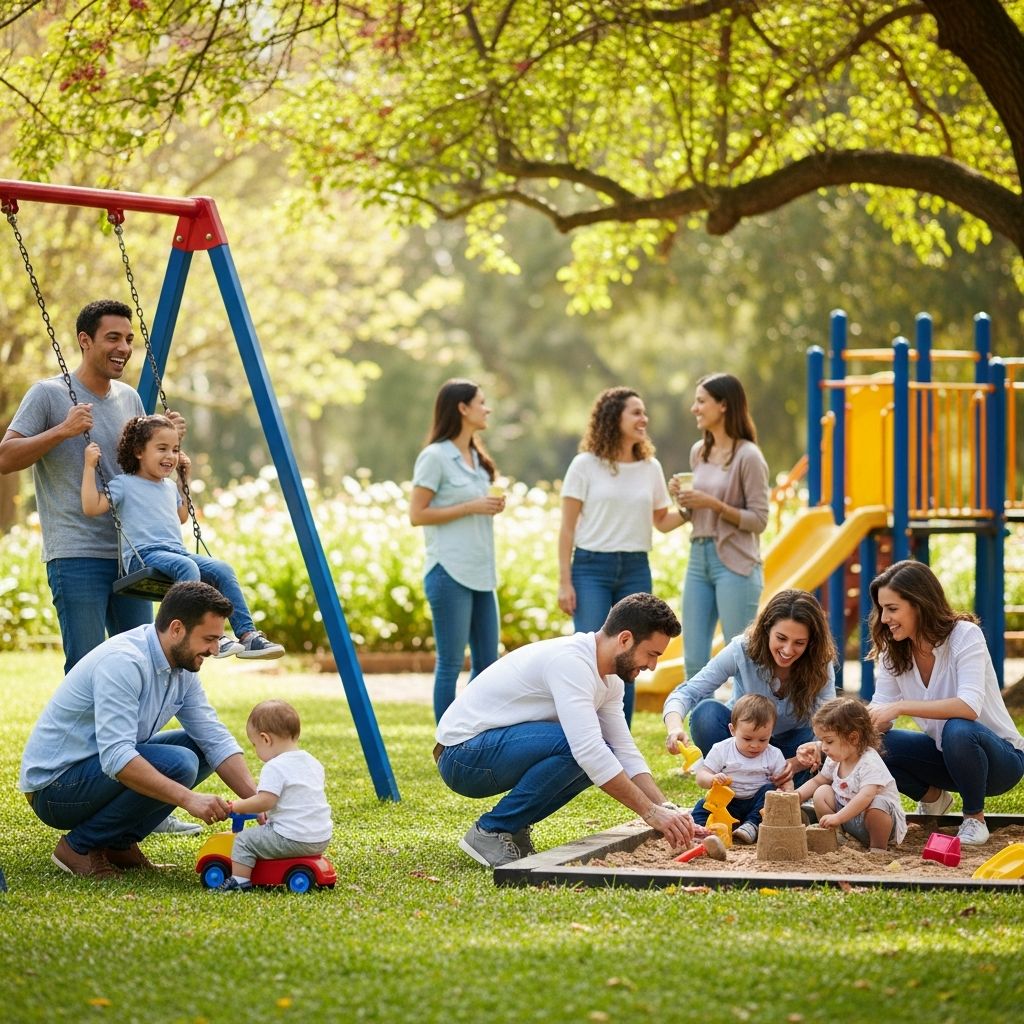
- Family activities: Engage in group exercises like biking or swimming for health and joy, not body change.
Modeling extends to emotions: openly name feelings (“I’m anxious, so I’ll walk it off”) to normalize vulnerability, helping boys express insecurities without shame.
Cultivating Positive Language and Compliments
Words matter profoundly. Use language praising internal traits—kindness, perseverance, creativity—over external features. Balance occasional appearance compliments (“Great outfit!”) with character-focused ones (“You handled that challenge brilliantly!”) to affirm value beyond looks.
| Negative Language Examples | Positive Alternatives |
|---|---|
| “You’re getting so big and strong!” (Reinforces muscle pressure) | “Your body lets you play soccer so energetically!” |
| “Why the mirror time?” (Judgmental) | “I notice you’re thinking about your appearance—want to talk?” |
| “You need to eat less junk.” | “Let’s choose foods that fuel our adventures.” |
Character compliments build resilience: they remind boys their worth stems from who they are, not how they appear. When viewing photos, say “We look joyful!” instead of size comments.
Navigating Media and Social Influences
Social media bombards boys with edited, muscular ideals, fueling dissatisfaction. Counter this by discussing unrealistic standards: “Those images are filtered and posed—not real life.” Limit screen time and take joint breaks to reduce exposure.
- Media literacy lessons: Point out editing in ads or influencers to demystify perfection.
- Diverse role models: Showcase men valued for intellect, humor, or skills, not just physique.
- Curate feeds: Follow body-positive accounts emphasizing health and function.
Puberty brings rapid changes; reassure sons these are normal and temporary, focusing on growth for strength and experiences.
Fostering Emotional Openness and Supportive Conversations
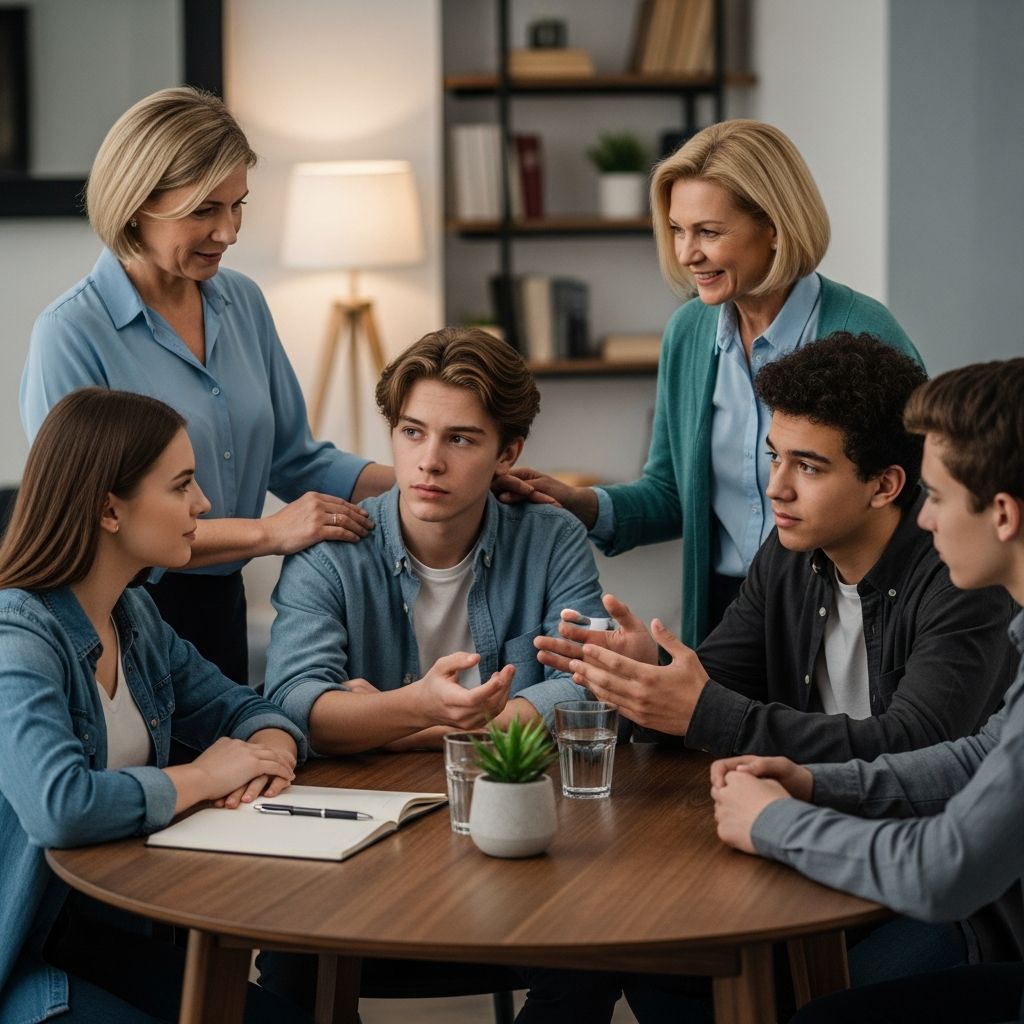
Boys often suppress emotions due to stereotypes equating masculinity with stoicism. Encourage expression by validating feelings: “It’s okay to feel insecure sometimes.” Start talks gently: “I’ve seen you working hard on fitness—what’s motivating you?” Listen without judgment.
Build self-esteem holistically:
- Recognize strengths in hobbies, school, or friendships.
- Assign family roles to instill purpose.
- Pursue interests for joy, not perfection.
Books on body diversity provide neutral entry points for dialogue, offering age-appropriate language.
Promoting Healthy Habits Without Body Focus
Encourage balanced eating, sleep, and movement as wellness pillars, not appearance tools. Family meals emphasizing nutrition’s energy benefits sidestep diet talk. Physical activity boosts self-esteem by appreciating function over form.
Monitor for disordered signs: obsessive exercising, restrictive eating, or muscle-building extremes. If present, consult professionals compassionately.
Common Challenges and Long-Term Benefits
Boys may resist talks, feeling embarrassed. Persist with patience; consistent positivity yields emotional health, reduced aggression, and higher self-esteem. Long-term, body-confident sons navigate life with resilience, forming healthy relationships and avoiding harmful behaviors like steroid use.
Frequently Asked Questions (FAQs)
What if my son is obsessed with gaining muscle?
A: Address underlying pressures openly. Emphasize health over size and explore emotional roots; professional guidance may help if extreme.
How do I compliment my son without focusing on looks?
A: Praise efforts and traits: “You showed great teamwork!” Mix with functional nods like “Your strong arms helped build that fort.”
Should I avoid all appearance comments?
A: No—balance with character praise. Chosen styles (hair, clothes) are fine; avoid body size/shape.
What role does social media play?
A: Significant; monitor, discuss filters, and promote breaks. Model balanced use.
When to seek professional help?
A: If body dissatisfaction affects eating, exercise extremes, mood, or isolation persist, consult a pediatrician or therapist.
References
- Building Boys with Better Body Images — Psychology Today. 2023-04-01. https://www.psychologytoday.com/us/blog/smart-people-dont-diet/202304/building-boys-with-better-body-images
- Practice positivity: Navigating body image with your child — Children’s Hospital Boston. 2023. https://answers.childrenshospital.org/body-positivity/
- Addressing body image concerns in teen boys — Children’s Mercy. 2025-06. https://www.childrensmercy.org/parent-ish/2025/06/teen-boy-body-image/
- Mind Over Mirror – Parenting for a healthy body image — Mental Health Foundation. 2023. https://www.mentalhealth.org.uk/explore-mental-health/body-image-and-mental-health/mind-over-mirror/parenting-healthy-body-image
- Body image – tips for parents — Better Health Channel (Victorian Government). 2023. https://www.betterhealth.vic.gov.au/health/healthyliving/body-image-tips-for-parents