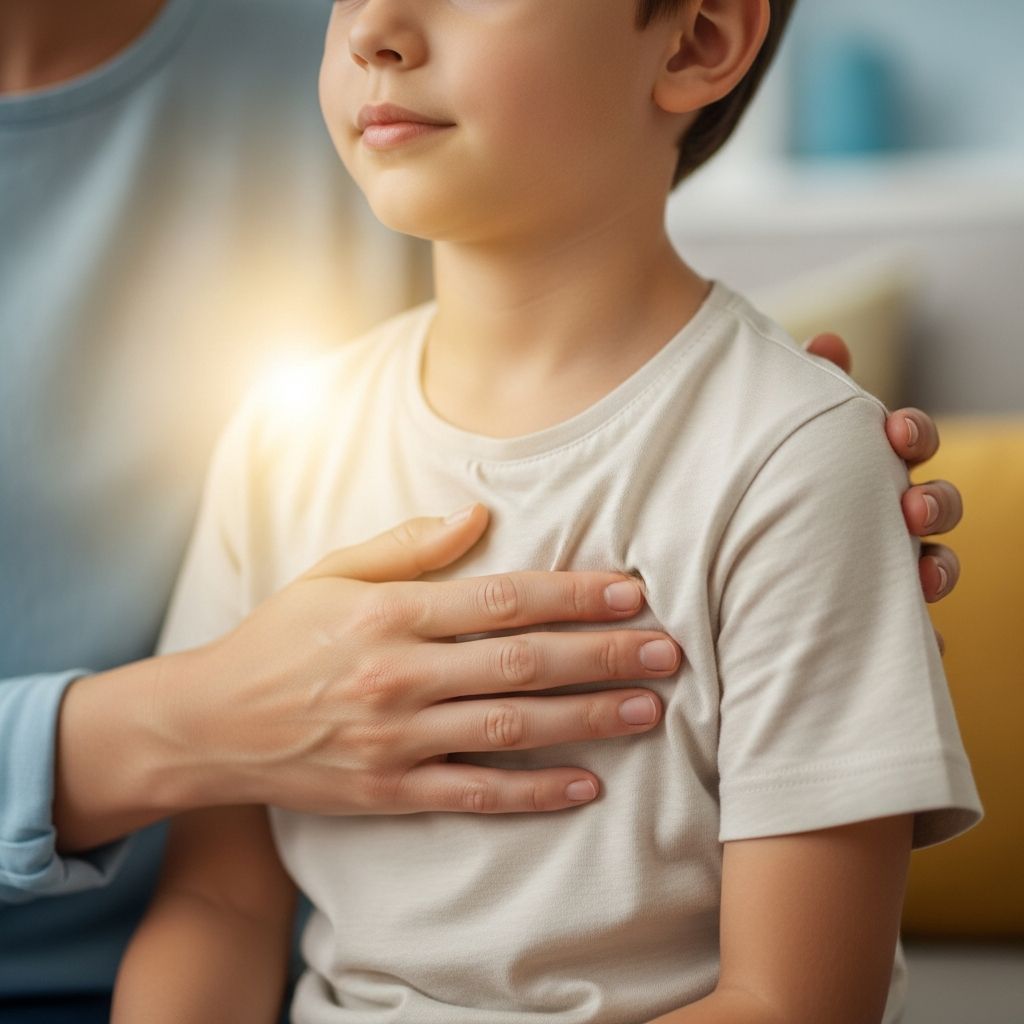
Heart palpitations occur when a child becomes aware of their heartbeat feeling rapid, irregular, or forceful, often described in unique ways by young ones. While frequently harmless, recognizing when they signal a need for medical attention is crucial for parents.
Recognizing the Sensations of Palpitations
Children might express palpitations differently based on age. Toddlers could say their heart is “beeping” or like a “bird flapping inside,” while school-aged kids might report it “jumping out of my chest” or beating too fast and strong. Teens often describe irregular or pounding rhythms.
These feelings can arise suddenly, last seconds to minutes, and may happen at rest, during activity, or sleep. Most episodes are brief and self-resolve, but patterns matter for evaluation.
Common Benign Triggers in Kids
Many palpitations stem from everyday factors rather than heart disease. Understanding these helps parents differentiate normal from concerning events.
- Emotional Factors: Stress, anxiety, excitement, fear, or anger accelerate the heart naturally, heightening awareness.
- Lifestyle Habits: Dehydration from insufficient fluids, poor sleep, or low fitness levels can provoke sensations.
- Physical Activity: Intense exercise or sudden movements often cause temporary rapid beats, known as sinus tachycardia, which is normal.
- Dietary Stimulants: Caffeine in soda, chocolate, tea, coffee, or energy drinks; nicotine from secondhand smoke.
- Medications and Substances: Cold remedies, allergy drugs, herbal supplements, or illicit drugs like cocaine.
These triggers are prevalent in healthy children and rarely indicate pathology.
Potential Medical Causes Requiring Attention
Though less common, some palpitations link to underlying issues. Parents should note frequency, duration, and associations.
- Premature Beats: Extra signals from atria (PACs) or ventricles (PVCs) create skipped or forceful beats; often benign in isolation.
- Rhythm Disorders (Arrhythmias): Abnormal electrical activity like supraventricular tachycardia (SVT) from upper chambers or ventricular tachycardia (VT) from lower ones. These can run in episodes.
- Structural Problems: Congenital heart defects, valve issues, cardiomyopathy, or tumors disrupting normal rhythm.
- Other Conditions: Fever, anemia, thyroid overactivity (hyperthyroidism), electrolyte imbalances, infections, asthma, or medications.
Sudden onset/offset, especially with family history of early sudden death, raises red flags for serious arrhythmias.
Warning Signs: When to Act Quickly
Not all palpitations need immediate care, but certain symptoms demand prompt evaluation to rule out dangers.
| Symptom | Action Needed | Why It Matters |
|---|---|---|
| Fainting or near-fainting | Emergency care | May signal dangerous rhythm or reduced heart output |
| Chest pain or tightness | Urgent pediatrician | Could indicate structural issues or ischemia |
| Shortness of breath | Seek care promptly | Linked to heart strain or arrhythmia |
| Dizziness, lightheadedness | Doctor appointment | Possible blood flow compromise |
| Blue lips or confusion | Emergency | Signs of severe oxygen lack |
| Frequent or prolonged (>few minutes) | Specialist referral | May be recurrent arrhythmia |
Palpitations during exercise, sleep, swimming, or with sudden noises warrant specialist review.
Steps for Diagnosis: What to Expect
Pediatricians start with history: sensation description, triggers, frequency, duration, family history. Physical exam checks heart, blood pressure, and overall health.
Tests may include:
- ECG/EKG: Records electrical activity to detect arrhythmias or premature beats.
- Holter Monitor: 24-48 hour portable ECG for intermittent issues.
- Event Monitor: Worn longer; child activates during episodes.
- Echocardiogram: Ultrasound images heart structure.
- Stress Test: Monitors during exercise-induced palpitations.
- Blood Tests: For electrolytes, thyroid, anemia.
Most exams are non-invasive and reassure parents of benign causes.
Management and Treatment Options
Treatment targets the cause:
- Benign Cases: Lifestyle tweaks like hydration, sleep, caffeine limits, stress management. Reassurance often suffices.
- Premature Beats: Observation if infrequent; beta-blockers rarely.
- Arrhythmias like SVT: Vagal maneuvers (ice to face, bearing down), medications (adenosine, beta-blockers), or catheter ablation for cures.
- Structural Issues: Surgery or devices like pacemakers/defibrillators.
Psychological support aids anxiety-exacerbated cases.
Prevention Strategies for Heart Health
Proactive habits reduce risks:
- Encourage balanced diet, avoiding excess caffeine/sugar.
- Promote regular exercise, hydration (age-appropriate fluids).
- Teach stress-relief: deep breathing, mindfulness for kids.
- Ensure quality sleep (9-12 hours/night for school-age).
- Monitor family history; routine check-ups.
- Avoid secondhand smoke, unnecessary stimulants.
These foster overall wellness, minimizing palpitation triggers.
Frequently Asked Questions (FAQs)
Are heart palpitations common in healthy children?
Yes, many healthy kids experience occasional palpitations from stress, exercise, or dehydration, often resolving without issue.
Can anxiety cause heart palpitations in kids?
Absolutely; emotional stress heightens heart awareness and rate, mimicking serious issues but usually benign.
When should I take my child to a cardiologist?
If palpitations are frequent, prolonged, exercise-related, or with fainting, chest pain, or dizziness.
Do premature beats mean heart disease?
Not always; isolated PACs/PVCs are common and harmless, but frequent ones need monitoring.
Can diet affect my child’s palpitations?
Yes, cutting caffeine, energy drinks, and ensuring hydration often eliminates episodes.
Empowering Parents: Next Steps
Track episodes in a journal: time, duration, triggers, symptoms. Share with doctors for precise diagnosis. Most palpitations are manageable, allowing kids to thrive.
References
- Heart Palpitations | Children’s Hospital of Philadelphia — CHOP. 2023. https://www.chop.edu/conditions-diseases/heart-palpitations
- Heart Palpitations in Kids | Children’s Healthcare of Atlanta — CHOA. 2024. https://www.choa.org/parent-resources/heart/heart-palpitations-in-kids
- Heart Palpitations in Children | Lurie Children’s — Lurie Children’s Hospital. 2023. https://www.luriechildrens.org/en/specialties-conditions/palpitations/
- Palpitations in Children — Yeditepe Üniversitesi Hastaneleri. 2024. https://yeditepehastaneleri.com/en/health-guide/childrens-health/palpitations-children
- Heart Palpitations in Children | Causes, Symptoms & Treatment — Cincinnati Children’s. 2023. https://www.cincinnatichildrens.org/health/p/palpitation
- Arrhythmias in Children: Causes, Symptoms & Management — Cleveland Clinic. 2024. https://my.clevelandclinic.org/health/diseases/14788-arrhythmias-in-children
- Heart Palpitations in Children — Kaiser Permanente. 2023. https://mydoctor.kaiserpermanente.org/ncal/structured-content/heart-palpitations-in-children-689821