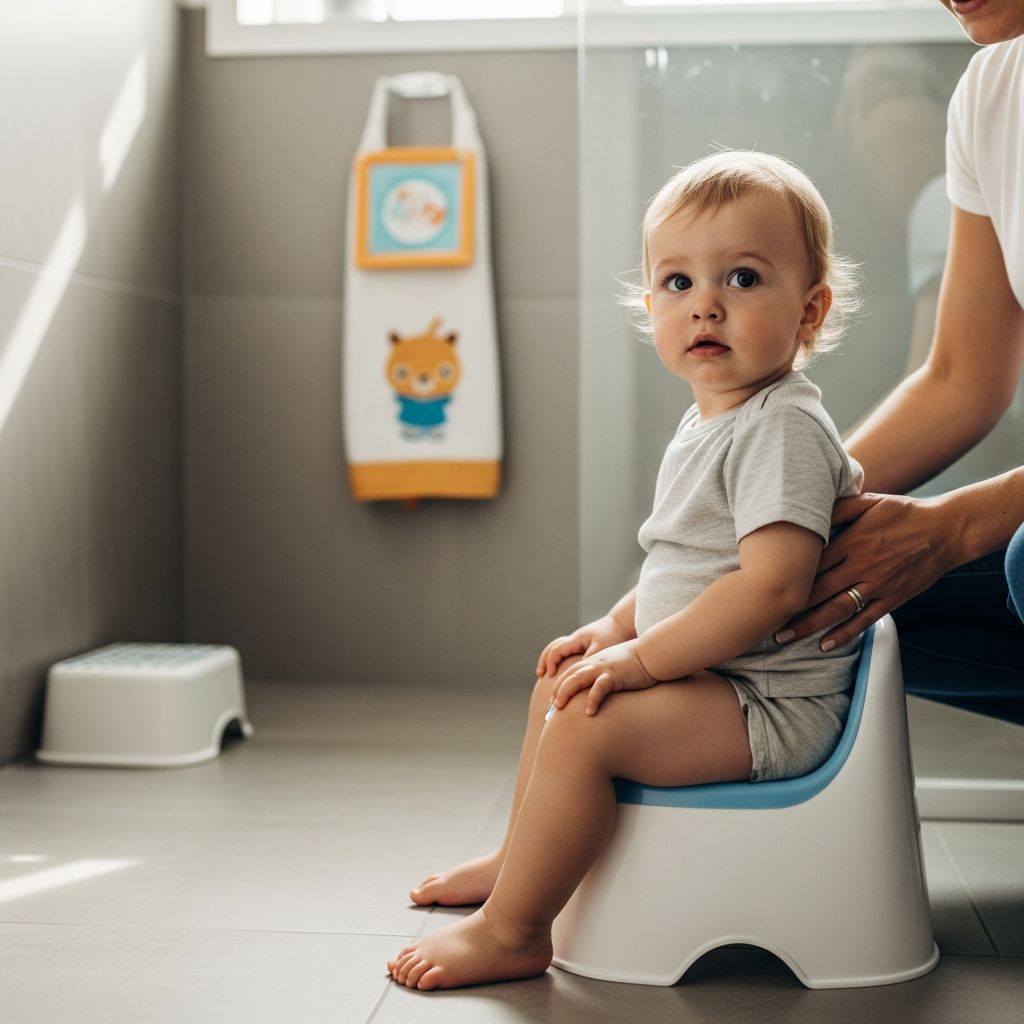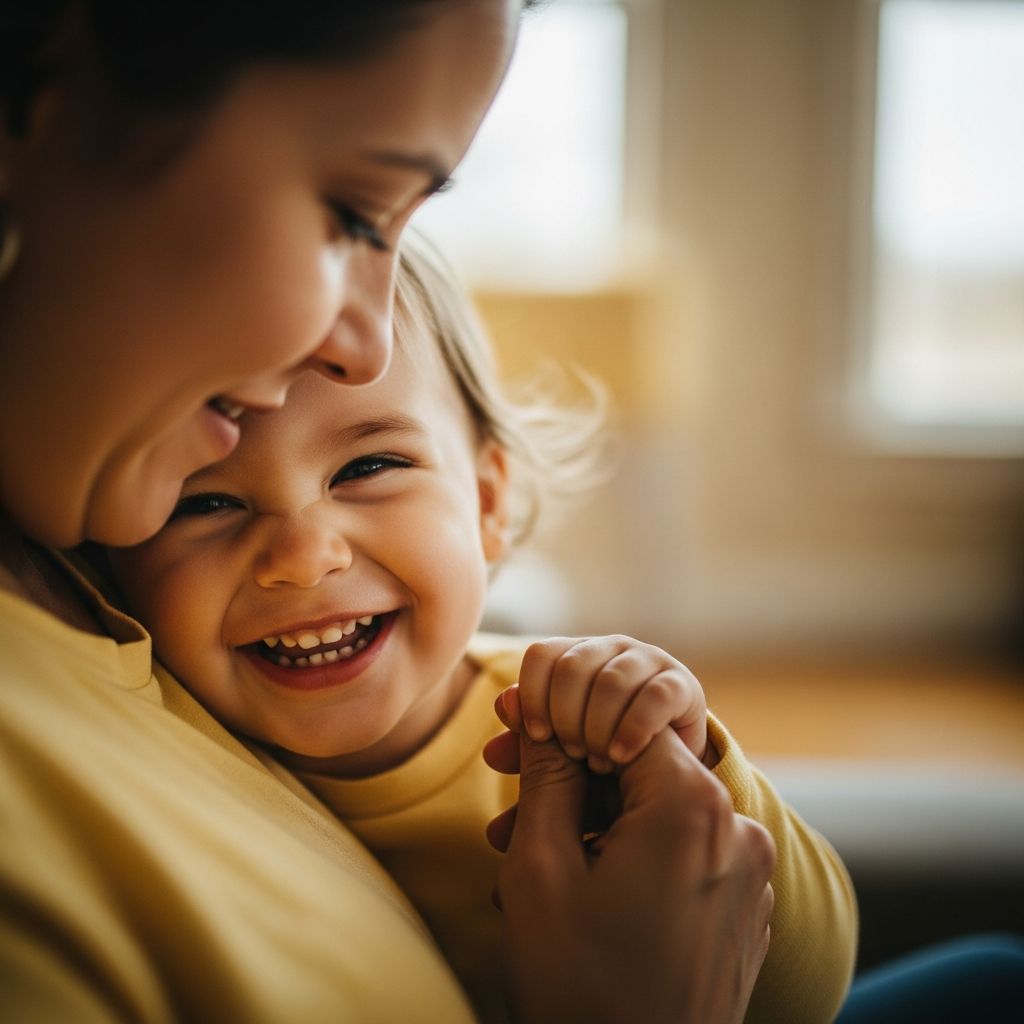
Some parenting days are exhausting, but then there are the moments that are just too cute for words: the giggles, the tiny hands reaching for you, the unexpected sweetness that makes your heart feel like it might burst.
This long-form guide explores those heart-melting, adorable moments, why they matter for connection and development, and how to stay present enough to truly enjoy them.
Why Cute Moments Matter So Much
Those deeply adorable interactions with babies and kids are more than just social media material; they have a real impact on how families bond and how children feel safe, seen, and loved.
When parents notice and respond to cute behaviors with warmth, it reinforces a positive feedback loop in which kids seek connection, and parents feel more emotionally rewarded in day-to-day caregiving.
- Cute behavior often signals emotional availability and curiosity in a child.
- Parental delight communicates safety, acceptance, and secure attachment.
- Shared laughter can help buffer both adults and children against stress.
Adorable Baby Moments That Melt Hearts
The newborn and baby stages are packed with tiny, fleeting moments that can feel impossibly sweet, especially when you are running on little sleep and a lot of love.
While every baby has a unique personality, many families notice similar patterns of cuteness that become cherished memories.
Those First Sleepy Smiles
Even before social smiles are fully developed, parents often notice dreamy little grins that appear while their baby dozes on their chest.
These early smiles may be brief and unpredictable, but they can change the entire mood of a tiring day, reminding parents why the work is worth it.
Baby Giggles and Belly Laughs
Few sounds rival the pure joy of a baby giggling at a silly face, a gentle tickle, or the surprise of a peekaboo game.
Because babies respond strongly to repetition, a simple funny noise or exaggerated expression can invite round after round of contagious laughter.
- Peekaboo games help babies understand object permanence while they laugh.
- Physical play like gentle bouncing and tickling can strengthen parent-child trust.
- Shared laughter often becomes a core family memory and inside joke.
Reaching Out for You
One especially tender moment is when a baby deliberately reaches out their arms to be picked up by a favorite caregiver.
That simple gesture communicates preference, trust, and a desire for closeness that can instantly soften even the hardest day.
Toddler Sweetness: Chaos and Cuteness Combined
Toddlers can be intense, opinionated, and endlessly active, but they also tend to deliver some of the most irresistible cute moments as they experiment with language and independence.
Parents often find themselves laughing and tearing up in the same hour as their toddlers swing between tantrums and unexpected tenderness.
Funny Toddler Mispronunciations
As kids learn to speak, they create their own charming versions of words that become part of the family’s vocabulary for years.
Recording or writing down these invented words can help preserve a stage that otherwise passes surprisingly quickly.
Unfiltered Toddler Compliments
Toddlers often deliver compliments in hilariously blunt ways, telling a parent they look like a superhero one minute and comparing them to a favorite snack the next.
Even when the wording is offbeat, the sincerity behind their admiration can feel incredibly affirming.
Random Acts of Toddler Kindness
Another heartwarming toddler behavior is the sudden urge to comfort someone, whether it is a parent who sneezed or a sibling who looks sad.
Simple acts like offering a favorite toy, patting your back, or saying “It okay” show early empathy in the sweetest possible way.
| Behavior | What It Looks Like | Why It Feels So Cute |
|---|---|---|
| Mispronouncing words | Calling bananas “nanas” or water “wawa” | Shows active language learning and gives families unique inside jokes. |
| Copying adults | Using toy tools, play makeup, or toy phones | Reveals how closely they watch and admire caregivers. |
| Comforting others | Offering a blanket, toy, or hug | Highlights emerging empathy and emotional awareness. |
| Random “I love yous” | Running over mid-play to hug and declare their love | Creates powerful bonding moments out of everyday life. |
Sweet Sibling Moments That Surprise Everyone
When a new baby enters the family, many parents worry about jealousy and rivalry, but siblings also create some of the most tender, adorable interactions in the home.
These sweet moments may be brief, but they help build a foundation for lifelong connection between brothers and sisters.
Big Siblings as Little Helpers
Older siblings often take great pride in tiny caregiving jobs like fetching diapers, shaking a rattle, or choosing the baby’s outfit.
When parents praise and gently guide their efforts, these small acts of responsibility can boost confidence and encourage gentle behavior.
Protective and Proud Behavior
Another heart-melting sight is an older child introducing their baby sibling to friends or family members with clear pride.
From holding the stroller to standing guard at the playground, that protective stance can be both adorable and surprisingly mature.
Shared Giggles and Inside Jokes
Siblings quickly develop shared games and silly rituals, like making the baby laugh with a particular dance or repeating a nonsense phrase only they understand.
These private jokes strengthen their bond and create a sense of being on the same “team,” which can help during more challenging stages.
Everyday Routines That Turn Into Cute Moments
Not all adorable moments are spontaneous; many come from simple routines that families repeat every day.
By slowing down and paying attention, parents can transform small tasks into cherished rituals.
Cute Bedtime Rituals
Bedtime can be a battle, but it can also be a time for sweet, predictable connection through stories, songs, and gentle conversation.
Children often request the same lullaby or story over and over because repetition helps them feel safe and settled.
Morning Snuggles and Sleepy Faces
Early mornings, before the rush really begins, are often filled with cozy moments, from tousled hair and puffy eyes to sleepy hugs that say “don’t leave yet.”
Even a few minutes of unhurried cuddling can set a more grounded tone for both parent and child.
Mealtime Giggles and Mini Chefs
Whether it is a baby trying a new food with an expressive face or a preschooler proudly helping stir pancake batter, the kitchen can be a hot spot for cuteness.
Letting kids participate in age-appropriate cooking tasks gives them ownership and often results in adorable flour-covered smiles.
How to Capture Cute Moments Without Missing Them
Parents today feel pressure to document everything, but constantly chasing the perfect photo can pull attention away from the moment itself.
Balancing presence and documentation means choosing when to record and when to simply breathe it in.
Simple Tips for Photos and Videos
- Keep your camera or phone accessible, but not always in your hand.
- Use short video clips instead of long recordings so you can return to participating quickly.
- Capture candid expressions rather than asking kids to pose, which preserves the real emotion.
- Back up your photos regularly and organize them by month or milestone.
Non-Digital Ways to Remember
Not every memory needs a photo; sometimes the act of writing down a moment or telling the story later can make it more vivid.
Many parents keep a small notebook or note-taking app where they jot down funny quotes, new milestones, or especially cute things their child did that day.
Staying Present: Enjoying the Cute Amid the Chaos
Even the cutest moment can be hard to appreciate when you are tired, stressed, or pulled in many directions at once.
Building small habits of presence can help parents notice and savor sweetness without needing a perfect, calm setting.
- Take one slow breath before reacting when your child does something funny or adorable.
- Notice the physical sensations in those moments: the weight of a sleepy head on your shoulder, the sound of giggles in your ear.
- Tell your child what you love about their behavior: “I love how kind you were just now” or “Your laugh makes me so happy.”
- Give yourself permission to feel emotional; tears of joy are a natural part of deep connection.
Frequently Asked Questions
1. Why do cute kid moments feel so powerful?
Cute moments trigger a strong emotional response because they combine vulnerability, innocence, and genuine affection all at once. For many parents, these experiences help balance out the hard work of caregiving by offering intense, memorable joy.
2. Is it okay to share cute videos and photos of my child online?
Sharing can be a meaningful way to connect with friends and family, but it is important to think about privacy, consent, and digital footprints. Many parents choose to limit identifying details, use private accounts, or ask older children how they feel about being posted.
3. How can I remember more of these adorable moments?
Simple habits like writing down one cute or funny thing per day, saving short video clips, or making a monthly photo collage can help preserve memories. Even more importantly, pausing to mentally acknowledge a moment while it is happening can make it feel richer and easier to recall later.
4. What if I feel too overwhelmed to enjoy the cute moments?
Feeling drained or overstimulated does not mean you love your child any less; it simply means you are human and likely need support or rest. Small acts of self-care, sharing responsibilities when possible, and talking openly with trusted friends or professionals can make it easier to rediscover joy in everyday interactions.
5. Do these sweet behaviors mean my child will always be affectionate?
Children’s personalities and love languages shift as they grow, so a very cuddly toddler might become a more independent older child. What remains consistent is the impact of early warmth and connection, which helps them feel secure even if their way of expressing affection changes.
Parenting is full of messes, challenges, and tough learning curves, but it is also filled with tiny, breathtakingly cute moments that can change an entire day. The more intentionally parents look for and savor these glimpses of sweetness, the richer family life tends to feel, even in the middle of everyday chaos.