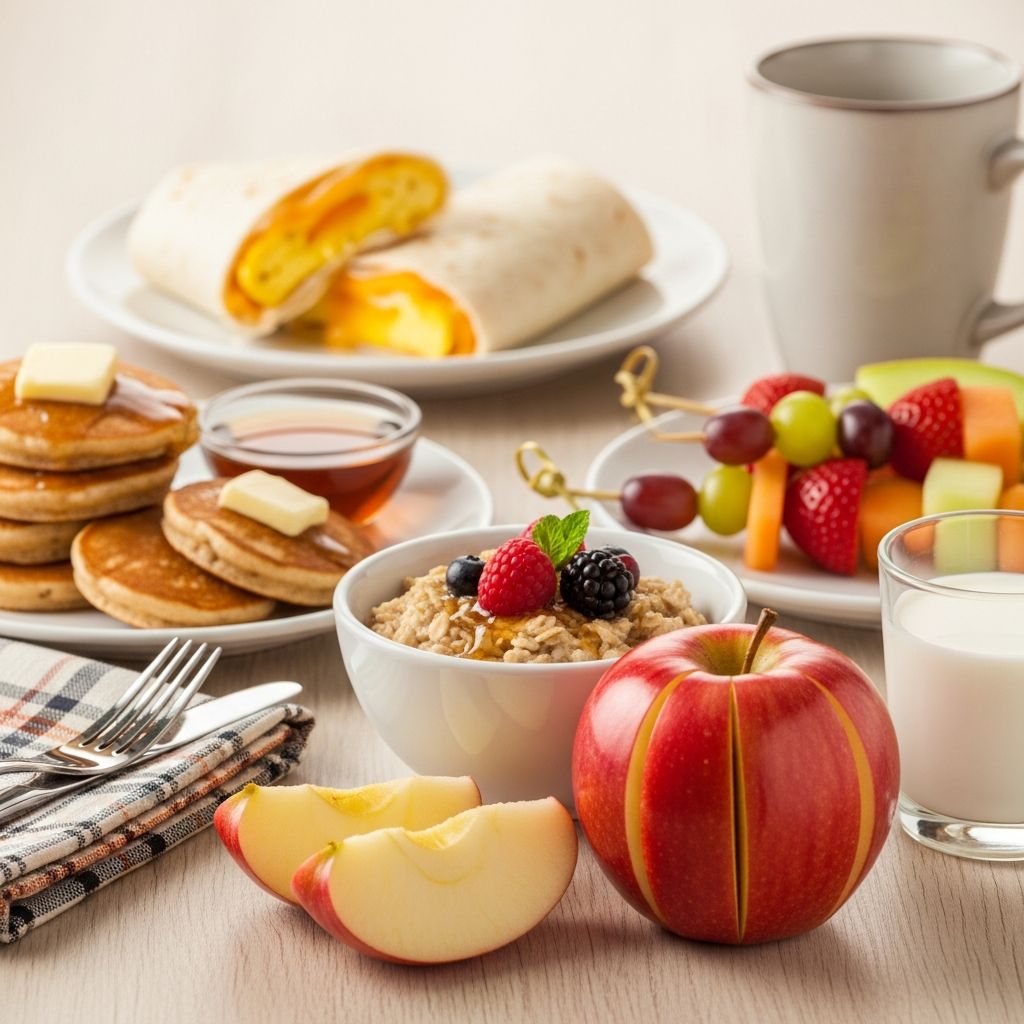
Starting the school day with a nourishing breakfast sets children up for better focus, energy, and learning. These original recipes prioritize speed, nutrition, and appeal, drawing from timeless principles of balanced meals with whole grains, proteins, fruits, and healthy fats. Whether prepping the night before or assembling in under five minutes, these ideas eliminate morning stress while delivering sustained energy.
Why Breakfast Matters for School Success
A solid morning meal stabilizes blood sugar, sharpens concentration, and supports growth. Studies from authoritative health bodies emphasize that kids who eat breakfast perform better academically and maintain healthier weights. The Centers for Disease Control and Prevention (CDC) reports children eating breakfast daily are more likely to meet fruit and vegetable intake goals, crucial for cognitive function. Pairing carbs with protein and fats, as in these recipes, prevents mid-morning crashes.
Make-Ahead Wonders for Zero-Morning Hassle
Batch cooking is a game-changer for school weeks. Prepare these on weekends to grab and reheat effortlessly.
Baked Fruit and Grain Bars
Mix rolled oats, mashed ripe bananas, cinnamon, a splash of milk, and chopped nuts. Bake in a square pan at 350°F for 25 minutes until golden. Cut into bars for individual portions. Each bar offers fiber-rich oats for steady energy and natural sweetness from fruit. Store in the fridge for up to five days; reheat in the microwave for 30 seconds.
- Prep time: 10 minutes
- Cook time: 25 minutes
- Yields: 12 bars
- Nutrition boost: Add chia seeds for omega-3s
Portable Egg Bites
Whisk eggs with diced bell peppers, cheese, and spinach. Pour into greased muffin tins and bake at 375°F for 18-20 minutes. These protein powerhouses are freezer-friendly—thaw overnight and microwave. Customize with ham or turkey for variety.
Five-Minute Morning Marvels
When time is tight, these no-cook or minimal-cook options shine, ready before the school bus arrives.
Berry Yogurt Layers
In a portable jar, layer Greek yogurt, fresh berries, and a sprinkle of granola or crushed nuts. Drizzle honey for natural sweetness. High-protein yogurt keeps hunger at bay; berries add antioxidants for immune support.
| Ingredient | Amount | Benefit |
|---|---|---|
| Greek Yogurt | 1 cup | 20g protein |
| Mixed Berries | ½ cup | Vitamin C boost |
| Granola | 2 tbsp | Crunchy fiber |
Nut Butter Fruit Toast
Spread almond or peanut butter on whole-grain toast, top with banana slices and a dash of cinnamon. For extra flair, sprinkle hemp seeds. This combo delivers quick carbs, healthy fats, and potassium for muscle function.
Freezer-Friendly Family Favorites
Stock your freezer with these for weeks of easy breakfasts. They thaw quickly and taste fresh-baked.
Mini Grain Muffins
Combine whole wheat flour, oats, blueberries, yogurt, and a touch of maple syrup. Bake in mini muffin tins at 400°F for 12 minutes. Perfect for little hands; each muffin packs antioxidants from berries and whole grains for gut health.
- Freeze in zip-top bags
- Thaw overnight or microwave 20 seconds
- Variations: Add zucchini or apples for hidden veggies
Stuffed Breakfast Wraps
Fill whole-wheat tortillas with scrambled eggs, black beans, salsa, and avocado. Roll, wrap in foil, and freeze. Reheat in a toaster oven for a savory, south-of-the-border start. Beans add plant-based protein and fiber.
Fun Twists for Picky Eaters
Engage kids with playful presentations that sneak in nutrition without complaints.
Frozen Yogurt Pops
Blend yogurt, oats, and frozen fruit; pour into popsicle molds. Freeze overnight. These icy treats feel like dessert but provide calcium and probiotics. Great for warm mornings or as after-school snacks.
Banana Split Makeover
Halve a banana lengthwise, top with yogurt, nuts, and a few dark chocolate chips. No ice cream needed—this version is nutrient-dense and satisfying.
Nutrient-Packed Smoothie Bowls
Blend spinach, frozen banana, protein powder, milk, and peanut butter. Pour into a bowl and top with granola and seeds. Spoonable smoothies slow eating, promoting mindfulness. Customize with kid-approved flavors like chocolate or strawberry.
Meal Prep Mastery Tips
Streamline your routine with these strategies:
- Shop once weekly for staples: oats, eggs, yogurt, fruits
- Dedicate Sunday evenings to batch cooking
- Involve kids in assembly for buy-in
- Rotate recipes to prevent boredom
The Academy of Nutrition and Dietetics recommends aiming for three food groups at breakfast: grains, protein, and fruit/veg. These recipes hit that mark consistently.
Adapting for Dietary Needs
Vegan Variations
Swap eggs for tofu scrambles, yogurt for coconut-based alternatives, and use plant milks. Energy balls with dates, nuts, and oats work perfectly.
Gluten-Free Options
Opt for certified gluten-free oats, rice cereal, or almond flour muffins. Avocado toast on gluten-free bread remains a staple.
Allergy-Friendly Swaps
Nut-free? Use sunflower seed butter. Dairy-free? Plant yogurts abound.
Weekly Breakfast Planner
| Day | Recipe | Prep Method |
|---|---|---|
| Monday | Egg Bites | Reheat from fridge |
| Tuesday | Yogurt Layers | Assemble night before |
| Wednesday | Grain Bars | Microwave |
| Thursday | Smoothie Bowl | Blend fresh |
| Friday | Fruit Toast | 5 minutes |
| Weekend | Muffins | Fresh bake |
Frequently Asked Questions (FAQs)
What makes a breakfast healthy for school kids?
A balanced plate with whole grains for energy, protein for satiety, and fruits/veggies for vitamins. The World Health Organization (WHO) advises limiting added sugars to under 10% of daily calories.
How can I get picky eaters to eat breakfast?
Make it fun: shapes, dips, or their favorite fruits. Involve them in choosing recipes weekly.
Can these recipes be prepped in advance?
Yes! Most last 4-5 days refrigerated or weeks frozen, per USDA food safety guidelines.
What’s the fastest recipe here?
Nut butter fruit toast or yogurt layers—under 5 minutes.
Are there options for on-the-go eating?
Absolutely: wraps, bars, pops, and parfaits travel well in insulated bags.
Scaling Up for the Whole Family
Double recipes to feed adults too. Adults benefit from these nutrient profiles for sustained productivity. Track portions: kids need 1,200-1,800 calories daily depending on age, per USDA MyPlate.
Incorporate seasonal produce for freshness and savings—fall apples in muffins, summer berries in parfaits. Hydration tip: Pair breakfast with water or milk for complete nutrition.
These recipes transform rushed mornings into opportunities for healthy habits. Experiment, adjust, and enjoy the brighter school days ahead.
References
- Childhood Nutrition Facts — Centers for Disease Control and Prevention. 2023-09-01. https://www.cdc.gov/healthyschools/nutrition/facts.htm
- Easy Ways to a Healthy Breakfast — Academy of Nutrition and Dietetics. 2024-02-15. https://www.eatright.org/food/planning-and-prep/make-it-simple/easy-ways-to-a-healthy-breakfast
- Healthy Diet — World Health Organization. 2020-07-08. https://www.who.int/news-room/fact-sheets/detail/healthy-diet
- Freezing and Food Safety — United States Department of Agriculture. 2023-11-20. https://www.fsis.usda.gov/food-safety/safe-food-handling-and-preparation/food-safety-basics/freezing-and-food-safety
- MyPlate for Kids — United States Department of Agriculture. 2024-01-10. https://www.myplate.gov/life-stages/kids