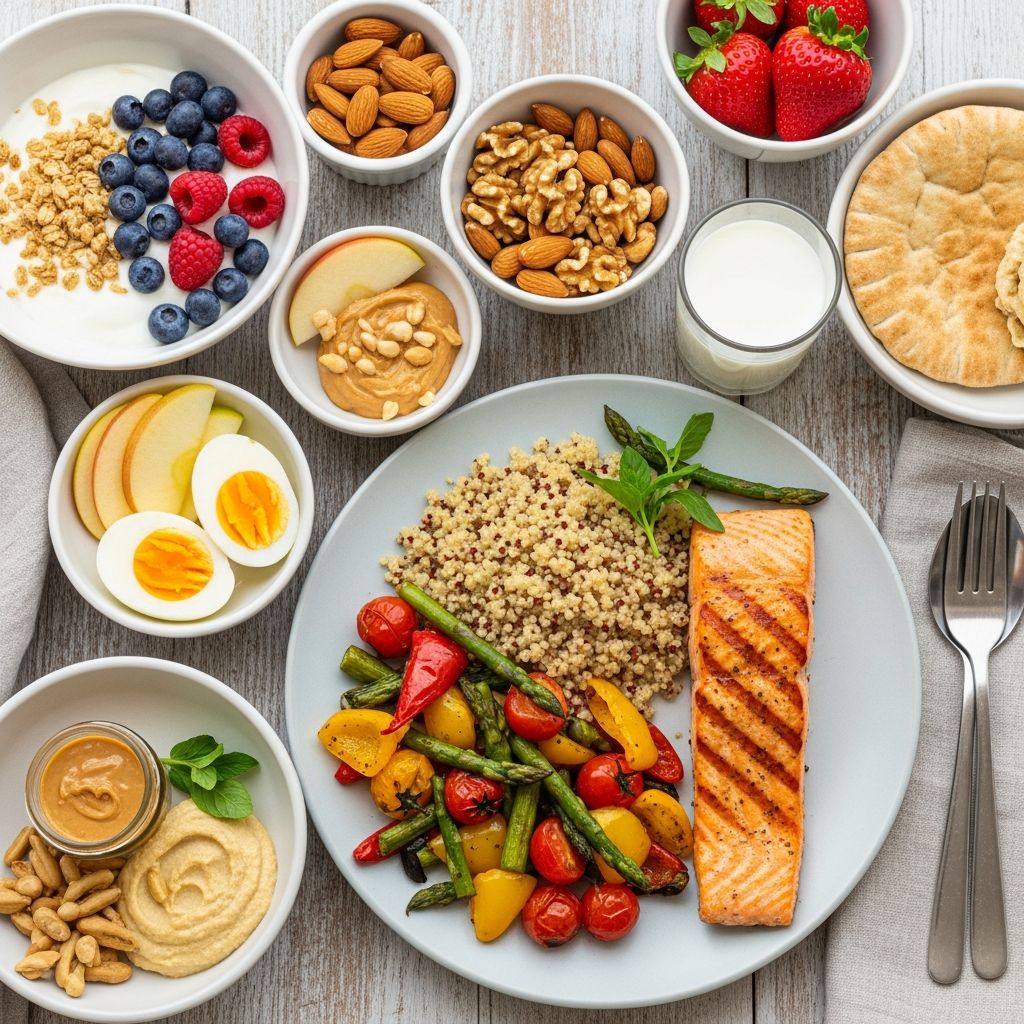
What you eat during pregnancy fuels both your body and your baby’s growth. A balanced pattern of meals and snacks can help you feel more energized, manage nausea and heartburn, and supply essential nutrients for your baby’s developing brain, bones, and organs.
This guide offers practical, easy-to-adapt ideas for healthy pregnancy eating. It focuses on everyday foods that are widely available and simple to prepare, rather than complicated recipes.
Pregnancy Nutrition Basics: What Your Body Needs
During pregnancy, your need for certain vitamins and minerals rises, even though your calorie needs increase only modestly. Most guidelines recommend focusing less on “eating for two” and more on nutrient-dense foods in every meal and snack.
Key Nutrients to Prioritize
- Folate/folic acid: Supports early brain and spine development and helps prevent neural tube defects.
Food ideas: fortified breakfast cereals, leafy greens, beans, lentils, citrus fruits. - Iron: Needed to produce extra blood and deliver oxygen to your baby.
Food ideas: lean red meat, poultry, fish, lentils, beans, fortified cereals, spinach. - Calcium: Helps build your baby’s bones and teeth while protecting your own bone stores.
Food ideas: milk, yogurt, cheese, calcium-fortified plant drinks, leafy greens. - Vitamin D: Aids calcium absorption and bone health.
Food ideas: fortified milk or plant drinks, fortified cereals, eggs, fatty fish (like salmon). - Protein: Essential for growth of fetal tissues (including the brain) and your expanding blood supply.
Food ideas: eggs, fish, poultry, lean meat, tofu, beans, peas, nuts, seeds. - Choline: Important for brain and spine development, and sometimes low in prenatal supplements.
Food ideas: eggs (especially the yolk), meat, fish, beans, lentils. - Omega-3 fatty acids (especially DHA): Support brain and eye development.
Food ideas: low-mercury fish (such as salmon, sardines, trout), ground flaxseed, walnuts.
A daily prenatal vitamin is usually recommended to help meet needs for folic acid, iron, and other nutrients but should complement a healthy eating pattern, not replace it.
Building a Balanced Pregnancy Plate
A helpful visual is to imagine your plate divided into simple sections at most meals.
| Plate Portion | Focus Foods | Benefits in Pregnancy |
|---|---|---|
| About 1/2 of the plate | Vegetables and fruits (fresh, frozen, or canned with minimal added sugar/salt) | Provide fiber, vitamins, minerals, and help with digestion and regularity. |
| About 1/4 of the plate | Whole grains (brown rice, oats, whole-wheat bread, quinoa, whole-grain pasta) | Offer long-lasting energy, B vitamins, and fiber. |
| About 1/4 of the plate | Protein foods (beans, lentils, eggs, lean meat, poultry, fish, tofu, nuts, seeds) | Support baby’s growth, help keep you full, and assist in blood and tissue building. |
| On the side | Dairy or fortified alternatives (milk, yogurt, cheese, fortified soy drink) | Provide calcium, vitamin D, and protein. |
Breakfast Ideas for a Strong Start
Morning meals can be especially important if you are dealing with nausea, fatigue, or heartburn. Aim for something light but nourishing within a few hours of waking.
Quick, Balanced Breakfast Concepts
- Whole-grain + protein + fruit
Example combinations:
– Whole-grain toast topped with scrambled egg and sliced tomato.
– Oatmeal made with milk, sprinkled with chopped nuts and a banana. - Folate- and iron-rich cereal bowl
– Fortified whole-grain cereal with milk or yogurt.
– Add berries or orange slices for vitamin C to enhance iron absorption. - Yogurt-based options
– Plain or lower-sugar yogurt topped with fruit and a spoonful of granola.
– Mix in ground flaxseed or chia seeds for extra fiber and omega-3s. - On-the-go smoothies
– Blend milk or fortified plant drink with frozen fruit and a spoonful of nut butter.
– Add a handful of spinach for extra folate and iron.
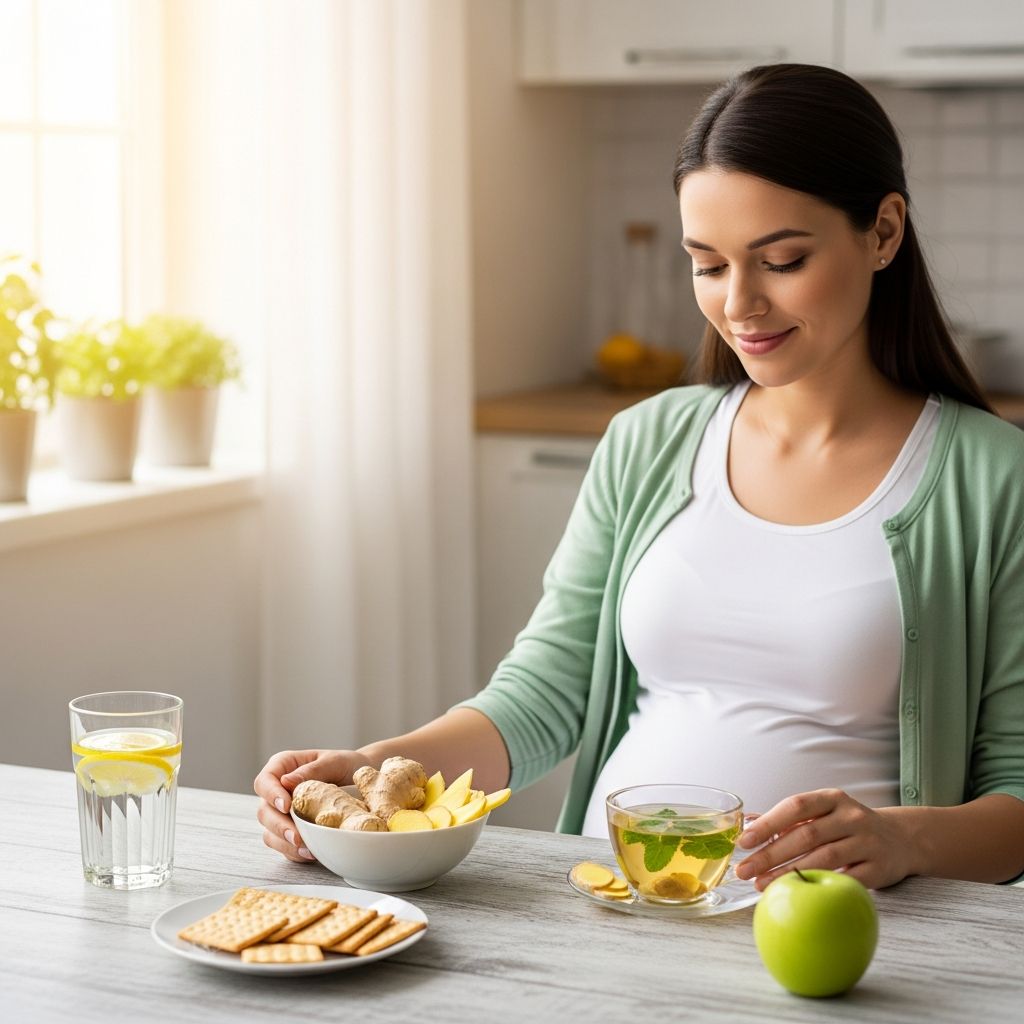
If nausea is an issue, try starting with dry foods like crackers and then sipping fluids once your stomach settles.
Lunch and Dinner: Simple, Nutrient-Rich Meals
Midday and evening meals are ideal times to include a variety of food groups. Keeping meals simple often makes it easier to eat well even when you are tired.
Easy Main Meal Building Blocks
- Grain + protein + vegetables
– Brown rice or quinoa topped with beans or lentils and sautéed vegetables.
– Whole-wheat pasta with tomato-based sauce, chopped vegetables, and lean ground turkey or tofu. - One-pan oven meals
– Baked fish or chicken pieces with chunks of sweet potato and carrots.
– Drizzle with a small amount of oil and herbs; roast until tender. - Hearty salads (with enough calories and protein)
– Base of mixed greens, topped with beans or grilled chicken, a whole grain (like quinoa or barley), nuts or seeds, and chopped vegetables.
– Add a slice of whole-grain bread or a baked potato on the side. - Soup and sandwich pairings
– Vegetable or bean-based soup with a half sandwich using whole-grain bread.
– Fill sandwich with hummus, tuna made with yogurt, or sliced turkey plus plenty of vegetables.
Including Fish Safely
Fish can be an excellent source of protein and omega-3 fats. However, pregnancy guidelines advise focusing on low-mercury seafood and limiting high-mercury species.
- Good choices (check your local or national guidelines for portions):
– Salmon, trout, sardines, anchovies, cod, pollock, tilapia. - Typically limited or avoided due to higher mercury levels:
– Shark, swordfish, king mackerel, tilefish, and some large predatory fish.
Try baking or grilling fish with lemon and herbs, or flaking cooked fish into tacos, grain bowls, or salads.
Smart Snacks to Keep Energy Steady
Frequent, smaller meals and snacks can ease nausea, reduce heartburn, and keep blood sugar more stable. Pairing a carbohydrate with protein or healthy fat tends to be more satisfying.
Snack Pairings with a Purpose
- For sustained energy
– Apple slices with peanut or almond butter.
– Handful of nuts with a piece of fruit.
– Whole-grain crackers with cheese. - For calcium and protein
– Yogurt with sliced fruit.
– Cottage cheese with pineapple or berries.
– A small glass of milk and a piece of whole-grain toast. - For extra fiber
– Raw vegetables (carrot sticks, cucumber, bell pepper) with hummus.
– A small bowl of bean salad.
– Pear or berries sprinkled with ground flaxseed. - For morning sickness relief
– Dry cereal, toast, or plain crackers eaten slowly.
– Cold fruit like grapes or watermelon if strong smells are bothersome.
Managing Common Pregnancy Symptoms Through Food
While food is not a cure for pregnancy symptoms, thoughtful eating patterns can make many of them easier to manage. Always discuss persistent symptoms with your health care provider.
Nausea and Vomiting
- Choose smaller, more frequent meals instead of large ones.
- Keep simple snacks (such as crackers) near your bed to eat before getting up.
- Cold or room-temperature foods may be easier to tolerate than hot, aromatic dishes.
- Stay hydrated with small sips of water or flavored fluids throughout the day.
Heartburn and Indigestion
- Avoid lying down immediately after eating; wait at least 1–2 hours.
- Eat more slowly and consider smaller portions.
- Limit very heavy, fatty, or spicy meals if they trigger symptoms.
- Try plain yogurt, oats, or bananas, which are often well tolerated.
Constipation
- Increase fiber intake gradually with fruits, vegetables, beans, and whole grains.
- Drink plenty of fluids throughout the day, unless otherwise directed by your provider.
- Include regular gentle movement, such as walking, as approved by your provider.
Hydration: An Overlooked Part of Your Pregnancy Diet
Your blood volume increases during pregnancy, making daily fluids especially important. Water helps support digestion, circulation, temperature regulation, and amniotic fluid levels.
- Keep a refillable bottle nearby and sip regularly.
- Include water-rich foods like fruits and vegetables.
- Limit sugary drinks and choose water, sparkling water, or milk more often.
Ask your health care provider about fluid goals if you have kidney, heart, or other medical conditions.
Foods and Drinks to Be Cautious About
Some foods carry a higher risk of foodborne illness or may expose your baby to harmful substances. National health agencies provide detailed lists; these are some commonly recommended precautions.
- Undercooked or raw animal foods
– Avoid raw or undercooked meat, poultry, eggs, and seafood.
– Heat leftovers thoroughly. - Unpasteurized products
– Choose pasteurized milk, juice, and cheese. - Certain fish with high mercury levels
– Limit or avoid species known to be high in mercury (check local guidance). - Alcohol
– No amount of alcohol is considered safe during pregnancy. - Caffeine
– Many guidelines recommend keeping total caffeine intake below a specified daily limit; ask your provider about a safe level for you.
Planning Ahead: Meal Prep Tips for Busy Days
Fatigue, appointments, and other responsibilities can make cooking every day challenging. A bit of planning can help you still eat well.
- Cook once, eat twice: prepare a big batch of chili, soup, or bean-and-vegetable stew to refrigerate or freeze in portions.
- Pre-cut vegetables and wash fruits so they are ready for quick snacks or side dishes.
- Keep a small list of “no-cook” meals (for example, whole-grain bread, cheese, sliced vegetables, and fruit) for especially tired days.
- Stock your pantry with staples: canned beans, whole grains, nut butters, canned fish (like salmon or tuna packed in water, following safety guidance), and shelf-stable milk or fortified plant drinks.
Frequently Asked Questions (FAQs)
Do I really need to “eat for two” during pregnancy?
You do not need to double your food intake. Nutrient needs increase more than calorie needs, especially in early pregnancy. Many people need only a modest increase in calories in the second and third trimesters, while focusing on nutrient-rich foods. Your individual needs depend on your body size, activity level, and stage of pregnancy, so ask your health care provider for personal guidance.
How important is it to take a prenatal vitamin if I eat well?
Even with a healthy diet, it can be difficult to meet increased needs for folic acid, iron, and some other nutrients from food alone. Most guidelines recommend a daily prenatal vitamin starting before pregnancy and continuing throughout pregnancy. Your provider can help you choose one that is appropriate for you.
Can I be vegetarian or vegan while pregnant?
Many people have healthy pregnancies with vegetarian or vegan eating patterns, but planning is important. Emphasize plant proteins (beans, lentils, tofu, tempeh, nuts, seeds), whole grains, fruits, and vegetables, and pay close attention to nutrients like iron, vitamin B12, iodine, choline, calcium, vitamin D, and omega-3 fats. A registered dietitian or health care provider can help you plan a balanced approach and suggest appropriate supplements.
What if I am too nauseated to eat full meals?
Many pregnant people cope better with smaller, frequent snacks instead of large meals. Choose mild, lower-fat foods and keep simple snacks by your bed or at work. Cold foods may have less odor and be easier to tolerate. It is still important to drink fluids to prevent dehydration. If you struggle to keep food or fluids down or lose weight, contact your provider promptly.
How can I safely handle food to reduce the risk of illness?
Pregnancy makes you more vulnerable to some foodborne infections. Wash hands, utensils, and cutting boards carefully, keep raw meats separate from ready-to-eat foods, cook animal products to safe internal temperatures, and refrigerate leftovers promptly. Choosing pasteurized dairy and avoiding undercooked meats and eggs are especially important.
References
- Pregnancy diet: Focus on these essential nutrients — Mayo Clinic. 2022-05-26. https://www.mayoclinic.org/healthy-lifestyle/pregnancy-week-by-week/in-depth/pregnancy-nutrition/art-20045082
- Nutrition During Pregnancy — American College of Obstetricians and Gynecologists (ACOG). 2023-01-01. https://www.acog.org/womens-health/faqs/nutrition-during-pregnancy
- Dietary Advice Before and During Pregnancy — U.S. Food and Drug Administration (FDA). 2022-03-01. https://www.fda.gov/food/people-risk-foodborne-illness/dietary-advice-and-during-pregnancy
- Have a healthy diet in pregnancy — NHS. 2023-06-16. https://www.nhs.uk/pregnancy/keeping-well/have-a-healthy-diet/
- Eating Right Before and After Pregnancy — USDA Agricultural Research Service. 2022-04-01. https://www.ars.usda.gov/oc/utm/eating-right-before-and-after-pregnancy/
- Build a Healthy Eating Routine When You’re Pregnant or Breastfeeding — U.S. Department of Agriculture, Dietary Guidelines for Americans Fact Sheet (PDF). 2021-12-01. https://www.dietaryguidelines.gov/sites/default/files/2021-12/DGA_Pregnancy_FactSheet-508c.pdf
- Nutrient Requirements during Pregnancy and Lactation — Koletzko B, et al., Nutrients. 2021-02-25. https://www.ncbi.nlm.nih.gov/pmc/articles/PMC7926714/
- Nutrition Information for Pregnancy and Breastfeeding — MyPlate.gov, U.S. Department of Agriculture. 2024-01-01. https://www.myplate.gov/life-stages/pregnancy-and-breastfeeding