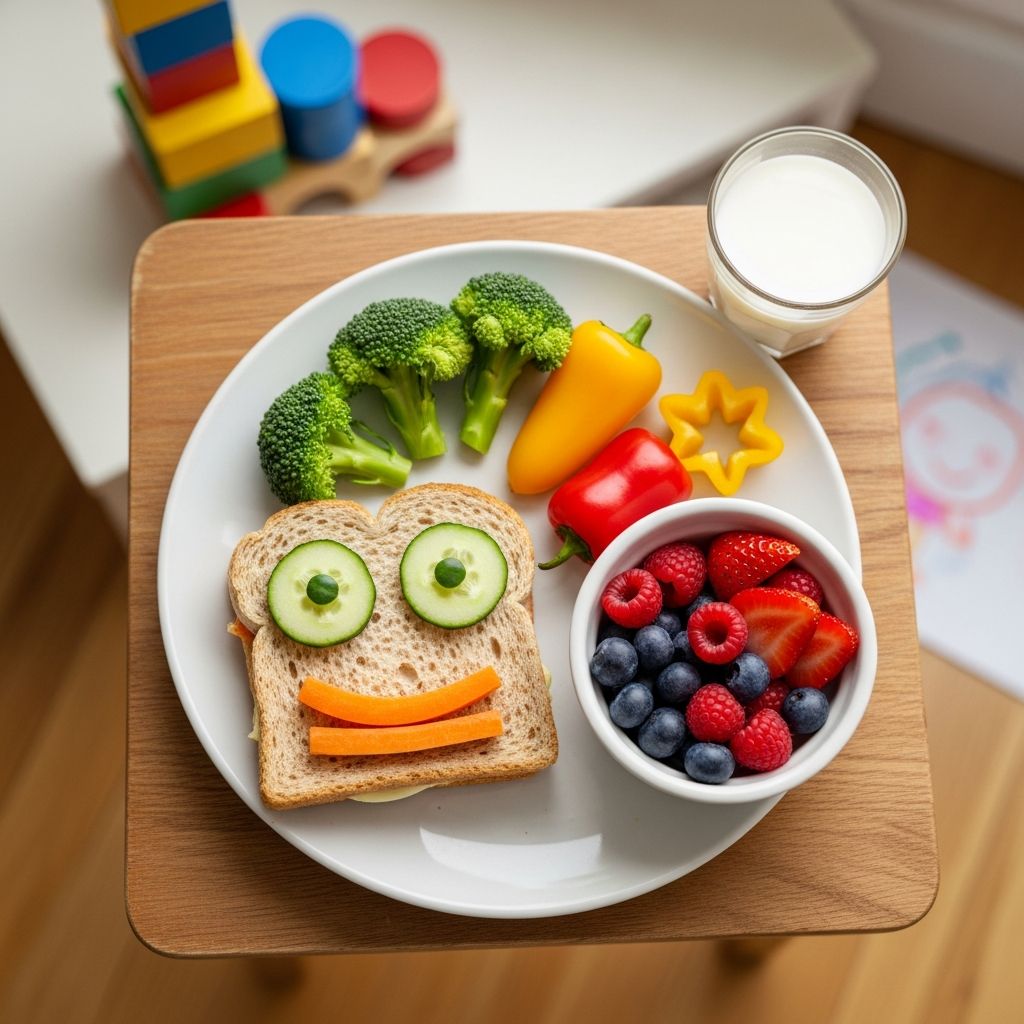
Creating a Strong Nutritional Foundation During Early Childhood
The early years of a child’s life represent a critical window for establishing healthy eating patterns that can influence lifelong nutrition habits and overall wellness. During infancy and the toddler years, children experience rapid physical growth and cognitive development, making proper nutrition not merely beneficial but essential. Parents and caregivers play a pivotal role in shaping their children’s relationship with food by introducing a diverse array of flavors, textures, and nutrient-dense ingredients at appropriate developmental stages.
The transition from breast milk or formula to solid foods marks a significant milestone in a child’s nutritional journey. This period, typically beginning around four to six months of age, offers an ideal opportunity to cultivate adventurous eaters who appreciate wholesome ingredients and understand the connection between nutritious food and vibrant health. By thoughtfully selecting recipes and preparation methods that highlight natural flavors and maximize nutritional content, caregivers can set the stage for a lifetime of positive dietary choices.
Understanding Developmental Readiness and Age-Appropriate Nutrition
Before introducing any new foods or textures to a developing child, caregivers must first understand the physical and developmental milestones that indicate readiness. Infants begin their solid food journey with single-ingredient purees that allow their digestive systems to adapt gradually while enabling parents to identify potential allergic reactions. This foundational phase typically spans from four to nine months and emphasizes smooth, easily digestible options.
As children progress through their first year and into toddlerhood, their ability to manage more complex textures increases significantly. The progression from smooth purees to mashed foods and eventually to soft finger foods reflects their developing oral motor skills and expanding digestive capacity. Understanding these developmental stages helps caregivers introduce foods strategically, reducing frustration and choking hazards while encouraging exploration and self-feeding.
During the toddler years, particularly from one to three years of age, children develop increasingly sophisticated palates and can participate in family meals with modified portions. This phase emphasizes variety, balanced nutrition, and the opportunity for children to develop independence in eating while still receiving appropriate guidance and supervision.
Selecting Wholesome Ingredients That Support Growth
The foundation of any nutritious children’s diet begins with ingredient selection. Choosing organic, minimally processed foods ensures that young children receive maximum nutritional benefit without unnecessary additives, pesticides, or artificial ingredients. Organic produce typically contains higher concentrations of certain nutrients and eliminates exposure to synthetic chemical residues during this vulnerable developmental period.
Quality protein sources form the building blocks of a child’s growth and development. Offering diverse protein options from early infancy—including plant-based sources like legumes and nuts (when age-appropriate), fish rich in omega-3 fatty acids, and lean poultry—ensures children receive complete amino acid profiles necessary for tissue development and immune function. These proteins should be introduced in textures appropriate to the child’s developmental stage, whether as smooth purees, mashed components, or bite-sized pieces.
Vegetables and fruits provide essential vitamins, minerals, and fiber that support immune function, bone development, and digestive health. Deep-colored vegetables like kale, spinach, and sweet potatoes deliver concentrated micronutrients, while varied fruits offer natural sweetness alongside beneficial phytonutrients. Introducing this diversity early helps prevent the development of overly restricted eating patterns and exposes children to the full spectrum of nutritional benefits available through whole foods.
Whole grains including quinoa, farro, and brown rice provide sustained energy through complex carbohydrates and fiber while delivering B vitamins essential for cognitive development. These grains can be introduced as early as the beginning stages of solids and incorporated into increasingly complex recipes as children’s eating abilities progress.
The Art of Recipe Development for Young Eaters
Creating appealing, nutritious recipes for infants and toddlers requires balancing nutritional density with age-appropriate textures and flavors. Successful recipes combine multiple nutrient-dense ingredients that complement each other’s flavors while delivering comprehensive nutritional profiles in single servings.
For younger infants beginning their solid food journey, recipes often combine a single grain or vegetable base with complementary proteins and healthy fats. As children progress, recipes can incorporate more ingredients, varied textures, and layered flavors that introduce increasingly sophisticated taste experiences. The inclusion of warming spices like cinnamon or mildly pungent seasonings like mild garlic helps develop children’s palates while adding flavor without sodium or other unhealthy additives.
Texture modification represents a critical consideration in recipe development. Purees designed for four to nine-month-old infants maintain smooth consistency that requires minimal chewing, while mashed preparations for slightly older children incorporate small soft chunks that encourage gum-based chewing and oral motor development. As toddlers advance, recipes can feature increasingly defined pieces that children can practice picking up and managing independently, supporting both nutrition and developmental milestones.
Sample Flavor Combinations Across Developmental Stages
Different age groups benefit from specifically tailored flavor combinations that align with their developmental capabilities and introduce nutritional variety:
- Early infants (4-6 months): Single-ingredient purees such as sweet potato, avocado, or banana provide gentle introductions without overwhelming developing taste buds. These foundational flavors establish acceptance of whole foods before progressing to combinations.
- Established infants (6-9 months): Two to three-ingredient combinations such as carrot-apple-cinnamon or spinach-pear-quinoa introduce complementary flavors while delivering multiple micronutrients. These recipes maintain smooth textures while beginning to expand children’s flavor vocabulary.
- Experienced infants (9-12 months): More complex combinations featuring protein, vegetables, grains, and healthy fats—such as salmon with beet and rice or chicken with kale and sweet potato—mirror adult meal components while maintaining appropriate textures. These recipes prepare children for eventual family meal participation.
- Toddlers (1-3 years): Recipes incorporating mashed or diced ingredients allow children to practice self-feeding while experiencing diverse flavors. Combinations like bean-based dishes with vegetables, baked fish with roasted vegetables, and grain-based preparations with fruit offer nutritional completeness alongside appealing textures.
Practical Strategies for Meal Preparation and Storage
Efficient meal preparation ensures that nutritious options remain readily available despite the demands of parenting young children. Batch-preparing recipes in larger quantities and portioning them into age-appropriate serving sizes—using ice cube trays for younger infants or small containers for toddlers—streamlines daily feeding while maintaining food safety. Most properly stored purees remain safe for three to four days under refrigeration, while frozen portions maintain quality for three to six months depending on ingredient composition.
Utilizing simple kitchen equipment streamlines recipe preparation. Food mills, blenders, or immersion blenders allow parents to achieve desired textures without significant culinary expertise. Starting with familiar fruits and vegetables that a family already enjoys makes batch preparation feel like a natural extension of regular meal preparation rather than an additional task.
Understanding proper food safety practices—including thorough washing of produce, appropriate storage temperatures, and recognition of spoilage signs—protects developing immune systems while building parent confidence in food preparation. Teaching family members consistent food safety practices ensures that multiple caregivers can safely prepare and serve nutritious meals to young children.
Transitioning Children Toward Family Meal Participation
As children progress through toddlerhood, gradually increasing their participation in family meals represents an important developmental and nutritional transition. Rather than preparing entirely separate meals, caregivers can modify components of family dinners to create age-appropriate portions—removing excessive seasoning, adjusting textures, and ensuring appropriate portion sizes for their child’s developmental stage.
This approach offers multiple advantages: it simplifies meal preparation, normalizes the family dining experience, and models healthy eating behaviors for developing children. Young children who observe family members enjoying varied, wholesome foods are more likely to embrace these options themselves, particularly when offered patient, pressure-free exposure to new flavors and textures.
Involving toddlers in age-appropriate meal preparation tasks—such as placing soft vegetables into a bowl or tearing lettuce for a family salad—builds excitement about eating while developing early cooking skills and understanding of where food originates. These participatory experiences create positive associations with nutritious foods and contribute to the development of competent, confident eaters.
Addressing Common Feeding Challenges and Concerns
Many parents encounter feeding challenges during early childhood that warrant thoughtful, patient approaches. When children reject previously accepted foods, caregivers can respond by continuing to offer these options without pressure while introducing new flavors and textures. Research demonstrates that children often require multiple exposures to new foods—sometimes fifteen or more—before developing acceptance, making persistence without coercion a valuable strategy.
Concerns about adequate nutrition occasionally arise when children demonstrate preferences for particular foods or textures. Maintaining focus on weekly nutritional variety rather than day-to-day perfection helps reduce anxiety while ensuring that children ultimately receive comprehensive nutrition. When specific concerns about growth, development, or eating behaviors emerge, consulting with pediatric healthcare providers ensures that professional guidance addresses individual circumstances.
Recognizing that feeding approaches that work for one child may not suit another helps caregivers avoid comparing their experiences to others’ approaches. Each child arrives with unique preferences, developmental trajectories, and dietary needs. Maintaining patience and flexibility while consistently offering nutritious options creates the foundation for lifelong healthy eating patterns.
Building Long-Term Healthy Eating Patterns
The recipes and feeding strategies employed during infancy and toddlerhood establish templates that often persist into childhood and beyond. Children who grow up enjoying whole grains, varied vegetables, quality proteins, and whole fruits typically maintain these preferences throughout their lives. Conversely, early exposure to heavily processed, heavily sweetened, or artificially flavored foods can create entrenched preferences that prove difficult to modify later.
By prioritizing nutritious ingredient selection and recipe development during these formative years, caregivers invest in their children’s long-term health trajectories. These early experiences with diverse flavors, positive family mealtime experiences, and confidence in preparing wholesome foods create the psychological and physiological foundation for adults who enjoy food, understand nutrition, and make intentional dietary choices.
Frequently Asked Questions
Q: When should I introduce potential allergens like nuts and shellfish to my infant?
A: Current research suggests that early introduction of common allergens, including peanuts, tree nuts, and fish, between six and twelve months of age may reduce the likelihood of developing allergies. However, consult your pediatrician about your family’s specific allergy history before introducing these foods.
Q: How can I tell if my child is ready to transition to finger foods?
A: Signs of readiness typically include the ability to sit upright independently, loss of the tongue-thrust reflex that pushes foods from the mouth, and developing interest in self-feeding. These milestones typically emerge around eight to ten months but vary among individuals.
Q: Is it necessary to prepare homemade baby food, or are commercial options equally nutritious?
A: Both homemade and quality commercial options can provide adequate nutrition. Homemade preparation offers control over ingredient selection and cost benefits, while commercial options provide convenience. Many families utilize both approaches based on circumstances and preferences.
Q: What should I do if my toddler refuses vegetables?
A: Continued exposure without pressure, involvement in meal preparation, and modeling vegetable consumption by family members supports eventual acceptance. Offering vegetables in varied preparations—raw, cooked, combined with proteins, or included in familiar dishes—expands opportunities for acceptance.
Q: How much food should my toddler eat at each meal?
A: Toddler portion sizes typically range from one-quarter to one-half of adult portions, though individual needs vary based on activity level, growth rate, and metabolism. Observing hunger and fullness cues rather than forcing consumption of specific quantities supports healthy appetite development.
References
- Happy Family Launches First-Ever Cookbook — PR Newswire. 2016-09-06. https://www.prnewswire.com/news-releases/happy-family-launches-first-ever-cookbook-300322963.html
- The Happy Family Organic Superfoods Cookbook For Baby & Toddler — Insight Editions. 2016-09-06. https://insighteditions.com/products/happy-family-organic-superfoods-cookbook-for-baby-38-toddler
- American Academy of Pediatrics: Introduction of Allergens to Infants — AAP Official Guidelines. https://www.healthychildren.org/
- Developmental Milestones in Infant Feeding — Centers for Disease Control and Prevention. https://www.cdc.gov/ncbddd/actearly/milestones/index.html
- Nutritional Requirements for Infants and Toddlers — Academy of Nutrition and Dietetics. https://www.eatright.org/