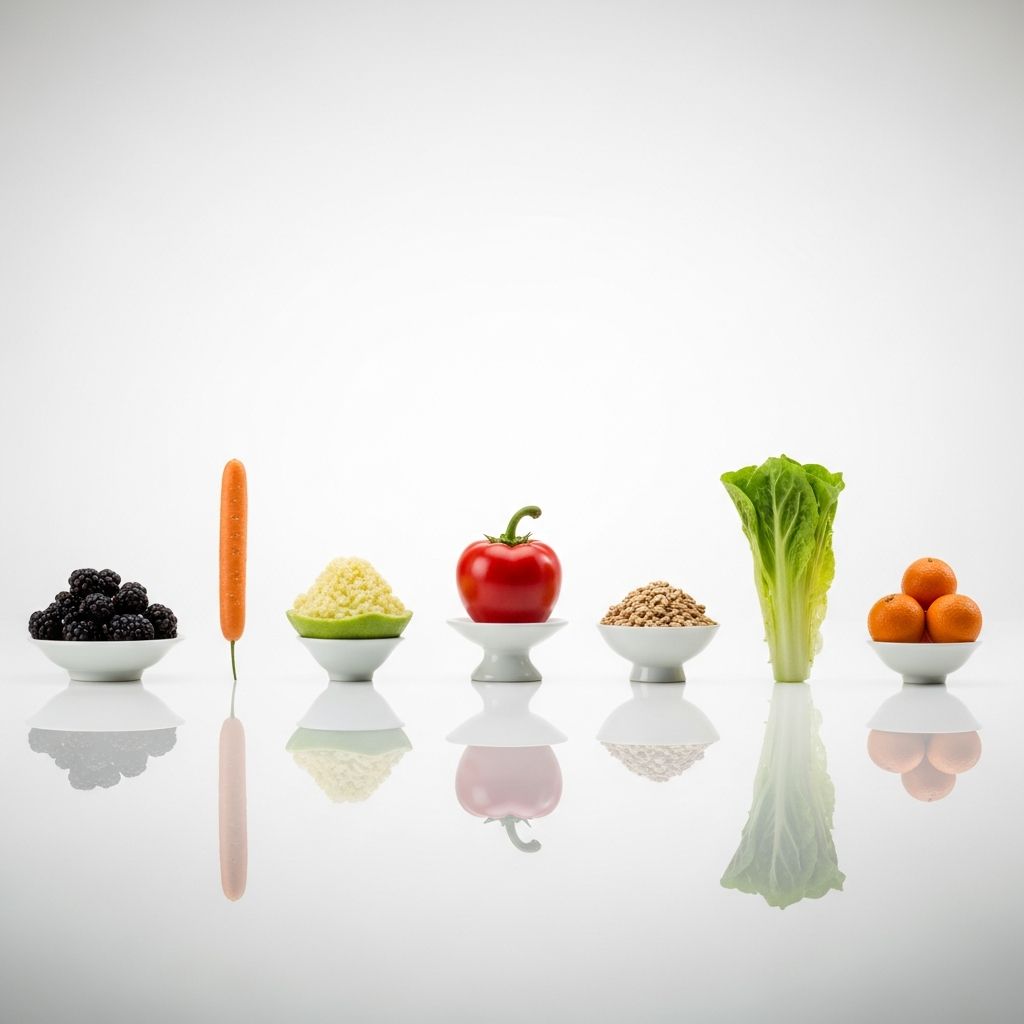
Building a foundation for nutritious living starts with everyday practices that families can adopt together. These habits emphasize balance, enjoyment, and consistency, drawing from generational wisdom to make wholesome choices feel natural rather than forced.
Building Family Bonds Through Shared Meals
Gathering around the table for meals strengthens relationships and instills positive attitudes toward food. When families eat together, children observe balanced portions and variety, learning by example without lectures. This practice reduces mindless snacking and encourages conversation, turning dinner into a highlight of the day.
- Schedule meals at consistent times to create anticipation and structure.
- Turn off screens to focus on each other and the food.
- Involve kids in setting the table to build excitement.
Research from the American Academy of Pediatrics highlights that regular family meals correlate with better nutrient intake and lower obesity risks in children.
Stocking Up on Convenient Nutritious Options
Having healthy snacks readily available prevents reaching for processed alternatives during busy moments. Prep sessions once a week can fill containers with sliced veggies, fresh fruits, nuts, and homemade energy bites, making good choices effortless.
| Snack Category | Examples | Prep Time |
|---|---|---|
| Fruits & Veggies | Apple slices, carrot sticks, berries | 10 minutes |
| Nuts & Seeds | Almonds, chia pudding cups | 5 minutes |
| Baked Goods | Mini muffins, granola bars | 30 minutes (batch) |
| Frozen Treats | Yogurt pops, smoothie cubes | 15 minutes |
Create designated ‘grab zones’ in the fridge or pantry, labeled for easy access by all family members. This setup supports steady energy levels and curbs hunger-driven impulses.
Establishing Structured Eating Schedules
Routines around meals and snacks train the body to recognize true hunger cues, promoting better digestion and appetite regulation. Aim for three main meals with one or two planned snacks, spaced to allow natural fullness to develop.
- Breakfast by 8 AM, lunch around noon, dinner by 6 PM.
- Snack windows mid-morning and afternoon only.
- Avoid eating within three hours of bedtime for optimal rest.
According to the Centers for Disease Control and Prevention (CDC), structured eating patterns aid in weight management and metabolic health.
Embracing a Spectrum of Vibrant Foods
Incorporate a variety of colors on every plate to ensure a broad nutrient profile. Red tomatoes provide lycopene, orange carrots offer beta-carotene, green spinach delivers folate, and purple berries supply antioxidants—each hue signals unique benefits.
Challenge the family to ‘paint a rainbow’ at meals: aim for at least four colors per dish. This not only boosts vitamins and minerals but also makes plates visually appealing, especially for picky eaters.
Preparing Meals from Scratch
Cooking at home allows control over ingredients, reducing hidden sugars and salts. Simple recipes like stir-fries, soups, or sheet-pan dinners can be batch-prepped for the week, saving time while prioritizing whole foods.
- Use seasonal produce for freshness and affordability.
- Experiment with herbs and spices for flavor without excess sodium.
- Make extras for lunches to reinforce healthy choices throughout the day.
The USDA recommends home cooking as a key strategy for balanced diets, linking it to higher fiber and lower calorie intake.
Choosing Treats with Nutritional Value
Indulgence doesn’t have to derail health goals. Opt for treats like dark chocolate-dipped fruit, nut butter energy balls, or baked apple crisps that satisfy sweet cravings with added nutrients.
Keep these in portioned servings to enjoy without guilt. This approach teaches moderation and reframes ‘treats’ as part of a balanced life, rather than forbidden temptations.
Guiding Food Access Mindfully
Designate one person to handle grocery shopping or snack distribution to maintain quality control. This prevents impulse buys and ensures the home environment supports goals.
Involve children in planning lists focused on wholesomeness, turning it into an educational game. Over time, this builds discernment and ownership in healthy selections.
Additional Strategies for Success
Beyond the core habits, hydration plays a crucial role—aim for half your body weight in ounces of water daily. Pair this with daily outdoor time to enhance mood and vitamin D levels, as supported by Harvard T.H. Chan School of Public Health findings.
Mindful eating practices, like chewing slowly and savoring flavors, deepen appreciation for food. Track progress with a family journal, noting favorites and wins to stay motivated.
Frequently Asked Questions (FAQs)
What if my kids reject new foods?
Introduce varieties gradually alongside favorites. Repeated exposure without pressure often leads to acceptance over time.
How do I fit meal prep into a busy schedule?
Start with 30 minutes on Sundays for chopping and basic cooking. Use slow cookers for hands-off meals.
Can these habits work for picky eaters?
Yes, focus on familiar textures with added nutrition, like blending veggies into sauces, and involve them in prep.
What’s the best way to handle cravings?
Have pre-portioned healthy swaps ready, and address emotional triggers through non-food activities like walks.
How soon will we see changes?
Noticeable shifts in energy and preferences can emerge in 2-4 weeks with consistency.
Overcoming Common Challenges
Families often face resistance or slip-ups. Counter this by celebrating small victories, like trying a new veggie, and adjusting based on feedback. Flexibility keeps habits sustainable.
For working parents, quick assemblies like overnight oats or veggie wraps streamline mornings. Involve teens in cooking to foster independence and buy-in.
References
- Family Meals — American Academy of Pediatrics. 2023-05-15. https://publications.aap.org/pediatrics/article/151/5/e2022058331/190000/Family-Meals
- Healthy Eating Patterns — Centers for Disease Control and Prevention. 2024-01-10. https://www.cdc.gov/healthyweight/healthy_eating/index.html
- Dietary Guidelines for Americans — United States Department of Agriculture. 2025-01-01. https://www.dietaryguidelines.gov/
- The Nutrition Source: Vitamin D — Harvard T.H. Chan School of Public Health. 2023-11-20. https://nutritionsource.hsph.harvard.edu/vitamin-d/
- Eating the Rainbow — World Health Organization. 2024-03-05. https://www.who.int/news-room/fact-sheets/detail/healthy-diet