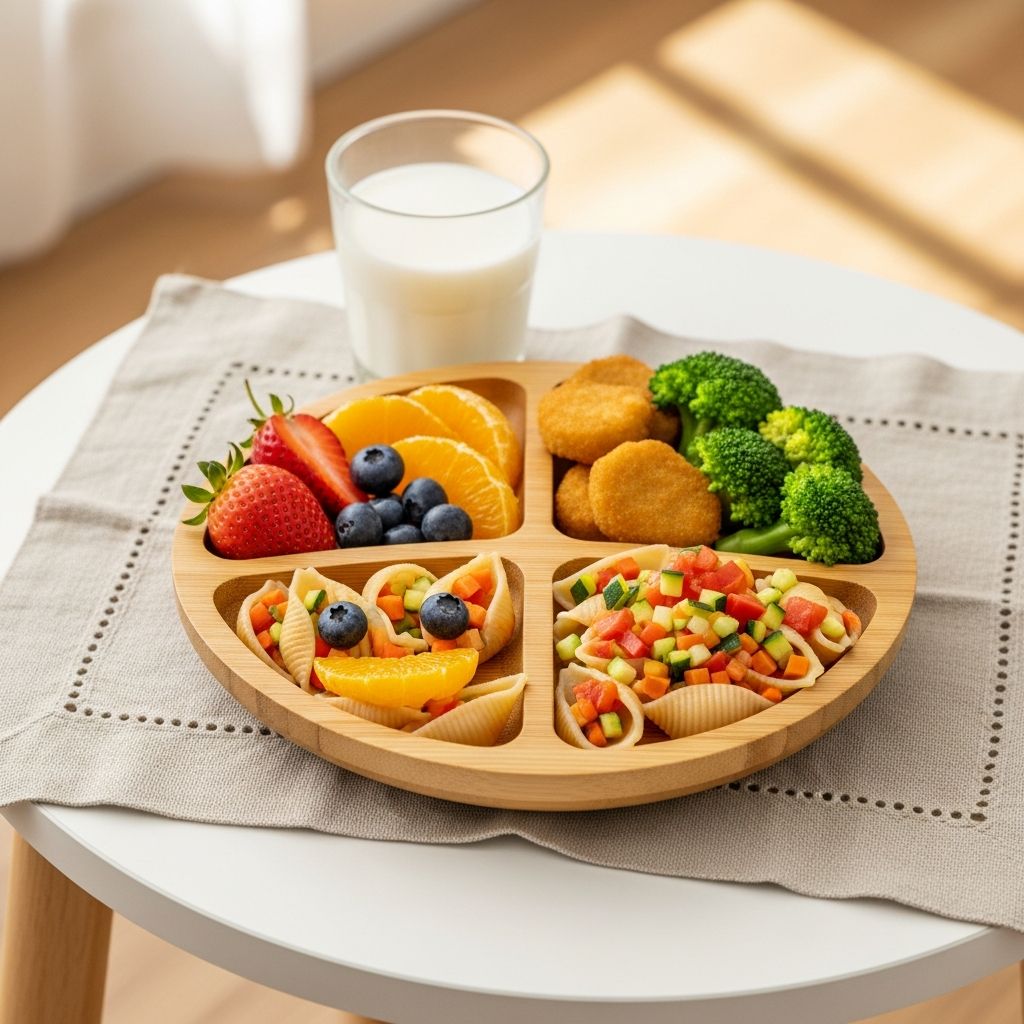
Helping children build healthy eating habits is one of the most impactful gifts parents can give. From infancy through school years, nutrition shapes physical growth, cognitive development, and long-term health. This guide draws on expert insights to offer fresh approaches for making mealtimes enjoyable and nutritious, ensuring kids thrive without battles over plates.
Building a Foundation with Balanced Nutrition
A child’s diet should prioritize variety to meet growing needs. Focus on whole foods that provide sustained energy and essential nutrients. Slow-burning carbohydrates like oats, whole grains, and sweet potatoes offer steady fuel without sugar crashes. Pair these with proteins such as eggs, yogurt, nuts, or lean meats, and include healthy fats from sources like fish or walnuts for brain health.
Daily recommendations vary by age. For children aged 2-8, aim for 2-4 servings of vegetables (¾ cup each), 2-3 fruit servings, and 2-3 grain servings with at least half as whole grains. The American Heart Association emphasizes whole grains in breads, rice, and cereals, selecting those listing ‘whole grain’ first and providing 10% or more daily fiber. Mayo Clinic advises a mix of fresh, canned (in juice), frozen, or dried fruits and low-sodium vegetables.
| Food Group | Daily Servings (Ages 2-8) | Examples |
|---|---|---|
| Vegetables | 2-4 (¾ cup each) | Broccoli, carrots, peas, colorful mixes |
| Fruits | 2-3 (¾ cup each) | Apples, berries, canned in juice |
| Grains | 2-3 (1 oz eq.) | Whole wheat bread, brown rice, oatmeal |
| Proteins | Varies | Beans, eggs, fish, nuts |
Use healthy plant oils like olive or canola for cooking and dressings, limiting saturated fats. Serve meatless meals weekly with beans, nuts, or veggie-based dishes for added fiber and protein.
Making Mealtimes an Adventure
Turn eating into play to spark curiosity. Let kids select a new fruit or vegetable weekly at the store, then collaborate on preparation. Create food art with colorful plates or arrange ‘burrito bowl bars’ where children assemble their own. These activities make nutrition exciting and memorable.
- Fun presentations: Cut fruits into shapes or build veggie faces.
- Themed meals: Host picnics indoors or outdoor feasts.
- Games: ‘Rainbow plate’ challenge to include every color.
Repeated exposure is key—kids may need 10-15 tries before accepting a new food. Pair unfamiliar items with favorites, like dipping veggies in familiar sauces, and start with tiny portions to reduce waste.
Empowering Kids Through Involvement
Children eat more willingly when they participate. Involve them in menu planning, grocery shopping, and cooking from an early age. Even toddlers can wash produce or stir mixes, building ownership and skills. Discuss food groups during prep to educate naturally.
For elementary-aged kids, grant choices: ‘Which veggie today?’ or ‘Brown rice or quinoa?’ This fosters independence. Keep healthy options accessible—pre-cut veggies in fridge bins or fruit bowls on counters. Portion snacks into kid-height baskets for easy grabs.
Conquering Picky Eating Challenges
Picky phases are common, but persistence pays off. Offer new foods beside trusted ones without pressure. Blend veggies into sauces or smoothies for hidden nutrition. Gradually mix in whole grains, like lentils with rice.
- Serve small tastes only.
- Ask for feedback: thumbs up/down?
- No forcing—honor preferences.
Avoid processed foods high in sugar, sodium, and fats; make no-bake snacks like yogurt parfaits instead. Model enthusiasm: kids mimic parents’ choices.
Establishing Family Eating Routines
Consistent structures promote success. Eat together family-style when possible, maintaining set meal and snack times to curb grazing. Start with water and healthy picks. Limit unhealthy treats in the home.
Snack smart with ready fruits, celery, or peppers in reachable spots. Ditch screens during meals to focus on food and conversation. Advocate for better school options too.
Age-Specific Nutrition Tactics
Toddlers (Ages 2-3)
Emphasize finger foods and self-feeding. Offer soft fruits, steamed veggies, and whole grain crackers. Introduce textures gradually.
Preschoolers (Ages 4-5)
Increase variety; involve in simple recipes. Focus on colors and fun shapes to expand palates.
School-Agers (Ages 6-8)
Teach portion awareness and reading labels. Pack balanced lunches with proteins, grains, and produce.
Quick Meal and Snack Ideas
- Breakfast: Overnight oats with fruit and nuts; yogurt smoothies.
- Lunch: Veggie wraps with hummus; turkey roll-ups.
- Dinner: Stir-fry with whole grains; bean chili.
- Snacks: Apple slices with nut butter; cheese and cherry tomatoes.
Prep ahead: sandwich components night before, with milk or fruit. Choose bars with ≥3g fiber, ≤10g sugar.
Frequently Asked Questions
What if my child refuses vegetables?
Pair with dips, hide in favorites, and expose repeatedly without pressure. Involvement in prep helps.
How many snacks per day?
Two structured snacks between three meals, focusing on nutrient-dense options.
Can kids have treats?
Occasionally, in moderation. Prioritize whole foods daily.
What’s a serving size?
¾ cup fruits/veggies; 1 oz grains for young kids.
How to handle school lunches?
Pack balanced boxes; advocate for healthier cafeteria choices.
References
- Seven Ways to Get Your Kids to Eat Healthy — Blue Cross Vermont. 2023. https://www.bluecrossvt.org/health-community/blog/listing/seven-ways-get-your-kids-eat-healthy
- Ages 2-8 Feeding Recommendations — Healthy Eating Research. 2024. https://healthyeatingresearch.org/tips-for-families/ages-2-8-feeding-recommendations/
- 30 Tips to Help Your Family Eat Better — American Heart Association. 2025-03-15. https://www.heart.org/en/healthy-living/healthy-eating/eat-smart/nutrition-basics/daily-tips-to-help-your-family-eat-better
- Nutrition for kids: Guidelines for a healthy diet — Mayo Clinic. 2024-11-20. https://www.mayoclinic.org/healthy-lifestyle/childrens-health/in-depth/nutrition-for-kids/art-20049335
- A Parent’s Guide to Healthy Eating for Kids — CBWCHC. 2024. https://www.cbwchc.org/news/childhood-nutrition
- Kid’s Healthy Eating Plate — Harvard T.H. Chan School of Public Health. 2023-08-10. https://nutritionsource.hsph.harvard.edu/kids-healthy-eating-plate/