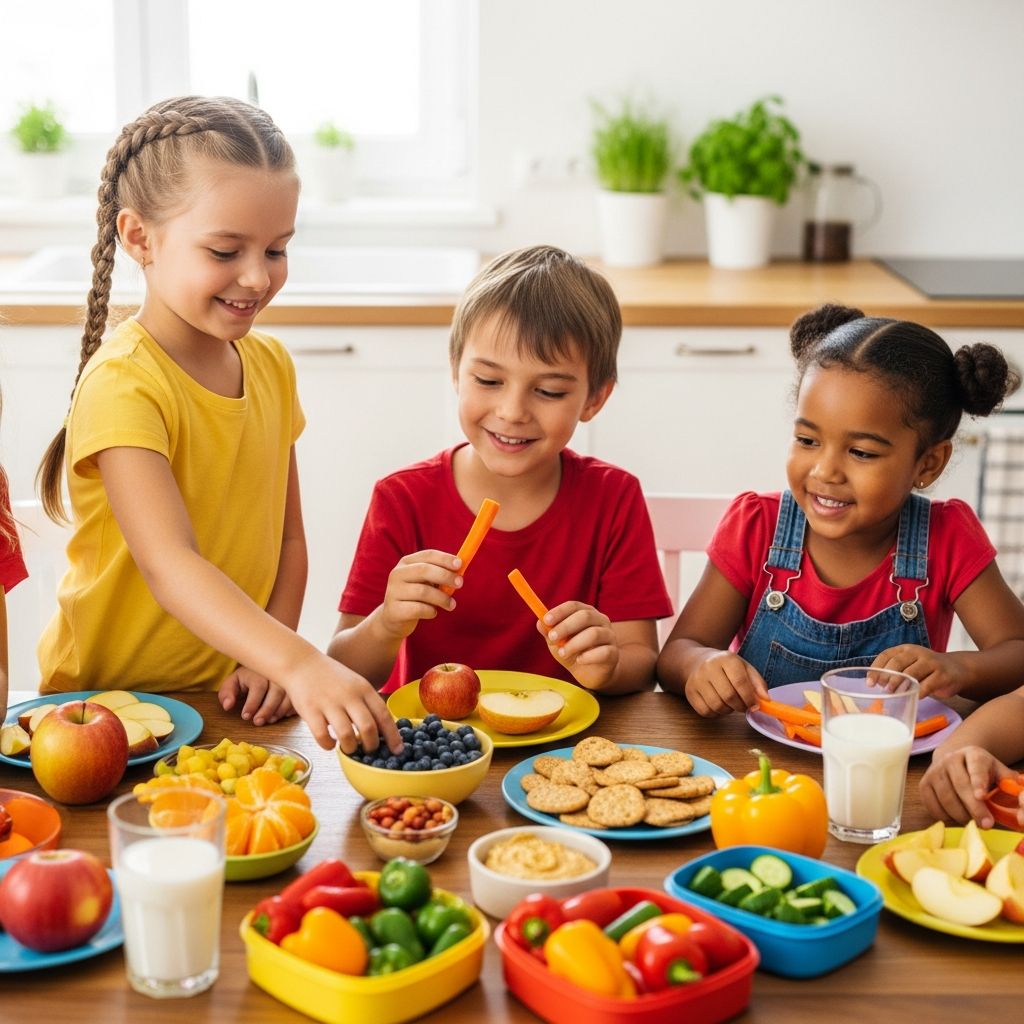
Establishing Foundation Eating Behaviors in Childhood
Creating sustainable nutrition patterns during childhood establishes the groundwork for lifelong wellness decisions. Parents and caregivers play a pivotal role in shaping how children perceive food, recognize hunger signals, and develop preferences for nutritious options. The challenge of modern parenting includes navigating busy schedules, limited time for meal preparation, and competing food choices, yet research consistently demonstrates that intentional strategies can significantly improve children’s dietary quality and health outcomes.
The Parental Influence Model
Children demonstrate a natural tendency to replicate the behaviors and choices they observe from the adults in their lives. This modeling effect extends beyond simple imitation; it shapes fundamental attitudes toward food and eating. When parents demonstrate consistent consumption of diverse fruits, vegetables, whole grains, and lean proteins, children internalize these choices as normal and desirable. Conversely, when parents restrict their own healthy eating while encouraging children to eat nutritiously, a cognitive disconnect emerges that undermines messaging about food choices.
To maximize this modeling effect, parents should approach their own nutrition as an investment in family health. Eating the same foods you serve your children, discussing why certain choices matter for energy and growth, and expressing genuine enjoyment of nutritious foods all reinforce positive associations. This approach proves more effective than lectures or pressure, as children learn through observation that healthy eating is pleasurable and worthwhile rather than something to endure.
Creating Accessibility and Visibility of Healthy Options
Environmental structure profoundly influences children’s food selection patterns. Research shows that foods positioned at eye level, readily accessible without preparation barriers, and prominently displayed significantly increase consumption rates. This principle applies differently across age groups but maintains relevance throughout childhood development.
Strategic kitchen organization includes:
- Storing pre-cut vegetables in clear containers at refrigerator eye level for toddlers and preschoolers
- Maintaining a fruit bowl on countertops as the default snack location
- Using portion-controlled containers placed on lower pantry shelves for convenient self-service
- Reserving premium shelf space for water and low-fat milk rather than sweetened beverages
- Limiting the quantity and visibility of processed snacks, treats, and sugary items within the home
This environmental approach reduces the cognitive load on children when making food decisions while automatically increasing exposure to nutritious options. Rather than relying solely on willpower or repeated negotiations, the physical environment communicates priorities through structural design. Parents who implement these changes often observe spontaneous improvements in snacking patterns without increased conflict around food choices.
Structuring Meals and Snacks Around Consistent Timing
Establishing predictable meal and snack schedules creates metabolic regulation and prevents constant grazing throughout the day. When children understand that structured eating opportunities occur at set times, they develop more consistent hunger recognition and fuller appreciation for actual meals rather than continuous nibbling.
Benefits of consistent timing patterns:
- Regulates children’s hunger and fullness signals for better appetite recognition
- Prevents overeating by establishing natural satiation points between eating opportunities
- Ensures steady nutrient delivery across the day rather than sporadic intake
- Reduces negotiations about when food is available or appropriate
- Aligns with school and activity schedules for better family coordination
A typical structure might include breakfast, mid-morning snack, lunch, afternoon snack, and dinner, with water available throughout. This rhythm prevents the scenario where children lack hunger during meal times but demand snacks shortly after meals conclude. The predictability also reduces parental stress by establishing clear boundaries around food availability.
Involving Children in Food Selection and Preparation
Engaging children directly in the food process—from shopping decisions through preparation and cooking—dramatically increases willingness to try new foods and consume prepared items. This engagement creates psychological ownership and investment in the outcome. A child who helped select bell peppers at the grocery store, washed them, and participated in cutting them into shapes demonstrates significantly higher consumption rates of that vegetable compared to when the same vegetable appears on their plate without prior involvement.
Age-appropriate participation opportunities include:
- Ages 2-5: Washing vegetables, tearing lettuce, pushing buttons on blenders, selecting between two fruit options
- Ages 6-8: Reading ingredient lists, measuring ingredients with adult supervision, spreading toppings, arranging foods on plates
- Ages 9+: Following simple recipes independently, meal planning assistance, grocery shopping with budget awareness, attempting new recipes
Beyond increasing consumption, food preparation participation serves educational functions. Children learn about nutrition, food origins, cooking techniques, and math concepts through practical application. The kitchen becomes a teaching environment where discussions about why proteins matter, how vegetables grow, and what balanced meals look like naturally emerge during hands-on activities.
Balancing Food Groups Across Daily Intake
Comprehensive nutrition requires intentional inclusion of diverse food groups rather than relying on limited favorites. Young children progress through developmental stages with varying nutritional requirements and portion expectations.
| Age Group | Vegetables | Fruits | Grains | Protein | Dairy |
|---|---|---|---|---|---|
| Toddlers (2-3) | 4-8 servings (¼ cup) | 4-6 servings (¼ cup) | 3-6 servings (½ oz) | 2-4 servings (1 oz) | 2-3 servings (½-¾ cup) |
| Preschoolers (4-5) | 3-4 servings (½ cup) | 2-3 servings (½ cup) | 3-6 servings (½ oz) | 3-5 servings (1 oz) | 3-5 servings (½-¾ cup) |
| School Age (6-8) | 3-4 servings (½ cup) | 2-3 servings (½ cup) | 4-6 servings (½ oz) | 4-5 servings (1 oz) | 3-5 servings (¾-1 cup) |
These guidelines provide targets rather than rigid requirements for individual meals. It’s important to recognize that children may not consume exact amounts at every eating occasion. Instead of focusing on perfection at each meal, parents should view daily and weekly intake patterns as the meaningful measurement. A child who consumes significantly more vegetables one day might eat fewer the next, yet maintaining consistent offerings ensures balanced nutrition across the week.
The variety principle extends beyond quantity to encompass diversity within categories. Rather than serving carrots repeatedly, parents should rotate through colorful vegetables including leafy greens, orange vegetables, red varieties, and cruciferous options. Similarly, grain selections should emphasize whole-grain options for increased fiber and nutrient density. Protein sources might include fish, poultry, beans, eggs, nuts, and legumes throughout the week rather than concentrating on a single option.
Navigating Vegetables and Fruits Successfully
Vegetables and fruits present unique challenges in children’s nutrition, as many experience heightened taste preferences during childhood that favor milder, less complex flavors. Rather than interpreting resistance as permanent rejection, research supports offering multiple exposures to new vegetables in varied preparation styles.
Strategies for expanding produce acceptance:
- Present vegetables with familiar foods or sauces in controlled quantities rather than large portions
- Serve raw vegetables with dips such as hummus, yogurt-based dressings, or nut butters
- Prepare vegetables through different cooking methods to alter texture and flavor profiles
- Use creative presentation by cutting into shapes, arranging in patterns, or naming vegetables in appealing ways
- Pair new vegetables with foods children already enjoy to reduce perceived risk
- Maintain regular offerings of previously rejected items, as preference can shift with development and repeated exposure
For fruits, emphasize variety across fresh, frozen, canned, and dried forms. Fresh seasonal fruits provide optimal flavor and encourage discussion about growth cycles. Frozen fruits retain nutrient density without added sugar when selected carefully. Canned fruits should specify packing in juice or light syrup rather than heavy syrup. Dried fruits offer concentrated sweetness and portability but require portion awareness due to caloric density.
Family Mealtime as a Foundation Practice
Regular family meals create multiple benefits extending beyond nutrition into behavioral health, academic performance, and emotional development. The mealtime environment—characterized by shared presence, conversation, and absence of electronic devices—establishes this practice as a priority that reinforces family connection alongside nutritional intake.
Implementing family meals successfully requires:
- Committing to predetermined meal times, even if brief
- Removing screens from the eating environment to reduce distractions
- Preparing the same foods for adults and children when possible, reducing preparation burden
- Using meals as conversation opportunities rather than pressure situations about food consumption
- Allowing children to serve themselves when developmentally appropriate, supporting independence and portion awareness
- Accepting that some family members may decline certain foods while continuing to offer them
Family meals need not represent elaborate productions. Simple meals shared together provide the primary benefit. Even modest commitments to regular shared eating establish patterns that support both nutrition and family cohesion.
Managing Restrictions and Special Considerations
Some children face dietary restrictions due to allergies, intolerances, or medical conditions requiring specialized approaches. Within these constraints, parents should maintain the core principles of variety, involvement, and accessibility. Working with pediatric nutritionists or allergists helps identify compliant alternatives that maintain adequate nutrition while respecting medical requirements.
Additionally, establishing clear boundaries around “sometimes foods” versus everyday options reduces the pressure that complete restriction can create. Rather than banning favorite treats entirely, designating them as occasional choices preserves normalcy while supporting overall nutritional patterns. This approach prevents the psychological intensity that complete prohibition can generate, where restricted foods become hyper-attractive.
Developing Hunger and Fullness Awareness
Modern food environments often override natural hunger and satiety signals through constant availability and external prompting. Supporting children’s ability to recognize internal signals requires intentional conversations and practices. Before meals, parents might ask children to describe stomach sensations and estimate hunger levels. During eating, pausing to check in about fullness sensations normalizes attention to body signals. After meals, reflecting on how the body feels helps strengthen the mind-body connection around nutrition.
This practice counteracts the tendency toward overriding internal signals based on external cues like plate emptiness or dessert availability. Children who develop strong awareness of their own hunger and fullness patterns demonstrate more balanced eating across lifespan compared to those who learn to ignore these signals.
Frequently Asked Questions About Children’s Nutrition
What should I do if my child refuses vegetables?
Continue offering vegetables regularly without pressure or expectations about consumption. Research shows that repeated exposure—sometimes requiring 10-15 tastings—eventually increases acceptance. Prepare vegetables in multiple ways, involve your child in selection and preparation, and model enjoyment of the same foods you’re offering.
How can I prevent pickiness from developing?
Introduce diverse foods starting in infancy, involve children in food decisions throughout childhood, maintain regular family meals, and avoid creating separate meals for different family members. Consistency and exposure across time support broader acceptance patterns.
Is it okay to use food as a reward or punishment?
Nutrition research discourages using food as reward or punishment, as this creates emotional associations that can interfere with natural hunger signals and develop unhealthy relationships with eating. Instead, use non-food rewards and implement consistent consequences for misbehavior.
How much water should children drink daily?
Water needs vary by age, size, and activity level, but generally children should drink water throughout the day as their primary beverage. Limit sugary drinks and encourage water at meals and snacks to prevent excessive calorie intake from beverages.
What about healthy snacks for busy families?
Portable healthy snacks include fresh fruit, cheese, nuts, yogurt, whole-grain crackers, and vegetables with dips. Pre-portion snacks into containers for grab-and-go convenience, and keep these options more visible and accessible than processed alternatives.
References
- Healthy Eating Habits for Kids: Tips and Tricks — Robeson Pediatrics. Accessed January 2026. https://www.robesonpediatrics.com/my-blog/1189888-healthy-eating-habits-for-kids-tips-and-tricks
- Healthy Eating — Nemours KidsHealth. Accessed January 2026. https://kidshealth.org/en/parents/habits.html
- Ages 2-8 Feeding Recommendations — Healthy Eating Research. Accessed January 2026. https://healthyeatingresearch.org/tips-for-families/ages-2-8-feeding-recommendations/
- Healthy eating for children — healthdirect (Australian Government). Accessed January 2026. https://www.healthdirect.gov.au/healthy-eating-for-children
- Nutrition for kids: Guidelines for a healthy diet — Mayo Clinic. Accessed January 2026. https://www.mayoclinic.org/healthy-lifestyle/childrens-health/in-depth/nutrition-for-kids/art-20049335
- Healthy Eating for Kids — MyPlate.gov (U.S. Department of Agriculture). Accessed January 2026. https://www.myplate.gov/tip-sheet/healthy-eating-kids
- Practical tips for parents to encourage healthy eating habits in children — First 5 South Carolina. Accessed January 2026. https://first5sc.org/learn/articles/practical-tips-for-parents-to-encourage-healthy-eating-habits-in-children/