Carbohydrates, often called “carbs,” are one of the main nutrients kids need every single day, especially during years of rapid growth and learning. They are the body’s preferred source of energy, supplying fuel for everything from running on the playground to concentrating in the classroom.
Understanding which carbohydrates help your child thrive – and which ones are better saved for occasional treats – can make family meals calmer, healthier, and easier to plan.
What Exactly Are Carbohydrates?
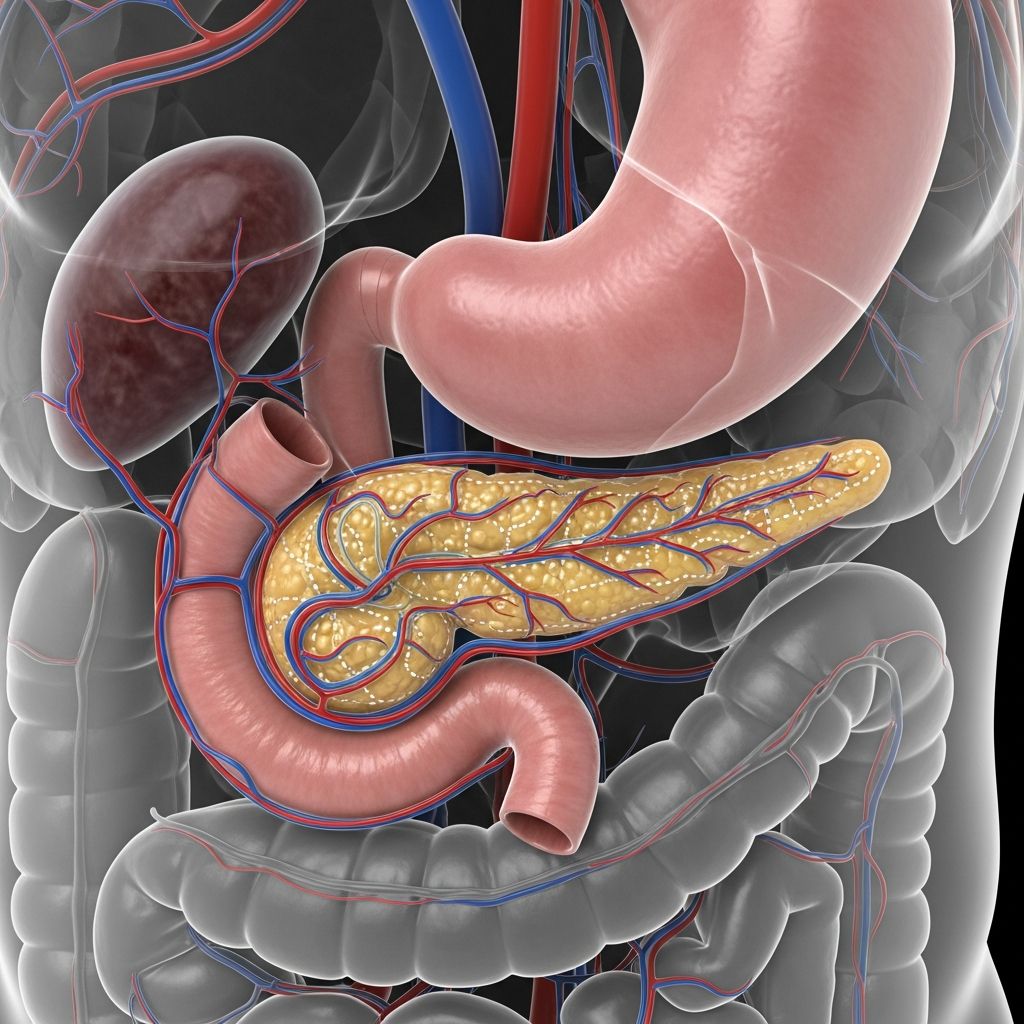
Carbohydrates are a group of nutrients found mostly in plant foods and in dairy foods like milk and yogurt. After kids eat carbohydrate-containing foods, their bodies break the carbs down into a simple sugar called glucose, which travels in the blood to provide energy to organs and muscles.
Carbs come in a few basic forms:
- Sugars – very small, simple carbohydrate molecules that digest quickly and provide fast energy.
- Starches – long chains of sugar units found in foods like bread, rice, pasta, potatoes, and cereals.
- Fiber – a special type of carbohydrate that the body cannot fully break down; it helps digestion and keeps kids feeling full.
All three types can have a place in a balanced diet, but the amount, source, and overall pattern of eating make a big difference.
Why Kids Need Carbs Every Day
Carbohydrates are especially important for children because they are constantly using energy to grow, think, play, and repair tissues. Glucose is the brain’s favorite fuel, and school-aged children and teens depend on steady carbohydrate intake to stay focused through classes and homework.
When kids do not get enough carbohydrates, their bodies may start breaking down protein from muscles or relying heavily on fat for energy. That can interfere with growth and can leave kids feeling drained rather than energetic.
Key Benefits of Carbohydrates in Childhood
- Supports growth and development: Adequate carbs help spare protein so the body can use it to build and repair tissues instead of burning it for energy.
- Maintains energy for activity: Active kids, especially those in sports, use stored carbohydrate (glycogen) in muscles and liver to power practices, games, and free play.
- Feeds the brain: Regular carbohydrate intake helps maintain blood glucose levels, supporting attention, memory, and learning.
- Promotes healthy digestion: Fiber-containing carbohydrate foods support regular bowel movements and help prevent constipation.
Types of Carbs: Simple, Complex, and Fiber
The words “good carbs” and “bad carbs” are common, but they can be confusing. It is more helpful to think in terms of how quickly carbohydrates digest, how much fiber and nutrients they contain, and how close they are to their natural form.
Simple Carbohydrates (Sugars)
Simple carbohydrates are made of one or two sugar units. They are digested quickly, which can cause a fast rise in blood sugar. Simple carbs show up naturally in foods like fruit and milk, but they also appear as added sugars in sweets and many packaged products.
Examples of simple carbohydrate sources include:
- Fruit (natural sugars plus fiber and vitamins)
- Milk and plain yogurt (natural sugar called lactose plus protein and calcium)
- Candy, soft drinks, energy drinks, sweetened teas, and many desserts (mostly added sugar, little nutrition)
Natural simple sugars packaged inside whole foods bring useful nutrients and are typically healthier than refined sweets that provide calories with very little else.
Complex Carbohydrates (Starches)
Complex carbohydrates are longer chains of sugar units. Many starches digest more gradually, offering a slower, steadier release of energy rather than a sharp spike. When they come from whole grains or starchy vegetables, they also provide fiber, vitamins, and minerals.
Common complex carbohydrate foods include:
- Whole-grain breads, cereals, pasta, and brown rice
- Starchy vegetables such as potatoes, corn, green peas, and winter squash
- Legumes like beans, lentils, and chickpeas
Not all complex carbs are equal. Highly refined grains, such as white bread and many pastries, still count as complex carbohydrates, but they have less fiber and fewer nutrients than their whole-grain versions.
Fiber: The Unsung Hero Carb
Fiber is a special type of carbohydrate that human digestive enzymes cannot fully break down. Instead of being absorbed like sugar, it passes through the digestive tract, adding bulk and helping stool move more easily.
Benefits of fiber for kids include:
- Promoting regular bowel movements and reducing constipation.
- Helping kids feel full and satisfied after meals, which supports healthy appetite control.
- Supporting a healthy gut environment by feeding beneficial bacteria in the large intestine.
Great fiber-rich carbohydrate foods include fruits with edible skins, vegetables, whole grains, beans, and lentils.
Best Carbohydrate Foods for Kids
Most health organizations encourage children to get the majority of their carbohydrates from nutrient-dense foods instead of heavily processed sweets. When planning meals and snacks, focus on foods that bring along fiber, vitamins, minerals, and sometimes protein.
| Food Group | Examples | Key Benefits |
|---|---|---|
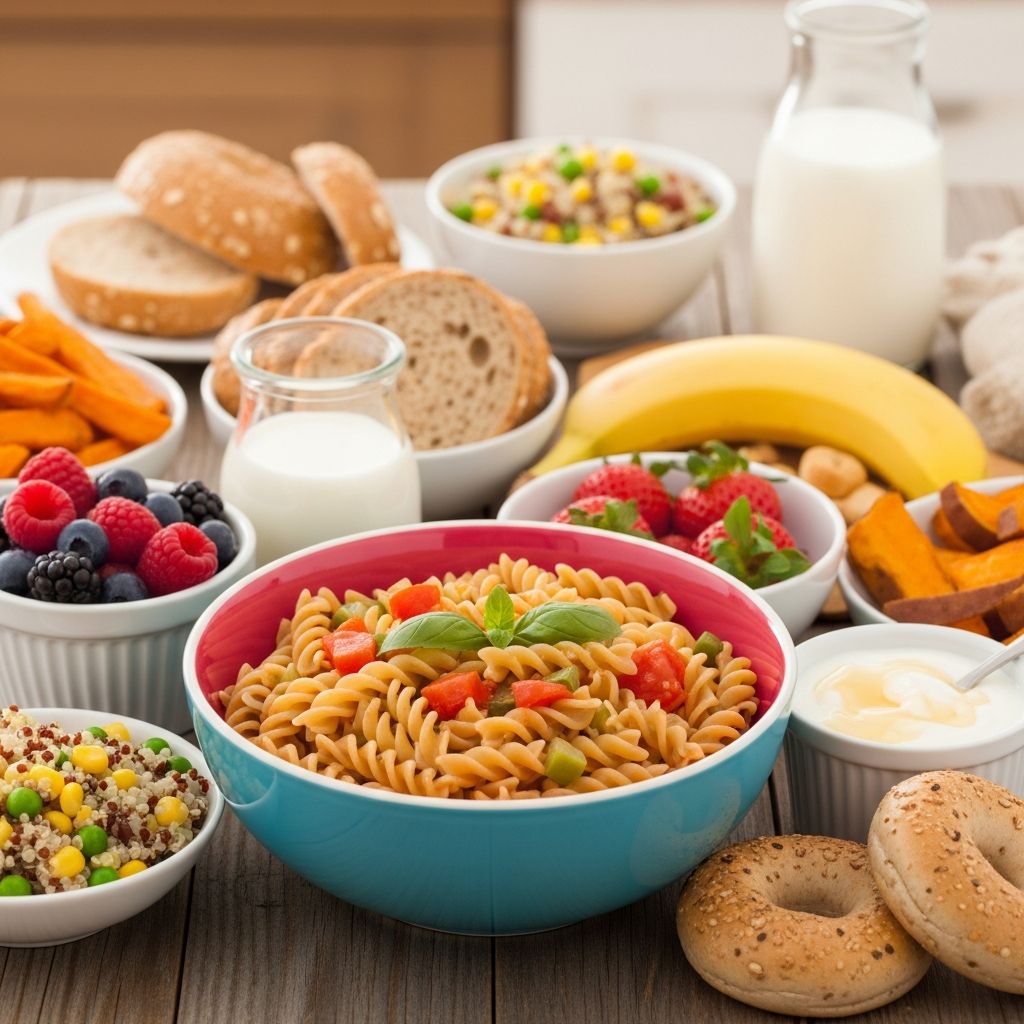
| Fruits | Apples, berries, bananas, oranges, grapes | Natural sweetness, fiber, vitamin C, antioxidants |
| Vegetables | Carrots, sweet potatoes, corn, peas, beets | Fiber, vitamins A and C, potassium |
| Whole Grains | Oatmeal, whole-wheat bread, brown rice, quinoa | Long-lasting energy, B vitamins, fiber |
| Legumes | Black beans, lentils, chickpeas, kidney beans | Fiber, plant protein, iron, slow-digesting carbs |
| Dairy | Milk, plain yogurt, kefir | Natural sugar (lactose), protein, calcium, vitamin D |
Offering a mix from these groups throughout the day helps kids meet their energy needs and gives them a broad range of nutrients for growth and immune function.
Carbs Kids Should Eat Less Often
No single food needs to be “forbidden” for most healthy children, but some carbohydrate-rich choices are best kept as occasional extras rather than everyday staples. These foods usually contain a lot of added sugar, refined flour, and fat, with few vitamins or minerals.
Examples of carb-rich foods to limit include:
- Sodas, sports drinks, and sweetened teas
- Candy, gummies, lollipops, and chocolate bars
- Cookies, pastries, donuts, and many packaged desserts
- Chips and snack crackers made mainly from refined flour
- Sweetened breakfast cereals with very little fiber
These foods can fit into celebrations and special moments, but regularly replacing them with whole fruits, yogurt, nuts, or whole-grain options supports more stable energy levels and long-term health.
How Much Carbohydrate Do Kids Need?
Exact carbohydrate needs vary by age, size, and activity level, but nutrition guidelines often suggest that a significant portion of a child’s daily calories should come from carbohydrates. The goal is not to count grams obsessively, but to build meals around wholesome carb sources.
A balanced plate for most kids often includes:
- About one-quarter of the plate from whole grains or starchy vegetables (such as brown rice, whole-wheat pasta, or potatoes).
- About one-quarter from protein foods (such as eggs, beans, poultry, or fish).
- About half the plate from colorful vegetables and some fruit on the side.
Children who are very active, particularly in sports or dance, may need a bit more carbohydrate before and after intense activities to restore energy and support performance.
Spotlight on Sugar: Finding a Healthy Balance
Sugar often worries parents, and with good reason: many packaged foods aimed at kids contain more added sugar than is healthy. The challenge is distinguishing between natural sugars in wholesome foods and added sugars that mainly bring extra calories.
Natural vs. Added Sugars
Natural sugars are built into foods like fruit and unsweetened dairy. These foods come with fiber or protein, plus vitamins and minerals, which help slow digestion and make the sugars easier for the body to handle.
Added sugars are sweeteners put into foods during processing or preparation, such as table sugar, honey, syrups, and high-fructose corn syrup. Many desserts, sweet drinks, flavored yogurts, and cereals rely heavily on added sugar.
Health experts recommend limiting added sugar in children’s diets. That usually means choosing water or plain milk instead of sugary drinks and checking labels to find products with little or no added sugar.
Reading Labels for Sugar and Fiber
Nutrition labels can help parents compare products quickly. A few simple steps make the process less overwhelming:
- Look at the “Total Sugars” and “Includes Added Sugars” line. Aim for foods and drinks with low added sugars for everyday use.
- Check the fiber content. Higher fiber generally indicates a more wholesome carbohydrate choice, especially for breads and cereals.
- Glance at the ingredients list. Words like sugar, syrup, honey, and fruit juice concentrate near the top suggest a high-sugar product.
Over time, kids’ taste buds can adjust to less sweetness when families regularly choose foods with modest sugar levels.
Fiber Needs for Different Ages
Many children do not get enough fiber, which can lead to constipation and less satisfying meals. A simple rule of thumb for estimating a daily fiber goal is to add 5 to a child’s age. For example, a 7-year-old might aim for roughly 12 grams of fiber per day.
Actual recommended amounts can be a bit higher for older children and teens, so focusing on fiber-rich carbohydrate sources at most meals is a practical strategy:
- Offer whole fruit instead of juice when possible.
- Choose whole-grain breads, tortillas, and cereals most of the time.
- Include beans, lentils, or chickpeas in soups, salads, or tacos several times per week.
Practical Ways to Add Healthy Carbs
Shifting toward healthier carbohydrates does not have to be dramatic or stressful. A few small, consistent changes can gradually reshape a child’s usual eating pattern.
Easy Breakfast Ideas
- Oatmeal cooked with milk, topped with sliced banana and a sprinkle of nuts or seeds.
- Whole-grain toast with peanut butter and sliced strawberries.
- Plain yogurt with mixed berries and a spoonful of low-sugar granola.
Balanced Lunch and Dinner Ideas
- Whole-wheat pasta with tomato sauce, turkey or lentil meatballs, and a side salad.
- Brown rice or quinoa bowl with beans, grilled chicken or tofu, corn, and chopped vegetables.
- Soft tacos using whole-grain tortillas, black beans, cheese, lettuce, and salsa, with fruit on the side.
Snack Ideas Featuring Smart Carbs
- Apple slices with almond or peanut butter.
- Carrot sticks and whole-grain crackers with hummus.
- Homemade trail mix with whole-grain cereal, nuts (if safe), and a few dark chocolate chips or dried fruit.
Carbohydrates and Active Kids
Children and teens who participate in sports or intense physical activities rely heavily on carbohydrate stores for performance. Before long practices or games, a snack with easily digested carbs can help maintain energy, while a carb-containing meal afterward helps refill glycogen stores in muscles.
Good pre-activity snack choices include foods like fruit, yogurt, a small whole-grain sandwich, or a bowl of cereal with milk. After activity, pairing carbohydrates with protein helps support muscle recovery and replenishes energy.
Common Myths About Carbs and Kids
Carbohydrates are sometimes unfairly blamed for weight gain or health problems. In reality, the type, portion size, and overall diet pattern matter much more than the simple presence of carbs.
- Myth: “All carbs are bad.” In truth, many of the healthiest foods for kids are rich in carbohydrates, including fruits, vegetables, and whole grains.
- Myth: “Kids should follow very low-carb diets.” Growing bodies and brains need carbohydrates, and restrictive low-carb diets can deprive kids of important nutrients and energy.
- Myth: “Sugar must never appear in a child’s diet.” Occasional treats can fit into a balanced pattern, especially when everyday choices emphasize wholesome foods.
Frequently Asked Questions About Carbs for Kids
1. Should I completely avoid giving my child sweets?
Most children can enjoy sweets in small amounts without harm, especially when treats are not used as rewards and do not replace nutritious meals and snacks. Avoiding all sweets can sometimes make them more tempting, so many families find it helpful to allow dessert occasionally while keeping it in reasonable portions.
2. Is fruit sugar unhealthy for kids?
Whole fruit contains natural sugars, but it also offers fiber, vitamins, and antioxidants that support overall health. When compared with sugary drinks or candy, fruit is almost always a better choice because it is more filling and more nutrient-dense.
3. How can I tell if a cereal is a good carb choice?
A useful guideline is to pick cereals with more fiber and less added sugar. Checking that whole grains appear near the beginning of the ingredient list and that the sugar content is modest can help parents quickly identify better options.
4. My child gets constipated. Can carbs help?
Yes, focusing on fiber-rich carbohydrates such as fruits with skins, vegetables, whole grains, beans, and lentils can support more regular bowel movements. It is also important to ensure that your child drinks enough fluids and stays physically active.
5. Do kids need sports drinks for energy?
Most children who play recreational sports or exercise for less than an hour at a time do fine with water and balanced meals. Sports drinks are typically only useful for prolonged, intense activities and can otherwise add unnecessary sugar and calories.
Helping Kids Build a Positive Relationship with Carbs
Instead of labeling foods as strictly “good” or “bad,” it is often more effective to talk about “everyday” foods and “sometimes” foods. Carbohydrate-rich foods like fruits, vegetables, whole grains, and beans fit squarely into the everyday category, while sugary drinks and candy belong in the sometimes group.
Inviting kids into the kitchen, letting them help choose fruits or grains at the store, and modeling balanced eating can all encourage them to see carbohydrates as helpful fuel rather than something to fear. Over time, these habits form the foundation for a healthy relationship with food that can last well into adulthood.