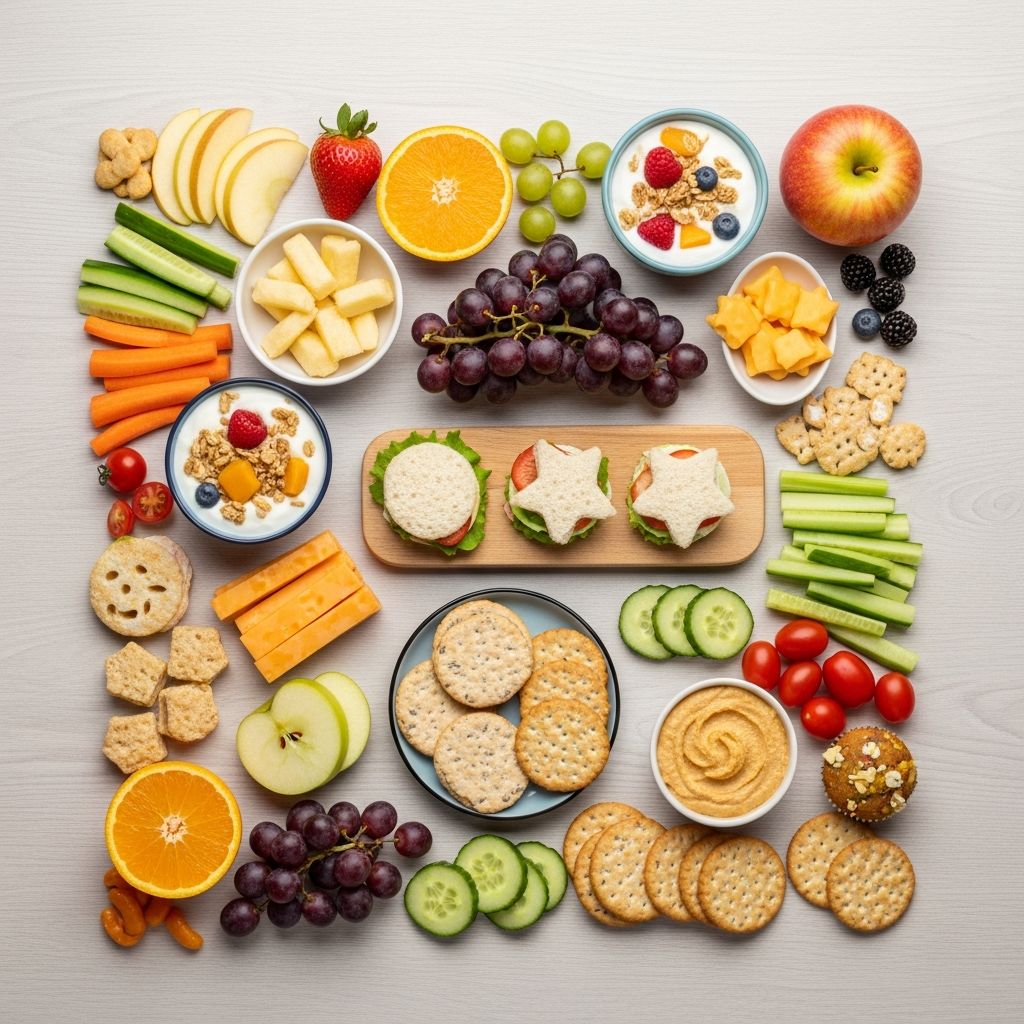
After a long day of classes, play, and activities, children arrive home ravenous, needing fuel to recharge. The right after-school snack bridges the gap to dinner, stabilizing blood sugar, enhancing focus for homework, and curbing overeating later. Ideal options combine protein for satiety, complex carbs for steady energy, healthy fats for brain health, and fiber for digestion, all while being simple to prepare and appealing to young tastes.
Why Balanced Nutrition Matters Post-School
School days demand a lot from growing bodies: mental exertion, physical activity, and social engagement deplete energy stores. A snack providing 150-250 calories with a mix of macronutrients prevents energy crashes and supports cognitive function. Research from health authorities emphasizes snacks with at least 5-10 grams of protein paired with fiber-rich foods to maintain fullness and avoid sugar spikes. For instance, pairing fruits with nut butters delivers natural sweetness alongside sustaining power, promoting better mood and productivity.
Parents play a key role in modeling habits. Offering nutrient-dense choices introduces variety, reduces reliance on processed foods, and builds preferences for whole ingredients. This approach aligns with guidelines from organizations like the Heart and Stroke Foundation, which advocate for fridge-friendly, no-added-sugar options to combat childhood obesity.
Core Components of Top-Tier Snacks
Great after-school bites revolve around four pillars:
- Protein: Builds muscle and sustains energy. Sources include yogurt, cheese, nuts, eggs, and beans.
- Fiber-rich carbs: Whole grains, fruits, and veggies provide lasting fuel without crashes.
- Healthy fats: Avocados, seeds, and nut butters support brain development and satiety.
- Hydration boost: Pair with water or milk to rehydrate after school.
Avoiding empty calories from sugary cereals or chips ensures kids thrive. Instead, aim for colorful plates that make healthy eating exciting.
Quick No-Prep Snack Ideas
For busy afternoons, grab-and-go options shine. These require minimal effort yet pack nutrition.
| Snack | Key Nutrients | Prep Time |
|---|---|---|
| Apple slices with almond butter | Protein, fiber, healthy fats | 2 minutes |
| String cheese and grapes | Calcium, protein, antioxidants | 1 minute |
| Carrot sticks with hummus | Fiber, protein, vitamins | 3 minutes |
| Air-popped popcorn with nutritional yeast | Whole grains, low-calorie crunch | 5 minutes |
| Hard-boiled eggs with cherry tomatoes | Complete protein, lycopene | Prep ahead |
These combos, inspired by nutritionist recommendations, offer versatility. Nut butters should list only nuts and salt for purity, while hummus provides plant-based protein.
Creative Fruit and Veggie Combos
Fruits and vegetables form the snack foundation, offering vitamins and natural hydration. Elevate them with dips or pairings for appeal.
- Frozen grapes or banana slices dipped in Greek yogurt: A frosty treat rich in probiotics and potassium.
- Fruit skewers with melon, strawberries, and kiwi: Fun to assemble, boosting vitamin C intake.
- Cucumber boats filled with tuna or cottage cheese: Hydrating and protein-packed.
- Bell pepper strips with guacamole: Healthy fats from avocado aid absorption of veggie nutrients.
These ideas encourage kids to experiment, turning produce into adventures. BBC Good Food highlights how simple presentations like skewers make veggies irresistible.
Protein Powerhouses for Lasting Energy
Protein is the hero for post-school refueling, combating the mid-afternoon slump. Opt for portable, kid-approved sources.
- Greek yogurt parfaits layered with berries and seeds: 15g protein per serving, plus omega-3s.
- Turkey roll-ups with avocado: Nitrate-free slices wrapped around creamy fat for satisfaction.
- Edamame pods: Steamed soybeans deliver fiber and plant protein in a playful pod-popping format.
- Cottage cheese with pineapple chunks: Sweet-savory mix high in casein for slow-release energy.
- Roasted chickpeas: Crunchy, seasoned bites with 7g protein per half-cup.
Such snacks, per dietitian insights, blunt blood sugar spikes when paired with fiber.
Whole Grain and Dairy Delights
Whole grains provide sustained carbs, while dairy adds calcium for bone health. Blend them for balanced bites.
- Mini whole-grain pitas with cheese and beans: Fiber and protein in a quesadilla-style wrap.
- Oat-based energy balls with nut butter and raisins: No-bake, customizable, and portable.
- Yogurt-dipped pretzels or rice cakes: Low-fat crunch with probiotic punch.
- Trail mix with oats, seeds, and dried apricots: Brain-boosting monounsaturated fats.
Homemade versions control sugar, using oats for beta-glucan fiber that supports heart health.
Fun, Make-Ahead Recipes
Involve kids in prep for ownership and skill-building. These take under 20 minutes.
- Peanut Butter Oat Balls: Mix oats, peanut butter, honey, and chocolate chips; roll into balls. Refrigerate for grab-and-go protein.
- Berry Frozen Yogurt: Blend frozen berries, yogurt, and a touch of honey; freeze briefly for instant treats.
- Veggie Snack Packs: Portion carrots, celery, and hummus in muffin tins for playful portions.
- Chocolate Chia Pudding: Stir chia seeds into cocoa-milk mix; set for omega-3 rich pudding.
These foster creativity, with recipes from trusted sources ensuring safety and nutrition.
Snack Plates: The Ultimate Customizable Option
Build-your-own plates in divided containers or muffin tins promote variety. Include one from each category: protein, fruit/veggie, grain, and dip. Examples:
- Mediterranean: Olives, goat cheese, nuts, cucumber.
- Parfait-style: Yogurt, berries, granola.
- Tropical: Pineapple, cottage cheese, coconut flakes.
This method satisfies preferences while hitting nutritional goals.
Navigating Allergies and Preferences
Adapt for nut-free zones with seeds or soy butter. Vegan swaps like coconut yogurt work seamlessly. Always check labels for minimal ingredients, avoiding added sugars and oils. Portion control prevents spoiling dinner—aim for handful sizes.
Frequently Asked Questions
What makes a snack ‘healthy’ for after school?
A healthy snack balances protein, fiber, and healthy fats to provide steady energy without sugar crashes, typically 150-250 calories.
How often should kids snack after school?
Once, 30-60 minutes post-arrival, to recharge without interfering with dinner appetite.
Can snacks be prepped in advance?
Yes, energy balls, snack packs, and cut produce last 3-5 days in the fridge.
What if my child rejects veggies?
Hide in dips like hummus or pair with favorites like cheese; gradual exposure builds acceptance.
Are store-bought snacks okay?
Choose those with whole ingredients, like yogurt cups or popcorn packs without seed oils.
References
- Healthy After-School Snacks for Kids — Clemson HGIC. 2023-05-15. https://hgic.clemson.edu/healthy-after-school-snacks-for-kids/
- 18 Healthy After School Snack Ideas From A Nutritionist — Be Well by Kelly. 2024-08-20. https://bewellbykelly.com/blogs/blog/18-healthy-after-school-snack-ideas
- Top 20 After-School Snacks For Kids — BBC Good Food. 2025-01-10. https://www.bbcgoodfood.com/howto/guide/after-school-snacks-kids
- 25 Easy Snacks for After School to Refuel Hungry Kids — Bucket List Tummy. 2024-09-05. https://www.bucketlisttummy.com/25-easy-snacks-for-after-school/
- 30 Healthy Snacks for Kids (Back-to-School Friendly) — The Real Food Dietitians. 2024-07-22. https://therealfooddietitians.com/healthy-snacks-for-kids-back-to-school-snacks/
- 22 quick and healthy snacks — Heart and Stroke Foundation of Canada. 2023-11-12. https://www.heartandstroke.ca/articles/22-quick-and-healthy-snacks