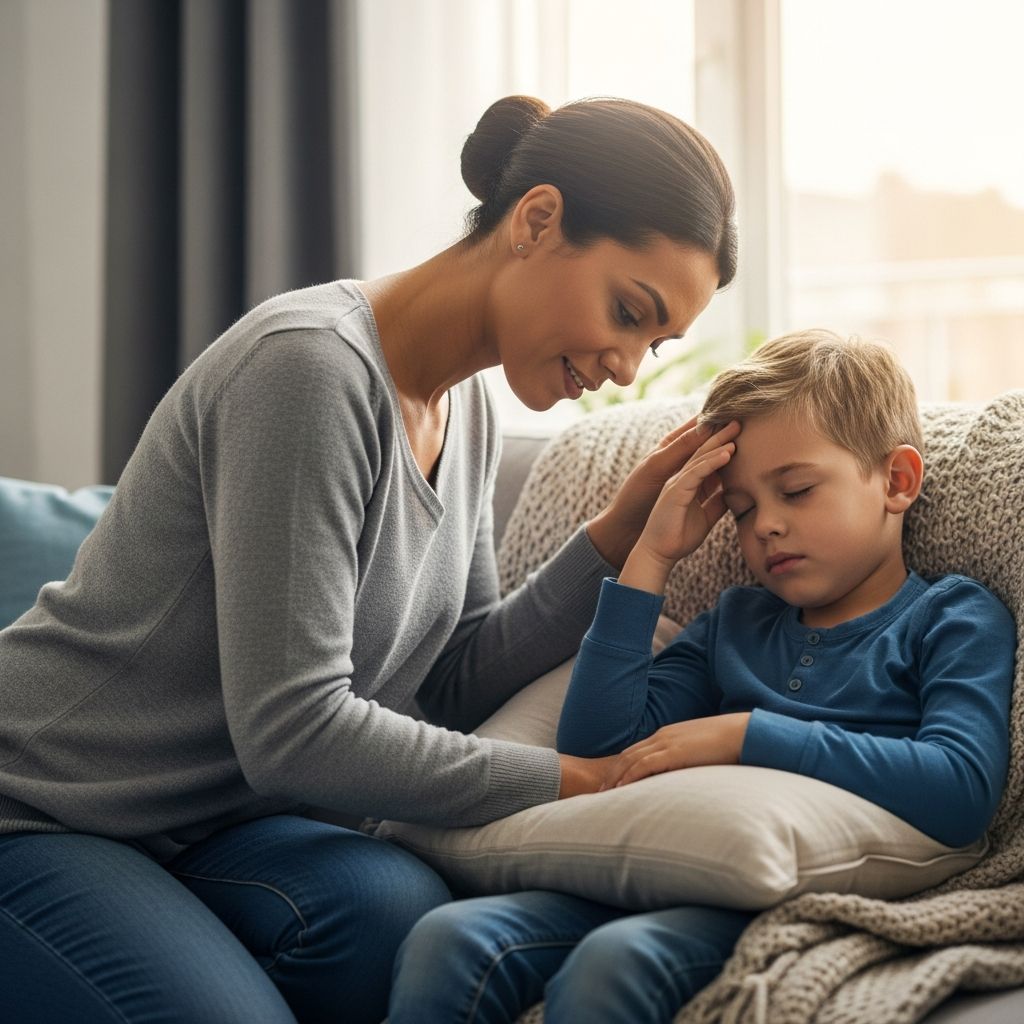
Headaches affect up to 20% of children aged 5 to 17, with tension headaches being the most prevalent at 15% and migraines at 5%.Tension headaches often stem from stress or fatigue, while migraines can involve nausea and sensitivity to light.
Most pediatric headaches are benign and linked to lifestyle factors rather than serious conditions, which account for less than 3% of cases. This guide equips parents with knowledge on recognition, management, and prevention strategies.
Understanding Common Types of Headaches in Children
Children’s headaches fall into primary categories, which occur independently, and secondary types triggered by other issues. Recognizing the type helps in effective management.
- Tension-type headaches: Dull, band-like pressure around the head, often from stress, poor sleep, or eye strain. They lack the throbbing intensity of migraines.
- Migraines: Intense, throbbing pain usually on one side, lasting hours. Kids may experience abdominal pain, vomiting, dizziness, or sensitivity to light and sound. Family history increases risk.
- Sinus headaches: Pressure around eyes, cheeks, or forehead due to congestion from colds or allergies. Pain worsens with bending or nose-blowing.
- Medication overuse headaches: Paradoxical rebound pain from frequent use of pain relievers.
- Cluster headaches: Rare in children; severe pain around one eye with tearing or nasal congestion.
Primary headaches like tension and migraines dominate, while secondary ones link to infections or injuries.
Key Causes and Triggers Behind Pediatric Headaches
Many headaches arise from everyday factors. Identifying triggers allows proactive avoidance.
| Category | Common Triggers | Examples |
|---|---|---|
| Lifestyle | Poor sleep, dehydration, hunger | Less than 8 hours sleep nightly; skipping meals |
| Stress | Emotional pressure, school demands | Exams, extracurricular overload, family changes |
| Environmental | Eye strain, infections | Screen time, colds, sinus issues |
| Dietary | Certain foods, caffeine | Chocolate, cheese, irregular eating |
| Physical | Head injury, illness | Minor trauma, fever |
Stress from academic pressure or loss can provoke tension headaches, while migraines often have genetic roots with environmental sparks. Chronic sinusitis rarely causes recurrent pain without active infection.
Recognizing Symptoms: When It’s More Than a Simple Ache
Typical symptoms vary by type but share patterns. Track duration, location, and accompaniments in a journal for better diagnosis.
- Tension: Mild to moderate bilateral pain, tightness.
- Migraine: Pulsating unilateral pain, nausea, photophobia, phonophobia.
- Sinus: Facial tenderness, worsens with movement.
Symptoms like blurred vision or fatigue may precede migraines (aura). Frequent episodes over weekly warrant attention.
Home Management Strategies for Quick Relief
Start with non-drug approaches, escalating to medications as needed. Always consult a pediatrician first.
- Hydrate and nourish: Offer water or juice; provide a balanced snack if hunger-related.
- Rest in quiet space: Dim lights, cool compress on forehead.
- Over-the-counter relief: Ibuprofen or acetaminophen per age/weight dosing. Avoid aspirin in under-18s due to Reye’s risk.
- Relaxation techniques: Deep breathing, progressive muscle relaxation, or soothing music.
For migraines from colds, treat the underlying infection. Limit pain meds to prevent overuse headaches.
Prevention: Building Habits to Minimize Headaches
Consistent routines reduce frequency. Aim for fewer than weekly occurrences through daily practices.
- Sleep hygiene: 8-10 hours nightly; fixed bedtime.
- Diet and hydration: Regular meals, ample fluids; avoid known triggers.
- Stress reduction: Limit activities, teach coping skills like mindfulness.
- Screen and eye care: 20-20-20 rule (every 20 min, view 20 ft for 20 sec); annual eye exams.
- Exercise: Daily moderate activity to boost mood and circulation.
Keep a headache diary noting diet, sleep, stress for pattern identification.
Medical Interventions for Persistent or Severe Cases
If home strategies fail, seek professional care. Treatments tailor to frequency and severity.
- Acute meds: Triptans for migraines in older kids; anti-nausea drugs.
- Preventives: For chronic cases, amitriptyline or similar; nerve blocks/Botox rarely.
- Therapies: Cognitive behavioral therapy (CBT) improves mood and reduces attacks, especially with meds.
Pediatric headache clinics offer specialized plans. Schools can implement 504 plans for accommodations.
Red Flags: Warning Signs Requiring Urgent Care
Rarely serious (less than 5%), but prompt evaluation prevents complications.
- Sudden ‘worst ever’ pain.
- With fever, stiff neck, rash (meningitis risk).
- Post-head injury, vomiting, neurological changes (weakness, vision loss, balance issues).
- Worsening despite treatment; early morning occurrence.
- Personality changes, seizures.
Diagnostic tools may include MRI/CT for tumors/hydrocephalus or lumbar puncture for infection.
Frequently Asked Questions (FAQs)
Are headaches common in school-aged children?
Yes, about 20% of kids 5-17 experience them monthly, mostly tension-type from stress or fatigue.
Can screen time cause headaches in kids?
Yes, eye strain from prolonged use is a frequent trigger; enforce breaks and lighting adjustments.
When should I take my child to the doctor for headaches?
If frequent (>1/week), severe, or with red flags like fever, vision changes, or post-injury.
Is it safe to give pain relievers to young children?
Age-appropriate ibuprofen/acetaminophen yes; follow dosing, avoid overuse or aspirin under 18.
Do migraines run in families?
Often yes, with genetic predisposition plus triggers like diet or stress.
Supporting Your Child Through Headaches
Empathy matters: Reassure it’s common and manageable. Involve them in tracking and coping. Recurrent issues impact school/family; multidisciplinary care (pediatrician, neurologist, therapist) optimizes outcomes. With vigilance and tools, most kids thrive headache-free.
References
- Headaches in children – Children’s Health Pain Management — Children’s Health. 2023. https://www.childrens.com/specialties-services/conditions/headache
- Headaches in Children: Causes, Types & Pain Relief — Cleveland Clinic. 2023-10-26. https://my.clevelandclinic.org/health/diseases/4225-headaches-in-children
- Children’s Headache Disorders — National Headache Foundation. 2023. https://headaches.org/resources/childrens-headache-disorders/
- Children, Headaches, and When to Worry — Brown University Health. 2023. https://www.brownhealth.org/be-well/children-headaches-and-when-worry
- Headache — Child Neurology Foundation. 2023. https://www.childneurologyfoundation.org/disorder/headache/
- Headaches in Children — Children’s Hospital of Philadelphia (CHOP). 2023. https://www.chop.edu/conditions-diseases/headaches-children