Head lice can show up in any teenager’s life, no matter how clean their hair is or how careful they try to be. Instead of panicking or feeling embarrassed, it helps to know exactly what lice are, how they spread, and what really works to get rid of them.
What Exactly Are Head Lice?
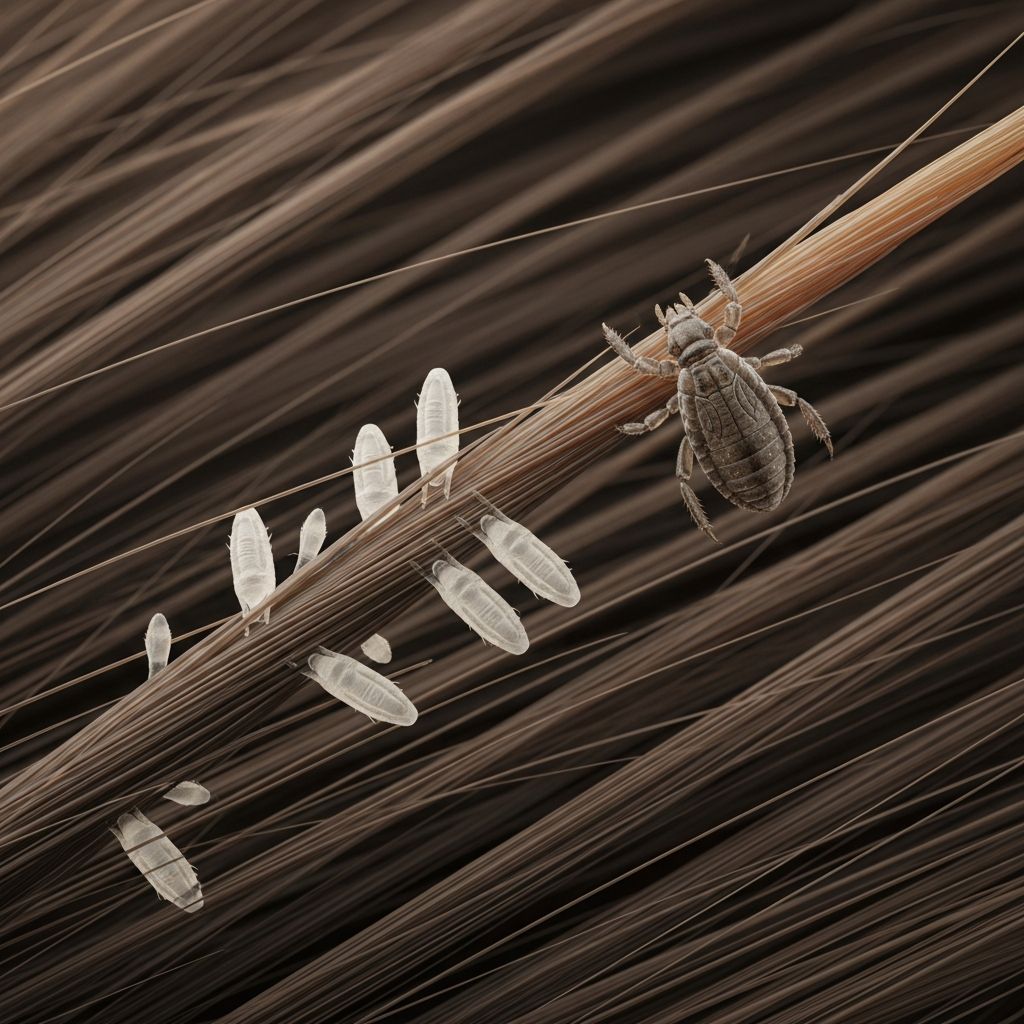
Head lice are tiny insects that live on the scalp and feed on small amounts of blood from the skin. They are parasites, which means they need a human host to survive and cannot live for long away from the head.
These insects do not fly or jump; they crawl. Their eggs, called nits, are attached firmly to hair shafts close to the scalp and can be harder to see than the lice themselves. Nits may look like small white, tan, or yellowish dots that do not easily slide off the hair.
- Adult lice are about the size of a sesame seed.
- Nits are smaller than a grain of sand and firmly stuck to hair.
- Lice survive by feeding on blood from the scalp several times a day.
How Teens Usually Catch Head Lice
Lice most often spread through direct head-to-head contact. This is common in places where teens spend time close together, such as during sports, at sleepovers, or while taking selfies with friends.
Although lice can sometimes spread through shared personal items, this is less common than direct contact. Still, avoiding shared items that touch the head can lower the chance of getting lice.
Common Situations Where Lice Spread
- Sports that involve close contact, like wrestling or cheerleading.
- Sharing pillows, blankets, or sleeping bags at sleepovers or camps.
- Huddling closely to watch videos, play games, or take group photos.
- Using someone else’s brushes, combs, hats, or hair accessories.
Head lice are not a sign of poor hygiene or “dirty” hair. They can live on clean hair just as easily as on hair that hasn’t been washed recently.
Recognizing the Signs and Symptoms
Some people with lice notice intense itching, while others have almost no symptoms at first. Symptoms can develop slowly as the number of lice increases.
Typical Symptoms of Head Lice
- Itchy scalp, especially behind the ears and at the back of the neck.
- A tickling or crawling feeling on the scalp or in the hair.
- Red bumps or scratch marks on the scalp, neck, or shoulders.
- Trouble sleeping due to nighttime itching, since lice are more active in the dark.
Because many things can cause an itchy scalp, the only reliable way to confirm head lice is to actually see live lice or nits attached to hair close to the scalp.
How to Check for Lice Step by Step
A careful scalp check is the best way to know whether lice are present. This can be done by a parent, trusted adult, school nurse, or health professional, but teens can also help by reporting symptoms honestly.
Step-by-Step Scalp Check
- Work in a well-lit area. Natural sunlight or a bright lamp makes lice and nits easier to see.
- Start with slightly damp or conditioned hair to make combing easier.
- Use a fine-tooth lice comb or a regular fine-tooth comb if a special one is not available.
- Divide the hair into small sections, beginning at the nape of the neck and behind the ears, where lice often gather.
- Comb slowly from the scalp outward, wiping the comb on a white tissue or paper towel after each pass to check for live lice or nits.
- Move through the entire scalp, parting the hair in narrow sections until all areas have been inspected.
If you are not sure whether what you are seeing is a nit, try sliding it along the hair shaft. Dandruff, lint, or hair product residue usually moves or falls off. Nits tend to stay firmly attached to the hair, even when pulled between the fingers.
Treatment Options: What Really Works
There are two main parts to treating head lice: using a lice-killing product when recommended and removing lice and nits from the hair. It is important to follow instructions carefully and repeat treatment if directed to make sure newly hatched lice are also eliminated.
Common Types of Lice Treatments
| Treatment Type | How It Works | Pros | Considerations |
|---|---|---|---|
| Over-the-counter shampoos or lotions | Use active ingredients that kill live lice and sometimes nits. | Easy to find in pharmacies; often first-line option. | Must follow directions exactly; some lice may be resistant. |
| Prescription medications | Stronger formulas that target lice that do not respond to standard products. | Useful when previous treatments fail or infestation is heavy. | Require evaluation and prescription from a healthcare provider. |
| Manual removal (wet combing) | Physically removes lice and nits with a fine-tooth comb. | Non-chemical, can be used alongside other treatments. | Time-consuming and must be done regularly over several weeks. |
Always talk with a healthcare professional or pharmacist before using a treatment, especially on young children, people with allergies, or anyone with sensitive skin or medical conditions. Never mix different lice products at the same time, and do not use more than recommended amounts.
Safe Home Care During Treatment
Treating head lice also means taking some simple steps at home to reduce the chance of lice returning. This does not require extreme deep cleaning or harsh chemicals around the house.
Recommended Home Steps
- Wash pillowcases, sheets, hats, and recently used towels in hot water and dry them on high heat.
- Place non-washable items, like certain stuffed animals or helmets, in a sealed plastic bag for several days.
- Soak brushes, combs, and hair accessories in hot water for at least several minutes.
- Vacuum carpets, car seats, and upholstered furniture where the head may have rested.
Sprays and fumigants marketed for furniture or the home are generally not necessary and may expose people and pets to potentially irritating chemicals without adding much benefit.