Head lice represent a frequent yet manageable concern for teenagers, thriving in environments like schools, sports events, and social gatherings where close contact occurs. These tiny parasites feed on the scalp, causing discomfort but posing no serious health risks. Understanding their lifecycle, symptoms, and management is crucial for quick resolution and prevention of spread.
Understanding the Nature of Head Lice
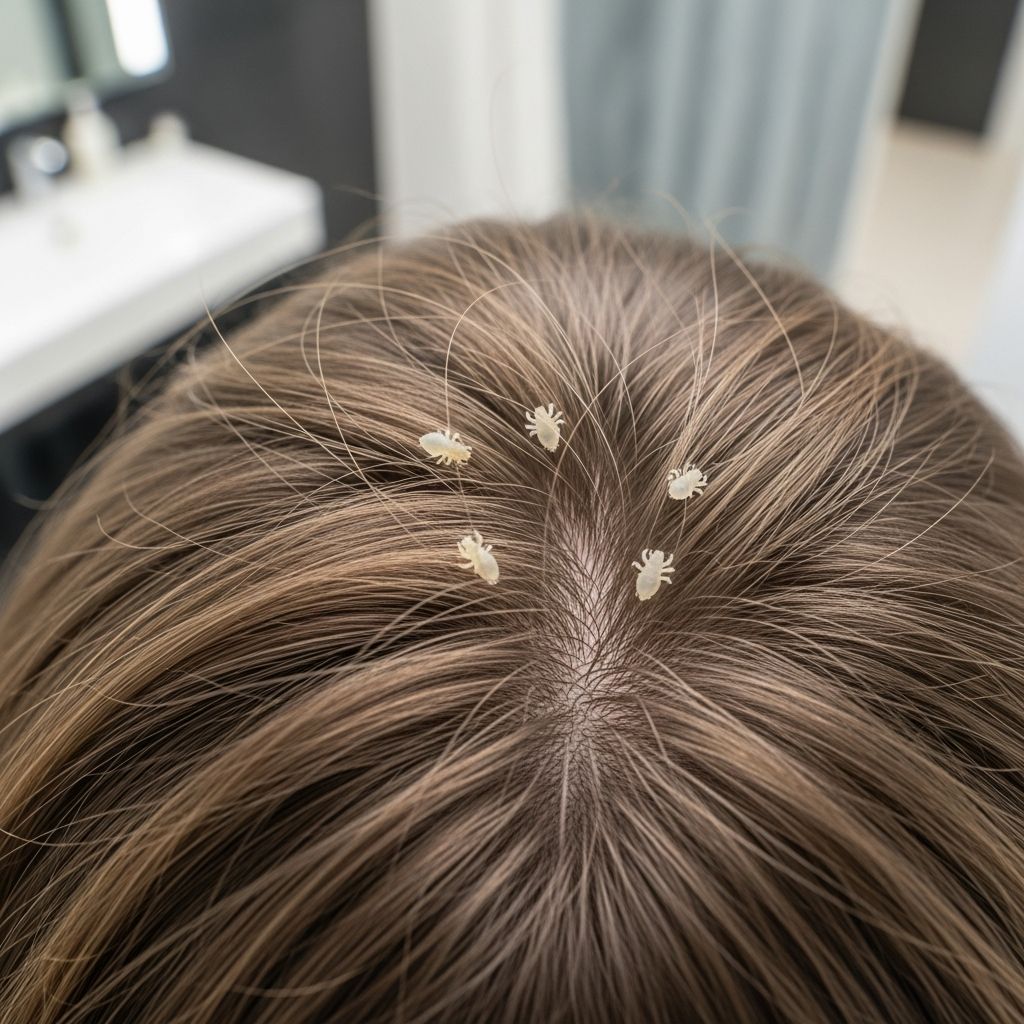
Head lice are small, wingless insects about the size of a sesame seed that live exclusively on human scalps. They cannot jump or fly but crawl rapidly from one host to another during direct head-to-head contact. Teens are particularly susceptible due to activities involving proximity, such as team sports, selfies, or group photos.
The lifecycle includes eggs (nits), nymphs, and adults. Nits are cemented to hair shafts near the scalp and hatch into nymphs within 7-10 days. Adults live about 30 days, laying up to 10 eggs daily. Without a human host, lice survive only 1-2 days off the head.
- Nits: Oval, 0.8mm, yellowish-white, firmly attached 1/4 inch from scalp.
- Nymphs: Baby lice maturing in 9-12 days.
- Adults: Grayish-white, 2-3mm, females larger than males.
Lice prefer warm areas behind ears and at the neckline, where blood supply is abundant.
Recognizing Signs of Infestation
Early detection prevents widespread issues. Common symptoms include intense scalp itching from lice saliva, visible nits or lice, and secondary signs like red bumps or sores from scratching. Some teens experience irritability or difficulty sleeping due to crawling sensations.
To check effectively:
- Part hair into sections under bright light.
- Examine scalp and hair shafts with a magnifying glass.
- Use a fine-tooth comb for live lice detection—wet combing enhances visibility.
| Sign | Description | Location |
|---|---|---|
| Itching | Severe, persistent scalp itch | Entire scalp, focused at nape and ears |
| Nits | Tiny eggs glued to hair | 1/4 inch from scalp |
| Live Lice | Moving insects, fast crawlers | Scalp base |
| Sores | Red, irritated bumps | From scratching |
Differentiate nits from dandruff: nits don’t flake off and are harder to remove. Regular checks, especially after school alerts, are vital.
Effective Treatment Approaches
Treatment combines medication and manual removal. FDA-approved over-the-counter options like permethrin (Nix) and pyrethrins (Rid) kill live lice; repeat in 7-10 days targets hatching nits.
Step-by-Step Treatment:
- Apply shampoo to dry hair, wait 10 minutes, rinse thoroughly.
- Comb wet hair with lice comb during treatment.
- Repeat full process after 7 days.
- Avoid shampooing 48 hours post-treatment to maintain efficacy.
Prescription options include ivermectin, spinosad, or malathion for resistant cases. Consult providers for children under 2 or pregnant individuals.
Mechanical removal: Apply conditioner, comb sections daily for 2-3 weeks. Effective adjunct but less so alone.
Cleaning Your Environment
Lice off-host die quickly, minimizing deep cleaning. Focus on recent contacts:
- Wash bedding, clothes, towels in hot water (>130°F), dry on high heat.
- Vacuum furniture, carpets; no sprays needed.
- Seal non-washables in bags 2 weeks.
- Soak combs/brushes in 130°F water 10 minutes.
Avoid over-cleaning to prevent chemical exposure.
Prevention Tactics for Active Teens
Prevention hinges on habits:
- No sharing combs, hats, helmets, towels, headphones.
- Avoid head contact during sports, play, selfies.
- Tie back long hair; use repellent sprays.
- Weekly checks in high-risk periods.
Store belongings separately at school. Helmets must be worn safely—sharing beats none.
Handling Resistance and Recurrence
Resistance to pyrethrins/permethrins occurs; switch if lice persist 8-12 hours post-treatment. See dermatologist for alternatives. Recheck family daily 10-15 days; treat only confirmed cases.
Schools’ no-nit policies encourage thorough removal.
Debunking Persistent Myths
| Myth | Fact |
|---|---|
| Lice from pets | Lice species-specific to humans |
| Poor hygiene causes lice | Any hair type, clean scalps affected |
| Oils alone cure | Slow lice but don’t kill; use with meds |
| Shaving head necessary | Unneeded; treatments suffice |
Essential oils lack robust evidence.
Frequently Asked Questions (FAQs)
Can head lice spread through hats or combs?
Possible but unlikely; direct contact primary. Still, avoid sharing.
How soon after treatment can I shampoo?
Wait 48 hours for residue efficacy.
Should I treat whole family?
Check all; treat only infested.
Do lice carry diseases?
No, just itchiness.
What’s best for resistant lice?
Prescriptions like spinosad; consult doctor.
Maintaining a Lice-Free Lifestyle
Empower teens: educate on risks, encourage reporting. Proper treatment ends outbreaks swiftly. Schools, parents collaborate for control.
Expand: Lice impact social life, but stigma unnecessary—common, treatable. Teens cooperate well, motivated by peer concerns.
Advanced tips: Track outbreaks seasonally; back-to-school peaks. Use apps for reminders. Professional services for stubborn cases.
For curly/thick teen hair: Section meticulously, use leave-in conditioners for combing. Patience key; full clearance 2-3 weeks.
Psychological aspect: Reassure no fault; focus action. Builds resilience.
References
- Back to School: Head Lice – Prevention and Treatment — Premier Medical HV. 2023. https://www.premiermedicalhv.com/news/back-to-school-head-lice-prevention-and-treatment/
- Head Lice: Common Childhood Condition — Seattle Children’s Hospital. 2024-01-15. https://www.seattlechildrens.org/conditions/head-lice/
- Head Lice in Teenagers: Why It Happens and How to Get Rid of — LiceDoctors. 2023. https://www.licedoctors.com/blog/teens-and-head-lice-ten-common-ways-teens-get-lice
- Lice Removal Tips in Time for Back to School Season — CHOC Health. 2023-08-10. https://health.choc.org/lice-removal-tips-parents/
- Head Lice: Treatment and Prevention — Rochester Regional Health. 2024. https://www.rochesterregional.org/hub/how-to-get-rid-of-lice
- How to manage head lice — PMC – PubMed Central – NIH. 2003-12-01. https://pmc.ncbi.nlm.nih.gov/articles/PMC1070891/
- Treatment of Head Lice — Centers for Disease Control and Prevention (CDC). 2024-09-25. https://www.cdc.gov/lice/treatment/index.html