Recognizing Head Injuries in Young Athletes
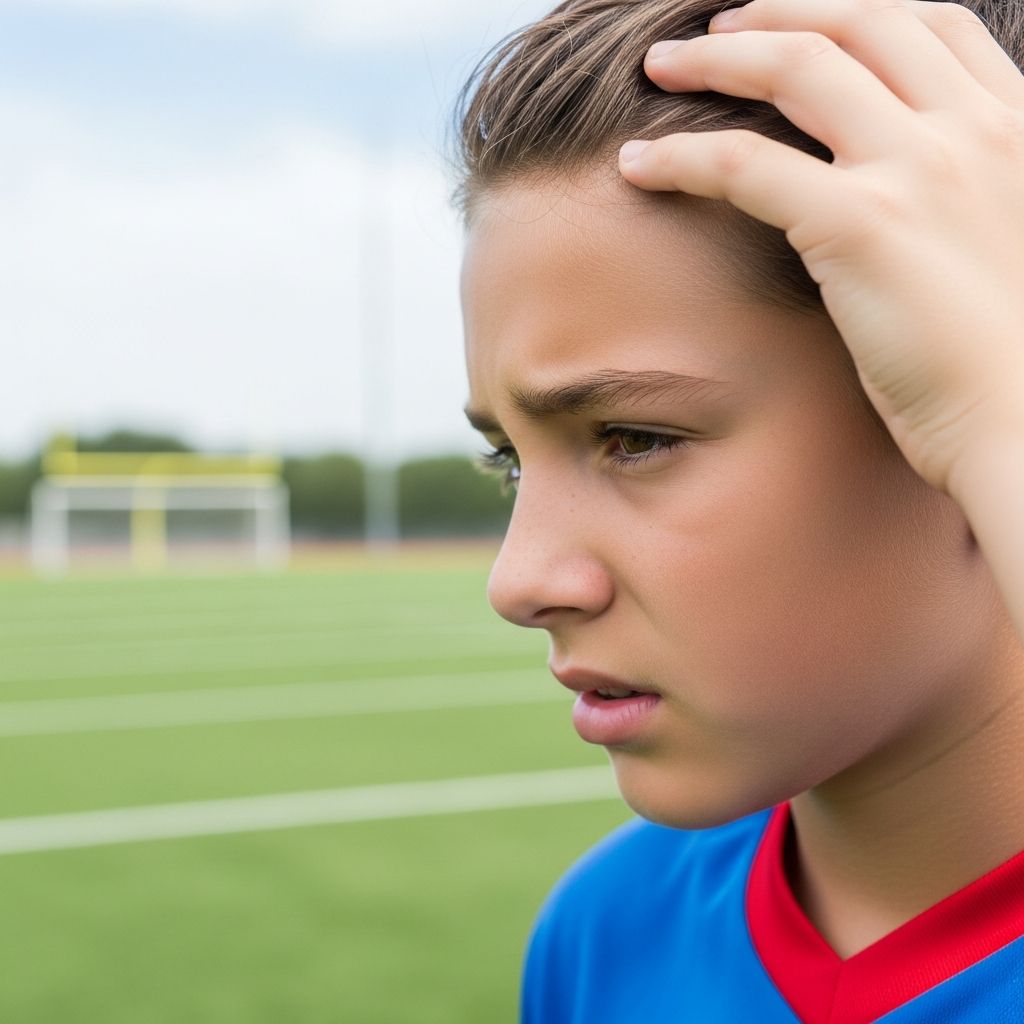
Head injuries, commonly referred to as traumatic brain injuries when significant, occur when a child experiences a blow or jolt to the head during sports activities. These injuries are particularly common in young athletes participating in high-impact sports such as football, ice hockey, soccer, and lacrosse. What makes head injuries particularly concerning is that they are not always immediately obvious. Many parents and coaches miss subtle injuries that may not result in visible symptoms at the moment of impact.
The severity of a head injury can range from mild to severe, and the consequences extend beyond the immediate physical impact. Research indicates that proper recognition and management of these injuries significantly reduces the risk of long-term complications. Understanding what constitutes a head injury and learning to identify its signs are the first steps in protecting your child’s health.
Understanding the Symptoms of Head Trauma
Head injuries present with a wide range of symptoms that may appear immediately or develop over hours following the incident. Parents should be vigilant for both physical and cognitive signs that may indicate their child has suffered a head injury.
Physical symptoms include headaches, dizziness, loss of balance, neck pain, and nausea. Some children may experience sensitivity to light or noise, fatigue, or difficulty sleeping. In more severe cases, a child might lose consciousness, though this is not always necessary for a significant injury to have occurred.
Cognitive and behavioral symptoms are equally important to recognize. These may include confusion, difficulty concentrating, memory problems, irritability, sadness, or nervousness. A child who has sustained a head injury might struggle to answer questions directly, seem disoriented about time or place, or exhibit personality changes. These subtle signs are often overlooked but can be critical indicators of injury.
The Role of Protective Equipment in Injury Prevention
Protective equipment serves as a critical first line of defense in reducing the severity of head injuries. While no equipment can completely prevent head injuries from occurring, the right gear worn properly can significantly minimize the force of impact and prevent more serious complications.
Helmets are the most important piece of protective equipment for any activity involving fall risk or collision potential. Properly fitted helmets reduce impact forces and can prevent skull fractures and more severe brain injuries. However, parents must understand that helmets are designed to prevent certain types of injuries rather than eliminate all head injury risk.
Effective helmet use requires more than simply placing a helmet on a child’s head. The helmet must fit snugly without moving when the child moves their head, sit level on the head, and not obstruct vision or hearing. Helmets should be checked regularly for damage and replaced if they show signs of wear or have been involved in a significant impact.
Additional protective equipment varies by sport but may include mouth guards, which protect teeth and can reduce jaw injuries, face masks, and padded headgear. Mouth guards are particularly valuable in contact sports like football, ice hockey, and lacrosse. All protective equipment should be maintained in good working condition and replaced when damaged.
Teaching Proper Technique and Safe Play
One of the most effective prevention strategies is teaching young athletes the correct techniques for their sport. Coaches play a vital role in this process by emphasizing proper form in tackling, checking, hitting, and other contact movements. When techniques are taught correctly and practiced consistently, athletes develop the neuromuscular control necessary to protect themselves and others from unnecessary impacts.
In football, for example, athletes should learn heads-up tackling techniques that prioritize proper body positioning over helmet-to-helmet contact. In ice hockey, proper checking technique reduces uncontrolled collisions. Different sports require different technical skills, but all share the principle that proper technique reduces injury risk.
Parents can support this process by encouraging their children to pay attention during coaching, practice these techniques consistently, and value skill development over aggressive play. Creating a culture where sportsmanship and safety are prioritized over winning helps reinforce safe play habits.
Coaching and Rule Enforcement Strategies
Coaches and referees bear significant responsibility for maintaining safe playing environments. Enforcing the rules of the sport consistently protects all athletes by limiting dangerous actions. Rules exist not to slow down the game but to ensure fair play and reduce unnecessary injury risk.
Several coaching strategies have proven effective in reducing head injury rates. First, coaches should limit the number of full-contact practices, particularly in collision sports. Research shows that multiple high-intensity contact practices increase injury risk without providing additional performance benefits. Rotating full-contact practice days with lighter skill-focused sessions maintains player safety while developing athletic abilities.
Second, coaches should establish and enforce clear rules against dangerous behaviors such as hitting an opponent in the head, using the head as a primary contact point in tackling, or engaging in reckless play. When these rules are consistently enforced by referees and coaches, athletes quickly learn safe boundaries.
Third, coaches should create an environment where athletes feel comfortable reporting symptoms without fear of being benched for the season. Many young athletes hide their symptoms to stay in the game or avoid disappointing their team. Coaches who emphasize that reporting symptoms is the expectation and will be handled appropriately create safer playing environments.
Age-Appropriate Development and Progressive Training
Children develop cognitive and physical abilities at different rates. Understanding these developmental stages helps parents and coaches structure training programs that match children’s capabilities.
For children ages six through twelve, coaches should focus on developing fundamental athletic skills including agility, eye-hand coordination, balance, and general conditioning. At these ages, the emphasis should be on skill development, coordination, and enjoyment rather than collision-based activities. These foundational years build the physical literacy that protects athletes later.
Full-contact play involving deliberate, aggressive collisions should be delayed until later adolescence. High school-age athletes possess greater cognitive maturity and neuromuscular development, making them better equipped to learn and execute the protective techniques necessary in collision sports. Coaches working with younger children should emphasize non-contact alternatives and skills-based training.
Neuromuscular Training and Conditioning
Scientific research has demonstrated that incorporating specific neuromuscular training into practice routines can reduce head injury rates. These training protocols focus on developing the neck and shoulder muscles that help stabilize the head during impact, improving balance, and enhancing proprioception (body awareness).
Neuromuscular training typically involves exercises that challenge balance, coordination, and core strength. Examples include single-leg stance exercises, dynamic balance activities, and resistance training targeting the neck and shoulder muscles. When incorporated into regular warm-up routines, these exercises strengthen the stabilizing muscles without requiring significant additional time.
The effectiveness of these programs stems from their ability to improve how the body responds to sudden movements and impacts. Athletes who complete neuromuscular training programs demonstrate better body control and reduced injury rates across multiple sports.
Supporting Recovery After Head Injury
When a head injury occurs despite prevention efforts, proper management becomes critical. The initial 48 to 72 hours following injury are particularly important, as this is when the brain is most vulnerable to additional damage.
The primary treatment approach involves both physical and cognitive rest. Physical rest means limiting strenuous activity while the brain heals. Cognitive rest involves reducing mental demands such as schoolwork, video games, texting, and screen time. Both types of rest allow the brain’s resources to focus on healing rather than processing additional stimulation.
Recovery timelines vary significantly between individuals. Some athletes recover within days, while others require weeks or months. Healthcare providers should guide the pace of recovery rather than arbitrary timelines. Rushing return to activity risks re-injury or prolonging recovery.
The Return-to-Learning Process
As cognitive rest is gradually reduced, schools and parents must work together to adjust academic demands appropriately. This collaborative approach, sometimes called the \”return-to-learn\” protocol, involves physicians and school personnel working together to identify the right pace for academic reengagement.
Initial accommodations might include reduced homework, extended test-taking time, or modified classroom schedules that limit mental exertion. These accommodations are gradually increased as the student demonstrates they can handle increased cognitive demands without symptom recurrence. The goal is a smooth transition back to full academic participation as recovery progresses.
Graduated Return to Sports Participation
Athletic return follows a structured progression designed to ensure full recovery before resuming competition. The process typically progresses through stages that gradually increase physical and cognitive demands.
The initial stage allows only light aerobic activity such as walking or stationary cycling at low intensity, with no resistance exercise. Once this is tolerated without symptom recurrence, athletes progress to sport-specific exercises that mimic the movements of their sport but without contact or competition. The next stage introduces non-contact training drills with increasing complexity, followed by full-contact practice with medical clearance. Finally, athletes progress to unrestricted sport participation only after demonstrating they can handle full-contact practice without symptom recurrence.
Each stage typically lasts at least one day, though recovery may require longer periods between stages. The entire process may take weeks or months depending on injury severity and individual recovery rates.
Specialized Rehabilitation for Persistent Symptoms
Some athletes experience symptoms such as persistent headaches, dizziness, balance problems, or neck pain that extend beyond typical recovery timelines. These athletes may benefit from specialized physical therapy called cervicovestibular rehabilitation.
This therapy addresses both the cervical spine (neck) and the vestibular system (inner ear and its connection to the brain) simultaneously. By treating these interconnected systems, therapists can address balance disorders, dizziness, and proprioceptive deficits that sometimes persist after head injury. Early introduction of appropriate aerobic exercise has also shown therapeutic benefits in supporting recovery.
Building Community-Wide Awareness and Education
Effective head injury prevention extends beyond individual families to encompass entire athletic communities. When parents, coaches, athletes, and administrators share a common understanding of head injury risks and management approaches, safety improves dramatically.
Educational resources specifically designed for coaches and parents have proven effective in raising awareness and changing behaviors. Programs that address concussion recognition, symptom identification, and proper management protocols help educators make informed decisions about athlete safety. However, research indicates that education alone is insufficient to change behavior. Education must be combined with enforceable policies and rule changes that create accountability and remove barriers to safe decision-making.
Many states have implemented legislation requiring specific concussion management protocols, removal of symptomatic athletes from play, and medical clearance before return to competition. These legal frameworks establish consistent standards that protect young athletes across different sports and communities.
Equipment Maintenance and Replacement Standards
Protective equipment only functions effectively when properly maintained. Parents should regularly inspect their child’s equipment for signs of damage, deterioration, or improper fit. Damaged equipment should be repaired or replaced immediately.
Helmets have limited lifespans and should be replaced according to manufacturer recommendations or after significant impacts. Equipment that was state-of-the-art five years ago may not meet current safety standards. Coaches should ensure that all equipment used by young athletes meets current safety standards and is regularly inspected for compliance.
Sport-Specific Prevention Considerations
Different sports present different head injury risks and therefore benefit from tailored prevention strategies. Football and ice hockey have the highest incidence of head injuries and benefit most from emphasis on proper tackling and checking techniques, respectively. Soccer, despite not involving intentional contact, sees significant head injuries from headers and player collisions, suggesting that general collision prevention strategies remain important. Lacrosse, with its high speed and physical contact, requires particular attention to protective equipment and proper technique instruction.
Frequently Asked Questions
Can helmets completely prevent head injuries?
No, helmets cannot completely prevent head injuries, but when worn properly, they significantly reduce the severity of injuries by decreasing impact force. Helmets prevent skull fractures and more severe brain injuries but do not eliminate the risk of head injury entirely. Proper technique and rule enforcement remain essential components of prevention.
How long should a child rest after a head injury?
Initial physical and cognitive rest should last 48 to 72 hours, after which gradual return to activities can begin if symptoms are improving. However, total recovery time varies greatly from days to months depending on injury severity and individual factors. A healthcare provider should guide the pace of recovery rather than following arbitrary timelines.
What should I do if my child experiences a head injury?
If your child receives a blow to the head, watch closely for symptoms over the following hours and days. Remove the child from play immediately, keep them calm, and seek medical evaluation if any symptoms develop. Do not allow return to sports until cleared by a healthcare provider.
Are there warning signs I should watch for after a head injury?
Yes, watch for headaches, dizziness, balance problems, memory difficulties, confusion, irritability, sadness, or changes in sleep patterns. Physical symptoms like neck pain, nausea, or sensitivity to light are also concerning. Report any of these symptoms to your child’s healthcare provider promptly.
How can coaches and parents work together on injury prevention?
Effective partnerships involve clear communication about safety expectations, consistent rule enforcement, proper technique instruction, and creating an environment where athletes feel safe reporting symptoms. Parents should ensure children attend all practice sessions where proper techniques are taught, and coaches should keep parents informed about safety protocols and return-to-play guidelines.
References
- Evaluation and management of sport-related concussions — National Institutes of Health (NIH/PubMed). 2017. https://pmc.ncbi.nlm.nih.gov/articles/PMC5532189/
- Concussions in Children & Teens: What Parents Need to Know — American Academy of Pediatrics (HealthyChildren.org). 2024. https://www.healthychildren.org/English/health-issues/injuries-emergencies/sports-injuries/Pages/Concussions.aspx
- The Latest in Concussion Treatment: What You Need to Know — CommonSpirit Health Mountain Region. 2024. https://www.mountain.commonspirit.org/story/latest-concussion-treatment-what-you-need-know
- Concussion Prevention in Kids and Teens — Children’s Healthcare of Atlanta. 2024. https://www.choa.org/parent-resources/concussion/concussion-prevention-in-kids-and-teens
- HEADS UP to Youth Sports Coaches: Online Concussion Training — Centers for Disease Control and Prevention (CDC). 2024. https://www.cdc.gov/heads-up/training/youth-sports.html
- Concussion Prevention Tips for Coaches — Children’s Hospital of Philadelphia (CHOP). 2024. https://www.chop.edu/centers-programs/concussion-program/concussion-prevention-tips-coaches