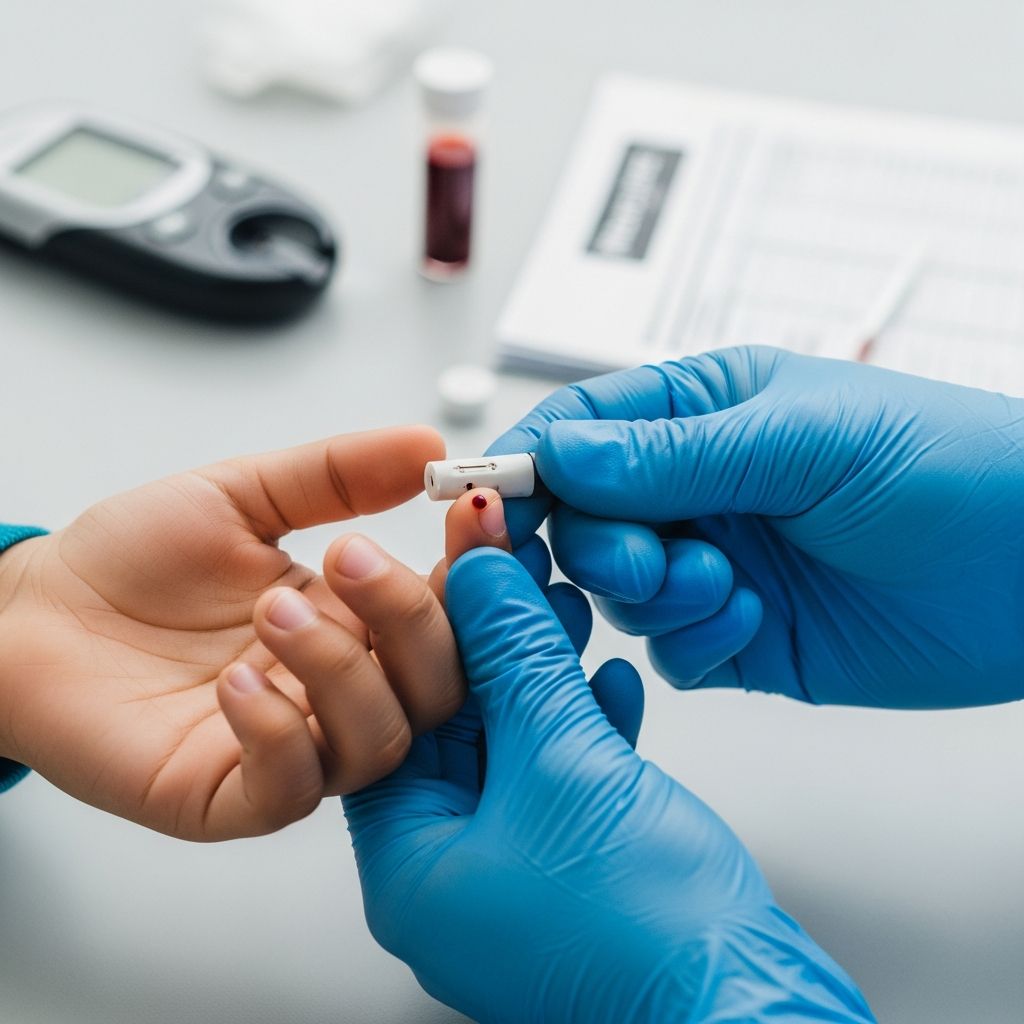
The HbA1c test, also known as hemoglobin A1c or A1c, provides a vital snapshot of a child’s average blood glucose levels over the past two to three months, helping parents and doctors assess diabetes management effectiveness.
Understanding the Science Behind HbA1c
Hemoglobin, a protein in red blood cells responsible for oxygen transport, binds to glucose in the bloodstream. When blood sugar levels remain elevated, more glucose attaches to hemoglobin, forming glycated hemoglobin. The HbA1c test quantifies this percentage, reflecting long-term glucose exposure since red blood cells live about 90-120 days.
This differs from daily fingerstick tests, which capture momentary glucose levels. HbA1c offers a broader view, smoothing out daily fluctuations and revealing trends in control.
Why HbA1c Matters for Kids with Diabetes
For children diagnosed with type 1 or type 2 diabetes, regular HbA1c testing is crucial. It evaluates how well insulin therapy, diet, and lifestyle adjustments maintain stable blood sugars.
- Identifies the need for treatment changes if levels are high.
- Screens for prediabetes or undiagnosed diabetes during routine checkups.
- Tracks progress over time, motivating families toward better habits.
Landmark studies like the Diabetes Control and Complications Trial (DCCT) demonstrated that maintaining HbA1c near target reduces risks of retinopathy, nephropathy, and neuropathy by 35-76%.
Age-Appropriate HbA1c Targets for Young Patients
Targets vary by age to balance control with avoiding hypoglycemia, especially in active children. The American Diabetes Association provides these guidelines:
| Age Group | Blood Glucose Goal (mg/dL) | HbA1c Target |
|---|---|---|
| Toddlers/Preschoolers (0-6 years) | 100-200 | <8.5% (but >7.5%) |
| School Age (6-12 years) | 90-180 | <8% |
| Adolescents (13-19 years) | 90-150 | <7.5% |
| Adults | 80-150 | <7% |
International guidelines often aim for <7% in children with type 1 diabetes, paired with pre-meal targets of 4-8 mmol/L and time-in-range (3.9-10 mmol/L) over 70%.
How the HbA1c Test is Performed
The procedure is straightforward and minimally invasive. A small blood sample is drawn from a vein or fingertip. Laboratories analyze it, with results typically available in days. Point-of-care tests offer immediate feedback during clinic visits, enabling on-the-spot discussions.
No special preparation like fasting is needed, making it convenient for busy families. It’s recommended every 3 months for those with diabetes, or annually for screening.
Interpreting HbA1c Results: What Numbers Mean
Results are percentages corresponding to estimated average glucose (eAG):
- <5.7%: Normal range.
- 5.7-6.4%: Prediabetes, signaling risk for diabetes development.
- ≥6.5%: Diagnostic for diabetes (confirmed with repeat testing).
For management, values above age-specific targets indicate poor control, prompting insulin adjustments or lifestyle tweaks. For instance, an HbA1c of 12% signals high risk for ketoacidosis and long-term issues like kidney damage.
Factors That Can Skew HbA1c Readings
While reliable, certain conditions affect accuracy:
- Anemia or hemoglobin variants: Common in some ethnic groups, altering results.
- Recent blood loss or transfusions: Skew newer red blood cells.
- Kidney/liver disease: Impacts red blood cell lifespan.
- Pregnancy: Increases red blood cell turnover.
Doctors consider these when interpreting results, sometimes using alternative tests like fructosamine for short-term control.
Strategies to Lower HbA1c in Children
Achieving targets requires a team approach: pediatric endocrinologists, dietitians, and families. Key tactics include:
- Consistent monitoring: Use continuous glucose monitors (CGMs) for real-time data.
- Balanced nutrition: Carb counting, low-glycemic foods, regular meals.
- Physical activity: 60 minutes daily, adjusting insulin accordingly.
- Insulin optimization: Basal-bolus regimens or pumps.
- Education: Programs teaching families about diabetes self-management.
Studies show immediate HbA1c feedback improves control, with sustained benefits up to 3.5 years.
The Role of Parental Knowledge in Diabetes Care
Youth knowledge of HbA1c correlates with better outcomes. Older children (11-16) understand it measures average glucose over months, but many underestimate complication risks.
- Only 7% knew hypoglycemia risks at <7% HbA1c.
- 30% recognized 12% HbA1c ties to ketoacidosis, fewer to organ damage.
Interventions like visual charts linking HbA1c to glucose ranges and risks boost comprehension. Caregivers with strong diabetes knowledge help achieve lower HbA1c.
Long-Term Benefits of Good HbA1c Control
Maintaining targets prevents microvascular complications. DCCT data confirms lower HbA1c dramatically cuts retinopathy progression—the leading diabetes-related vision threat.
For kids, this means healthier growth, fewer hospitalizations, and improved quality of life. Early intervention paves the way for adulthood without diabetes burdens.
Common Myths About HbA1c Testing
Myth 1: HbA1c replaces daily checks. Reality: It complements them for full control picture.
Myth 2: Lower is always better. Reality: Targets prevent lows, especially in young kids.
Myth 3: One test defines management. Reality: Trends over multiple tests guide adjustments.
Frequently Asked Questions (FAQs)
What does an HbA1c of 8% mean for a 10-year-old?
For school-age kids, <8% is the target. 8% suggests average glucose around 183 mg/dL, indicating room for better control to avoid complications.
How often should my child get an HbA1c test?
Every 3 months if on insulin; every 6 months if well-controlled. Screening annually for at-risk kids.
Can HbA1c diagnose diabetes in children?
Yes, ≥6.5% on two tests, alongside symptoms or other diagnostics.
Does exercise affect HbA1c results?
Regular activity lowers HbA1c by improving insulin sensitivity, but acute bouts may cause temporary drops.
What if my child’s HbA1c is consistently high?
Consult the endocrinologist for insulin tweaks, diet review, or tech like CGMs. Education enhances adherence.
References
- Blood Test: Hemoglobin A1c — Dayton Children’s Hospital. Accessed 2026. https://childrensdayton.org/kidshealth/blood-test-hba1c/
- Diabetes Tests & Screenings for Kids — UCSF Benioff Children’s Hospitals. Accessed 2026. https://www.ucsfbenioffchildrens.org/education/routine-diabetes-tests-and-screenings
- Understanding HbA1c: A Key Test for Managing Type 1 Diabetes — The Hospital for Sick Children (YouTube). Accessed 2026. https://www.youtube.com/watch?v=NOjiBJCzDCg
- What do Youth with Type 1 Diabetes Know about the HbA1c Test? — National Center for Biotechnology Information (PMC). 2010-05-26. https://pmc.ncbi.nlm.nih.gov/articles/PMC2885742/
- Hemoglobin A1C — National Center for Biotechnology Information (StatPearls). Accessed 2026. https://www.ncbi.nlm.nih.gov/books/NBK549816/
- Hemoglobin A1C (HbA1C) Test — MedlinePlus. Accessed 2026. https://medlineplus.gov/lab-tests/hemoglobin-a1c-hba1c-test/