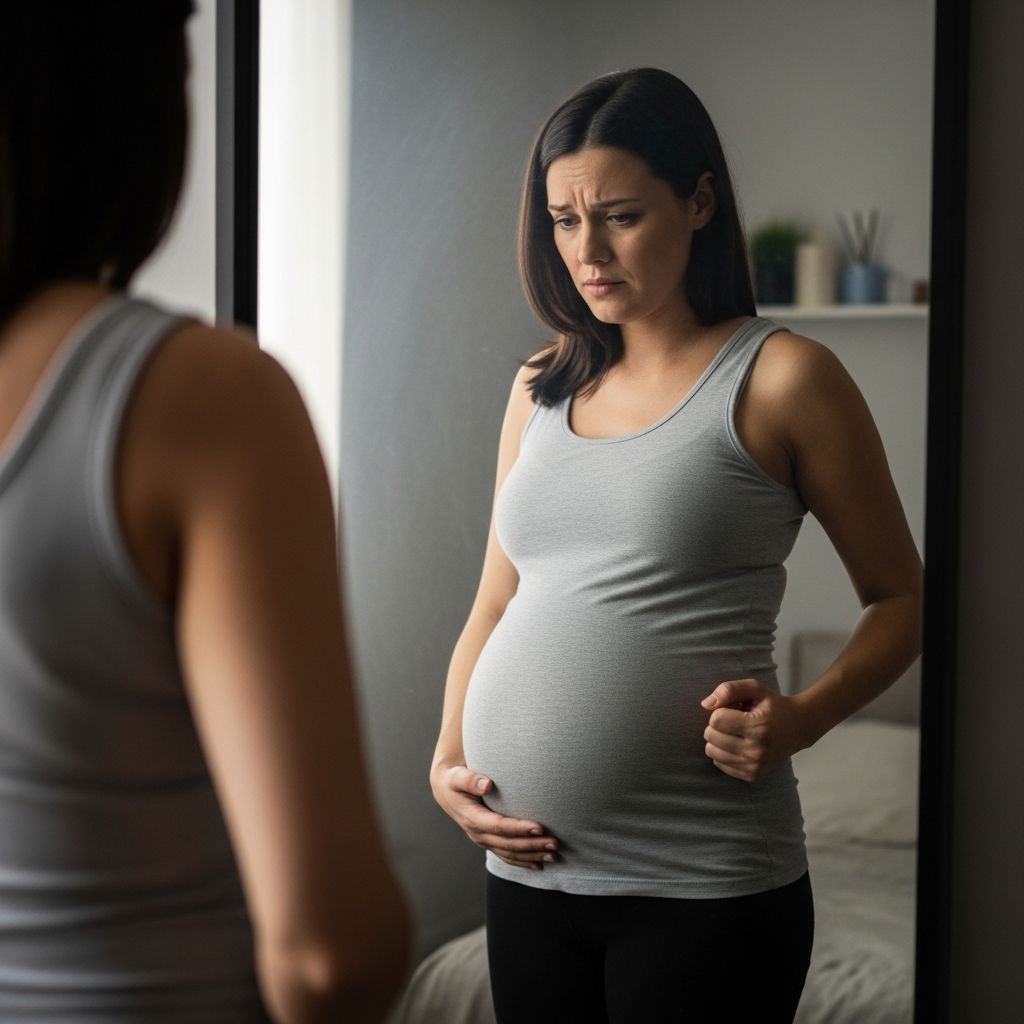
Many people expect pregnancy to feel magical and empowering. For some, it does. For others, seeing the scale climb, clothes stop fitting, and unfamiliar shapes in the mirror can feel shocking, upsetting, or even frightening. If you find yourself thinking, “I hate my pregnant body,” you are far from alone—and there is nothing wrong with you for feeling this way.
This article offers a research-informed, compassionate look at what happens to body image during pregnancy, why these feelings are so common, and realistic ways to cope without falling into extreme dieting, shame, or isolation.
Understanding Pregnancy Body Image: More Common Than You Think
Body image is the way you see, think about, and feel in your body. During pregnancy, your body changes rapidly in size, shape, and function. That speed of change can destabilize even someone who felt relatively comfortable in their body before.
Research shows:
- Body image dissatisfaction can affect pregnant and postpartum women and is linked with higher risks of depression and disordered eating.
- In one longitudinal study, about 3–7% of pregnant women reported elevated body shape dissatisfaction during pregnancy, and around 10–11% reported it postpartum.
- Another large study found that many pregnant women report moderate to severe dissatisfaction with changes such as weight gain, skin changes, and expanding body size.
- Women with higher pre-pregnancy BMI tend to have higher levels of body dissatisfaction both before and after birth.
Numbers vary by study, but overall, research supports what many people quietly experience: pregnancy does not automatically protect you from body worries. For some, it can intensify them.
Why Disliking Your Pregnant Body Makes Sense
Your distress around body changes is not vanity and not a personal failure. It usually comes from several overlapping forces:
1. Cultural Pressure To Stay Small
Many cultures celebrate the “tiny pregnant belly,” quick postpartum weight loss, and the idea that you should look almost the same before, during, and after pregnancy. When you inevitably gain weight and grow out of your usual clothes, it can feel like you’re doing pregnancy “wrong.”
2. Loss of Control and Predictability
Pregnancy can feel like your body suddenly has its own agenda: hunger swings, fatigue, swelling, breast tenderness, changes in digestion, and more. That loss of control, especially for people who managed anxiety or self-esteem through controlling food or exercise, can be deeply unsettling.
3. Previous Body Image Struggles
If you had a complicated relationship with food, exercise, or your weight before pregnancy, the rapid changes of this time can bring those old struggles roaring back. Studies show women with higher pre-pregnancy BMI or prior body image concerns are more likely to experience dissatisfaction during and after pregnancy.
4. Mixed Messages From Others
Comments like “You’re huge!” or “Are you sure it’s not twins?” may be meant as jokes but can land like criticism. On the other hand, praise for “barely looking pregnant” can reinforce the idea that smaller is better, even in pregnancy.
5. Real Physical Discomfort
It is hard to feel positively about your body when you are nauseated, exhausted, struggling to sleep, or in pain. Swelling, heartburn, backache, and skin changes can chip away at how at-home you feel in your body.
How Body Dissatisfaction Can Affect Mental and Physical Health
Disliking your appearance is painful on its own, but research shows it can also influence health in several ways:
| Area | Potential Impact of Body Dissatisfaction |
|---|---|
| Mental health | Higher risk of depression, anxiety, and body image disturbances during and after pregnancy. |
| Eating behaviors | Greater likelihood of restrictive eating, bingeing, or other disordered eating patterns in the perinatal period. |
| Weight gain patterns | Worry about weight may lead to unhealthy restriction or, in some cases, emotional eating and excessive gestational weight gain, which in turn is linked to certain pregnancy complications. |
| Bonding and self-care | Feeling ashamed of your body can make it harder to connect with the changes of pregnancy, seek care, or feel deserving of rest and support. |
None of this means that if you dislike your body you will definitely experience these outcomes. It does mean your feelings are serious and deserve support—not dismissal.
What Research Says About How Body Image Changes Over Time
Body dissatisfaction during pregnancy does not look the same for everyone, and it can shift as the months go by.
- Some studies suggest that dissatisfaction is relatively low in mid-to-late pregnancy compared with postpartum, possibly because society expects a visible bump and may reduce pressure to be thin.
- For others, dissatisfaction is high early in pregnancy when changes feel like bloating and weight gain without a clearly “pregnant” shape, then eases later in pregnancy as the bump becomes more recognizable.
- Postpartum can be especially challenging as the belly softens, weight does not drop as quickly as expected, and comparison to unrealistic “bounce back” narratives intensifies.
It can help to remember that your relationship with your body is not frozen in time. Feelings you have in one trimester are not a verdict on how you’ll feel months or years from now.
Practical Ways To Cope When You Hate Your Pregnant Body
You do not have to suddenly love your body to care for it. The goal is not forced positivity, but gentler, more realistic ways of relating to yourself so that shame takes up less space.
1. Shift From Appearance to Function
Instead of trying to convince yourself you look beautiful if that feels untrue, focus on what your body is doing. For example, you might remind yourself:
- “My lungs are working harder to get oxygen to both of us.”
- “My blood volume has increased to support this pregnancy.”
- “My ligaments are loosening to prepare for birth.”
Research on body appreciation suggests that focusing on what the body can do—rather than how it looks—can support more positive body image over time.
2. Create Boundaries Around Body Talk
It is okay to protect yourself from comments that make you feel worse. You might:
- Ask friends and family to avoid remarks about your size or weight.
- Redirect conversations: “I’d rather talk about how I’m feeling than how I look.”
- Mute or unfollow social media accounts that glorify extreme thinness or “perfect” pregnancy bodies.
3. Choose Comfort Over Punishment
Wearing clothes that dig into your skin or constantly ride up is an easy way to reinforce the belief that your body is a problem. If you can, consider:
- Buying or borrowing a few pieces that truly fit now, rather than trying to squeeze into pre-pregnancy sizes.
- Using soft fabrics, flexible waistbands, and supportive bras.
- Prioritizing shoes that help with balance and swelling over aesthetics alone.
This is not “letting yourself go”—it is adapting to a medically normal change in size that supports your comfort and mobility.
4. Practice Self-Compassion Instead of Self-Criticism
Self-compassion means treating yourself with the same kindness you would offer a friend in your situation. When harsh thoughts arise, you might try a three-step mental check-in:
- Notice: “I’m telling myself I look disgusting.”
- Normalize: “Many pregnant people struggle with these feelings. I’m not alone.”
- Support: “What would be the kindest thing I could tell myself right now?”
Self-compassion is associated with better psychological well-being and can buffer against body dissatisfaction in various populations, including perinatal women, according to emerging research.
5. Move Your Body for Comfort, Not Punishment
When it is medically safe and approved by your prenatal provider, gentle movement can improve mood, sleep, and body comfort. Options may include:
- Walking at a pace that allows you to talk comfortably.
- Prenatal yoga or stretching for back, hip, and neck relief.
- Water exercise, which can ease pressure on joints.
The goal is not to “burn off” calories, but to support circulation, mobility, and mood.
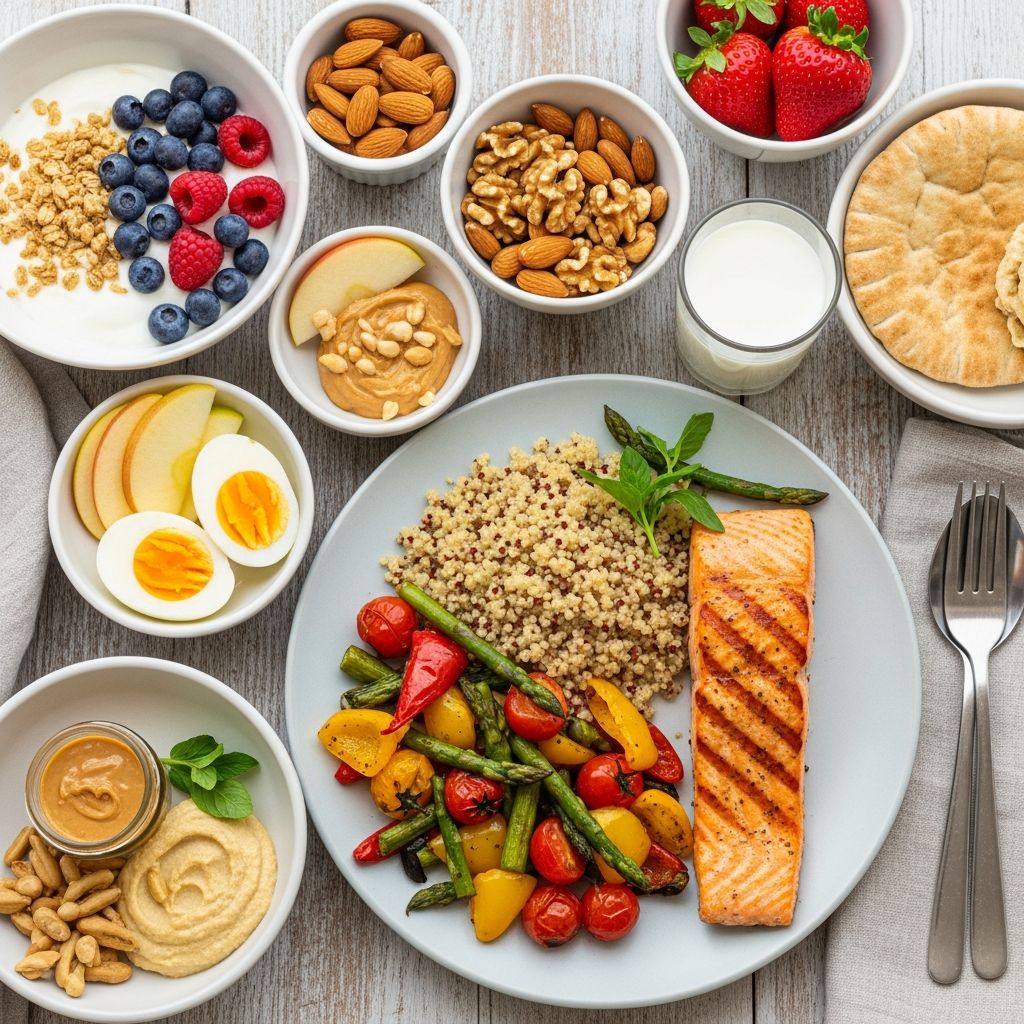
6. Nourish Yourself Without Obsession
Extreme restriction or “making up” for eating by skipping meals can be risky in pregnancy and may increase body preoccupation. Instead, talk with your prenatal care provider about:
- Realistic, balanced food choices for your health and the baby’s.
- How much weight gain is medically appropriate for you, based on your pre-pregnancy BMI and current health.
- Any history of eating disorders or restrictive dieting so they can monitor and support you appropriately.
When To Seek Extra Help
Feeling uncomfortable with your body during pregnancy is common. But some signs suggest it may be time to reach out for more structured support from a mental health or medical professional:
- Persistent sadness, anxiety, or irritability most days.
- Obsessive weighing, body checking, or pinching fat.
- Severe food restriction, frequent bingeing, or purging behaviors.
- Compulsive exercise that ignores medical advice or causes pain.
- Thoughts that your body is “ruined” or that you are worthless.
- Thoughts of self-harm or that your family would be better off without you.
Perinatal mental health specialists (therapists, psychiatrists, or psychologists with training in pregnancy and postpartum) and support programs can provide targeted help. Professional guidelines emphasize that screening for body image concerns and disordered eating in pregnancy and postpartum is important because these issues are linked to mental health conditions and health risks for parent and child.
Talking With Your Healthcare Team About Body Image
Bringing up body image with your prenatal care provider can feel intimidating, but it can open doors to practical support. You might say:
- “I’m really struggling with how my body is changing. Is that something we can talk about?”
- “I’ve had an eating disorder in the past, and I’m worried some of those thoughts are coming back.”
- “I’m scared of gaining weight and find myself skipping meals. What are safe ways to handle these feelings?”
Your provider can:
- Clarify what ranges of weight gain are healthy for your specific situation.
- Connect you with perinatal mental health professionals or dietitians.
- Screen for depression, anxiety, or disordered eating and follow up as needed.
Supporting Someone Else Who Hates Their Pregnant Body
If someone you care about is struggling with pregnancy body image, you cannot fix it for them, but you can make it less lonely. Helpful approaches include:
- Listen before reassuring: Let them share what feels hard without rushing to “But you look beautiful!”
- Avoid appearance-focused comments: Compliments like “You’re all belly!” can still reinforce the idea that size is central.
- Offer practical help: Help them find comfortable clothes, attend appointments, or research support options if they ask.
- Normalize help-seeking: Encourage talking with their prenatal provider or a therapist if they seem overwhelmed.
Frequently Asked Questions (FAQs)
Is it normal to hate my pregnant body?
Yes. While not everyone feels this way, research indicates that a substantial number of pregnant and postpartum women experience body dissatisfaction, and it is linked with emotional distress. Your reaction is a human response to rapid change, not a moral failing.
Can hating my body hurt my baby?
Disliking your appearance alone does not harm the baby. The concern is when those feelings lead to unhealthy behaviors such as severe restriction, extreme dieting, or skipping prenatal care. If you are worried about your eating or exercise patterns, talk with your healthcare provider.
Will I ever feel at home in my body again?
For many people, body image continues to shift after pregnancy, and distress often decreases over time. Some people come to appreciate their body in new ways, especially when supported by self-compassion, realistic expectations, and professional help when needed.
How much weight gain is “too much” in pregnancy?
There is no single number that fits everyone. Recommended ranges depend on your pre-pregnancy BMI and health status. Your prenatal provider can explain guidelines based on evidence and your specific situation; major health organizations publish ranges for healthy gestational weight gain.
What should I do if my provider dismisses my concerns?
You deserve to have your emotional and physical needs taken seriously. If your concerns about body image or eating are brushed off, you can ask again, request a referral to a mental health specialist, or consider seeking a second opinion if that is feasible for you.
References
- The trajectory of body image dissatisfaction during pregnancy and the postpartum period and its association with pregnancy-related physical symptoms and pre-pregnancy BMI — PLOS ONE. 2024-08-14. https://journals.plos.org/plosone/article?id=10.1371/journal.pone.0309396
- The trajectory of body image dissatisfaction during pregnancy and the postpartum period and its association with pregnancy-related physical symptoms and pre-pregnancy BMI — National Library of Medicine (PMC). 2024-08-14. https://www.ncbi.nlm.nih.gov/pmc/articles/PMC11346655/
- Latent profiles and associated factors of body image in pregnant women — Scientific Reports (Nature). 2025-02-11. https://www.nature.com/articles/s41598-025-01506-0
- Body Image, Disordered Eating, and Weight in the Perinatal Period — Massachusetts General Hospital Center for Women’s Mental Health. 2022-10-05. https://womensmentalhealth.org/posts/perinatal-disordered-eating/
- A prospective study on body image disturbances during pregnancy and postpartum — Frontiers in Psychology. 2023-07-14. https://www.frontiersin.org/articles/10.3389/fpsyg.2023.1200819/full
- Body Satisfaction During Pregnancy — U.S. Centers for Disease Control and Prevention (CDC). 2013-01-01. https://stacks.cdc.gov/view/cdc/33217