Hands-free breast pumps are changing how parents feed their babies, making it easier to maintain milk supply while working, caring for older children, or simply taking a moment to eat a proper meal.
This guide explains what hands-free pumping means, how it differs from other pump styles, and how to choose and use the right setup for your body, lifestyle, and budget.
What “Hands-Free” Really Means
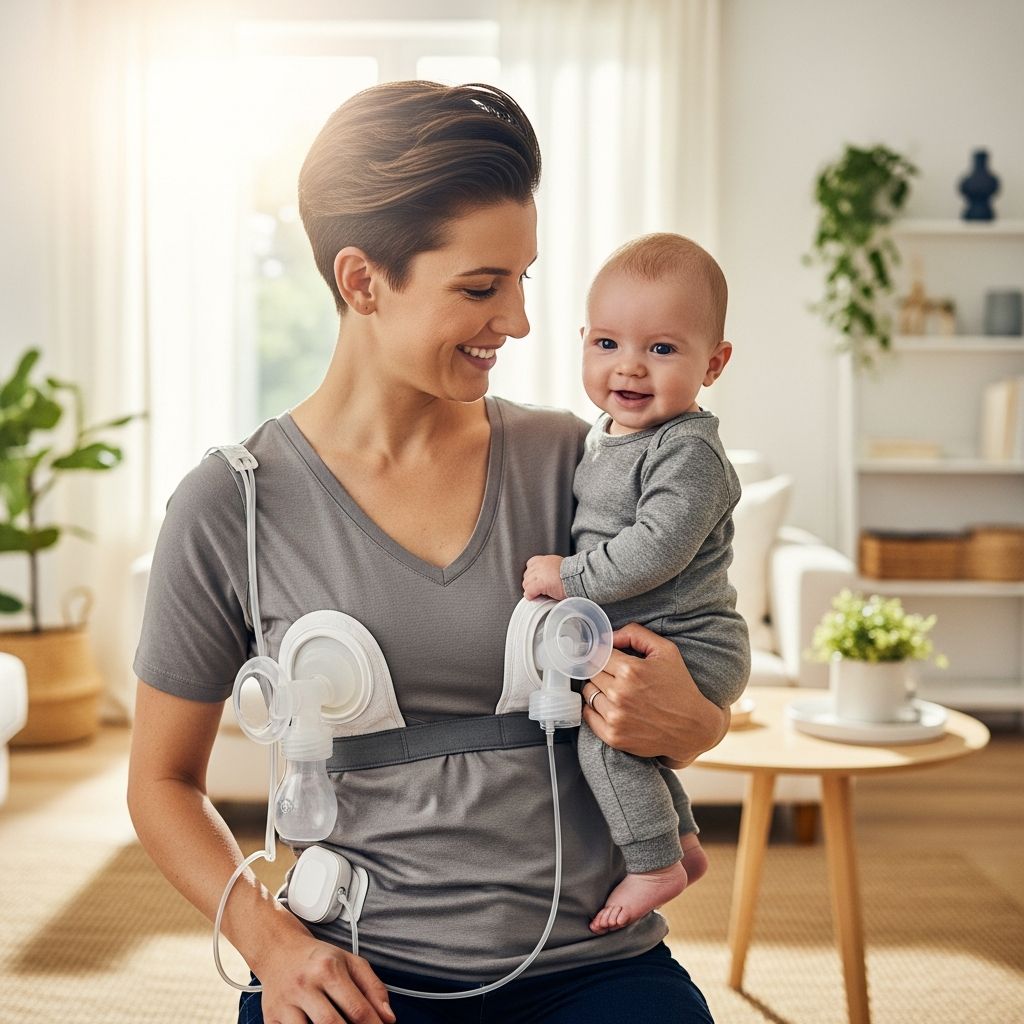
Hands-free pumping refers to any setup that allows milk to be expressed without needing to hold the pump parts in place with your hands. This can include wearable pumps that tuck into your bra, as well as traditional pumps paired with a special pumping bra that holds the flanges securely.
Instead of sitting still and holding bottles for 20–30 minutes, you can move more freely: answering emails, reading, cuddling your baby, or simply resting your arms and shoulders.
Types of Hands-Free Pumping Setups
Hands-free does not have to mean one specific device; there are several ways to achieve a mostly hands-off session. Understanding each category helps you match a solution to your daily routine.
Wearable all-in-one pumps
Wearable pumps combine the motor, collection cup, and flange into a single unit that slips entirely inside your bra. Tubing is either very minimal or nonexistent, and there are no bottles hanging outside your clothing.
- Best for multitasking while walking around the house or office.
- Typically rechargeable and controlled via buttons or an app.
- Collection cups usually hold less milk than external bottles, so you may need to empty more often.
Traditional pumps with hands-free bras
Many standard electric pumps can be made hands-free by pairing them with a pumping bra that holds the flanges tightly against your breasts. You still have external bottles and tubing, but your hands are free.
- Often more powerful and adjustable than small wearable units.
- Useful if you already have a pump and want to save money by adding just a bra or support band.
- You may be more tethered to a surface if the pump needs to remain plugged in.
Portable pumps with collection cups
Some pumps use a small, lightweight motor connected to low-profile collection cups that sit inside your bra. The motor may clip to your clothing or slip into a pocket, with thin tubing running to the cups.
- Offers a middle ground: more discreet than full-size pumps, often stronger than some wearables.
- Cups fit in your bra while the motor sits outside, making it easier to adjust settings without undressing.
- Great for parents who want mobility but also value stronger suction and larger milk capacity.
Key Features to Compare Before You Buy
Not all pumps are designed with the same priorities. To avoid frustration and discomfort, think first about your body, your schedule, and your personal preferences.
Comfort and flange fit
Comfort is the foundation of effective pumping. Flanges that are too large or too small can cause pain, rubbing, or a drop in milk output. Many brands offer multiple flange sizes or inserts, so check the sizing chart and measure your nipples to find a good starting size.
- Look for soft silicone edges if you have sensitive skin.
- Consider whether replacement flanges and inserts are easy to buy later.
- If possible, choose a model that allows small adjustments in suction and rhythm rather than just a few rigid settings.
Suction strength and adjustability
A strong pump is not automatically better; the goal is an effective, comfortable suction pattern that mimics nursing. Many hands-free models offer multiple modes, such as a gentle stimulation phase to trigger letdown and a stronger expression phase to empty the breast.
- Check for separate control of suction strength and speed for fine-tuning.
- New pumpers may want a wide range of levels to grow into.
- If you are exclusively pumping, prioritise a model known for reliable output over long-term daily use.
Noise level and discretion
If you plan to pump at work, in shared spaces, or while your baby sleeps nearby, noise matters. Wearable pumps are typically designed to be as quiet as possible, but there is always some sound.
- Look for models described as “low vibration” or “quiet motor” if discretion is a top priority.
- Consider whether flashing lights or bright screens can be dimmed or turned off for nighttime pumping.
Battery life and portability
Hands-free often goes hand-in-hand with cordless. Battery life determines how many sessions you can complete before recharging. Parents who pump during commutes, travel, or long shifts will benefit from generous battery capacity.
- Check manufacturer estimates for number of sessions per full charge.
- USB-C charging can be more convenient than proprietary chargers.
- Some pumps allow pumping while plugged in, which can be helpful if you forget to charge.
Cleaning and assembly
Pumping involves repeated washing of parts that touch milk. A design with fewer pieces and wide openings can save a great deal of time and reduce frustration during middle-of-the-night cleanups.
- Look for simple parts: flange, cup or bottle, valve, membrane, and connector.
- Check whether parts are dishwasher safe, and on which rack.
- Transparent parts make it easier to see if everything is fully clean and dry.
Quick Comparison: Wearable vs Traditional Hands-Free Pumping
The table below summarises common differences between fully wearable pumps and traditional electric pumps used with a hands-free bra. Individual models will vary, but these patterns can guide your decision.
| Feature | Wearable Pump | Traditional Pump + Hands-Free Bra |
|---|---|---|
| Mobility | High; can walk and do light tasks with pump inside bra. | Moderate; tubing and a larger unit may limit movement. |
| Power & suction | Often sufficient for most users but may be less intense than hospital-style units. | Typically stronger and more adjustable, suitable for exclusive pumpers. |
| Discretion under clothing | Low-profile cups; minimal external parts, but some bulk in the bra. | Bottles and flanges visible outside clothing, less discreet. |
| Milk capacity | Smaller collection cups; may need to pause to empty for high producers. | Larger bottles hold more milk per session. |
| Learning curve | Requires careful placement to prevent leaks and maintain suction. | More familiar layout for those who have used standard pumps before. |
| Price range | Often higher due to compact design and built-in electronics. | Wide range; can be affordable, especially if covered by insurance or benefits. |
Who Benefits Most from Hands-Free Pumping?
Hands-free setups are helpful for many parents, but some lifestyles and situations gain especially strong benefits. Considering your typical day can clarify whether this investment will pay off quickly.
- Working parents: Hands-free pumping can make it easier to fit sessions into short breaks or meetings without completely stopping other tasks.
- Exclusive pumpers: When pumping is the sole source of milk, reducing physical strain and boredom is crucial for long-term consistency.
- Parents with older children: Being able to pick up a toddler, help with homework, or prepare snacks while pumping can ease daily stress.
- Postpartum recovery: Those healing from birth or surgery may appreciate not having to hold heavy bottles for extended periods.
Building a Hands-Free Pumping Routine
Even the most advanced pump cannot help if sessions are irregular or inconsistent. A flexible routine keeps supply more stable and makes pumping feel like a normal part of your day instead of an emergency interruption.
Finding your ideal schedule
The right frequency depends on your baby’s age, your milk supply, and whether you are combining pumping with direct breastfeeding. Some parents pump after nursing sessions to build a freezer stash, while others follow a structured schedule if they are away from baby for long stretches.
- Newborn stage: Frequent sessions help establish supply and prevent engorgement.
- Returning to work: Many aim for pumping every 3–4 hours during the workday to mimic baby’s feeding rhythm.
- Weaning from the pump: Gradually lengthening time between sessions can minimise discomfort.
Pairing pumping with daily tasks
Because your hands are free, you can anchor pumping to routine activities so it feels less intrusive. This approach also helps you remember to pump before too much time passes.
- Morning: Pump while reviewing your calendar or answering overnight messages.
- Midday: Pump during a quiet block of computer work or while eating lunch.
- Evening: Pump while reading, watching a show, or doing gentle stretches.
Comfort and Fit: Avoiding Common Problems
Discomfort is a signal worth listening to. While some mild tugging is normal, sharp pain, pinching, or bruising are signs that something needs adjustment. Hands-free equipment should support comfort, not undermine it.
Checking flange size and positioning
Your nipple should move freely in and out of the tunnel without excessive areola being pulled in. Redness, blisters, or rings around the nipple can indicate the flange is too small or too large.
- Revisit sizing if your breasts change over time, which is common postpartum.
- Gently centre the nipple in the flange before starting the pump.
- Start at a low suction level and increase gradually as tolerated.
Managing leaks and spills
Because wearable cups sit inside the bra, poor placement or a bra that is too tight can break the seal and cause leaks. Learning how your particular pump behaves in different positions can help minimise surprises.
- Use a supportive but not compressive bra; avoid underwire that presses directly on the cups.
- Limit bending deeply at the waist when cups are nearly full.
- Practice inserting and removing the cups while seated before trying them on the go.
Practical Tips to Make Hands-Free Pumping Easier
A few small habits can transform pumping from something you dread into a relatively smooth routine. Consider these ideas as a starting point and adjust them to fit your space and schedule.
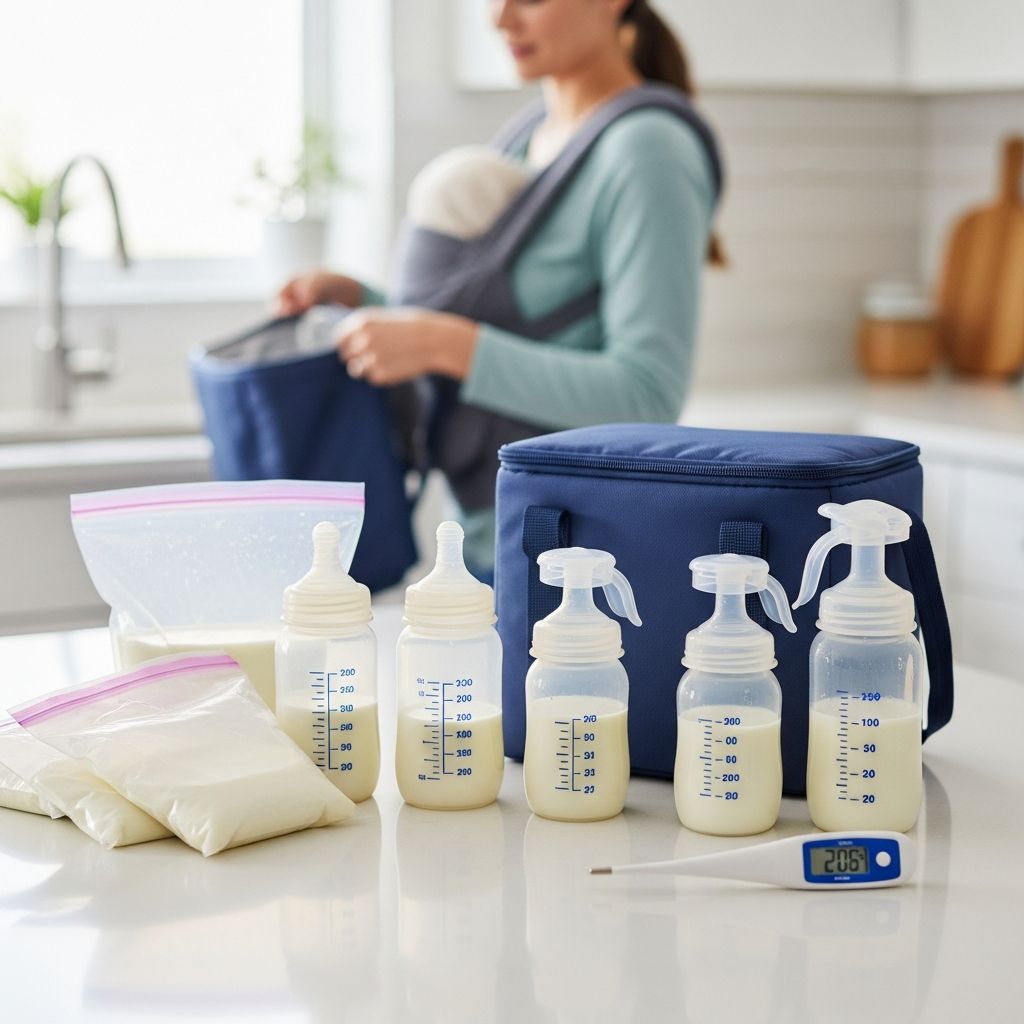
- Create a pumping station: Keep extra pump parts, nursing pads, snacks, and a water bottle in one dedicated spot so you are not hunting for pieces at the last minute.
- Label milk clearly: Use waterproof labels or markers with the date and time to keep your fridge and freezer organised.
- Rotate parts: Owning a second set of flanges and valves allows you to wash less often during the busiest days.
- Use reminders: Set phone alarms or calendar events, especially when transitioning back to work or school.
- Protect your mental space: Pair pumping with small pleasures such as music, podcasts, or a favourite show to make the time feel more positive.
Budgeting for a Hands-Free Setup
Hands-free pumps span a wide price range, from relatively affordable portable units to premium wearable systems. Considering the total cost of ownership helps you plan realistically and avoid surprise expenses later.
Where the money goes
The pump itself is only part of the picture. Over time, you may need to replace valves, tubing, membranes, and rechargeable batteries. Accessories such as pumping bras, storage bags, and extra bottles also add to the budget.
- Check how often parts are recommended to be replaced under normal use.
- Look at availability and price of spare parts before committing to a brand.
- Consider buying an affordable secondary pump or manual pump as a backup.
Ways to save without sacrificing function
For many families, the ideal solution is a mix of value and reliability rather than the flashiest new model. With a bit of planning, it is possible to get a solid hands-free setup without overextending your budget.
- Start with a pump that may be covered by healthcare benefits or workplace programmes, then add a hands-free bra.
- Borrow or buy gently used pumps only if you can replace the personal-use parts and are comfortable with the model’s age and condition.
- Watch for sales on accessories, as extra flanges and cups often go on discount more frequently than pump motors.
Frequently Asked Questions About Hands-Free Breast Pumps
Can a hands-free pump fully replace nursing at the breast?
Many families successfully rely on pumps as their primary method of expressing milk, especially when returning to work or when latching is challenging. However, every body responds differently, so it may take some experimentation and support from a lactation professional to maintain supply without direct nursing.
Are wearable pumps strong enough for exclusive pumping?
Some wearable pumps provide excellent results for exclusive pumpers, while others are better suited to occasional sessions. When exclusive pumping is your plan, consider models known for strong, customisable suction and be prepared to adjust your schedule if you notice any dip in output.
Is hands-free pumping safe while driving?
Safety should always come first. While some people do pump while driving, operating a vehicle already demands full attention, and any distraction from adjusting a pump could increase risk. If possible, it is generally safer to set up and pump while parked.
How long does a typical hands-free pumping session last?
Most sessions fall between 15 and 30 minutes, though the exact length depends on your body, your pump settings, and how frequently you are pumping. Over time, you will learn how long it usually takes to feel comfortably empty and can tailor your routine accordingly.
Do I still need a hands-free bra with a wearable pump?
Many wearable pumps are designed to work inside a regular, well-fitting nursing bra, but some parents prefer dedicated pumping bras for extra security. The key is to choose a bra that holds the cups firmly in place without compressing the breast tissue, which could affect milk flow.
Final Thoughts
Hands-free breast pumps can make feeding your baby more compatible with the rest of your life, whether that means working outside the home, caring for siblings, or simply claiming small pockets of rest. The best setup is the one that fits your body, your schedule, and your budget while supporting your physical comfort and emotional well-being.
With the right combination of equipment, routine, and realistic expectations, pumping does not have to feel like an endless chore; it can become a predictable, manageable part of a season of life that will not last forever.