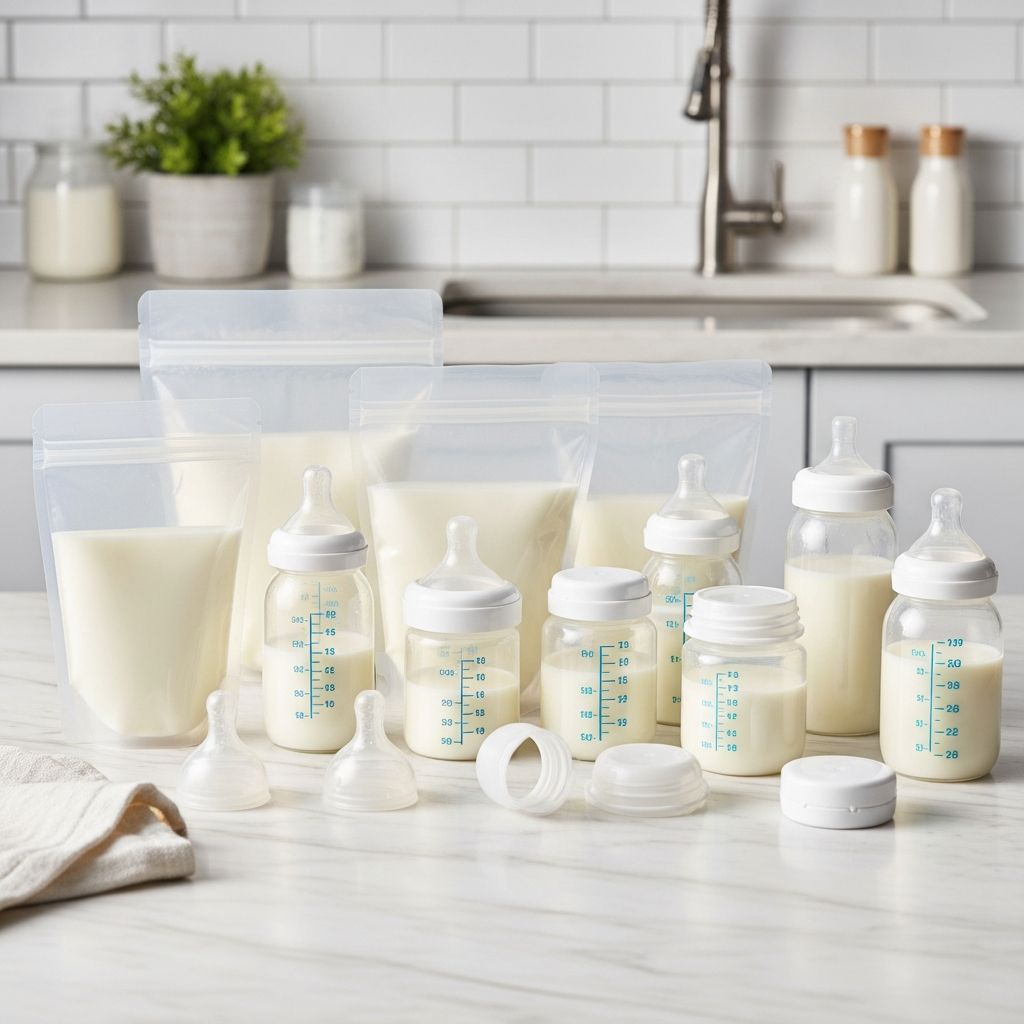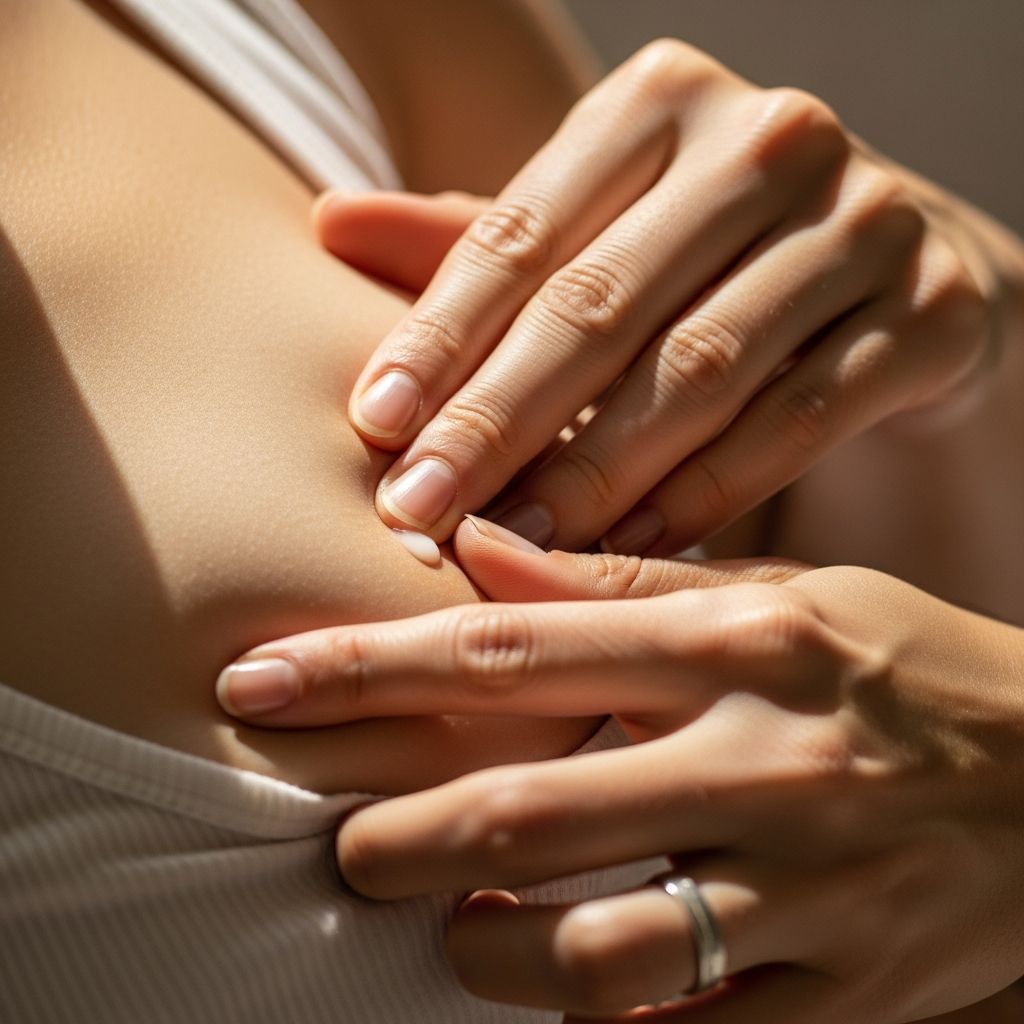
Hand expressing breast milk offers a simple, equipment-free method to collect vital nutrition for your baby, supporting lactation in various scenarios from early postpartum days to daily routines. This technique empowers parents by providing flexibility without relying on pumps, ensuring milk reaches infants even when direct feeding isn’t possible.
Why Choose Hand Expression for Breast Milk?
Manual expression stands out for its accessibility and effectiveness, particularly in the initial postpartum phase when colostrum—the nutrient-dense first milk—is crucial. Research indicates that hand techniques outperform pumps in extracting this thick substance, aiding babies who need small volumes frequently. It stimulates oxytocin and prolactin release through tactile stimulation, promoting let-down and sustained production.
Beyond newborns, this method relieves common issues like engorgement, plugged ducts, or mastitis by thoroughly draining milk ducts more comfortably than mechanical options. Parents separated from their infants, such as during hospital stays or returns to work, find it invaluable for maintaining supply. No risks are documented, making it safe for routine use.
- Colostrum harvesting: Ideal post-birth for preterm or latch-challenged babies.
- Supply boosting: Frequent sessions in first days enhance long-term output.
- Comfort during challenges: Eases fullness, soreness, or infections.
- Pump complement: Follows sessions for complete emptying.
Optimal Timing and Frequency
Begin as early as 37 weeks gestation for antenatal colostrum collection if recommended by healthcare providers, or immediately postpartum. In the first three days, express every 2-3 hours to jumpstart production, mimicking feeding patterns. Ongoing, align with baby’s schedule: 8-12 times daily, including nights, to match demand.
For working parents, express during separations; before feeds to soften nipples for better latching; or at engorgement signs. Patience yields results—initial sessions may produce drops, building to ounces with practice.
Preparation Essentials for Success
Hygiene prevents contamination: Wash hands thoroughly with soap and warm water, ensuring short nails are smooth. Gather a sterilized wide-mouth container like a bottle or jug, placed within reach. Select a quiet, warm space to relax—dim lights, soft music, or baby photos trigger let-down.
| Item | Purpose | Tips |
|---|---|---|
| Clean hands & nails | Prevent bacteria | Soap, warm water; trim nails |
| Sterile container | Collect milk | BPA-free bottle or jug |
| Warm compress | Stimulate flow | Moist cloth 5-10 mins |
| Comfort aids | Promote relaxation | Baby photo, music |
Detailed Step-by-Step Technique
Follow this proven method, refined from clinical demonstrations, for efficient expression.
- Apply warmth: Use warm, moist cloths on breasts for 5 minutes to dilate ducts and encourage flow.
- Massage breasts: Start at armpits, stroke toward nipple with flat hands or knuckles in circles—avoid pinching skin.
- Position hands: Form a ‘C’ grip: Thumb at 12 o’clock, fingers at 6 o’clock, 2-3 cm behind areola on breast tissue.
- Press and compress: Push thumb/fingers back toward chest wall, then squeeze together gently. Roll motion downward—do not slide over skin.
- Maintain rhythm: Repeat steadily; milk drips then sprays. Relax with baby cues if needed.
- After 5 minutes, move to 11-5, 9-3 o’clock around breast for full drainage.
- Switch breasts: Express until flow slows, alternate sides, return for more—yields increase.
- Combine if needed: Finish with pump for residuals.
Practice yields 1-4 oz per session; persistence is key as flow builds.
Addressing Common Hurdles
Soreness signals incorrect technique—ensure deep grip, no nipple pinching. Slow flow? Enhance let-down with relaxation, hydration, or skin-to-skin. Persistent issues warrant lactation consultant input.
- No milk initially: Normal for colostrum; continue 10-15 mins/side.
- Painful: Stop, reposition; warmth helps.
- Low volume: Frequency over force builds supply.
Safe Storage and Usage Guidelines
Store fresh milk in sterile containers at room temp (77°F/25°C) up to 4 hours; fridge (4°C) 4 days; freezer 6 months. Label with date; thaw in warm water, never microwave. Use soonest first (FIFO).
| Storage Method | Duration | Temp |
|---|---|---|
| Room temp | 4 hours | <77°F |
| Refrigerator | 4 days | 39°F |
| Freezer (self-contained) | 2 weeks | 0°F |
| Deep freeze | 6-12 months | -4°F |
Feed thawed milk within 24 hours; discard if smells off. Combine fresh with cooled milk only.
Benefits Backed by Evidence
Studies affirm hand expression’s superiority for early colostrum, positive milk impacts, and issue resolution. NHS endorses for latch aid and engorgement. It fosters bonding via hormone release, cost-free and portable.
Frequently Asked Questions
How soon after birth can I start?
Immediately postpartum or antenatally from 37 weeks if advised.
Is it better than pumping?
For colostrum yes; complements pumps for full drainage.
How much should I get?
Varies: Drops first, up to ounces with practice. Focus on frequency.
Can it hurt my supply?
No—enhances it when frequent.
What if baby refuses expressed milk?
Mix with formula if needed; consult pediatrician for intake checks via diapers.
Advanced Tips for Experienced Parents
Integrate into routines: Pre-feed for latch ease, post-pump for extras. Track output to monitor supply. For multiples or preemies, syringe collection aids precise dosing. Join support groups for troubleshooting.
Mastery transforms breastfeeding challenges into opportunities, ensuring every drop nourishes your baby effectively.
References
- Hand Expression of Breastmilk — Stanford Medicine Newborn Nursery. Accessed 2026. https://med.stanford.edu/newborns/professional-education/breastfeeding/hand-expressing-milk.html
- Expressing breast milk by hand — NHS UK. Accessed 2026. https://www.nhs.uk/best-start-in-life/baby/feeding-your-baby/breastfeeding/expressing-your-breast-milk/expressing-breast-milk-by-hand/
- Expressing and storing breastmilk — The Breastfeeding Network. Accessed 2026. https://www.breastfeedingnetwork.org.uk/breastfeeding-information/continuing-the-breastfeeding-journey/expressing-and-storing-breastmilk/
- How to express breast milk by hand — MyHealth Alberta. 2024-04-30. https://myhealth.alberta.ca/Health/pages/conditions.aspx?hwid=hw130340
- A Step-by-Step Guide to Hand Expression — The Care Connection. Accessed 2026. https://careconnectiononline.com/hand-expression/