Halloween brings excitement with costumes, candy hunts, and eerie decorations, but prioritizing safety ensures everyone enjoys the night. Families can prevent accidents by focusing on visibility, supervision, and smart choices in activities. This guide covers key areas to keep celebrations secure.
Choosing Secure Costumes
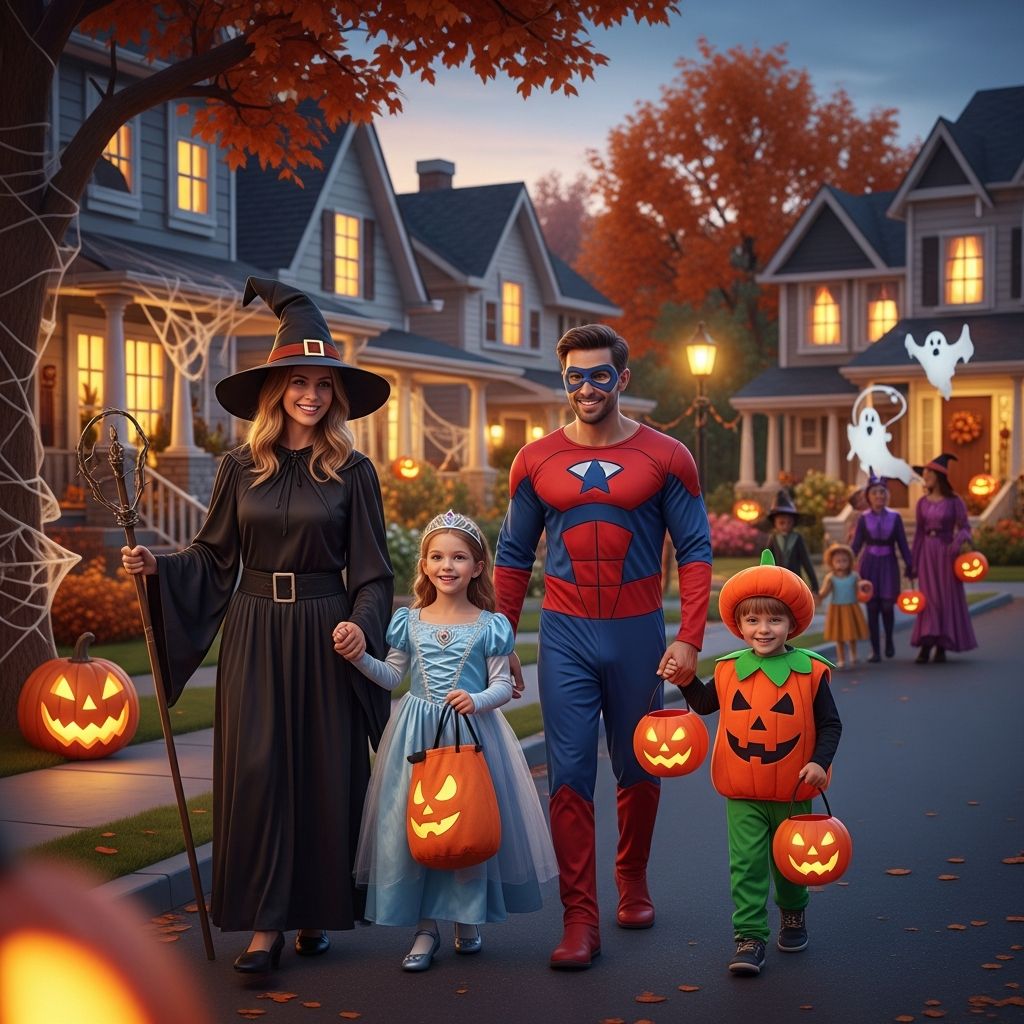
Costumes set the festive mood, yet they must allow free movement and clear sight. Opt for outfits labeled flame-resistant to minimize fire risks near decorations or lights. Ensure proper fit to avoid trips from dragging hems or loose parts; tied shoelaces and snug clothing help maintain balance during energetic evenings.
Face paint offers a safer alternative to masks, which can block vision and lead to mishaps. Test non-toxic makeup on a small skin patch beforehand to check for reactions, and remove it fully before bedtime to avoid irritation. Accessories like swords or props should be soft and lightweight, preventing injuries if children stumble.
- Select bright colors or add reflective tape and glow sticks for nighttime visibility.
- Choose hats that stay secure without slipping over eyes.
- Avoid decorative contact lenses unless prescribed by an eye professional.
These steps make costumes both thrilling and hazard-free, allowing kids to focus on fun.
Mastering Trick-or-Treat Routes
Pedestrian safety peaks in importance as dusk falls and crowds gather. Stick to sidewalks, crossing only at corners with signals and looking both ways repeatedly. Never dart between parked cars or from driveways, where drivers may not see short children.
Supervise young ones closely; children under 12 need adult accompaniment. Older kids should travel in groups on familiar, well-lit paths, with planned routes and return times. Put away devices to stay alert—no texting or music that distracts from traffic.
| Age Group | Supervision Level | Key Rules |
|---|---|---|
| Under 12 | Adult required | Hold hands, use crosswalks, stay on path |
| 12-15 | Group with check-ins | Familiar areas, flashlights, no running |
| 16+ | Planned independence | Share location, eye contact with drivers |
Plan earlier events if possible to align with bedtimes and brighter conditions.
Decorating Pumpkins Without Danger
Pumpkin carving captivates families, but knives demand adult control. Let children design faces with markers and scoop insides with spoons, while grown-ups handle cuts. This division keeps fingers safe and creativity high.
Illuminate creations with battery-operated lights or glow sticks instead of flames, reducing fire chances. Position jack-o’-lanterns away from paths to prevent bumps or spills. Sweep leaves and fix lighting on steps for slip-free access.
- Draw designs collaboratively before carving.
- Use stable surfaces for pumpkins.
- Opt for votive candles if real flames are necessary, kept distant from fabrics.
Such practices turn a potential risk into a bonding tradition.
Prepping Homes for Visitors
Host homes buzz with activity, so clear yards of obstacles like hoses or toys. Illuminate porches and paths, replacing burnt bulbs promptly. Secure pets indoors to avoid jumps or bites amid the chaos.
Restrain decorations from swaying into walkways. For treat stations, signal allergy awareness with a teal pumpkin for non-food options like stickers, easing worries for sensitive guests. Only light-up houses with porch lights invite visitors safely.
Drivers at home: slow down, scan for pedestrians, and avoid distractions, as Halloween sees heightened child traffic.
Handling Candy Wisely
Candy hauls excite, but inspect each piece at home. Discard unwrapped, homemade, or suspect items. No eating en route prevents choking, especially for allergy-prone or young eaters.
Ration treats over days with family rules: pair pieces with meals or trades for toys. Avoid hard candies, nuts, or gum for toddlers due to choking risks; prefer wrapped soft options. Teal pumpkin hosts aid inclusivity with safe alternatives.
- Sort candy together as a post-trick-or-treat ritual.
- Set daily limits to promote healthy habits.
- Offer non-edible swaps for excess loot.
Driver Vigilance on Halloween
Streets fill with costumed walkers, demanding extra caution from motorists. Reduce speed in neighborhoods, watch for groups emerging suddenly, and yield to pedestrians. Enter driveways slowly, alert for hidden children.
Parked cars hide trick-or-treaters, so scan mirrors and blind spots. Sobriety is non-negotiable—designate drivers early. These habits cut accident risks on this high-pedestrian night.
Empowering Kids Against Risks
Teach boundary-setting: say no to strangers urging separation or private spots. Practice phrases like “I stay with my group” for confidence. Review plans: who, where, when.
Visibility boosts include group travel and lights. Familiar zones minimize unknowns, fostering secure independence.
Frequently Asked Questions
What age can kids trick-or-treat alone?
Children under 12 need adults; mature 12+ can group up in known areas with rules and check-ins.
Are face masks safe for costumes?
Prefer paint over masks for vision; ensure any mask fits without blocking eyes or breath.
How to light pumpkins safely?
Use flameless LEDs or glow sticks; keep real candles distant from paths and flammables.
What treats suit allergic kids?
Offer stickers, toys via teal pumpkin; inspect all candy at home.
Driver tips for Halloween night?
Slow down, scan for kids, no distractions, yield in neighborhoods.
Implementing these strategies creates joyful, protected Halloween memories. From costume tweaks to route planning, small efforts yield big safety gains for families everywhere.
References
- Safety Tips for a Frightfully Fun Halloween — Central Pediatrics. Accessed 2026. https://www.cpcmg.net/safety-tips-for-a-frightfully-fun-halloween/
- Halloween Fun & Safety Tips for Kids of All Ages — American Academy of Pediatrics. Accessed 2026. https://www.healthychildren.org/English/safety-prevention/all-around/Pages/Halloween-Safety-Tips.aspx
- Halloween Safety Tips — Safe Kids Worldwide. Accessed 2026. https://www.safekids.org/tip/halloween-safety-tips
- Halloween & Costume Safety: Tips for Trick-or-Treaters — University Health. Accessed 2026. https://www.universityhealth.com/blog/halloween-and-costume-safety
- Keep Your Child Safe: Halloween — New York Department of State. Accessed 2026. https://dos.ny.gov/keep-your-child-safe-halloween
- No Tricks, Just Treats: Halloween Safety Tips for a Fright-Free Night — National Center for Missing & Exploited Children. 2025. https://www.missingkids.org/blog/2025/no-tricks-just-treats-halloween-safety-tips-for-a-fright-free-night
- Simple Steps for an Extra Safe Halloween — National Safety Council. Accessed 2026. https://www.nsc.org/community-safety/safety-topics/seasonal-safety/autumn-safety/halloween
- Halloween Safety Tips for Drivers, Pedestrians, More — National Highway Traffic Safety Administration. Accessed 2026. https://www.nhtsa.gov/halloween-safety-tips