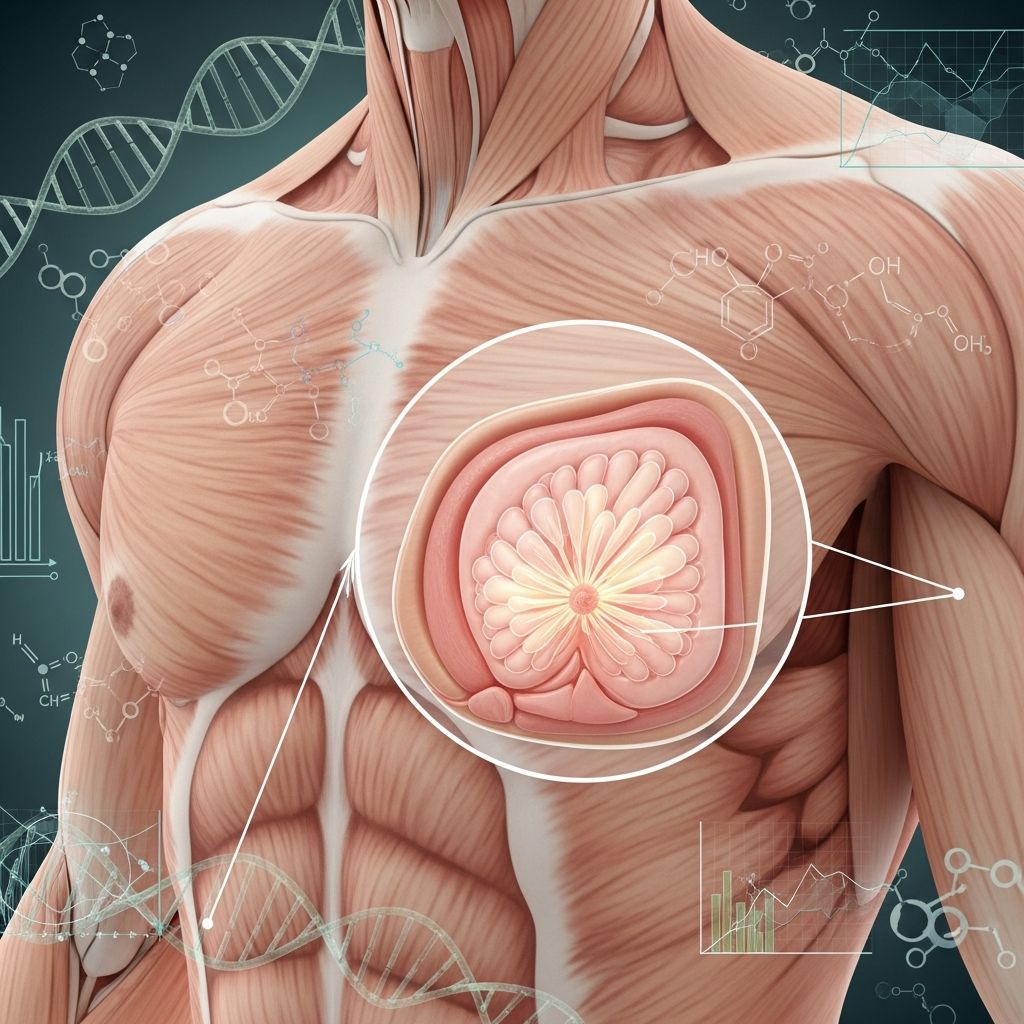
Male breast enlargement, medically termed **gynecomastia**, arises primarily from an imbalance where estrogen promotes breast tissue growth while testosterone suppresses it. This condition affects males across all ages, from newborns to seniors, often resolving naturally but sometimes requiring intervention.
The Biology of Breast Tissue in Males
All males possess rudimentary breast tissue capable of growth under specific conditions. Estrogen stimulates glandular proliferation, whereas androgens like testosterone exert inhibitory effects. An equilibrium typically prevents enlargement, but disruptions tip the scale toward development. For instance, increased estrogen production, heightened breast sensitivity to estrogen, or diminished testosterone action can initiate changes.
Distinguishing gynecomastia from pseudogynecomastia is crucial: the former involves glandular expansion, often tender and centered under the nipple, while the latter stems from adipose accumulation due to obesity. Pubertal cases affect over 50% of boys, usually self-resolving within two years as hormones stabilize.
Hormonal Shifts Across Life Stages
Hormonal fluctuations mark key life phases prone to gynecomastia.
- Newborns: Maternal estrogen exposure causes transient enlargement in 60-90% of male infants, fading within weeks.
- Puberty: Surging hormones lead to temporary breast growth in half of boys aged 10-16, resolving as testosterone dominates.
- Aging: Men over 50 experience declining testosterone (andropause), relative estrogen excess, and fat-driven aromatase activity, amplifying risk.
Obesity exacerbates this in adults by converting testosterone to estrogen via aromatase in fat cells, blending glandular and fatty enlargement.
Medications That Disrupt Hormone Balance
Numerous pharmaceuticals alter estrogen-androgen dynamics, inducing gynecomastia.
| Medication Category | Examples | Mechanism |
|---|---|---|
| Anti-androgens/Prostate Treatments | Spironolactone, GnRH analogs | Block testosterone or boost estrogen effects |
| Cardiovascular Drugs | Calcium channel blockers, digoxin | Alter hormone metabolism or receptor binding |
| Others | Antibiotics, antidepressants, opioids | Hormone level changes or sensitivity shifts |
Anabolic steroids, popular among bodybuilders, suppress natural testosterone post-cycle, causing rebound estrogen dominance and breast growth. Reviewing medications is essential for older men, where polypharmacy heightens risk.
Underlying Medical Conditions
Chronic illnesses frequently underlie persistent gynecomastia by impairing hormone production or metabolism.
- Liver Disease: Cirrhosis disrupts estrogen clearance, elevating levels.
- Kidney Failure/Dialysis: Metabolic stress and meds lower testosterone.
- Thyroid Disorders: Hyperthyroidism boosts androgen-to-estrogen conversion.
- Hypogonadism/Klinefelter Syndrome: Primary testicular failure reduces testosterone.
- Tumors: Testicular, adrenal, or pituitary neoplasms secrete estrogen or hCG.
These conditions demand targeted evaluation, as treating the root cause may reverse early glandular changes before fibrosis sets in.
Lifestyle and Substance Influences
Non-medical factors significantly contribute.
- Obesity: Aromatase in adipose tissue aromatizes testosterone to estrogen; weight loss often mitigates pseudogynecomastia but may leave glandular remnants.
- Alcohol/Recreational Drugs: Excessive intake impairs liver function and testosterone synthesis; marijuana, amphetamines, heroin disrupt balance.
Endocrine disruptors in environment or products may play minor roles, though evidence is emerging.
Recognizing Symptoms and When to Seek Help
Gynecomastia presents as rubbery or firm tissue under the areola, potentially tender or painful, unilateral or bilateral. Red flags include rapid onset, asymmetry, nipple discharge, or systemic symptoms like fatigue or weight loss, warranting prompt medical review to exclude malignancy.
Diagnosis involves history, exam, hormone assays (testosterone, estradiol, LH, FSH, hCG, prolactin), and imaging if tumors suspected. Ultrasound differentiates glandular from fatty tissue.
Management and Treatment Options
Approach depends on duration, cause, and symptoms.
- Observation: Ideal for pubertal or early physiological cases.
- Address Underlying Issues: Stop offending meds, treat diseases, lose weight.
- Medications: Tamoxifen or aromatase inhibitors for recent-onset; less effective for chronic fibrosis.
- Surgery: Liposuction for fatty excess, excision for glandular tissue; common for persistent cosmetic concerns.
Early intervention prevents irreversible fibrosis, improving outcomes.
Frequently Asked Questions (FAQs)
Is gynecomastia a sign of breast cancer in men?
Rare, but possible; evaluation needed for unilateral, hard masses or discharge. True gynecomastia is typically bilateral and benign.
Does exercise alone fix gynecomastia?
Chest workouts reduce fat but not glandular tissue; combine with weight loss and medical advice.
How common is gynecomastia in teenagers?
Over 50% experience it transiently during puberty.
Can gynecomastia resolve without treatment?
Yes, especially physiological types; monitor for 1-2 years.
Does stopping steroids reverse gynecomastia?
Often partially, but persistent cases may require therapy or surgery.
Prevention Strategies for Men’s Chest Health
Maintain healthy weight to curb estrogen production. Limit alcohol and avoid illicit drugs/steroids. Regular check-ups for at-risk groups (older men, chronic illness) aid early detection. Balanced nutrition supports hormone health.
Understanding gynecomastia demystifies a common yet stigmatized issue, empowering men to address it proactively.
References
- Gynecomastia Causes: Why Male Breast Tissue Enlarges — Dr. Sukkar. 2023. https://www.drsukkar.com/blog/gynecomastia-causes/
- Underlying Causes of Male Breasts — Brooks Plastic Surgery. 2023. https://www.brooksplasticsurgery.com/blog/underlying-causes-of-male-breasts
- Gynecomastia: Understanding Male Breast Enlargement — Michelle J. Plastic MD. 2023. https://www.michellejplacemd.com/blog/gynecomastia-understanding-male-breast-enlargement/
- Breast enlargement in males | Health Encyclopedia — HealthFinder FL Gov (.gov). 2024. https://quality.healthfinder.fl.gov/health-encyclopedia/HIE/1/003165
- Gynecomastia: Etiology, Diagnosis, and Treatment – Endotext — NCBI Bookshelf (.gov). 2023-05-01. https://www.ncbi.nlm.nih.gov/books/NBK279105/
- Causes and Treatments for Gynecomastia in Older Men — Glassman Plastic Surgery. 2023. https://www.glassmanplasticsurgeryny.com/blog/causes-and-treatments-for-gynecomastia-in-older-men/