When kids and teens are still growing, their bones are not the same as adult bones. Deep inside the ends of many bones are tiny zones of active growth called growth plates. These areas make childhood injuries different, and sometimes more serious, than similar injuries in adults.
What Exactly Is a Growth Plate?
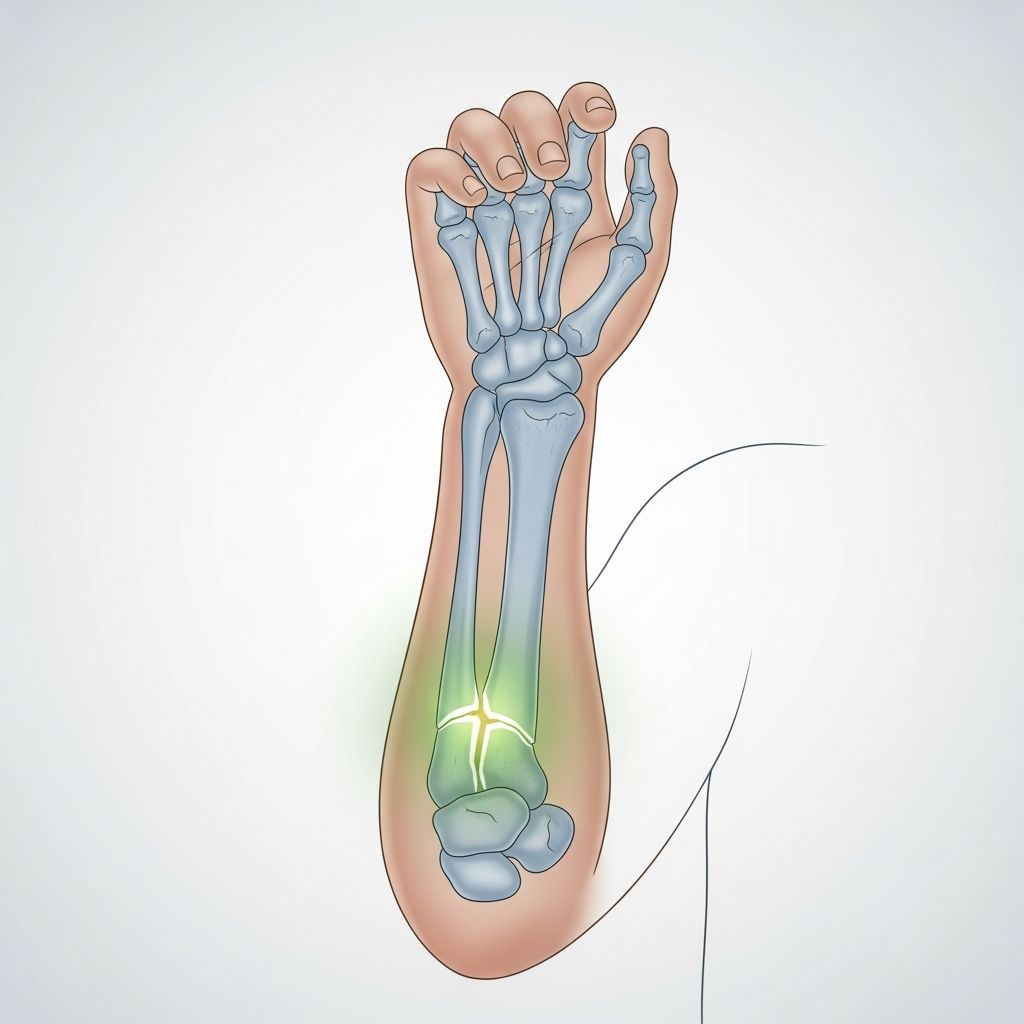
A growth plate is a small section of softer tissue located near the ends of long bones, such as those in the arms, legs, hands, and feet. Instead of being hard bone, this area is made of cartilage that gradually turns into bone as a child matures.
Each long bone usually has at least two growth plates—one at each end—which are responsible for most of the lengthening of that bone during childhood and adolescence. Once growth is complete, the plates close and are replaced by solid bone.
- Growth plates control how long and what shape a bone will become.
- They are softer and more vulnerable to injury than surrounding ligaments and tendons.
- Injuries in this area can affect the future length or alignment of the bone.
Why Children Get Growth Plate Injuries (But Adults Don’t)
Adults no longer have open growth plates, so a force that might cause a sprain in an older person can create a growth plate injury in a child. The growing tissue is simply the weakest part of a child’s bone-and-joint system.
Because the growth plates are working constantly, they are sensitive not only to sudden trauma but also to repetitive stress. Children who are physically active or involved in organized sports are especially likely to experience this kind of injury.
Common Causes
- Falls and collisions: Playground accidents, bike crashes, or contact in sports like football or soccer.
- Twisting or impact injuries: Awkward landings from a jump or a sudden change in direction.
- Overuse: Repetitive motions such as pitching, distance running, or gymnastics routines.
- High-energy trauma: Motor vehicle accidents or serious falls from a height.
- Medical conditions: Less commonly, certain infections or disorders that weaken bone and cartilage.
Where Growth Plate Injuries Happen Most Often
Growth plates exist in many bones, but some areas are injured more often than others. These tend to be locations where kids are very active and where falls or impacts are common.
| Body Region | Bone / Area | Typical Activities Linked to Injury |
|---|---|---|
| Wrist and hand | Radius, ulna, finger bones | Catching falls, ball sports, playground accidents |
| Lower leg | Tibia and fibula near knee or ankle | Running, jumping, ski or skateboard falls |
| Foot | Metatarsals, heel area | Running sports, gymnastics, dance |
| Elbow | Distal humerus and forearm | Throwing sports, falls on an outstretched arm |
| Hip and knee | Upper femur, lower femur, upper tibia | High-impact collisions, contact sports, overuse during growth spurts |
How Growth Plate Injuries Are Classified
Doctors often describe growth plate fractures using classification systems that help predict how serious the injury is and how likely it is to affect future growth. The simplest injuries involve just the growth plate, while more complex ones extend into the surrounding bone or joint.
Although the medical terminology can be detailed, what matters most to parents is whether the fracture is stable, whether the bone pieces have shifted out of place, and whether the joint surface is involved. Those factors guide the type of treatment and follow-up needed.
- Minor injuries may look like a sprain but still affect the growth plate.
- More serious injuries can cause the bone to shift, shorten, or grow at an angle.
- In some cases, surgery is required to realign and protect the growth area.
Warning Signs Parents Should Watch For
Because the growth plate is hidden inside the bone, you cannot see the injury directly. Symptoms may resemble a sprain, which is why it is easy to underestimate the problem. If a child continues to complain of pain, it is safer to have a medical professional evaluate the injury.
Common Symptoms
- Pain at the end of a bone, especially near a joint.
- Swelling, warmth, or redness around the injured area.
- Tenderness when the area is touched or pressed.
- Trouble using the limb, such as limping, refusing to walk, or avoiding moving an arm.
- Visible deformity or a limb that looks crooked or shorter than the other side.
- Pain that does not improve after a day or two of rest and simple care.
If your child cannot bear weight, move a limb, or continues to have significant pain after an injury, prompt medical care is essential.
How Doctors Diagnose Growth Plate Injuries
Evaluation usually starts with a detailed history and a physical exam. The doctor will ask how the injury happened, where the pain is located, and whether the child has had similar problems before. The exam checks for tenderness, swelling, alignment, and how well the nearby joint moves.
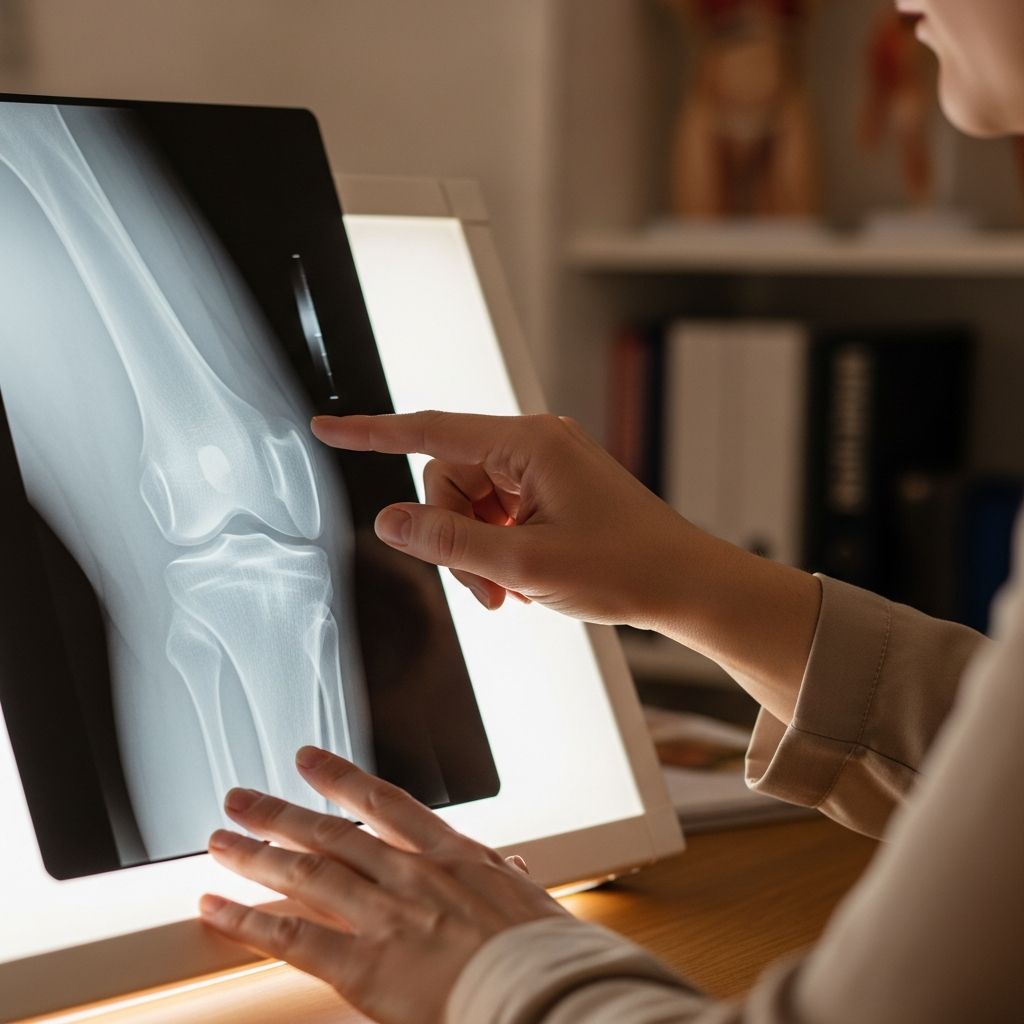
Imaging tests are often needed to confirm a growth plate injury and to see how much of the plate is involved. X-rays are most common, but in some cases advanced imaging is used for a clearer picture.
Typical Diagnostic Tools
- X-rays: Show the bone, overall alignment, and some types of growth plate fractures.
- MRI: Provides detailed images of cartilage and soft tissue when X-rays are unclear.
- CT scan: Offers a 3D view for complex fractures, especially near joints.
- Comparison views: Sometimes images of the uninjured side help reveal subtle changes.
Treatment Options: From Splints to Surgery
Treatment for a growth plate injury depends on the site, type of fracture, and whether the bone ends have shifted. The main goals are to relieve pain, restore proper alignment, protect the growth plate, and allow normal growth to continue.
Non-Surgical Care
- Immobilization: A cast, splint, or brace keeps the bone still while it heals.
- Pain management: Ice, elevation, and medications recommended by the doctor help control discomfort.
- Activity changes: Temporary limits on sports and high-impact play protect the healing area.
When Surgery Is Needed
Some injuries cause the bone to shift out of alignment or break into several pieces. In these cases, surgery may be required to carefully reposition the bone and hold it in place with pins, screws, or other hardware while the growth plate heals.
- Surgery is more likely if the joint surface is uneven or if the bone is badly displaced.
- Care is taken to avoid damaging the growth plate during the procedure.
- Follow-up visits track healing progress and ongoing growth.
Healing Time and Recovery
Children usually heal faster than adults, and many growth plate injuries mend within several weeks. However, recovery is not only about the bone knitting together; it also involves regaining strength, flexibility, and normal movement patterns.
What to Expect During Recovery
- Initial rest and immobilization for a few weeks, depending on the injury.
- Gradual return to movement, often with stretching and strengthening exercises.
- Possible physical therapy for more serious injuries or when joints become stiff.
- Repeated checkups and sometimes periodic X-rays to confirm the bone is growing normally.
Parents play an important role by helping their child follow activity restrictions, attend follow-up appointments, and communicate any new pain or changes in limb appearance.
Possible Long-Term Effects
Most growth plate injuries heal without causing long-term problems. However, a small number can interfere with normal bone growth, particularly if the plate is crushed, badly displaced, or damaged by infection.
Potential complications include a limb that grows more slowly, stops growing, or grows at an angle. These changes may become more obvious over time as the child continues to grow.
Signs That Growth May Be Affected
- One arm or leg appears noticeably shorter than the other.
- A limb gradually starts to angle inward or outward.
- Persistent pain around the old injury site after full healing.
- New problems with balance, walking, or joint motion.
Early detection allows specialists to consider procedures that can guide or correct growth, such as removing a small block of scar tissue, using guided growth techniques, or in rare cases, performing corrective surgery.
Helping Your Child Avoid Growth Plate Injuries
No activity is completely risk-free, but parents and young athletes can lower the chances of growth plate injuries with a few practical strategies. Preventive habits also promote general bone and joint health, which benefits kids throughout their growing years.
Prevention Tips
- Encourage proper warm-up and stretching before sports or intense physical activity.
- Make sure protective gear—such as helmets, wrist guards, and pads—fits well and is used consistently.
- Promote variety in sports instead of year-round specialization in a single activity at a young age.
- Support regular rest days and off-seasons to reduce overuse injuries.
- Teach kids to speak up about pain instead of pushing through it, especially around joints.
- Ensure adequate nutrition, including calcium and vitamin D, and regular physical activity for strong bones.
When to Seek Immediate Medical Care
Some injuries can be monitored at home for a short period, but certain warning signs mean a child should be evaluated right away. Ignoring these signs can increase the risk of long-term problems, including permanent changes in limb length or alignment.
Red Flags Not to Ignore
- Severe pain, especially if it worsens with movement.
- Inability to walk, stand, or use the affected limb.
- Visible deformity, such as a bent or twisted arm or leg.
- Significant swelling or bruising around a joint.
- Numbness, tingling, or pale, cool skin below the injury.
- Pain that does not improve with rest and simple home care within 24–48 hours.
Frequently Asked Questions
Are growth plate injuries always serious?
Not every growth plate injury leads to long-term problems. Many are mild and heal completely with proper treatment. However, because these injuries involve the area responsible for bone growth, they should never be ignored or dismissed as a simple sprain without evaluation.
Will my child need surgery?
Most children with growth plate injuries do not need surgery. A cast, splint, or brace is often sufficient when the bone pieces are still in good alignment. Surgery is considered when the bone has shifted significantly, when the joint surface is uneven, or when the injury is unlikely to heal correctly without internal support.
How long before my child can play sports again?
Return-to-sport timing varies depending on the location and severity of the injury. Many children can resume normal activities in several weeks, while more complicated injuries may take a few months. Clearance from the treating provider is important to avoid reinjury.
Can a growth plate injury stunt my child’s growth?
Some severe injuries can partially or completely slow growth in the affected bone. Fortunately, this is relatively rare, and regular follow-up visits help identify problems early. If growth is affected, specialists may recommend treatments to improve alignment or compensate for differences in limb length.
Is it safe for my child to keep playing sports after a growth plate injury?
In most cases, yes. After proper healing and medical clearance, children can safely return to sports with some extra attention to conditioning, technique, and rest. Emphasizing good form, cross-training, and honest communication about pain can help prevent future injuries.
Understanding growth plate injuries empowers parents to respond quickly, support healing, and protect their child’s long-term growth. When in doubt, professional evaluation is the safest choice for a growing skeleton.