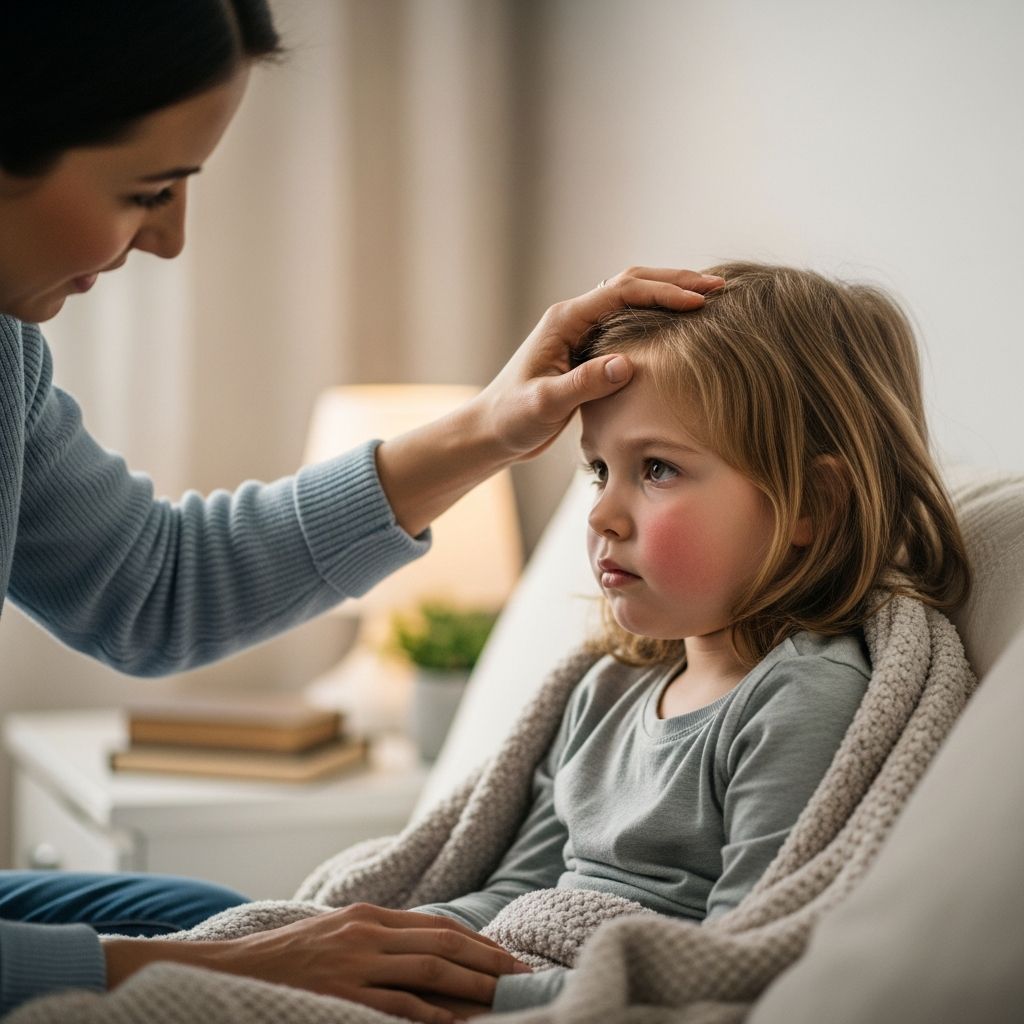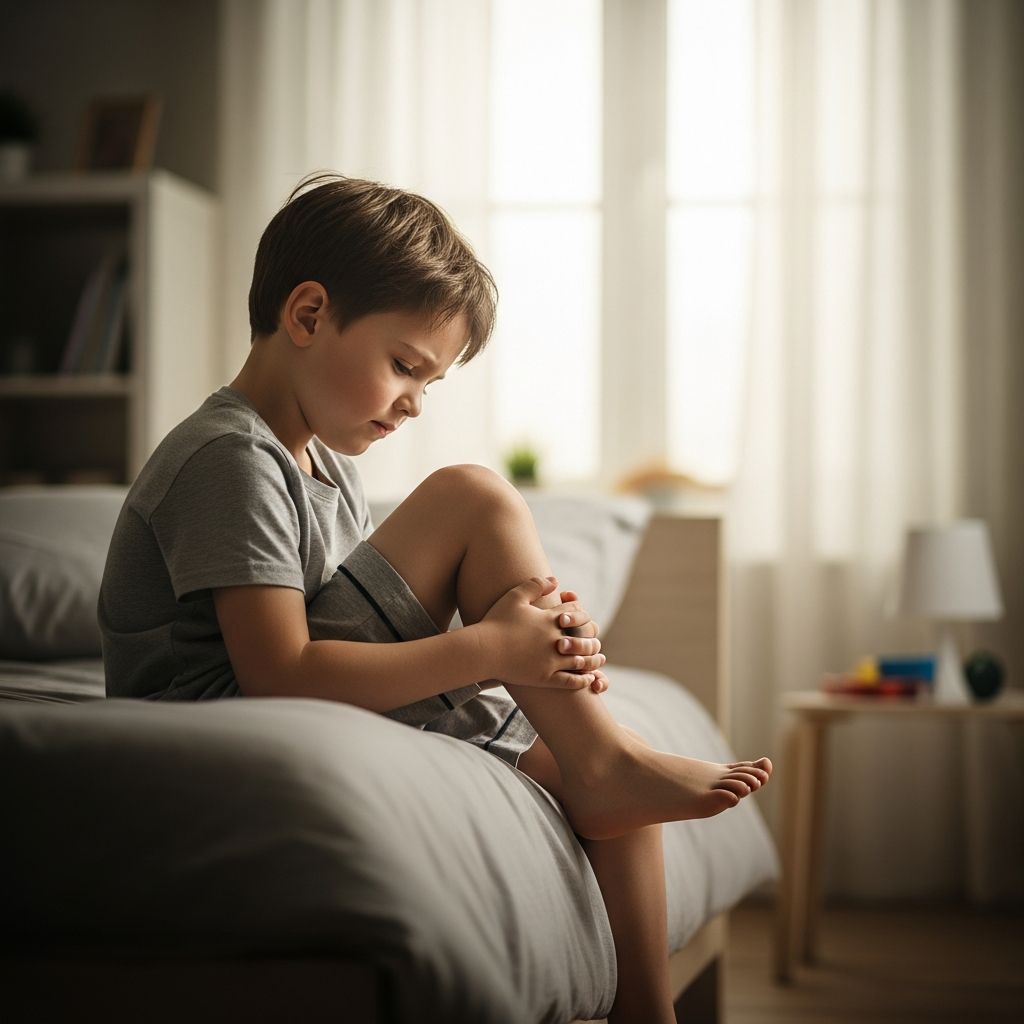
Growing pains refer to common, benign leg discomfort experienced by many children, typically occurring in the evening or night and resolving by morning without impacting daily activities.
Common Characteristics of Growing Pains
These episodes primarily affect children aged 3 to 12 years, with peaks between 3-5 and 8-12 years, impacting boys and girls equally. The discomfort manifests as aching, throbbing, or cramping sensations in the muscles of both legs, often in the calves, thighs, shins, or behind the knees, sparing the joints.
Pain intensifies late afternoon through nighttime, sometimes disrupting sleep, but vanishes by morning, allowing normal play and movement without limping. Occasionally, arms or headaches may be involved, but persistent daytime pain or unilateral symptoms warrant attention.
Debunking the Growth Myth
Despite the name, growing pains do not stem from bone growth spurts, as bones elongate slowly without causing pain. Instead, they likely arise from daily muscle fatigue after active play, running, or climbing.
Potential Contributing Factors
Several theories explain these aches:
- Muscle Overuse: Increased physical activity leads to tired muscles, especially after vigorous days.
- Postural Issues: Flat feet, inward rolling, or awkward postures strain supporting muscles.
- Emotional Stress: Anxiety or upset can amplify pain perception.
- Lower Pain Threshold: Some children feel pain more intensely.
- Nutritional Factors: Low vitamin D may weaken bones, contributing to discomfort.
- Genetic Predisposition: Family history increases likelihood.
- Joint Hypermobility: Loose joints heighten risk.
These factors often combine, with symptoms waxing and waning over months or years, usually resolving by mid-adolescence.
Home-Based Relief Strategies
Most cases need no medical intervention, but these approaches ease discomfort:
- Massage the affected areas gently before bed.
- Apply warmth via baths, heating pads, or warm towels.
- Stretch legs lightly, focusing on calves and thighs.
- Use over-the-counter pain relievers like ibuprofen or paracetamol if needed, per age-appropriate dosing.
- Encourage proper posture and supportive shoes.
- Ensure adequate rest after active days and sufficient vitamin D intake.
Consistent routines, like evening stretches or warm baths, prevent episodes for many families.
Distinguishing from Serious Conditions
While harmless, similar symptoms can signal issues like arthritis, infections (e.g., osteomyelitis), viral illnesses, or structural problems (e.g., knock knees). Consult a doctor if:
| Red Flag Symptom | Why It Matters |
|---|---|
| Pain in one limb only | May indicate injury or infection. |
| Daytime persistence or limping | Suggests joint or bone issues. |
| Fever, rash, swelling, redness | Points to infection or inflammation. |
| Weight loss, appetite loss | Could signal systemic illness. |
| Morning stiffness | Common in arthritis. |
| Pain during activity/exercise | Not typical for growing pains. |
Early evaluation rules out rarities like juvenile idiopathic arthritis or restless legs syndrome, which overlaps symptomatically.
Prevalence and Long-Term Outlook
Affecting up to one-third of children, growing pains are transient, self-resolving without growth impact. Girls may experience slightly more in some studies. Tracking patterns helps parents reassure children it’s normal.
Nutritional and Lifestyle Support
Boosting vitamin D through sunlight, diet (fatty fish, fortified milk), or supplements if deficient aids bone health and may reduce pains. Balanced activity—vigorous play balanced with rest—prevents overuse. Emotional support, like bedtime stories, mitigates stress-related flares.
Expert Insights from Pediatric Sources
Authorities like Cleveland Clinic note aches are real but misnamed, often familial. HSS emphasizes no inflammation signs. NHS confirms muscle-specific, bilateral nighttime throbbing. Scottish Rite highlights multifactorial risks including flat feet and hypermobility.
Frequently Asked Questions (FAQs)
At what age do growing pains typically start and end?
They commonly begin at 3-5 or 8-12 years, fading by early teens.
Can growing pains affect arms or cause headaches?
Yes, though legs are primary; headaches occur occasionally.
Daily Management Tips for Parents
- Observe patterns: Note activity levels preceding pains.
- Implement evening rituals: Bath, stretch, massage sequence.
- Monitor diet: Ensure calcium, vitamin D for musculoskeletal health.
- Reassure child: Explain it’s common and temporary.
- Track symptoms: Log for doctor visits if persistent.
By understanding these patterns, parents empower proactive care.
Psychological Aspects of Childhood Aches
Children may fear recurrence; open discussions normalize experiences. For sensitive kids, mindfulness or relaxation techniques before bed help. Parental calm influences child response.
Comparative Overview of Pain Types
| Feature | Growing Pains | Serious Conditions |
|---|---|---|
| Timing | Night, resolves morning | Anytime, persistent |
| Location | Bilateral muscles | Unilateral, joints |
| Activity Impact | None | Limping, stiffness |
| Associated Signs | None | Fever, swelling |
This table aids quick differentiation.
Growing pains, though uncomfortable, reassure parents of normal development when distinguished properly. Vigilance ensures timely intervention for anomalies.
References
- Growing pains | Better Health Channel — Better Health Channel, Victoria Government. 2023. https://www.betterhealth.vic.gov.au/health/healthyliving/growing-pains
- Growing Pains in Kids: Symptoms & Causes — Cleveland Clinic. 2023-10-24. https://my.clevelandclinic.org/health/diseases/13019-growing-pains
- What Are Growing Pains? — Hospital for Special Surgery (HSS). 2024. https://www.hss.edu/health-library/conditions-and-treatments/list/growing-pains
- Growing Pains: 5 Common Questions Answered — Scottish Rite for Children. 2023. https://scottishriteforchildren.org/growing-pains-5-common-questions-answered/
- Growing pains — NHS. 2023. https://www.nhs.uk/conditions/growing-pains/
- Is it Growing Pains or Something More? — Seattle Children’s Hospital. 2023. https://www.seattlechildrens.org/healthy-tides/is-it-growing-pains-or-something-more/