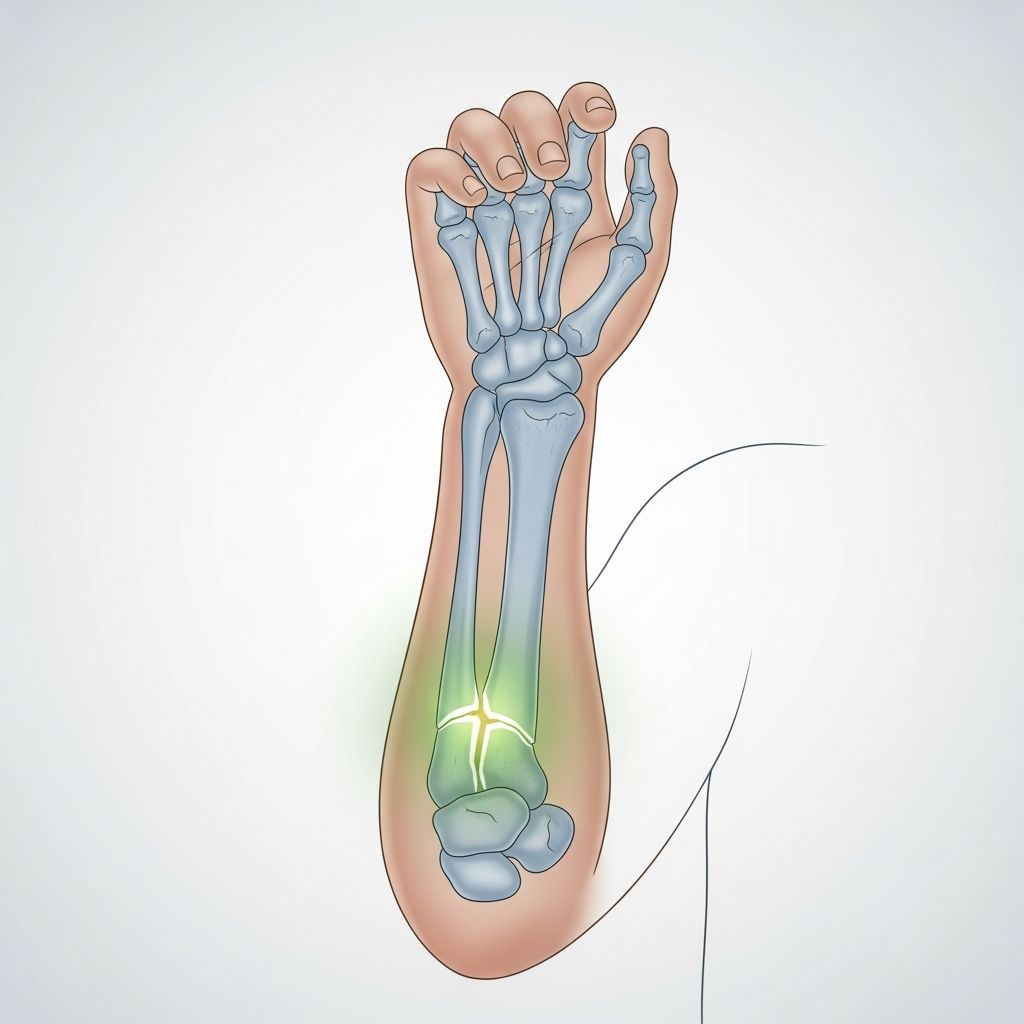
Childhood is full of running, climbing, jumping, and the occasional tumble. Most bumps and bruises heal quickly, but sometimes a fall leads to a specific kind of broken bone seen mainly in children, called a greenstick fracture. Understanding this injury helps parents stay calm, make good decisions, and support their child’s recovery with confidence.
What Is a Greenstick Fracture?
A greenstick fracture is a type of partial break in a bone. Instead of snapping into two separate pieces, the bone bends and cracks on one side while the other side stays intact. This pattern is similar to bending a fresh, green twig: one side splinters and the other side simply curves.
This kind of fracture appears most often in the long bones of the arms and legs, especially the forearm. Because the bone is not completely broken, children may still move the injured limb slightly, which can make the injury easy to underestimate.
Why Greenstick Fractures Happen Mostly in Kids
Children’s bones are not just smaller versions of adult bones. They are softer, more flexible, and still growing. This flexibility makes them less likely to break completely but more likely to bend and crack on one side.
- Growing bones: Kids have growth plates and a thicker outer covering of bone, which allows bending under stress.
- High activity levels: Running, jumping, sports, and playground play all increase the chances of falls and direct blows.
- Developing coordination: Younger children, in particular, may misjudge heights, speeds, or distances, which leads to awkward landings.
Because of this unique combination of flexible bones and active lifestyles, greenstick fractures are most common in school-age children and are rarely seen in healthy adults.
Common Causes and Risk Situations
Greenstick fractures usually result from a bending force applied to a long bone. In everyday life, this happens in a few predictable ways.
Typical Causes
- Falls onto an outstretched hand: A child reaches out to catch themselves when they trip, putting sudden pressure on the forearm.
- Playground accidents: Falling from monkey bars, slides, swings, or climbing structures.
- Sports injuries: Collisions, tackles, or falls during sports like soccer, basketball, gymnastics, or skating.
- Bike and scooter crashes: Losing balance, especially without proper protective gear.
- Direct blows: Being struck on the arm or leg by heavy objects or during contact play.
Factors That May Increase Risk
- Low bone strength from poor nutrition or vitamin D deficiency.
- Lack of protective equipment during higher-risk sports.
- Cluttered or unsafe play environments at home or school.
How to Recognize a Possible Greenstick Fracture
Signs of a greenstick fracture can be subtle, especially if the bend in the bone is not very obvious. Still, most children will show at least one of the following changes after a fall or blow.
Common Symptoms
- Pain at the site of injury, especially when the area is touched or moved.
- Swelling or puffiness around the injured area.
- Bruising or discoloration of the skin.
- Tenderness when you gently press along the bone.
- Stiffness or reduced ability to move the limb normally.
- A visible bend or slight deformity in the arm or leg.
- Reluctance to use the affected arm or to walk or bear weight.
Sometimes the child can still move the limb and may insist it is “not that bad.” Persistent pain, noticeable swelling, or any bend in the bone is enough reason to seek medical attention promptly.
When to Seek Emergency Care
Not every injury needs an emergency department visit, but certain warning signs mean your child should be evaluated urgently. When in doubt, it is safer to have a health professional check the injury.
Call Your Doctor or Go to Urgent/Emergency Care If:
- There is obvious deformity, such as a curved or angulated limb.
- Your child cannot move a joint above or below the injury.
- Severe pain does not improve with rest and gentle support.
- You notice numbness, tingling, or unusual coolness in fingers or toes.
- The skin is broken near the injury, or bone is visible.
- Pain and swelling increase rapidly after the incident.
For milder injuries that still cause ongoing pain or limping, schedule a prompt visit with your child’s pediatrician or an urgent care clinic experienced in caring for children.
How Doctors Diagnose Greenstick Fractures
Diagnosis starts with a careful history of what happened, followed by a physical examination. The clinician will look for swelling, tenderness, deformity, and how well your child can move the injured area.
Imaging Tests
Because bone injuries are not always obvious from the outside, imaging is often needed.
- X-rays: The most common first test, showing the bend and partial break in the bone.
- Additional views: Occasionally, images from different angles help clarify the exact pattern of the fracture.
- Advanced imaging (rarely needed): CT scans or MRIs may be used in unusual cases or when other structures need evaluation.
The goal of imaging is to confirm that the fracture is incomplete, to measure how much the bone is bent, and to check whether nearby joints or growth plates are affected.
Treatment Options for Greenstick Fractures
Treatment focuses on straightening the bone as needed and keeping it still while it heals. Because children’s bones remodel and heal quickly, most greenstick fractures recover fully with simple measures.
Typical Treatment Steps
- Pain control: Over-the-counter pain relievers recommended by your doctor help keep your child comfortable.
- Immobilization: A splint, cast, or sometimes a removable brace is used to keep the bone from moving while it heals.
- Reduction (straightening): If the bone is significantly bent, a clinician may gently realign it before applying the cast. This is often done with pain relief or sedation.
- Follow-up visits: Repeat X-rays and exams confirm that the bone stays in a good position as it heals.
Types of Immobilization
| Method | Typical Use | Key Features |
|---|---|---|
| Splint | Initial stabilization in clinic or emergency department | Partial support, allows for swelling; often replaced with a cast after a few days |
| Cast | Standard treatment for most greenstick fractures | Firm, full support; keeps the bone in position for several weeks |
| Removable brace | Selected, stable fractures or later stages of healing | Can be taken off briefly for hygiene or exercises, under medical guidance |
Surgery is seldom needed for a straightforward greenstick fracture. It may be considered only if the bone cannot be aligned well enough with non-surgical methods or if other injuries are present.
How Long Healing Takes
Children generally heal faster than adults. The exact healing time depends on the child’s age, the bone involved, and how severe the bend and crack are. Most greenstick fractures heal within a few weeks to a couple of months.
- Young children often heal in about 3–4 weeks for smaller bones like the forearm.
- Older children or fractures of larger bones may take 6–8 weeks or slightly longer.
During follow-up appointments, your child’s doctor will check pain levels, range of motion, and new X-rays to be sure the bone is healing straight and solid.
Caring for a Child in a Cast or Splint
Once you leave the clinic with a cast or splint, day-to-day care at home plays a big role in comfort and recovery. Simple routines help prevent skin problems and ensure the device works properly.
Cast and Splint Care Tips
- Keep the cast clean and dry; protect it during bathing with a plastic cover.
- Do not insert objects into the cast to scratch, even if the skin itches.
- Check fingers or toes for normal color, warmth, and sensation.
- Elevate the injured limb on pillows in the first few days to reduce swelling.
- Follow instructions about weight-bearing, lifting, or resting the limb.
- Contact your provider if you notice foul odor, soft spots, cracks, or worsening pain.
Children are often very curious about their casts. Explaining that the cast is like a “hard shell” that helps the bone grow strong again can make them more willing to protect it.
Helping Your Child Cope Emotionally
An injury can be frightening, particularly if your child ends up in an emergency department or must have X-rays and procedures. Emotional support is just as important as physical care.
- Stay calm and reassuring, using simple language to explain what is happening.
- Validate feelings such as fear, anger, or frustration about missing activities.
- Offer quiet games, books, and creative activities that do not stress the injured limb.
- Praise your child for cooperating with treatment and follow-up visits.
Keeping routines as normal as possible, with adjustments for comfort and safety, helps children adapt quickly to temporary limitations.
Returning to Sports and Play
Many children are eager to return to running, climbing, and contact sports as soon as pain fades. However, the bone needs time to regain full strength, even after the cast comes off.
- Follow your provider’s guidance on when your child can resume physical education and sports.
- Start with light activities and gradually build up intensity.
- Discourage high-impact play or contact sports until medical clearance is given.
Rushing back too soon can raise the risk of another injury to the same area, particularly while the bone is still remodeling and strengthening.
Potential Complications (And Why They Are Uncommon)
Most greenstick fractures heal very well with proper care, and long-term problems are rare. Still, it helps to understand possible complications so you know what to watch for and why follow-up visits matter.
Possible Issues
- Bone healing in a bent position: If the fracture is not lined up well, the bone may heal with a noticeable curve.
- Stiffness: Joints above or below the fracture can become stiff from lack of movement.
- Weakness: Muscles may lose strength while the limb is immobilized.
- Skin problems: Pressure sores or rashes beneath the cast, particularly if it gets wet.
Regular follow-up visits give the care team a chance to detect and correct problems early. In growing children, small misalignments can often improve over time as the bone remodels.
Prevention: Reducing the Risk of Future Fractures
No parent can prevent every fall, but small steps make injuries less likely and may reduce severity when accidents do happen. Focusing on safety and bone health is the best combination.
Safety Strategies
- Use properly fitted helmets, wrist guards, elbow pads, and knee pads for biking, skating, and similar activities.
- Teach children safe climbing and jumping techniques on playgrounds.
- Check play areas for hazards such as loose surfaces, sharp edges, and tripping risks.
- Encourage rules like “no pushing” on playground equipment and during active games.
Building Strong Bones
- Offer a balanced diet rich in calcium (dairy, fortified alternatives, leafy greens).
- Include sources of vitamin D through food, safe sun exposure, or supplements recommended by a doctor.
- Promote regular weight-bearing exercise like walking, running, and active play.
Quick Reference Summary
- Greenstick fractures are partial breaks where a bone bends and cracks on one side.
- They occur mainly in children, whose bones are more flexible and still growing.
- Falls onto an outstretched hand and playground or sports accidents are common triggers.
- Pain, swelling, tenderness, and a visible bend in the limb are key warning signs.
- Treatment usually involves a cast or splint, with excellent long-term outcomes.
Frequently Asked Questions (FAQs)
1. Is a greenstick fracture considered a “real” broken bone?
Yes. Even though the bone is not broken all the way through, a greenstick fracture is still a true fracture. The affected bone needs medical evaluation and proper stabilization so it can heal straight and strong.
2. Will my child have problems using the arm or leg in the future?
Most children recover fully and return to normal activities without lasting issues. Because kids’ bones remodel as they grow, small imperfections can improve over time. Long-term problems are uncommon when the injury is treated correctly and follow-up appointments are kept.
3. How painful is a greenstick fracture?
Pain levels vary. Some children experience significant pain at first, especially when the limb is moved, while others feel only moderate discomfort and stiffness. With proper immobilization and recommended pain medicine, most children are comfortable within a few days.
4. How can I tell the difference between a sprain and a greenstick fracture?
Sprains involve ligaments, while fractures involve bone. Unfortunately, symptoms such as pain, swelling, and trouble using the limb can look similar. If there is any deformity, persistent pain, or trouble bearing weight, it is safest to have a doctor evaluate the injury and obtain X-rays.
5. Can my child go to school with a cast?
In most cases, yes. Once pain is under control and your child feels well enough, returning to school is encouraged. Teachers and school staff should be informed of the injury and any activity restrictions, such as skipping sports or avoiding heavy lifting.
6. What should I do after the cast is removed?
After removal, the limb may look smaller and feel stiff or weak. Gentle use in everyday activities usually restores strength and motion over time. Your child’s doctor may recommend simple exercises or, in some cases, physical therapy for more complete recovery.
Remember, while this guide offers general information, it does not replace advice from your child’s own healthcare team. If you suspect any bone injury, seek professional care so your child can heal safely and return to the activities they love.