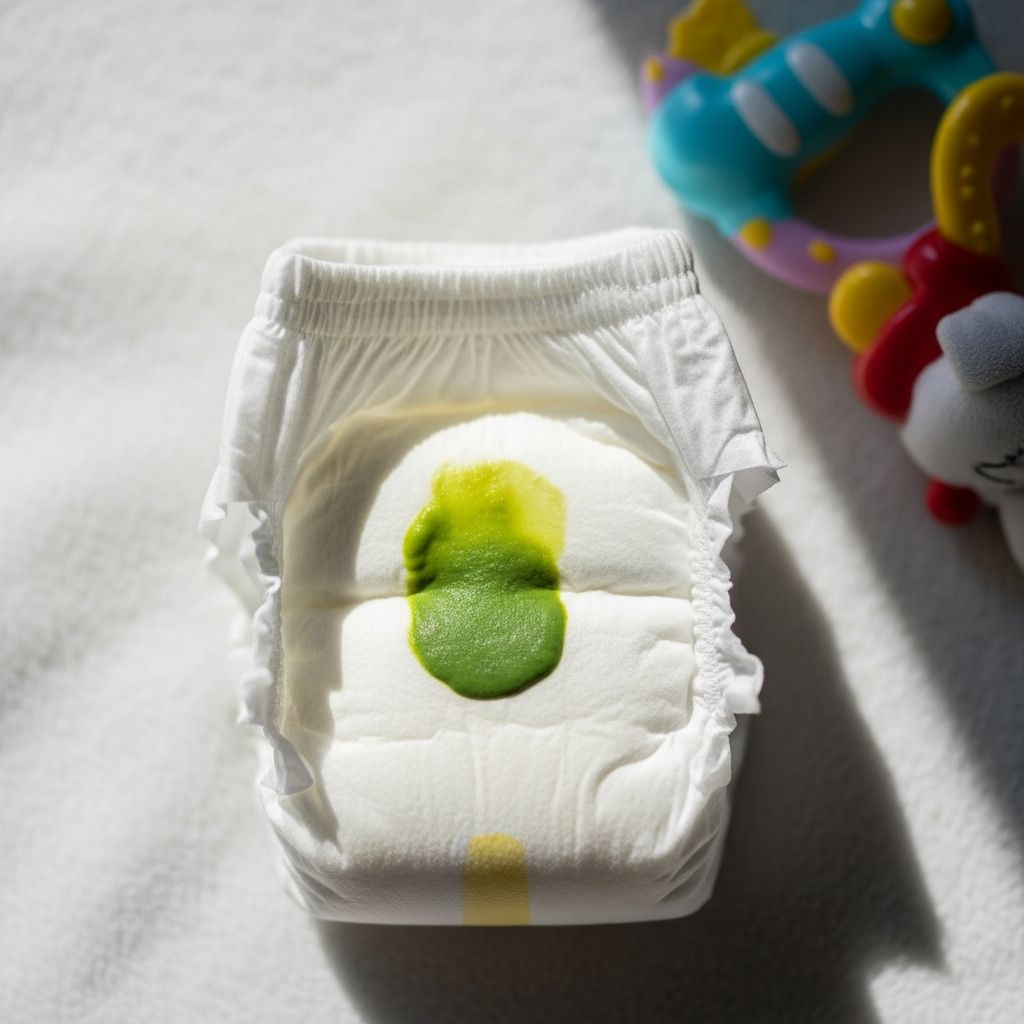
Observing changes in a child’s stool color can spark concern for any parent, especially when it turns green. While green poop in babies and toddlers is frequently benign, stemming from everyday factors like diet or rapid digestion, it sometimes points to underlying issues such as infections or allergies. This comprehensive guide breaks down the science behind stool coloration, explores primary causes, and outlines when to seek professional medical advice to ensure your little one’s digestive health.
The Science of Stool Color in Young Children
Stool color in infants and toddlers results from a combination of undigested food, bile—a digestive fluid produced by the liver—and gut bacteria processing waste. Normally, bile starts greenish but oxidizes to brown during transit through the intestines. When digestion accelerates or certain foods interfere, this process halts, leaving stools green. For newborns, the first stool, meconium, is dark green-black as the body clears amniotic fluid and intestinal debris. As feeding patterns evolve, colors shift: breastfed babies often produce yellow-seedy stools, while formula-fed ones yield tan or pale yellow varieties. Green hues emerge more prominently post-solids introduction or during tummy troubles.
Common Dietary Triggers for Green Poop
Diet plays the starring role in most green stool episodes. Foods rich in chlorophyll, the pigment giving plants their green vibrancy, directly tint waste. Parents often notice this after introducing spinach, kale, peas, or broccoli—vegetables packed with this compound that passes through the gut largely unchanged.
- Leafy greens: Spinach and kale overload the stool with chlorophyll, creating vivid green shades.
- Artificial dyes: Candies, frosted treats, or vibrant drinks with green food coloring mimic this effect, especially in toddlers exploring solids.
- Iron-fortified foods or formulas: These supplements, vital for preventing anemia, frequently darken or green stools as a harmless side effect.
To test this, maintain a food diary tracking meals against stool changes. Reducing high-chlorophyll items or dyes often restores normal color within days. For breastfed infants, maternal intake of green foods can indirectly influence baby poop via milk.
Rapid Digestion and Bile’s Role
Bile, essential for fat breakdown, gives stool its initial green tint. In healthy digestion, enzymes convert it to brown stercobilin. However, if contents rush through the intestines—common in teething phases or high-fiber diets—bile remains unmetabolized, yielding green poop. This ‘transit time’ mismatch explains many isolated green episodes without other symptoms. Dehydration exacerbates it by concentrating bile, while ample fluids promote steadier processing.
Health Conditions Linked to Green Stools
Beyond benign causes, green poop can signal digestive disruptions. Acute issues like viral gastroenteritis (norovirus, rotavirus) or bacterial invasions (Salmonella, E. coli) speed transit via diarrhea, preserving bile’s color. Parasites such as Giardia produce frothy, greasy green stools alongside bloating.
| Condition | Key Symptoms with Green Poop | Typical Duration |
|---|---|---|
| Viral Diarrhea | Watery stools, vomiting, mild fever | 1-3 days |
| Bacterial Infection | Bloody mucus, severe cramps, high fever | 3-7 days |
| Parasitic (Giardia) | Frothy stools, gas, weight loss | Weeks if untreated |
| Food Allergy/Intolerance | Rash, fussiness, chronic loose stools | Ongoing until trigger removed |
Chronic green stools might tie to cow’s milk protein allergy, celiac disease, or lactose issues, disrupting gut flora. Antibiotics, by wiping beneficial bacteria, also provoke green, mucousy output during recovery.
Special Considerations for Newborns and Breastfed Babies
In newborns under six months, green poop is routine, especially in meconium transition or foremilk-heavy feeds where babies gulp excess lactose-rich milk, hastening digestion. Formula-fed infants on iron-enriched brands commonly show green tones. Monitor clusters: isolated greens are fine, but persistent with poor weight gain warrants a check. Breastfed poop stays looser and seedier, occasionally greenish from mom’s greens-heavy diet.
Recognizing Warning Signs: When to Consult a Pediatrician
Green poop alone rarely alarms experts, but combinations demand attention. Red flags include:
- Persistent green for over a week despite diet tweaks.
- Accompanying diarrhea (3+ watery stools daily), risking dehydration via fewer wet diapers, dry mouth, or sunken eyes.
- Fever above 100.4°F (38°C) in infants, lethargy, or refusal to eat.
- Blood, black tarry stools, or excessive mucus signaling allergies or bleeds.
- Abdominal distension, vomiting, or failure to thrive.
The World Health Organization highlights diarrhea as a top dehydration risk in young children, urging prompt hydration with oral rehydration solutions. American Academy of Pediatrics guidelines advise immediate calls for bloody or pale stools, potentially indicating liver or bleeding issues.
Practical Management Strategies at Home
Most green poop resolves without intervention. Key steps:
- Hydrate: Offer frequent breast milk, formula, or electrolyte drinks for diarrhea cases.
- Diet adjustments: Pause suspect foods; for weaning toddlers, opt for bland rice, bananas.
- Hygiene boost: Frequent handwashing curbs infection spread.
- Probiotics: Consult for strains restoring gut balance post-antibiotics.
- Track patterns: Note timing, consistency, and symptoms in a log for doctor visits.
Avoid anti-diarrheals in kids under 12 without guidance, as they may prolong infections.
Preventing Recurrent Green Stool Episodes
Build resilience through balanced nutrition: rotate veggies to limit chlorophyll spikes, ensure iron via fortified foods judiciously. Prophylactic hygiene during daycare seasons thwarts bugs. Regular pediatric checkups catch intolerances early via stool tests if needed.
Frequently Asked Questions About Green Baby Poop
Is green poop normal in breastfed babies?
Yes, especially if mustardy with seeds; it reflects fast digestion of lactose-rich foremilk. Mom’s green veggie intake can tint it too.
Does iron formula always cause green stools?
Often yes, as a benign effect; switch formulas only if other symptoms arise, per pediatrician advice.
How long is too long for green toddler poop?
Over 7-10 days, or with fever/diarrhea, prompts a doctor visit to rule out infections.
Can allergies cause green poop in infants?
Absolutely—milk or soy proteins trigger green, mucousy stools with colic or rash.
What home remedies stop green diarrhea in babies?
Hydration first; BRAT diet (bananas, rice, applesauce, toast) for toddlers; probiotics may aid recovery.
Empowering parents with knowledge demystifies green poop, turning worry into confident monitoring. Always prioritize your pediatrician’s counsel for tailored care.
References
- Green poop in kids: Causes in babies, toddlers, and children — Medical News Today. 2023-10-12. https://www.medicalnewstoday.com/articles/322595
- Diarrhoeal disease — World Health Organization. 2023-05-09. https://www.who.int/news-room/fact-sheets/detail/diarrhoeal-disease
- What Should You Do When Your Toddler’s Poop Is Green? A Pediatrician’s Guide for Parents — Blueberry Pediatrics. 2024-02-15. https://www.blueberrypediatrics.com/health-tips/what-to-do-when-toddler-poop-is-green-a-pediatricians-guide-for-parents
- Stool color: When to worry — American Academy of Pediatrics via HealthyChildren.org. 2023-11-01. https://www.healthychildren.org/English/ages-stages/baby/diapers-clothing/Pages/What-Is-That-Green-Poop.aspx
- Baby Diarrhea: Causes, Symptoms, and Treatment Options — WebMD. 2024-01-22. https://www.webmd.com/parenting/baby/baby-diarrhea-causes-treatment