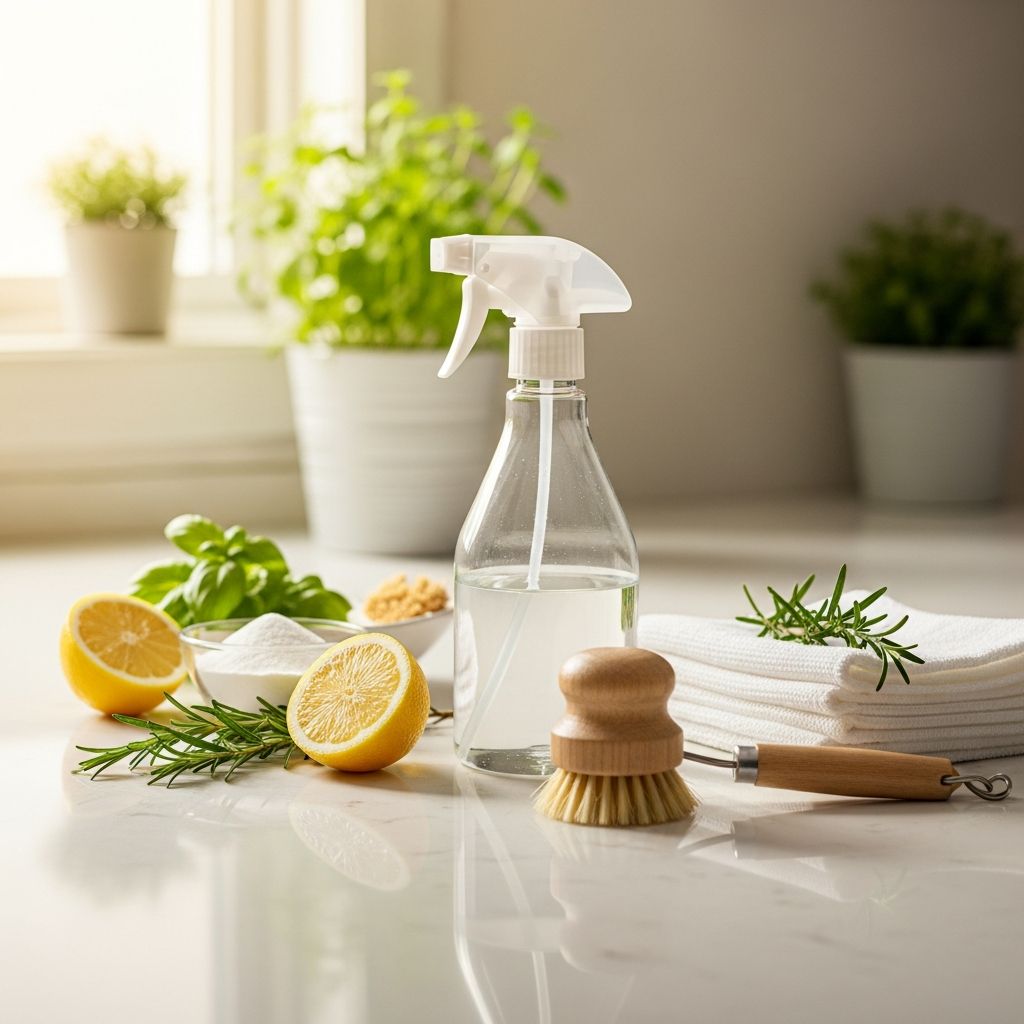
Creating a cleaner, safer home does not have to mean spending hours scrubbing or buying a cabinet full of specialty products. With a few smart swaps and realistic routines, families can enjoy a fresh, healthy space while using fewer harsh chemicals and less plastic.
Why Green Cleaning Matters for Families
Many conventional cleaners rely on strong synthetic fragrances, dyes, and solvents that can irritate sensitive skin, eyes, and airways. Choosing gentler alternatives helps reduce that exposure while still keeping germs and grime under control. Green cleaning also supports better indoor air quality, which is especially important for babies, children, and anyone with asthma or allergies.
On top of health benefits, eco-conscious choices can cut down on plastic waste and packaging. Concentrates, refill systems, and multipurpose products mean fewer bottles in the recycling bin and less clutter crammed under the kitchen sink.
Setting Realistic Goals (Not Pinterest Perfection)
A greener cleaning routine works best when it matches your actual life, not a fantasy schedule. Instead of trying to overhaul every product and habit in a weekend, think in terms of small, sustainable shifts that fit your energy, budget, and space.
- Start with the rooms your family uses most, like the kitchen, living room, and bathrooms.
- Swap out one or two products at a time instead of tossing everything at once.
- Aim for “better” rather than “perfect”—every small change still matters.
Core Principles of Low-Tox Cleaning
Behind every green cleaning routine are a few simple principles that guide what to buy, how to use it, and what to avoid. Keeping these in mind helps you navigate marketing claims and focus on what truly makes a difference.
- Simplify products: Fewer items that can handle multiple jobs reduce cost, clutter, and waste.
- Choose plant-based formulas when possible: Look for products that rely on plant-derived surfactants and enzymes instead of harsh solvents.
- Respect sensitive noses and skin: Opt for fragrance-free or lightly scented options, especially around infants and pets.
- Use the minimum effective amount: More product rarely equals more clean; it often just means more residue.
Building a Basic Green Cleaning Kit
You do not need a separate cleaner for every material, room, and surface. A small, thoughtfully chosen kit will tackle the majority of everyday messes.
- Plant-based all-purpose spray: For counters, highchairs, table tops, and most sealed surfaces.
- Mild dish soap: For hand-washing dishes and spot-cleaning sticky toys or snack containers.
- Streak-free glass cleaner: For windows, mirrors, and glossy surfaces touched by little fingerprints.
- Floor cleaner concentrate: For sealed hardwood, laminate, and tile—ideally one that can be diluted into a spray bottle or bucket.
- Bathroom cleaner: Formulated to handle soap scum, toothpaste, and mineral deposits without extreme fumes.
- Microfiber or cotton cloths: Washable, reusable cloths for wiping, dusting, and polishing.
Handy Reference Table: Simple Starter Kit
| Item | Main Use | Why It Helps |
|---|---|---|
| All-purpose cleaner | Most counters and everyday surfaces | Replaces multiple single-use sprays and reduces clutter. |
| Glass cleaner | Windows, mirrors, screens | Leaves fewer streaks, ideal for kid-height smudges. |
| Floor cleaner concentrate | Kitchen, entryways, play areas | Refillable and dilutable, saving money and plastic. |
| Bathroom cleaner | Sinks, tubs, shower walls | Targets soap build-up without overpowering fumes. |
| Reusable cloths | Dusting, wiping spills, polishing | Cut down on paper towels and disposable wipes. |
Choosing Safer Products: Labels Without Jargon
Labels on cleaning products can be confusing, with long ingredient lists and green-sounding buzzwords. A little label literacy goes a long way toward avoiding unnecessary chemicals while still getting the cleaning power you need.
- Look for short ingredient lists with plant-based surfactants, minerals, and enzymes.
- Be cautious of heavy synthetic fragrances; look for “fragrance-free” or “naturally scented” language.
- Check for statements about being biodegradable, septic-safe, or free from chlorine bleach, ammonia, and phthalates.
Quick Green Routines for Each Room
Once you have a simple kit, the next step is to build habits that keep messes manageable. Short, regular routines are easier to stick with than sporadic deep cleans that swallow an entire weekend.
Kitchen: The Daily Reset Zone
The kitchen sees constant traffic, spills, and sticky fingers. A daily “reset” keeps it from becoming overwhelming and reduces pests, odors, and built-up grime.
- Wipe counters and the dining table with an all-purpose cleaner after meals.
- Clean high-touch areas like fridge handles, appliance knobs, and faucet levers once a day.
- Do a quick floor sweep in the evening to collect crumbs that attract ants and other pests.
Bathroom: Small Steps, Big Payoff
Bathrooms can feel intimidating, but a consistent low-effort routine prevents soap scum and mildew from ever taking over. Keeping a small caddy of supplies under the sink makes it easier to do fast touch-ups.
- Spray and wipe the sink and faucet a few times per week to handle toothpaste and soap splatter.
- Run a cloth over mirrors and chrome surfaces to stop water spots from building up.
- Do a quick toilet bowl and seat clean at least once a week, or more often for potty-training households.
Living Areas: Tidy, Not Flawless
Living rooms and playrooms rarely stay photo-ready for long. The goal is a space where you can relax and where kids can comfortably play on the floor, not a showroom.
- Do a five-minute toy and clutter pickup at the end of the day.
- Dust shelves and flat surfaces weekly with a barely damp cloth to trap dust instead of spreading it.
- Vacuum or sweep high-traffic paths several times a week, especially where kids crawl or roll around.
Making Floors Safer for Crawlers and Pets
Floors matter a lot to babies, toddlers, and pets because they spend so much time close to them. Gentle cleaners that do not leave heavy residues are especially helpful in these areas.
- Use a diluted floor cleaner concentrate recommended for sealed surfaces and follow the instructions closely.
- Avoid over-wetting floors; excess liquid can damage certain finishes and trap dirt instead of removing it.
- Open windows or doors when mopping to improve air circulation and drying time.
Time-Saving Green Cleaning Hacks for Busy Parents
Parents and caregivers rarely have long, uninterrupted blocks of time for cleaning. That is why small, repeatable actions sprinkled throughout the day add up to a much cleaner home with less stress.
- Use multipurpose sprays: One bottle in a convenient spot can handle table messes, sticky handprints, and quick bathroom wipe-downs.
- Keep a cloth handy: A single reusable cloth over your shoulder or on the counter encourages fast wipe-ups while you move through the house.
- Pair cleaning with existing habits: Wipe the sink while supervising bath time, or sweep the kitchen while waiting for water to boil.
Reducing Waste Without Extra Work
Green cleaning is not only about what is inside the bottle. How products are packaged and used also affects your environmental footprint. Fortunately, reducing waste can align naturally with saving time and money.
- Choose concentrated products that can be diluted in reusable spray bottles.
- Swap disposable wipes for washable cloths, and paper towels for dedicated kitchen rags.
- Buy refills when possible to avoid constantly purchasing new plastic triggers and caps.
Involving Kids in Age-Appropriate Ways
Children can absolutely help keep your home tidier, and a green cleaning setup makes it safer for them to pitch in. The goal is not perfection but building habits, independence, and a sense of shared responsibility.
- Young kids can sort toys into baskets, place books on shelves, and wipe low tables with a damp cloth.
- Older kids can spray and wipe surfaces (using kid-safe products), vacuum small rugs, or help sort laundry.
- Turn short cleaning bursts into a game—set a timer and see how much you can all finish before it rings.
Managing Scents and Sensitivities
Fragrance is one of the most noticeable differences between conventional and green cleaners. Many families prefer lightly scented or unscented options, especially in homes where migraines, allergies, or eczema are common.
- Test any new product in a small area first, especially in bedrooms and nurseries.
- Use fewer scented products at the same time; mixing multiple strong smells can feel overwhelming.
- Open windows regularly to let fresh air circulate and help reduce lingering odors.
Common Green Cleaning Myths
Confusion around green cleaning often comes from myths that make it sound complicated, expensive, or less effective than conventional methods. Clearing up these misconceptions helps you feel more confident about your choices.
- Myth: You must make everything from scratch. In reality, many families rely on ready-to-use plant-based sprays and only mix DIY solutions if they enjoy it.
- Myth: Green cleaners cannot handle tough jobs. Modern formulas can tackle grease, soap scum, and grime when used as directed, especially if you let them sit on the surface briefly before wiping.
- Myth: A greener routine costs more. Concentrates, refills, and multipurpose products often stretch farther than conventional single-use items.
Sample Weekly Green Cleaning Plan
Every household is different, but a simple weekly structure can keep you on track without micromanaging every task. Adjust based on your work schedule, family size, and energy levels.
- Daily: Quick kitchen reset, table and counter wipe-down, fast toy and clutter pickup.
- Twice weekly: Bathroom sink and mirror, spot cleaning floors, high-touch surfaces like door handles.
- Weekly: Vacuum or sweep whole home, mop main floors, more thorough bathroom clean.
- Monthly: Dust neglected areas (tops of frames, vents), declutter cabinets, wash reusable cloths and mop heads on a hot cycle.
Frequently Asked Questions (FAQs)
Do green cleaners really disinfect?
Some plant-based products are formulated to sanitize or disinfect specific surfaces when used correctly, but not every green cleaner is designed for that purpose. Always read the label for instructions and dwell time, and reserve true disinfectants for high-risk situations like illness, raw meat spills, or bathroom accidents.
Are natural ingredients always safe?
Natural ingredients can still cause irritation or allergic reactions in some people. The safest approach is to check the label, patch-test products, and store all cleaners—green or conventional—out of reach of children and pets.
Can I switch everything to green products at once?
It is possible, but not necessary. Most families find it more budget-friendly and less overwhelming to replace items as they run out. Start with what you use most often, like all-purpose spray or dish soap, and move on from there.
Will my home smell as clean without strong fragrances?
A truly clean home does not need to smell like perfume. Many people grow to prefer the lighter, fresher feel of a space that is simply free of food odors and mustiness. If you enjoy scents, look for products with subtle, naturally derived fragrance blends.
What if my partner or family is skeptical?
Focus on benefits that matter to them: avoiding harsh fumes, saving money with concentrates, or reducing clutter under the sink. Let them experience the products in action before debating labels or ingredients, and compromise where needed so everyone feels comfortable.
Putting It All Together
Green cleaning is not about rigid rules or complicated recipes—it is about choosing products and routines that support your family’s health, time, and values. By simplifying your supplies, focusing on high-impact habits, and involving everyone in small age-appropriate ways, you can create a home that feels both truly clean and genuinely livable.
The most important step is simply to begin. Start with one room, one product swap, or one five-minute routine, and build gradually from there. Over time, those small choices add up to a calmer, fresher, and more sustainable home environment.