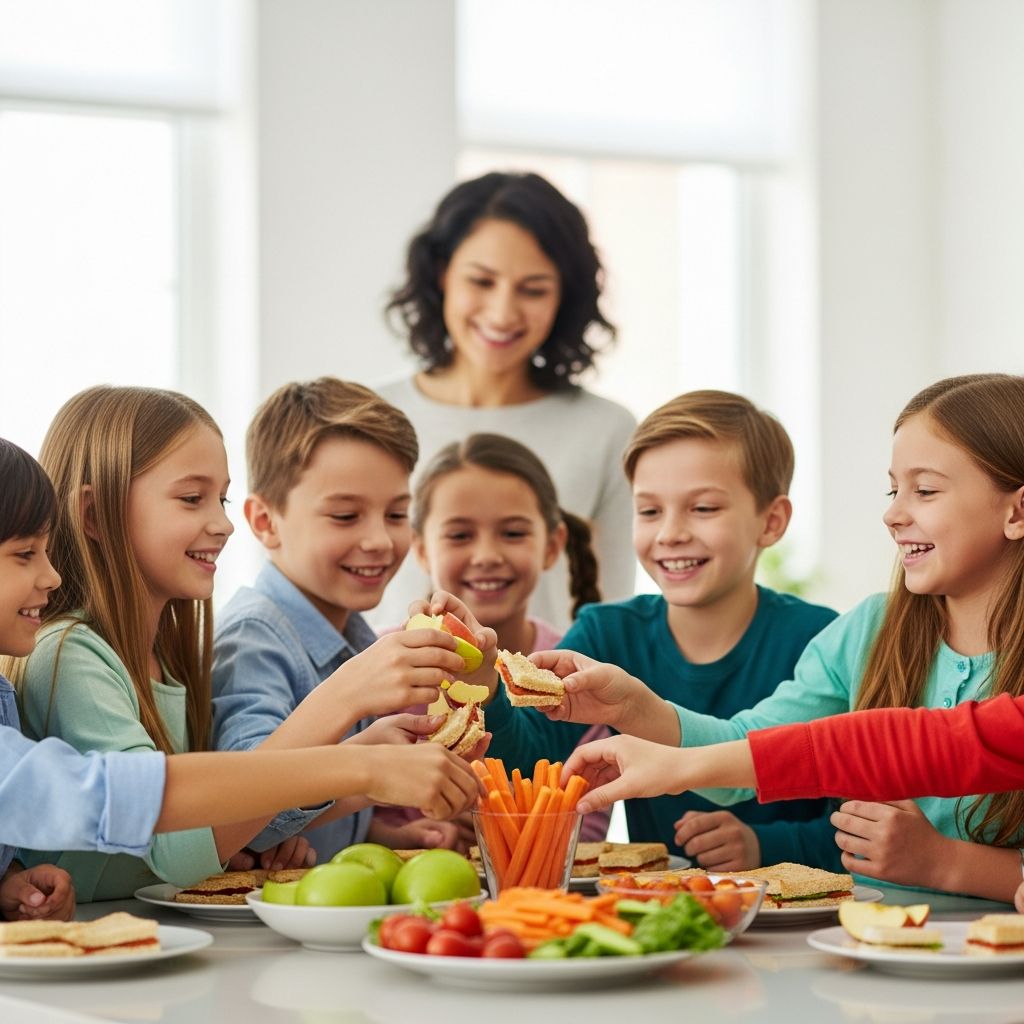
In the whirlwind of raising children, managing households, and nurturing partnerships, life often feels like a beautiful storm. Yet, within this turbulence lies the opportunity to cultivate profound joy through intentional gratitude. This practice not only reshapes daily experiences but fortifies the foundations of family bonds, turning ordinary moments into treasures of happiness.
The Hidden Strength of Thankfulness in Parenthood
Parenting unfolds as a tapestry woven with unpredictable threads—sleepless nights, joyful discoveries, and endless responsibilities. Amid these, gratitude emerges as a quiet anchor. It invites parents to pause amid the frenzy and recognize the gifts embedded in routine chaos.
Psychological insights reveal that regular gratitude practices enhance emotional resilience. For instance, individuals who actively note positive aspects report higher life satisfaction and reduced stress levels. In family settings, this translates to parents who model thankfulness, teaching children to view challenges through lenses of appreciation rather than frustration.
Consider the daily grind: spilled milk at breakfast or toys scattered across the living room. Without gratitude, these become irritants. With it, they signify a home alive with curiosity and play. This shift doesn’t erase difficulties but illuminates their silver linings, fostering a household rhythm pulsing with positivity.
Partnerships Thriving Amid the Storm
At the heart of family life beats the partnership between parents. Building a shared existence filled with both disorder and delight requires mutual recognition of each other’s contributions. Expressing thanks to a spouse for their role in this journey reinforces unity and reignites affection.
Strong relationships benefit immensely from gratitude. Studies indicate that couples who regularly voice appreciation experience greater intimacy and conflict resolution skills. In parenting, this means acknowledging a partner’s patience during teething episodes or their effort in preparing family meals, transforming potential exhaustion into shared triumph.
One effective approach involves nightly reflections where partners exchange notes of gratitude. This simple ritual not only highlights individual efforts but also builds a narrative of teamwork. Over time, it cultivates a culture where chaos is met with ‘we’re in this together,’ deepening emotional connections.
Practical Paths to Daily Appreciation
Integrating gratitude into chaotic family routines demands accessible strategies. Here are proven methods tailored for busy parents:
- Morning Intention Setting: Begin each day by identifying three family blessings, such as healthy children or a supportive home environment. This primes the mind for positivity.
- Chaos Reframing: When disruptions arise, like sudden tantrums, pivot to underlying positives—perhaps the child’s expressive emotions signal trust in safe caregiving.
- Gratitude Jars: Maintain a family jar where members drop notes of thanks. Weekly readings during dinner spark collective joy and reinforce bonds.
- Sensory Pauses: In overwhelming moments, engage senses—savor a warm coffee sip or listen to children’s laughter—to ground in present abundance.
- Partner Affirmations: Dedicate moments to verbally thank spouses for specific acts, boosting mutual morale.
These practices, drawn from well-being research, require minimal time yet yield substantial emotional dividends. Consistency turns them into habits, embedding thankfulness into the family’s DNA.
Navigating Tough Seasons with Grace
Not every phase of family life sparkles with ease. Illnesses, financial strains, or developmental hurdles can intensify chaos. Here, gratitude serves as a compass, guiding through fog.
Reframing adversity involves seeking growth opportunities. A child’s illness might highlight community support networks, while financial tight spots encourage creative budgeting and family closeness. Research underscores that such perspectives correlate with improved mental health outcomes.
Families who weather storms together often emerge stronger. Shared gratitude journals during hardships document resilience, providing future reminders of triumphs. This not only aids current navigation but inspires legacy-building for generations.
Modeling Gratitude for the Next Generation
Children absorb behaviors like sponges, making parental gratitude a powerful teaching tool. When kids witness thanks for small acts—like a drawn picture or a helpful chore—they internalize positivity.
- Encourage child-led thanks: Prompt them to express appreciation for siblings’ play or parental care.
- Use storytelling: Share family tales emphasizing grateful responses to past chaos.
- Incorporate games: Play ‘gratitude bingo’ spotting daily joys during car rides.
This modeling fosters emotionally intelligent youth, equipped to handle life’s ups and downs with optimism. Long-term, it perpetuates cycles of joyful family legacies.
Science Behind Gratitude’s Family Magic
| Aspect | Benefit | Evidence |
|---|---|---|
| Emotional Health | Increased happiness, lower anxiety | 40% of well-being variance from intentional acts |
| Relationship Strength | Better communication, intimacy | Regular appreciation practices |
| Child Development | Enhanced resilience, empathy | Modeled behaviors in youth |
| Stress Reduction | Improved coping in chaos | Daily reflection studies |
This table summarizes key gains, rooted in empirical findings, illustrating gratitude’s transformative potential in family dynamics.
Overcoming Common Gratitude Barriers
Despite benefits, barriers like exhaustion or negativity bias hinder practice. Combat fatigue with micro-habits, such as mental thanks during commutes. Counter bias by tracking evidences of joy, gradually rewiring thought patterns.
Forums and experts note that starting small prevents overwhelm, allowing gradual integration. Persistence pays off as neural pathways strengthen, making appreciation instinctive.
Building Lasting Family Happiness Foundations
Ultimate family happiness stems from owned joy. Rather than external dependencies, internal practices like gratitude empower agency. Parents who claim this craft environments where chaos coexists harmoniously with delight.
Incorporate faith or mindfulness if aligned—centering on love amid turmoil sustains centeredness. Ultimately, grateful hearts forge lives rich in meaning, where every messy moment contributes to a grand, joyful mosaic.
Frequently Asked Questions (FAQs)
What if gratitude feels forced during hard times?
Start tiny—note one neutral fact turning positive, like ‘This tantrum shows passion.’ Build from there; authenticity grows with practice.
How can partners share gratitude without awkwardness?
Use texts or notes for low-pressure starts, evolving to verbal exchanges. Focus on specifics for genuineness.
Is gratitude enough for severe family stress?
It complements but doesn’t replace professional help. Pair with therapy for deeper issues.
Can kids under 5 grasp gratitude?
Yes, via simple actions like hugging thanks or drawing hearts for loved ones, planting early seeds.
How long until gratitude habits stick?
Typically 21-66 days of consistency, varying by individual. Track progress for motivation.
References
- Thank you for building this life with me—one filled with chaos + happiness — Motherly. 2023. https://www.mother.ly/relationships/thank-you-for-building-this-life-with-me-one-filled-with-chaos-happiness/
- Gratitude in the Chaos — The MomCo. 2024. https://www.themom.co/gratitude-in-the-chaos/
- Own Your Happiness – Build a Life You Love on Your Terms — Dusty Holcomb. 2025-02-12. https://dustyholcomb.com/2025/02/12/own-your-happiness-start-building/
- Finding Happiness in the Chaos of Life — Focus on the Family. 2024. https://www.focusonthefamily.com/episodes/broadcast/finding-happiness-in-the-chaos-of-life/
- How Much Control Do You Have Over Your Own Happiness? — Greater Good Science Center, UC Berkeley. 2023. https://greatergood.berkeley.edu/article/item/how_much_control_do_you_have_over_your_own_happiness