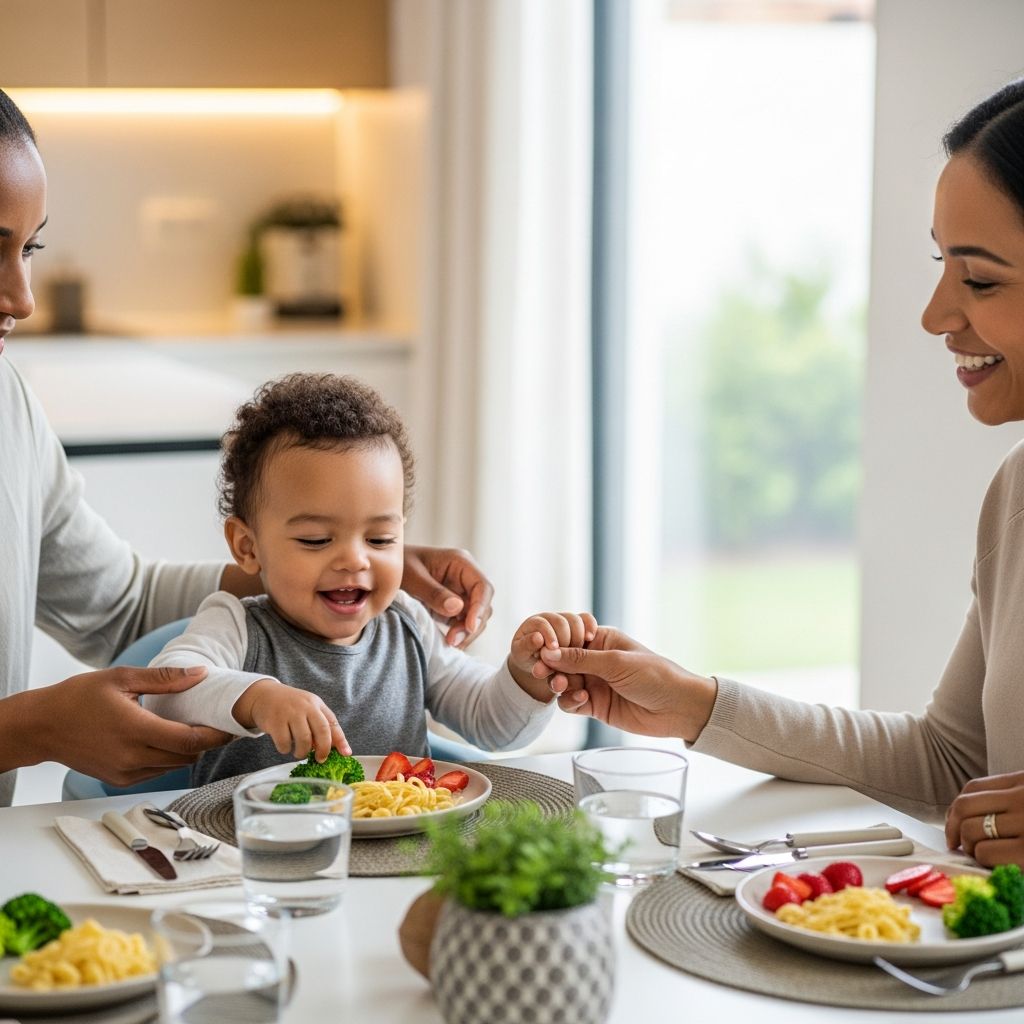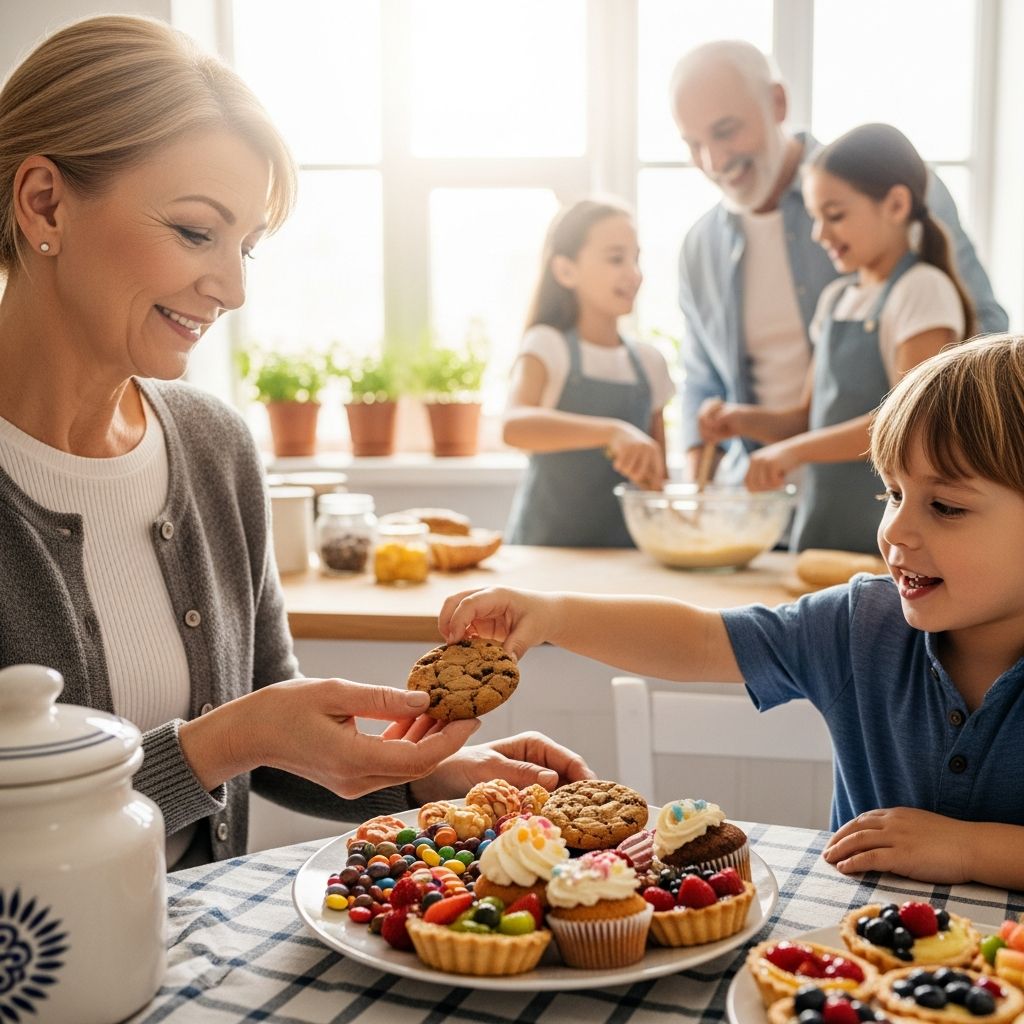
Grandparents play a cherished role in family life, often stepping in as caregivers and sources of boundless affection. However, their tendency to lavish grandchildren with sugary treats and unhealthy snacks can create tension with parents’ efforts to promote balanced nutrition. This article delves into the reasons behind this indulgence, supported by recent studies, and offers actionable advice to harmonize family dynamics while prioritizing children’s well-being.
Why Grandparents Reach for the Candy Jar
It’s a familiar scene: a grandparent handing out cookies or soda to soothe a fussy child or celebrate a small victory. Research reveals this behavior stems from deep-rooted motivations. A comprehensive review of 56 studies across 18 countries found that grandparents frequently override parental guidelines on food, providing treats as expressions of love, rewards, or compensations for perceived modern parenting shortcomings.
Generational differences play a significant role. Many grandparents view their era’s more relaxed approach to sweets as harmless, contrasting it with what they see as overly strict contemporary rules. They often justify treats by noting their part-time caregiving role, believing the occasional indulgence won’t derail a child’s diet. For instance, qualitative interviews with Australian grandparents highlighted treats as tools for teaching moderation, social inclusion, and emotional comfort, rather than strict no-nos.
- Expression of affection: Sweets symbolize unconditional love, a ‘social contract’ unique to the grandparent-grandchild bond.
- Rewards and bribes: Used to manage tantrums or encourage good behavior, despite expert warnings against food-based control.
- Counterbalance to parents: Some grandparents feel kids miss out on ‘real childhood joys’ due to busy parents, so they provide what they perceive as fun extras.
These patterns aren’t anecdotal; a University of Glasgow analysis linked such habits to elevated long-term health risks, including cancer factors from poor diet and limited outdoor play.
Health Impacts of Grandparental Indulgence
While a treat here and there seems innocent, cumulative effects on young bodies are concerning. Excessive sugar from grandparents’ care contributes to obesity, dental issues, and entrenched poor eating habits. A study in the Journal of the American Dental Association (JADA) surveyed 126 mothers, finding 72% reported grandparents offering cavity-causing foods like candy, baked goods, juice, and soda without limits. Shockingly, only 51% of these mothers confronted the issue, highlighting a communication gap.
| Health Risk | Description | Supporting Data |
|---|---|---|
| Dental Cavities | Sugary snacks promote cariogenic bacteria, leading to tooth decay. | 72% of mothers noted unlimited access to sweets. |
| Obesity and Poor Nutrition | High-sugar diets displace nutrient-rich foods, increasing BMI risks. | Grandparents linked to junk food overindulgence. |
| Behavioral Patterns | Food rewards foster emotional eating in adulthood. | Treats used for tantrums or rewards. |
| Cancer Risk Factors | Combined with smoking exposure and low activity, elevates long-term risks. | Findings from 56 global studies. |
Beyond physical health, these practices model unhealthy norms. Grandparents who smoke around kids or discourage outdoor play—fearing accidents—further compound risks, as noted in the Glasgow research. A PMC review emphasized indulgent behaviors as barriers to healthy eating, sparking family conflicts.
Parental Perspectives: Frustration and Reluctance
Parents often feel caught between gratitude for free childcare and worry over dietary sabotage. The JADA study identified barriers to discussion: fear of offending grandparents, reliance on their help, and assumptions that ‘it’s just occasional.’ Yet, with many families depending on grandparents—especially post-pandemic—mixed health messages undermine parental authority.
In focus groups, parents described grandparents as ‘spoiling machines,’ offering 31,340 calories of sugar annually in one documented case, equivalent to 7 pounds. This isn’t universal; some grandparents align with rules, but the indulgent majority creates inconsistency that confuses children about food’s role.
Grandparents’ Viewpoint: Tradition Meets Modern Scrutiny
From grandparents’ side, feeding is an act of joy and legacy. They report valuing their role but defer ultimate responsibility to parents. Many model healthy eating themselves yet carve out ‘treat exceptions’ for special visits. Interviews revealed a desire to avoid manipulation while enjoying their ‘fun’ reputation, with some restricting sweets near mealtimes or respecting rules despite disagreements.
This nuance shows indulgence isn’t malice but a blend of cultural norms, limited authority perception, and nostalgia. Grandparents from earlier generations faced fewer anti-sugar campaigns, making today’s guidelines feel extreme.
Strategies for Healthier Family Harmony
Balancing love and limits requires open dialogue and creative alternatives. Experts urge non-food rewards and collaborative planning to maintain bonds without health trade-offs.
- Initiate Kind Conversations: Frame talks positively: ‘We appreciate your help so much! Let’s team up on fun, healthy snacks.’
- Stock the Kitchen: Provide prepped healthy options like fruit skewers or yogurt parfaits for visits.
- Suggest Non-Food Treats: Stickers, park outings, or books instead of candy.
- Educate Gently: Share quick facts from credible sources, like ADA tips for less sticky sweets.
- Involve Grandparents: Bake low-sugar treats together, turning indulgence into learning.
Dr. Mary Hayes of the ADA advises water or milk over juice and plain chocolate for easier cleanup, emphasizing moderation talks. Early healthy modeling by grandparents aids lifelong habits.
Building Positive Grandparenting Practices
Empower grandparents with tools: reduced-sugar recipes, active play ideas, and no-smoking pacts. Programs teaching intergenerational nutrition can bridge gaps. Families succeeding report fewer conflicts when rules are consistent across homes.
Consider a family nutrition charter: agreed guidelines signed playfully, reinforcing unity. Apps tracking kid-friendly recipes shared via group chats keep everyone aligned.
Frequently Asked Questions (FAQs)
Q: Is it common for grandparents to give too much sugar?
A: Yes, 72% of mothers in a JADA study reported this, often with cavity-causing foods.
Q: How can parents address indulgence without conflict?
A: Use positive framing, offer alternatives, and provide healthy snacks in advance.
Q: Do grandparents recognize the health risks?
A: Many do but justify treats as occasional or compensatory; education helps.
Q: What are better rewards than food?
A: Outdoor activities, books, stickers, or quality time like story sessions.
Q: Can indulgence affect long-term health?
A: Yes, linked to obesity, cavities, and poor habits per global studies.
Conclusion: Sweet Bonds, Smarter Choices
Grandparental love enriches lives, but channeling it toward health sustains those bonds longest. Through communication and compromise, families can enjoy treats in moderation, fostering generations of wellness.
References
- Indulgent grandparents, please give our kids all the love—just not all the candy — Mother.ly. 2023. https://www.mother.ly/life/indulgent-grandparents-please-give-our-kids-all-the-lovejust-not-all-the-candy/
- The Influence of Grandparents on Children’s Dietary Health — Pankhurst et al., PMC. 2023-08-21. https://pmc.ncbi.nlm.nih.gov/articles/PMC10444634/
- Calories of Love: Grandparents Push Sugar on Grandkids — Children’s Network of Florida. N/A. https://childrensnetworkflorida.org/cns/calories-of-love-grandparents-push-sugar-on-grandkids/
- Let Them Eat Cake Study Reveals Grandparents Spoil Grandchildren — American Dental Association (ADA). 2023-02-13. https://www.ada.org/about/press-releases/let-them-eat-cake-study-reveals-grandparents-spoil-grandchildren