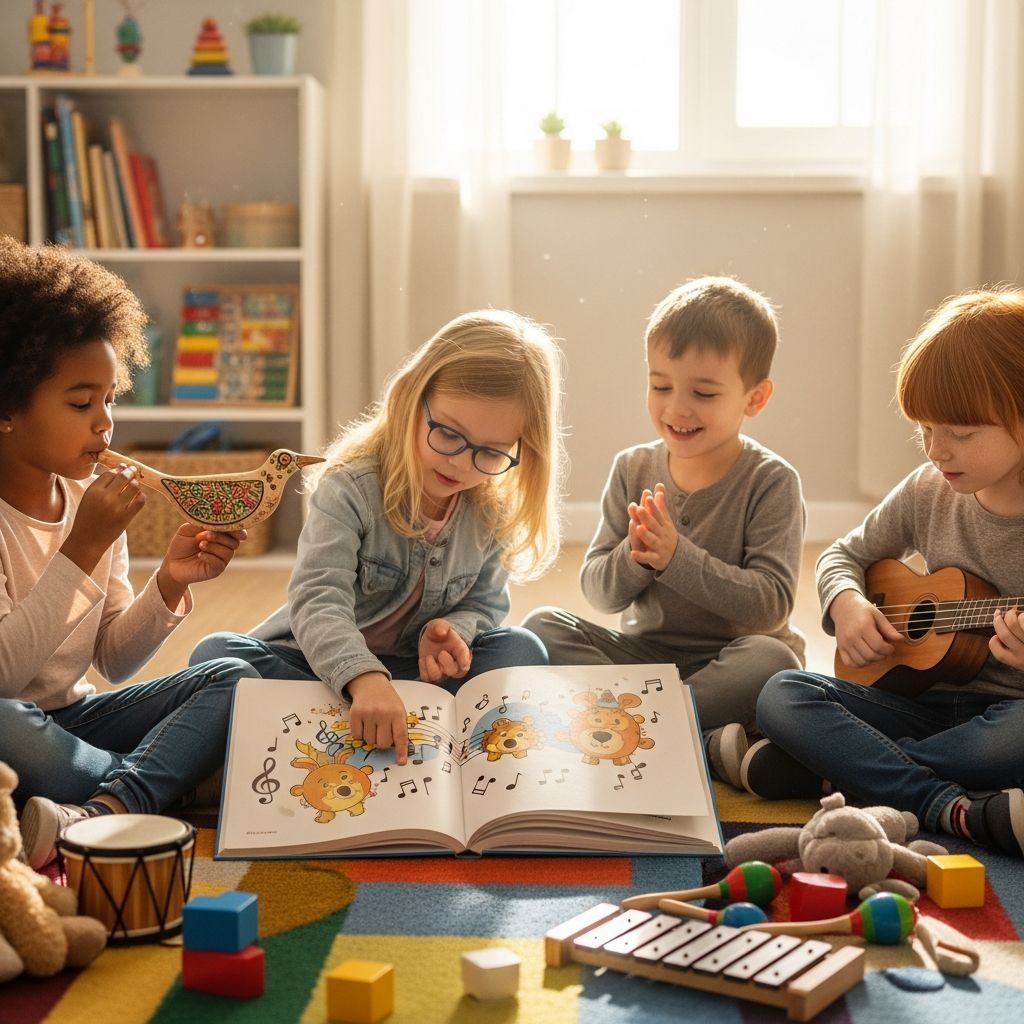
Teaching young children proper behavior doesn’t have to feel like a chore. Music offers a delightful pathway to embed values like courtesy, patience, and empathy. Popular nursery rhymes and educational tunes use simple lyrics and repetitive choruses to make concepts stick. Parents and teachers have long relied on these songs to turn everyday lessons into memorable experiences that children eagerly repeat. This article dives into effective songs, their lyrics, and why they work so well for building lifelong habits.
Why Music Excels at Manners Training
Songs capture attention and aid memory through rhythm and rhyme. Research from early childhood education highlights how musical repetition strengthens neural pathways for social norms. Kids aged 2-5, in their prime learning window, absorb politeness cues effortlessly when paired with melody. Tunes like those from LooLoo Kids or Barney create joyful associations, making ‘please’ and ‘thank you’ second nature rather than enforced rules.
These songs cover core areas: verbal politeness, sharing, listening, and hygiene etiquette. By singing along, children practice in a low-pressure environment, boosting confidence in real interactions. Educators note that group sing-alongs foster community, reinforcing collective good behavior.
Mastering the Magic Words
The foundation of politeness lies in key phrases. Many songs spotlight ‘please,’ ‘thank you,’ ‘excuse me,’ and ‘sorry’ as magical tools for smooth social exchanges.
- Please and Thank You Song (The Kiboomers): This upbeat track emphasizes starting requests with ‘please’ and ending with ‘thank you.’ Lyrics like ‘I have super manners, yes I do’ empower kids to own their politeness. It extends to sharing with friends, showing care through actions.
- The Manners Song (LooLoo Kids): Featuring characters at kindergarten, it lists magic words amid sneezes and coughs. ‘Please, thank you, excuse me’ repeats with a catchy chorus, teaching responses like ‘bless you’ for sneezes.
- Good Manners (Kidloom): Reminds kids to cover mouths when coughing or sneezing, using tissues, and washing hands. The chorus ‘Use your manners everywhere, anytime and anywhere’ drills universality.
These tracks transform abstract words into actionable habits. Parents report kids spontaneously using them post-exposure, proving songs’ practical impact.
Table Manners Through Tunes
Mealtime etiquette prevents chaos at family dinners. Songs model quiet chewing, passing food, and no slurping.
| Song Title | Tune Base | Key Lesson |
|---|---|---|
| Table Manners | Frere Jacques | Chew quietly, no slurping, use napkin |
| Pass the Plate | Unknown | Share food fairly before eating |
| Good Manners | My Bonnie Lies Over the Ocean | Polite eating and waiting turns |
Sung to familiar melodies, these encourage passing dishes with ‘please’ and expressing gratitude. ‘Chewing quietly, chewing quietly, do not slurp, do not slurp’ mimics the dining rhythm, helping toddlers self-regulate.
Sharing and Taking Turns Melodies
Self-control blooms with songs about patience and generosity. They address common toddler struggles like grabbing toys.
- How Nice I Am: To ‘How Dry I Am,’ it praises raising hands, waiting in line, and using polite words. ‘I wait my turn and stay in line’ builds queue discipline.
- Ready, Set, Wait!: From Songs for Teaching, it humorously teaches turn-taking with ‘You’ve got to wait’.
- Barney’s Good Manners Song: Recounts learning from age two: sharing, listening without interrupting.
These promote empathy, showing how waiting makes playtime fairer for everyone.
Classroom Courtesy Songs
School settings demand listening, hand-raising, and respect for authority. Dedicated tracks prepare kids.
- I Raise My Hand: Encourages waiting to speak, vital for group learning.
- Manners Song: To ‘Did You Ever See a Lassie,’ stresses politeness in conversations: ‘When they say thank you, then you say you’re welcome’.
- 3 Nice Mice: Fun twist on ‘3 Blind Mice’ – polite nibbling with ‘thank you and please’.
Teachers integrate these into circle time, noting improved participation and fewer disruptions.
Home Helper Hymns
Chores become cheerful with songs about tidying and assisting.
- Cleanup Vacuum Cleaner: Jack Hartmann’s energetic call to pick up toys.
- Helpin’ Out: Andy Glockenspiel motivates family contributions.
- Making the Bed: Kathleen Wiley details steps with rhyme.
Linking manners to responsibility teaches that politeness extends to actions.
Emotional Expression via Song
Verbalizing feelings prevents meltdowns. Songs guide using words over tantrums.
- When I Feel Angry: Jaycie Voorhees offers calm strategies.
- Don’t Be Bossy: Todd Werner promotes gentle leadership.
- Friendly Words: Listen and Learn stresses kind speech.
These build emotional intelligence alongside etiquette.
Implementing Songs in Daily Routines
Consistency amplifies effectiveness. Sing during transitions: mealtimes for table songs, playtime for sharing tunes. Create custom playlists mixing classics like Barney with modern YouTube hits. Record family versions for bonding. Track progress – fewer reminders signal success. For diverse families, adapt lyrics to cultural norms while keeping core politeness.
Combine with role-play: Act out scenarios post-song. Apps and streams offer visuals, enhancing engagement. Challenges like short attention spans resolve with 2-3 minute tracks matching kids’ focus.
Benefits Backed by Practice
Beyond fun, these songs yield tangible gains. Children show increased empathy, better peer relations, and higher self-esteem. Early habits predict social success later. Music’s multisensory appeal suits varied learners, including those with special needs.
Frequently Asked Questions
What age group benefits most from manners songs?
Primarily 2-6 years, when language and social skills develop rapidly. Younger toddlers mimic sounds; older kids grasp concepts.
Can songs replace direct teaching?
No, they complement modeling and praise. Use songs to reinforce parental examples.
Where to find these songs?
YouTube channels like LooLoo Kids, The Kiboomers, and educational sites like Songs for Teaching offer free access.
How often should we sing?
Daily, 10-15 minutes. Repetition cements learning without overwhelming.
Do songs work for shy children?
Yes, passive listening builds confidence before active participation.
Expanding Your Manners Playlist
Explore playlists like The Learning Station’s for more variety. Mix general etiquette with themed tracks for comprehensive coverage. Parental involvement – singing together – doubles retention.
In summary, these songs turn manners into joyful rituals. Consistent use creates polite, considerate kids ready for life’s social dance.
References
- 15 Good Manners Songs (With Lyrics) — Preschool Education. Accessed 2026. https://preschooleducation.com/songs/good-manners-songs/
- The Manners Song – (Official Video) — LooLoo Kids Nursery Rhymes. 2023. https://www.youtube.com/watch?v=eDccdeekAxE
- Manners Song for Kids | Barney and Friends — Barney the Dinosaur. 2023-07-19. https://www.youtube.com/watch?v=6MLf2hcQOV0
- Songs that Teach Good Manners — Songs for Teaching. Accessed 2026. https://www.songsforteaching.com/etiquette.htm
- Good Manners | Songs for kids | Kidloom — Pipalupa. Accessed 2026. https://www.youtube.com/watch?v=_pa0cot_2NQ
- Please & Thank You Song — The Kiboomers. Accessed 2026. https://www.youtube.com/watch?v=rmfzTVzsWrc