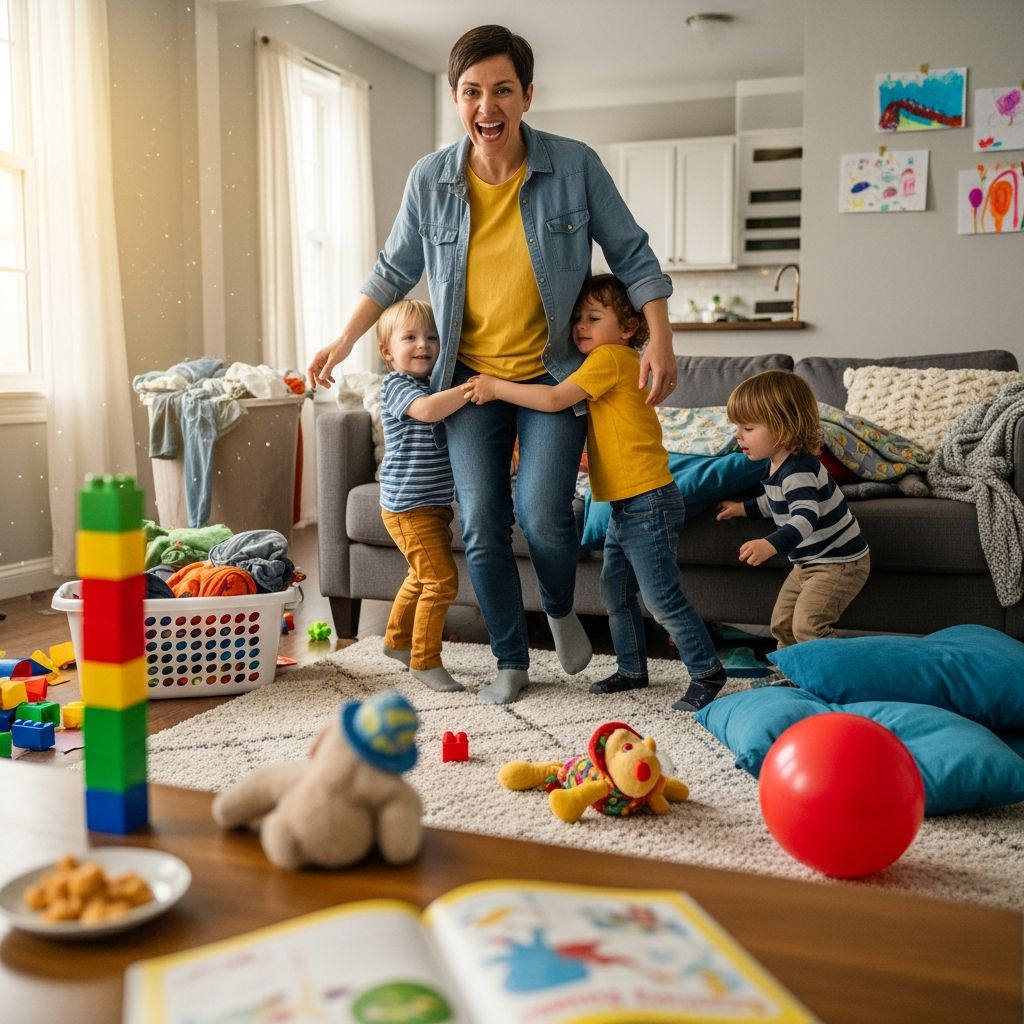
Effective parenting revolves around being reliably present, responsive, and realistic, rather than flawless. This approach, often called “good enough” parenting, prioritizes meeting children’s fundamental emotional and physical needs while allowing space for natural growth and manageable setbacks. Originating from pediatrician Donald Winnicott’s insights, it recognizes that children thrive when parents offer consistent care amid everyday imperfections.
Understanding the Foundation of Effective Parenting
The concept emphasizes authenticity over idealism. Parents who embody these qualities create a secure environment where children learn to navigate life’s challenges. Unlike perfectionism, which can lead to burnout and unrealistic expectations, effective parenting builds resilience by modeling recovery from errors and balancing structure with flexibility.
Key benefits include enhanced child resilience, authentic self-esteem, and stronger relational skills. Children of such parents develop the ability to handle disappointments, solve problems independently, and form healthy attachments.
Core Qualities That Define Success
Effective parents exhibit a blend of emotional, practical, and relational skills. Below are ten pivotal qualities, each supported by practical applications.
1. Emotional Steadiness
Maintaining composure during chaos is crucial. Children test boundaries, creating noisy and unpredictable moments. Effective parents pause, breathe deeply, and respond thoughtfully rather than react impulsively. This steadiness teaches kids emotional regulation.
2. Adaptive Organization
Life demands juggling schedules, meals, and emotions. Effective parents master multi-tasking without rigidity, providing routines that offer security while adapting to surprises like sudden illnesses or school events.
3. Positive Reinforcement
Affirmation fuels growth. Beyond praise, effective parents notice efforts and specific achievements, saying, “I appreciate how you shared your toy,” to build intrinsic motivation and confidence.
4. Practical Wisdom
Navigating child-related decisions requires insight. Effective parents stay informed about developmental stages, health guidelines, and age-appropriate activities, making informed choices that support holistic growth.
5. Bend Without Breaking
Rigidity stifles development. Effective parents adjust plans, compromise on non-essentials, and allow children input, fostering independence and teaching adaptability in a changing world.
6. Reliable Presence
Consistency breeds trust. Children rely on parents who follow through on promises, attend events, and offer unwavering support, creating a safe emotional base.
7. Empathetic Understanding
Validating feelings, even during misbehavior, is key. Effective parents listen actively, acknowledge emotions (“I see you’re upset about losing the game”), and guide toward solutions, nurturing empathy.
8. Self-Awareness and Accountability
No one is infallible. Effective parents recognize shortcomings, apologize sincerely (“I’m sorry I raised my voice; I was frustrated”), and repair ruptures, modeling accountability.
9. Boundary Setting with Warmth
Love includes limits. Effective parents enforce rules kindly, explaining reasons (“We don’t hit because it hurts others”), balancing nurturance with discipline to promote self-control.
10. Forward-Thinking Optimism
Effective parents focus on the present while nurturing future potential, encouraging curiosity and problem-solving without projecting personal ambitions.
Practical Strategies for Daily Implementation
Incorporate these qualities through actionable habits:
- Daily Check-Ins: Spend 10-15 minutes undivided attention, listening without advising.
- Routine Flexibility: Establish bedtime and meal structures but allow weekly variations for family events.
- Error Recovery: After mishaps, discuss what happened and co-create better approaches.
- Self-Care Rituals: Prioritize rest and hobbies to sustain energy for parenting.
- Community Support: Engage partners, family, or groups to share loads and gain perspectives.
Comparing Parenting Styles
The table below contrasts effective parenting with extremes:
| Style | Key Features | Child Outcomes |
|---|---|---|
| Effective (Good Enough) | Responsive, imperfect, reparative | Resilient, independent, secure |
| Perfectionist | Rigid, over-praising, anxious | Entitled, fear of failure, burnout |
| Neglectful | Inconsistent, uninvolved | Insecure, behavioral issues |
This comparison highlights why balance yields the healthiest results.
Developmental Stages and Adaptation
Qualities evolve with child age. Infants need prompt distress resolution for secure attachment. Toddlers benefit from firm yet empathetic boundaries. School-age kids thrive on encouragement for autonomy. Teens require guidance toward consequences and independence.
For example, responding to a baby’s cry promptly builds trust, while allowing a teen to face a poor grade teaches accountability.
Overcoming Common Challenges
Parenting hurdles like fatigue or sibling rivalry test resolve. Counter with:
- Deep breathing for instant calm.
- Pre-planned consequences to avoid reactive punishment.
- Gratitude journaling to shift from criticism to appreciation.
Research affirms that consistent, loving responses outweigh occasional lapses.
Frequently Asked Questions
What distinguishes effective parenting from perfect parenting?
Effective parenting accepts imperfection, focuses on repair and presence, leading to resilient kids. Perfect parenting is unattainable and can hinder independence.
How can I build patience as a parent?
Practice mindfulness, take brief timeouts, and reframe challenges as growth opportunities for both you and your child.
Is it okay to say no to my child?
Yes, setting limits with empathy teaches boundaries and realistic expectations, essential for maturity.
What if I make a big mistake?
Apologize genuinely, explain without excusing, and demonstrate improvement. This models healthy relationships.
Does effective parenting differ for moms and dads?
The qualities are universal, though expressions may vary by individual style and family dynamics.
Long-Term Impact on Family Well-Being
Adopting these qualities cultivates harmonious homes. Children internalize modeled behaviors, becoming empathetic, resilient adults. Parents experience reduced guilt, stronger bonds, and personal fulfillment. Studies from psychoanalytic institutes confirm improved emotional outcomes and lower anxiety in such families.
Embrace your role with realism: you’re equipped to guide your children toward thriving futures by being reliably, imperfectly present.
References
- “Good Enough Parenting” Has Its Time and Place — HealthyPlace. 2023-05-15. https://www.healthyplace.com/parenting/parenting-help/good-enough-parenting-has-its-time-and-place
- 10 Traits of a “Good Enough” Parent — Child Development Institute. 2022-11-10. https://childdevelopmentinfo.com/family-building/10-traits-of-a-good-enough-parent/
- 10 common traits of a ‘good enough’ mum, by a parent psychotherapist — GoodTo. 2024-03-20. https://www.goodto.com/family/common-traits-of-good-enough-mum
- Embracing the Powerful Concept of Good Enough Mother — Chicago Psychoanalytic Institute. 2023-08-12. https://chicagoanalysis.org/blog/psychoanalytic-principles/good-enough-mother/
- What Does It Mean to Be a Good Enough Parent? — Psychology Today. 2024-07-15. https://www.psychologytoday.com/us/blog/the-narrative-nurse-practitioner/202407/what-does-it-mean-to-be-a-good-enough-parent
- “Good Enough” Parenting — Momentum Unlimited. 2018-05-02. https://momentumunlimited.org/blog/2018/05/02/good-enough-parenting/
- Parents make mistakes. So what does ‘good enough parenting’ look like — Bond University. 2023-09-05. https://bond.edu.au/news/parents-make-mistakes-so-what-does-good-enough-parenting-look-like